
For travelers planning a 2026 trip to Tibet, the Saga Dawa Festival is a highlight not to be missed. Marking May 31, 2026, corresponding to the 15th day of the 4th Tibetan lunar month, this grandest religious festival in Tibet offers an unparalleled chance to immerse in Tibetan culture and faith. Honoring the birth, enlightenment, and nirvana of Sakyamuni Buddha, it’s a heartfelt gathering uniting locals in devotion, making it a must-experience for anyone seeking an authentic Tibetan journey.
2026 Saga Dawa Festival – Unveiling Tibet’s Spiritual Grand Celebration
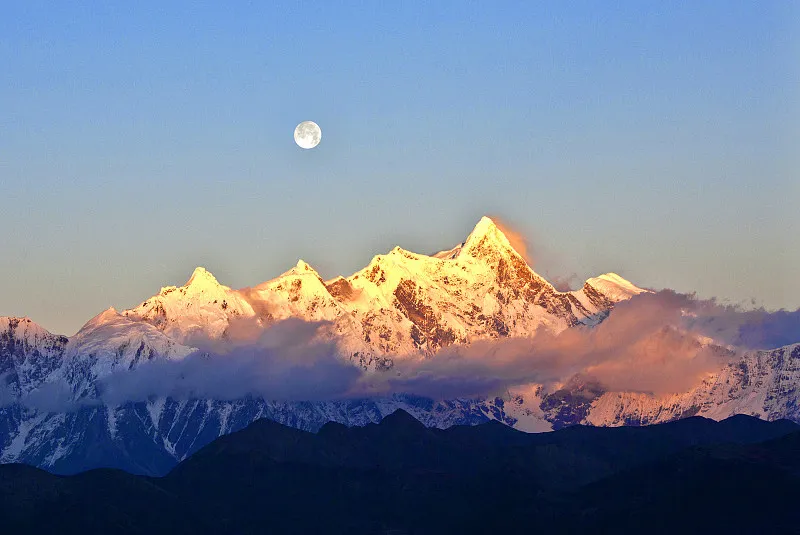
Beyond knowing the date of the 2026 Saga Dawa Festival, understanding its essence is key to respectful and meaningful participation. Literally translating to “the month of Saga” (Saga meaning the 4th Tibetan lunar month and Dawa meaning moon), the festival falls on the full moon day when the moon aligns with the star cluster Jyestha, earning it the name “Buddha Auspicious Day.” Revered as one of Tibetan Buddhism’s most sacred occasions, it commemorates three pivotal moments in Buddha’s life.
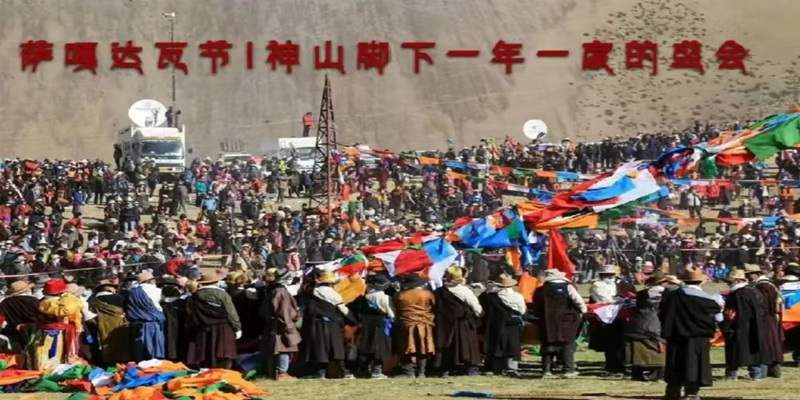
Far from a one-day event, the festival spans the entire 4th Tibetan lunar month, with May 31 as its climax. Since 1959, it has evolved from a purely religious ritual into a public celebration, preserving traditions like circumambulation, almsgiving, and fasting while adding leisurely activities such as picnicking in the woods and park outings. It has become a time for Tibetans to pray for blessings, relax, and wish for a bountiful harvest in spring and summer.
What makes Saga Dawa irresistible to travelers is its lack of excessive commercialization. Every activity carries profound religious significance, and every scene exudes a rich cultural vibe. Whether watching streams of pilgrims circumambulating, witnessing solemn merit release ceremonies by rivers, or encountering almsgiving moments on streets, you’ll feel the depth of Tibetan culture firsthand. No wonder more and more visitors choose to travel to Tibet around May 31, 2026, to witness this spiritual spectacle.
Saga Dawa Festival
Immersive Saga Dawa Festival Activities
Now that you know when the 2026 Saga Dawa Festival is, let’s explore the can’t-miss activities. Celebrations take place across Tibet, with Lhasa hosting the most grand and concentrated events. Here’s a detailed breakdown to help you plan your itinerary:
Circumambulation: The Core Ritual – Move Clockwise
Circumambulation is the most central and widespread activity, lasting the entire festival month and peaking on May 31. Centered around Jokhang Temple, Tibet has three famous circumambulation routes: the inner Barkhor Circuit, the middle Barkhor Street, and the outer Lingkor Circuit. The Lingkor Circuit, at approximately 20 kilometers long, takes a full day to complete, passing iconic sites like Potala Palace, Medicine King Mountain, Gongde Lin Monastery, Dragon King Pond, and Ramoche Temple – ideal for travelers wanting an in-depth circumambulation experience.
Locals dress in their finest attire for the occasion, holding prayer beads or spinning prayer wheels in their left hands, carrying tsampa bags in their right, and tucking cypress branches under their arms, while chanting the six-syllable mantra “Om Mani Padme Hum” with steady, devout steps. Among the crowd, you may spot “merit sheep” adorned with colorful auspicious cloths, following their owners. These released sheep symbolize good fortune and peace – do not touch or chase them.
As a traveler, you can join the procession at a leisurely pace, simply following the clockwise flow to soak in the pious atmosphere. Barkhor Street is a perfect choice for its moderate 1-kilometer length. Along the way, you’ll encounter pilgrims, admire traditional Tibetan architecture, and browse handicraft shops, blending spiritual experience with the vibrant daily life of old Lhasa. Remember to always move clockwise, never against the flow, and avoid taking photos that disturb pilgrims – respect their religious practices.
Almsgiving: A Warm Tradition – Give What You Can
Almsgiving is another vital tradition, earning Saga Dawa the nickname “Festival of the Poor.” Tibetans believe giving alms during this period accumulates great merit. Thus, on May 31 and throughout the festival, many needy people and monks gather near temples and on Lhasa’s streets, sitting quietly and waiting for offerings without begging actively.
If you wish to participate, prepare small change in advance – 0.1 RMB or 1 RMB notes are appropriate. There’s no need for large sums; follow local customs. Simply place the money gently in their containers, and locals will repay you with sincere blessings. Almsgiving should be based on your ability, not competition. Respect the tradition and avoid looking at those seeking alms with judgment.
Merit Release: Respect for Life – Do Not Disturb
The merit release ceremony is one of the most solemn events, reflecting Tibetans’ compassion and reverence for life. During the festival, especially around May 31, locals buy fish, chickens, ducks, and other animals from markets and release them into rivers like the Lhasa River and Yarlung Zangbo River or into the wild, hoping to accumulate merit and pray for peace.
You can watch the ceremony along the banks of the Lhasa River to feel the deep respect for life, but do not join the release process or take photos that disrupt the moment. Note that most Tibetans refrain from eating fish during Saga Dawa. When dining at restaurants, avoid ordering freshly killed fish or poultry to prevent awkwardness.
Incense Offering: Temple Blessings – Keep Quiet
Incense offering (Weisang) is also a key activity held at major monasteries, with Jokhang Temple hosting the most grand ceremony. A vital Tibetan Buddhist blessing ritual, it involves burning cypress branches, tsampa, and spices in incense burners. As thick smoke rises, locals chant prayers loudly, asking for Buddha’s protection for their families and a good harvest.
On May 31, Jokhang Temple attracts a large crowd of believers. The air fills with the scent of burning incense and the sound of mantras, creating a deeply spiritual atmosphere. You can visit the temple to witness the ceremony, but remember to remove your hat and sunglasses before entering, keep quiet, and refrain from smoking, touching Buddha statues, flipping through scriptures – respect the monastery’s religious rules.
Picnicking in the Woods: Leisure Time – Join the Fun
In addition to the above spiritual activities, Dragon King Pond Park in Lhasa hosts “picnicking in the woods” (Guolinka) events during Saga Dawa. Tibetans gather in groups, set up tents, and bring traditional foods like butter tea, tsampa, and highland barley wine to picnic, sing, and dance with family and friends, enjoying the beautiful spring-summer weather. You can visit the park to join in the joy, experience Tibetan leisure life, and taste authentic local cuisine.
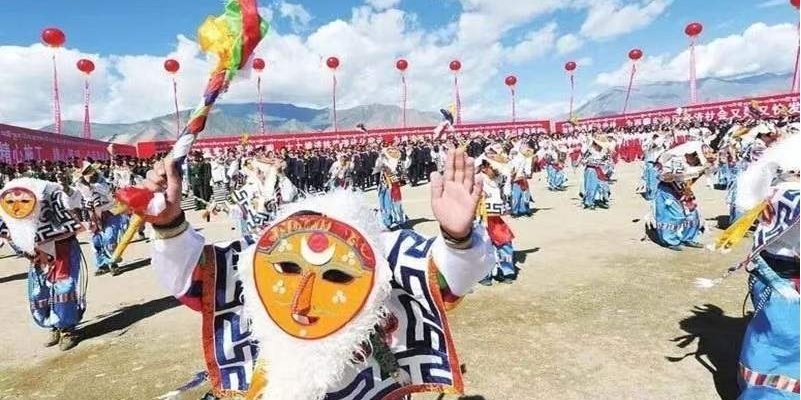
Saga Dawa Festival
Saga Dawa Festival Practical Guides
Now that you know the date and core activities of the 2026 Saga Dawa Festival, this practical guide covers transportation, accommodation, food, essential items, and itinerary planning to help you avoid pitfalls and enjoy a seamless trip.
Transportation
Saga Dawa (mid-May to early June 2026) is a peak tourist season in Tibet, with heavy traffic in Lhasa, especially around May 31. Plan your routes in advance and allocate time wisely.
- External Transportation: You can travel to Lhasa by plane or train. Flights are fast, suitable for time-constrained travelers – book 1-2 months in advance to avoid price hikes or sold-out tickets. Train rides offer stunning views along the Qinghai-Tibet Railway and allow gradual acclimatization to the plateau, reducing altitude sickness risk. Similarly, book train tickets early, especially hard sleepers and soft sleepers, which are in high demand. Note that train schedules from Saga to Lhasa may change around the festival – check the latest updates before traveling.
- Internal Transportation: In Lhasa, transportation options include taxis, buses, and shared bikes. Taxis have low starting fares and are convenient, but queuing may be necessary during the festival due to high demand. Buses cover most areas at affordable prices, ideal for visiting attractions like Barkhor Street, Jokhang Temple, and Potala Palace. Shared bikes are great for short trips, but ride safely and avoid circumambulation crowds.
Accommodation
Accommodation demand surges during Saga Dawa, leading to price increases and limited availability. Book your hotel or homestay 1-2 months in advance to avoid last-minute shortages.
Choose accommodation near Barkhor Street or Potala Palace for easy access to circumambulation, incense offering, and other events. These areas also offer convenient dining and transportation. Prioritize properties with good reviews, complete facilities, and oxygen supply services – especially important for first-time visitors to alleviate altitude sickness discomfort. For those planning to trek around Mount Kailash before June 10, book accommodation in Taktsang early; if fully booked, consider staying in Purang County.
Food
During Saga Dawa, most Tibetans observe fasting – some for three days, seven days, or even the entire month. They mainly eat vegetarian food, and some refrain from eating after noon.
When in Tibet, try local delicacies like butter tea, tsampa, Tibetan noodles, and hand-grabbed mutton. However, respect locals’ fasting traditions: avoid inviting Tibetans to eat meat with you or discussing meat excessively in their presence. Tibetan cuisine is generally light and slightly salty – bring condiments if you prefer stronger flavors. Note that Tibet’s water is hard; avoid drinking tap water directly. Opt for bottled water to prevent stomach discomfort.
Essential Items
Tibet’s high altitude and unpredictable weather require thorough preparation. Around May 31, Lhasa’s temperature ranges from 5°C to 20°C, with significant day-night temperature differences.
- Clothing: Pack warm outerwear like down jackets or waterproof jackets for cold mornings and evenings. During the day, wear long-sleeved T-shirts or shirts for easy layering. Also bring hats, scarves, gloves, and sunglasses – hats and scarves for warmth and sun protection, sunglasses to shield from intense plateau UV rays.
- Altitude Sickness Supplies: Prepare Plateau An pills, Rhodiola rosea, a pulse oximeter, and oxygen cylinders. Take Rhodiola rosea 3-5 days in advance to help your body acclimatize. Plateau An can be taken after arrival to relieve headaches, chest tightness, and other altitude sickness symptoms. A pulse oximeter monitors blood oxygen levels, and portable oxygen cylinders are convenient for use when feeling unwell.
- Other Essentials: Carry your ID card, border pass (if traveling to border areas like Ngari or Mount Everest), cash (for almsgiving, snacks, and tickets – bring plenty of small change), a phone charger, power bank, and camera. Also pack common medications like cold medicine, fever reducers, stomach remedies, and band-aids for emergencies.
Taboos & Notes – Respect Customs, Avoid Mistakes
Respecting local religious customs and cultural traditions is essential when traveling to Tibet, especially during Saga Dawa. Here are key taboos and notes to keep in mind:
Religious Taboos
Always circumambulate clockwise – never against the flow. Do not cut in line or push in crowds; respect pilgrims. When entering monasteries, keep quiet, remove your hat and sunglasses. Do not smoke, touch Buddha statues, flip through scriptures, or ring bells/drums. Some temple halls prohibit photography – follow the rules. Avoid touching Tibetans’ heads, as it’s considered disrespectful. Prayer wheels and beads should not be spun backward; do not tamper with pilgrims’ religious items.
Behavioral Taboos
Do not shout, run, or make noise near circumambulation routes or monasteries – avoid disturbing believers’ prayers. Do not take photos or videos without permission, especially of pilgrims, people seeking alms, or merit release ceremonies. Ask for consent first if you wish to take photos. Keep the environment clean – do not litter or spit on streets. During Saga Dawa, do not fish in ponds or rivers – respect Tibetans’ tradition of non-violence.
Other Notes
Lhasa is crowded during the festival – keep an eye on your belongings to avoid theft. Plateau UV rays are strong; apply sunscreen, wear a hat and sunglasses even on cloudy days to prevent sunburn. Avoid strenuous exercise; walk and speak slowly. Drink plenty of water and eat more fruits and vegetables to aid acclimatization. If severe altitude sickness occurs (e.g., difficulty breathing, severe headaches, or persistent vomiting), seek medical attention immediately or contact your hotel/travel agency for help.
Saga Dawa as the Most Sacred Season in the Tibetan Calendar
For Tibetans, Saga Dawa is not merely a single festival day, but an entire sacred month shaped by faith, discipline, and compassion. Rituals such as circumambulation, almsgiving, life release, and incense offerings are not symbolic performances, but deeply embedded religious practices that continue to guide everyday life on the plateau.
For a hassle-free, immersive experience, choose China Dragon Travel. Their exclusive festival routes offer well-planned itineraries, avoid crowds, and provide attentive service, ensuring your spiritual journey is smooth and fulfilling.