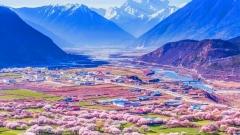

When it comes to Tibetan New Year, most people think of Lhasa’s version, but few know that Shigatse New Year in Western Tibet is the most authentic and traditional celebration. As the cultural core of Western Tibet, it falls a month earlier than Lhasa’s New Year and has preserved ancient Tibetan customs intact. From the Guchai cleaning on the 29th of the 12th Tibetan month to the incense-burning prayers in the first lunar month, every ritual reflects plateau people’s love for life and hopes for the future.
Shigatse New Year Essential Info for Travelers
To fully enjoy Shigatse New Year, start with these key details to avoid disruptions from time, climate, or logistics. Here’s what you need to know:
Festival Time & Itinerary Tips
The biggest difference from Lhasa’s New Year is the timing. Shigatse New Year officially begins on the first day of the 12th Tibetan month, with celebrations kicking off on the 30th of the 11th Tibetan month. There’s no fixed end date – it usually lasts until the 3rd day of the first lunar month, or
even a week in rural areas, depending on local traditions. In 2026, the Tibetan Fire Horse Year New Year falls on February 18, but Shigatse’s celebration is a month earlier. Check the Tibetan calendar or local travel agencies for exact dates. We recommend a 3-5 day itinerary to experience all key rituals.
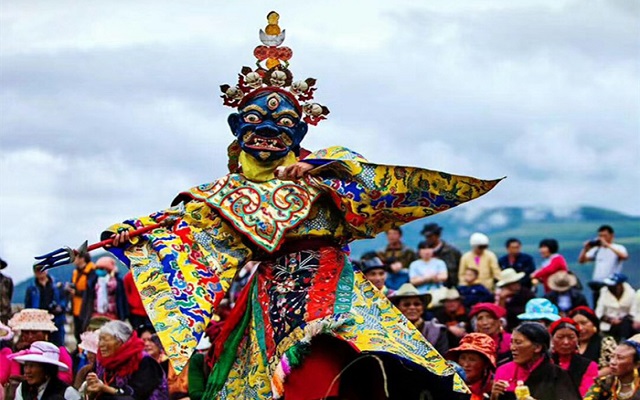
Shigatse New Year
Climate & Clothing Guide
Shigatse New Year coincides with the plateau winter – cold, dry, and windy. Daytime temperatures range from -5℃ to 8℃, dropping below -15℃ at night. Pack thick down jackets, windproof and snowproof coats, thermal underwear, woolen pants, and snow boots. Don’t forget scarves, gloves, hats, sunscreen, lip balm, and windproof goggles to combat both the cold and intense UV rays. With large temperature differences between indoor and outdoor, layer your clothes for easy adjustment.
Transportation Guide
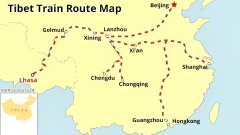
Shigatse is easily accessible. Fly or take a train to Lhasa first, then transfer to a train (3.5 hours) or bus (5 hours) to Shigatse. The journey offers stunning views of the Yarlung Zangbo River in winter. In the city, taxis (with affordable starting fares) and buses are convenient for reaching attractions and the old town. During the festival, temporary traffic restrictions may ban motor vehicles on some roads – walking is recommended to soak up the atmosphere and avoid traffic jams. For rural trips to Bainang County or Renbu County, charter a car or join a local tour. If driving yourself, note that plateau roads can be tricky with snow and ice – carry snow chains.
Language & Currency
Locals mainly speak Tibetan, but younger people and those in the tourism industry can converse in basic Mandarin. Learn simple greetings like “Tashi Delek” (Wish you joy and good fortune) and “Tokchenna” (Thank you) to connect with locals. Currency is RMB. Most attractions, restaurants, and hotels accept WeChat Pay and Alipay, but small vendors in the old town and rural areas may only take cash. Bring some RMB for snacks and souvenirs.
Must-Experience Traditions of Shigatse New Year
The charm of Shigatse New Year lies in its rich folk customs and unique rituals, which carry Tibetan cultural heritage and humanistic essence. Don’t miss these authentic experiences:
Guchai Cleaning – Out with the Old, In with the New
On the 29th of the 12th Tibetan month, every household conducts a thorough cleaning called “Guchai” – a vital New Year preparation. Every corner, from indoor rooms and kitchens to courtyards, is scrubbed spotless, symbolizing the removal of bad luck, poverty, and disasters to welcome prosperity. After cleaning, families polish furniture and arrange offerings for the upcoming ghost exorcism ritual and Gutu feast. Ask locals for permission to observe or join – just avoid touching offerings or religious items.
Ghost Exorcism Ritual – Blessings for Safety
After Guchai cleaning on the 29th evening, the lively yet solemn Ghost Exorcism Ritual takes place. The male head of the household walks around
the house with a torch, chanting prayers to drive away evil spirits and disasters. Family members then throw prepared ritual cookies and dough outside, symbolizing the departure of bad luck. Accompanied by folk songs and dances, the atmosphere is vibrant. Observe quietly, refrain from loud noises or unauthorized photos/videos, and respect local religious traditions.
Exorcism and Blessing Ceremony
Gutu Feast – Reunion & Wishes
Following the exorcism, families gather for the Gutu feast – Shigatse’s version of the Chinese New Year Eve dinner. Gutu is a noodle soup made with nine ingredients: yak meat, radish, Chinese wolfberry, milk dregs, tsampa, and more. “Gu” means “nine” and “tu” means “noodles,” representing unity and good fortune. Hidden in the noodles are special dumplings with symbolic items: wool signifies a gentle personality and long life; walnuts wish for peace and abundance; chili peppers symbolize passion and vitality. Being invited to a local Gutu feast is a great honor – enjoy the food, drink, and warm company, and remember to avoid wasting food.
New Year’s Day Blessings – Worship & Aspirations
On the first day of the 12th Tibetan month (Shigatse New Year’s Day), women wake at dawn to brew special barley wine with Chinese wolfberry, milk dregs, and brown sugar – fragrant and sweet. They serve it to family members in bed according to age. After drinking, the family collects three types of “new water” (water, wood, and earth) to worship gods, praying for good harvests, thriving livestock, and happiness. Dressed in new Tibetan robes, they head to monasteries to burn incense. Tashilhunpo Monastery, Western Tibet’s largest monastery, hosts grand religious ceremonies with monks chanting prayers. Visit to experience the devout atmosphere – remove hats, stay quiet, don’t touch Buddha statues or scriptures, and ask permission before taking photos.
Incense Burning & Prayer Flag Hanging – Inviting Blessings
Early on the 3rd day of the first lunar month, families bring incense, ceremonial barley stacks, tsampa flour, and firewood to rooftops or nearby hills for “sang” (incense burning). Burning cypress branches, mulberry leaves, and butter, the rising smoke carries wishes to the heavens for good weather and safety. Afterward, they hang prayer flags printed with religious symbols and blessings – the fluttering flags are believed to attract good fortune and repel disasters. Observe or join with local guidance, and keep the area clean.
Visiting Relatives & Friends – Singing & Dancing
From the second day of the New Year, locals visit relatives and friends to exchange greetings. Hosts prepare abundant food and barley wine, and guests enjoy singing, dancing (especially Guozhuang Dance), and celebrating late into the night. Wander the streets to see locals in new Tibetan robes, smiling and greeting each other with “Tashi Delek.” Accept invitations to join their gatherings – learn Guozhuang Dance, taste local food, and experience their warmth and hospitality.
New Year Market – Festive Vibes
The old town’s New Year Market is bustling from the 30th of the 11th Tibetan month. Stalls sell golden, crispy Kasey (fried dough pastries in shapes like ears or spoons), white milk dregs, air-dried yak meat, colorful candies, butter flowers, prayer flags, and hada scarves. Kasey is a New Year staple – sweet and crunchy, perfect for entertaining guests. Explore the market, soak up the festive atmosphere, buy souvenirs, and bargain politely with vendors.

Shigatse New Year Itineraries for Every Traveler
We’ve curated three itineraries combining traditions and scenery, ensuring no detours or disappointments. Choose based on your time and interests:
3-Day Essential Itinerary – Core Traditions & Highlights
Ideal for time-constrained travelers, focusing on key rituals and attractions.
Day 1: Arrival & Exploration
Arrive in Shigatse, check into your accommodation, and wander the old town to feel the pre-festival buzz. Buy souvenirs at the New Year Market and try local snacks like Tibetan noodles and butter tea. In the evening, admire the sunset at Tashilhunpo Monastery and learn about the next day’s ceremonies. Dine at an old town Tibetan restaurant.
Day 2: Immersive Traditions
Morning: Attend the New Year ceremony at Tashilhunpo Monastery to witness monks chanting and praying.
Lunch: Eat near the monastery.
Afternoon: Watch locals visiting relatives and celebrating with songs and dances in the old town – exchange “Tashi Delek” greetings.
Evening: With permission, observe Guchai cleaning and the Ghost Exorcism Ritual. Enjoy a Gutu feast for an authentic reunion experience.
Day 3: Blessings & Departure
Morning: Head to a hill to observe or join the incense burning and prayer flag hanging ritual. Admire the fluttering flags against the plateau backdrop.
Late Morning: Visit Zongshan Fortress to learn about Western Tibetan history and enjoy plateau views.
Lunch: Savor local specialties before packing up and heading to the station or airport.
4-Day Comfort Itinerary – Deep Traditions & Rural Charm
Builds on the 3-day itinerary with a rural excursion for a more authentic experience.
Days 1-3: Follow the 3-day essential itinerary to experience core traditions and visit Tashilhunpo Monastery, the old town, and Zongshan Fortress.
Day 4: Rural Exploration
Morning: Charter a car to Bainang County or Renbu County, where traditions are well-preserved. Visit Tibetan farmhouses, watch rural celebrations and dances, and taste homemade Gutu and Kasey.
Afternoon: Wander the countryside, admire winter plateau scenery, and interact with local children.
Evening: Return to Shigatse city, explore the old town’s New Year night views, and soak up the evening festive atmosphere.
5-Day In-Depth Itinerary – Traditions & Scenery Combined
Perfect for travelers with extra time, covering urban and rural attractions, traditions, and culture.
Days 1-4: Follow the 4-day comfort itinerary to experience core rituals, visit key attractions, and explore rural areas.
Day 5: Cultural Discovery
Morning: Visit Pelkor Chode Monastery to admire its stupas and murals, and join simple New Year blessing rituals.
Lunch: Eat near the monastery.
Afternoon: Tour Palace Manor, Tibet’s best-preserved aristocratic manor, to learn about Western Tibetan noble life, architecture, and cultural relics.
Evening: Return to Shigatse city, pack, and end your memorable journey.
Shigatse New Year Food & Accommodation Guide
Comfortable food and accommodation enhance your trip. Most restaurants and hotels operate during the festival, but some small eateries may close early. Plan ahead with this guide:
Must-Try Tibetan New Year Foods
Gutu: The iconic reunion dish. Try it at local homes or authentic Tibetan restaurants – book in advance to avoid disappointment.
Kasey: Crispy fried pastries, perfect as snacks. Buy fresh from the New Year Market or order at restaurants.
Butter Tea & Sweet Tea: Tibetan classics. Butter tea is rich, savory, and helps combat altitude sickness. Sweet tea is milky and sweet, similar to milk tea – popular among tourists. Enjoy them at street teahouses or restaurants.
Air-Dried Yak Meat: Tender and fragrant, it’s great for eating directly or cooking. Buy it at the New Year Market as a souvenir.
Tibetan Noodles: Chewy noodles in savory yak bone broth. Pair with butter tea for a satisfying meal – find them at affordable old town eateries.
Recommended Restaurants
Old Town Tibetan Restaurant: Located in the old town, serves authentic Tibetan dishes like Gutu, Kasey, and butter tea. Traditional decor and friendly staff – book ahead for Gutu feasts.
Restaurants Near Tashilhunpo Monastery: Offer quick, affordable Tibetan meals like air-dried yak meat and Tibetan noodles – convenient after monastery visits.
Tibetan Buffets in the City: Ideal for trying various Tibetan foods. Reasonable prices, comfortable environment, and a wide selection of snacks, mains, and drinks.
Accommodation Options
Book 1-2 weeks in advance, as it’s peak season with higher prices and limited availability:
Tibetan Homestays: Best for cultural immersion. Located in the old town, they feature traditional decor, clean rooms, and hospitable local hosts who share customs and may invite you to New Year gatherings. Mid-range prices, perfect for experiencing authentic Tibetan life.
Budget Hotels: In downtown areas, convenient for transportation. Clean rooms with hot water, air conditioning, and free WiFi. Affordable, suitable for budget travelers – some are near the New Year Market or Tashilhunpo Monastery.
High-End Hotels: In the city center, offering comfortable environments, complete facilities (restaurants, gyms, business centers), and attentive service. Spacious rooms with Tibetan-style services. Higher prices, ideal for luxury travelers – some host special New Year events.
Shigatse New Year Travel Tips to Avoid Mistakes
Respect local culture and traditions for a smooth trip. Keep these tips in mind:
Respect Religion & Folk Customs
Most rituals are religious. Observe quietly, don’t make noise or take unauthorized photos/videos. When entering monasteries, remove hats, avoid shorts, skirts, or slippers, and don’t touch Buddha statues, scriptures, or offerings. Don’t smoke or litter in monasteries. Be polite when interacting with locals – avoid commenting on their religion or customs.
Prevent Altitude Sickness
Shigatse is about 3,800 meters above sea level. Avoid strenuous exercise upon arrival, rest more, drink plenty of water, and refrain from drinking alcohol or smoking. Prepare medicine like Rhodiola rosea. Seek medical help immediately if symptoms (headache, chest tightness, fatigue) are severe – don’t push through.
Stay Warm & Protected from Sun
The cold, dry, and windy weather increases the risk of colds (which are hard to cure at high altitudes and may worsen altitude sickness). Dress warmly. Plateau UV rays are strong – wear sunscreen, windproof goggles, hats, and scarves even on cloudy days.
Plan Ahead
Transportation, accommodation, and attraction hours may change during the festival. Book flights, trains, and hotels in advance. Check attraction opening times and ritual schedules. Confirm road conditions before traveling to rural areas to avoid snow-related delays.
Respect Dietary Habits
Tibetan food tastes different from inland Chinese cuisine. If you don’t like it, don’t waste food – ask restaurants to adjust the flavor. Most Tibetans avoid pork and dog meat – respect their taboos and don’t mention or eat these foods in their presence.
Protect the Environment
Tibet’s ecosystem is fragile. Don’t litter, graffiti, step on grass, or damage vegetation. Dispose of trash in designated bins to protect the plateau’s natural beauty.
Why Shigatse New Year Is the Most Meaningful Tibetan Festival to Experience
Unlike the more widely known Tibetan New Year in Lhasa, the Shigatse New Year in the Tsang region offers a deeper and more intimate glimpse into traditional Tibetan life. Here, celebrations are not staged for visitors—they unfold naturally within households, monasteries, and local communities, following customs passed down for centuries.
From the ritual of Gutu that brings families together, to the solemn exorcism ceremonies and the rising smoke of Sang offerings carrying prayers to the sky, every moment reflects a living cultural heritage rather than a spectacle. Travelers are not merely observers, but respectful participants in a collective renewal of hope and faith.
Whether traveling alone or with friends, whether you love traditions or scenery, Shigatse New Year offers unique surprises. For a hassle-free trip, let China Dragon Travel handle the details. Our exclusive Shigatse New Year packages include professional guides, arranged accommodation, and tailored itineraries – allowing you to fully immerse yourself in the authentic Tibetan New Year and create unforgettable memories.