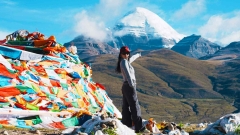

Whether you plan to visit Rikaze in Tibet to see the magnificent Tashilhunpo Monastery or prepare to travel to Mount Everest, figuring out how to use Shigatse Station Train is the first step in planning your trip. This station is the most important and comfortable transportation hub connecting Lhasa and Rikaze. Many people think it’s just a place to get on and off the train, but in fact, everything from how to buy tickets, what facilities are available at the station, where to go after getting off, to how to arrange the next part of your trip is closely related to Shigatse Station Train. Once you sort this out, half of your Rikaze trip is already a success.
What Kind of Place is Shigatse Station Train?
Since its opening in 2014, Shigatse Station Train has gradually become the preferred transportation hub for many travelers entering and exiting Tibet’s second-largest city. As the terminal station of the Lhasa-Rikaze Railway, it has a prominent location and an impressive architectural style—it retains traditional Tibetan decorative elements while integrating concise and sleek modern station design, looking grand and dignified overall.
For travelers, the biggest advantage is that this railway provides a stable and reliable access route. Trains basically depart and arrive on time, unlike road transportation which is easily affected by rain, snow or road conditions. The carriages are also equipped with oxygen supply equipment, significantly improving comfort for those who are new to the plateau and worried about physical discomfort.
If you plan to travel from Lhasa to Rikaze, taking the train to Rikaze Station is indeed the most worry-free and safe option currently. In addition to buying tickets on 12306 or at the station, the scenery along the way is also worth seeing. It’s convenient to take a taxi or bus into the city after getting off the train—overall, it’s a very traveler-friendly route.
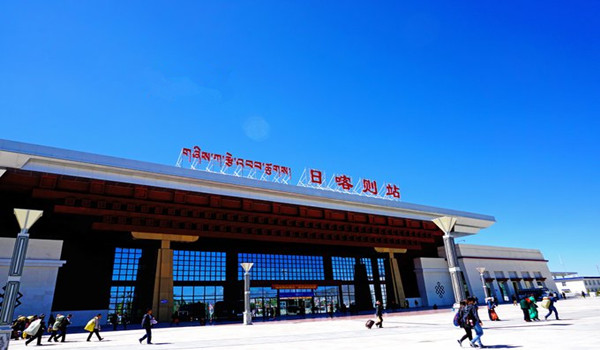
Shigatse Station Train
Entering Shigatse Station Train: Ticket Purchase, Waiting & Arrival/Departure Procedures
For first-time users of Shigatse Station Train, here are the key things you need to know:
- How to buy and pick up tickets: Train tickets are mainly purchased through the “12306 China Railway” website or mobile APP. At the station, you can find self-service ticket machines to collect tickets, or use the manual windows for ticket purchases or inquiries. A special reminder: especially during the peak tourist season from May to October, tickets sell out quickly, so be sure to book in advance.
- Waiting at the station: The waiting hall is spacious with plenty of seats. It has restrooms and hot water facilities, meeting basic needs. However, remember that the station is located at an altitude of approximately 3,800 meters, so take it easy when you first arrive and don’t run around the station.
- Arrival and departure procedures: When entering the station, you need to go through luggage security checks and present your train ticket and identification documents (such as a Taiwan Compatriot Permit or passport). This is a real-name system requirement, so make sure to bring your documents. After exiting the station, go straight to the station square where all connecting vehicles are available.
How to Get to and from Shigatse Station Train?
From Lhasa to Shigatse Station Train:
Most people first go to Lhasa, acclimatize for a day or two, then take the train from Lhasa Railway Station. There are several trains every day, and the journey takes about 2.5 to 3 hours with beautiful views of the Yarlung Zangbo River along the way. This is the most mainstream way to reach Shigatse Station Train.
From Shigatse Station Train to the urban area or hotel:
After getting off the train and walking out of the exit, you usually have several options to get to the urban area:
- Take a taxi: There are usually queuing taxis at the square. The drive to downtown Rikaze (such as near Tashilhunpo Monastery) takes about 20 to 30 minutes, and the fare is generally a fixed price. It’s best to confirm with the driver before getting on.
- Take a bus: There is a bus stop outside the station with fixed routes to different parts of the urban area. This is the cheapest option, but you need to check which bus to take in advance and prepare change.
- Book a pick-up service: If you have contacted a travel agency in advance or booked a chartered trip, they can usually provide a pick-up service at Shigatse Station Train. This is the most convenient option, especially if you have large luggage.
From Shigatse Station Train to your next destination:
After visiting downtown Rikaze, if your next stop is Everest Base Camp, you need to return to the urban area to find transportation (shared car or chartered car)—you can’t depart directly from the railway station. If you’re returning to Lhasa, you’ll need to go from the urban area to Shigatse Station Train again to take the train. Therefore, this station is more like an important transfer point in your itinerary.
Actual Situation Around Shigatse Station Train & Itinerary Suggestions
Shigatse Station Train is built in a relatively new urban area, some distance from the ancient city center and Tashilhunpo Monastery. Although there are some newly built facilities near the station, the options for dining and accommodation are far fewer than in the urban area.
- Where to stay: If you arrive very late or need to catch an early train the next day, you can choose a hotel near the station, but the conditions are relatively simple. For most travelers, it’s more recommended to take a car to stay in downtown Rikaze, where there are choices from budget hostels to high-end hotels, and it’s convenient for dining and shopping.
- A reminder for your itinerary planning: Since plateau travel requires acclimatization, it’s not recommended to take the train from Lhasa to Rikaze immediately after arriving in Lhasa. It’s best to stay in Lhasa for a day or two first, and then arrange the trip to Rikaze once you feel physically comfortable. Similarly, before traveling to higher-altitude areas (such as Mount Everest) from Rikaze, it’s also advisable to take some time to adjust in downtown Rikaze.
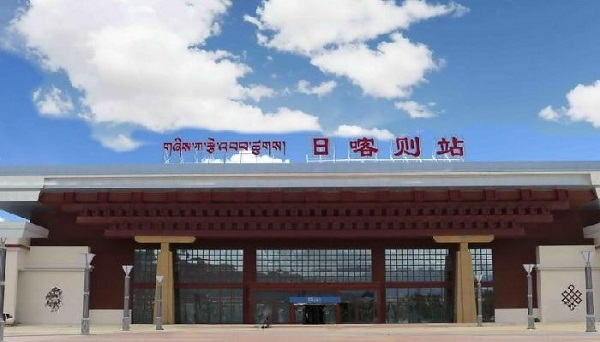
Shigatse Station Train
Common Questions About Shigatse Station Train
Q: What documents do I need to take the train at Shigatse Station Train?
A: You must use the original identification document registered when purchasing the ticket, such as a Taiwan Compatriot Permit or passport. Staff will verify it during ticket checking when entering the station, so be sure to check if your documents are expired before departure.
Q: Will I experience altitude sickness when taking the train from Lhasa to Rikaze?
A: The train carriages on this route are fully oxygenated, which helps alleviate discomfort. However, everyone’s situation is different. It’s recommended to sit and rest more on the train, move less, and drink plenty of warm water. You can prepare items like Rhodiola and painkillers in advance as a precaution.
Q: Can I store luggage at the station?
A: Usually yes. There is a luggage storage service at the station. You can ask the station staff for the specific location and fee standard. This service is very useful if you want to travel light in the urban area before returning to catch the train.
Q: Tickets are hard to buy during the tourist peak season. Any tips?
A: Tickets during peak periods are indeed in high demand, so be sure to snap them up in advance on 12306. If you’re not familiar with the operation or want to save trouble, you can ask a travel agency for help with booking. They are more familiar with ticket procedures—local operators like China Dragon Travel can usually assist with ticket booking and itinerary connections, so you don’t have to worry about snagging tickets.
Get the First Step Right for a Smoother Shigatse Trip
Knowing how Shigatse Railway Station works and planning your transfers ahead makes a big difference for a Tibet itinerary. Book tickets in advance via China Railway 12306 and bring the same ID you used to book; be aware of on-board oxygen systems, luggage storage and the station’s waiting facilities. Upon arrival choose the transfer option that suits you best—taxi, local bus, or a pre-arranged pickup—and allow time to acclimatize before heading to higher altitudes. If you prefer to avoid ticketing and logistics, an experienced operator such as China Dragon Travel can arrange pickups, assist with ticketing, and offer practical high-altitude travel advice so you can focus on visiting Tashilhunpo Monastery and preparing for Everest Base Camp.