Ready for an awe-inspiring Taklamakan Desert adventure? As China’s largest desert, it boasts rolling golden sand dunes, magnificent sunrises and sunsets, mysterious ancient city ruins, and unique Uyghur customs. This guide focuses on core travel needs, offering comprehensive insights to help you plan a seamless trip and safely unlock the desert’s unique charm.
Taklamakan Desert Travel Highlights
Natural Wonders of the Sand Sea
- Breathtaking Scenery in the Desert Hinterland: Covering 330,000 square kilometers, the “Sea of Death” hides unparalleled grandeur. At dawn, the rising sun gilds the dunes, casting soft curves through light and shadow; at dusk, the setting sun dyes the desert warm orange, turning every photo into a masterpiece; at night, far from urban light pollution, the starry sky shines brightly with a clear Milky Way, a paradise for stargazers.
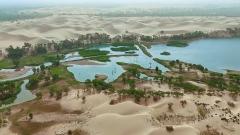
- Diverse Unique Landforms: Beyond classic mobile dunes, the desert features fixed and semi-fixed dunes, complex sand mountains, and sand ridges. Near Daolang Buyi, witness the wonder of deserts interweaving with oases, where poplars reflect in clear rivers, forming a stunning “sand-water coexistence” scene; the yardang landforms on the desert edge, with wind-eroded ridges and grooves, resemble an alien landscape, awe-inspiring.
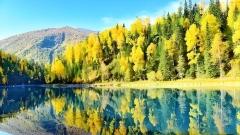
- Seasonal Limited Landscapes: Spring (Mar-Apr) brings blooming flowers on the desert edge, with drought-tolerant seabuckthorn and sagebrush dotting the sand sea, full of vitality; autumn (Sep-Oct) paints poplars golden—rows of poplars along the Tarim River stand like golden guards, forming a vivid oil painting with the desert and river, the best season for scenery.
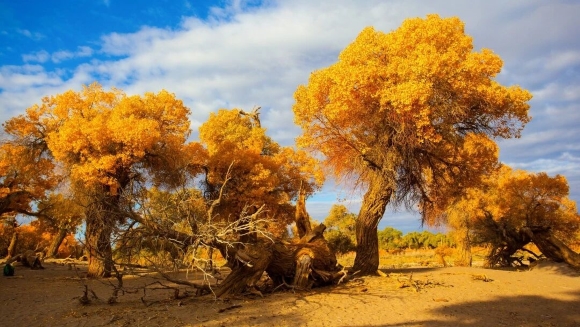
Poplars in Autumn
Cultural Imprints of the Silk Road
- Exploring Ancient City Ruins: Once a key part of the ancient Silk Road, the desert hides many mysterious ancient cities. Niya Ruins, the capital of the Han Dynasty Jingjue Kingdom, is famous for the unearthed “Five Stars Arise in the East, Benefiting China” brocade—today, house ruins, stupas, and wooden slips remain clearly visible, evoking the prosperity and vicissitudes of ancient Western Regions; Dandan Uiliq Ruins preserve Tang Dynasty Buddhist murals and architectural relics, witnessing the former prosperity of religious culture.
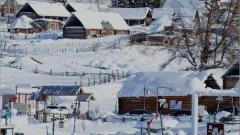
- Experiencing Folk Customs: Scattered Uyghur villages lie on the desert edge, such as Daolang Buyi Ancient Village. Villagers maintain traditional lifestyles, living in poplar-wood houses and making a living by herding and fishing. Step into the village to taste authentic samsa, polo (pilaf), and lamb skewers, enjoy Uyghur singing and dancing, and experience making naan and embroidery, immersing in rich ethnic customs.
- Special Adventure Activities: Desert off-roading is a must—ride professional off-road vehicles to shuttle and dash through dunes, feeling speed and excitement; or take a camel ride through the sand sea, listening to camel bells and enjoying the desert’s tranquility; if time permits, camp in the desert, stay in a tent overnight, listen to the wind sweeping over the dunes, and experience unique outdoor life.
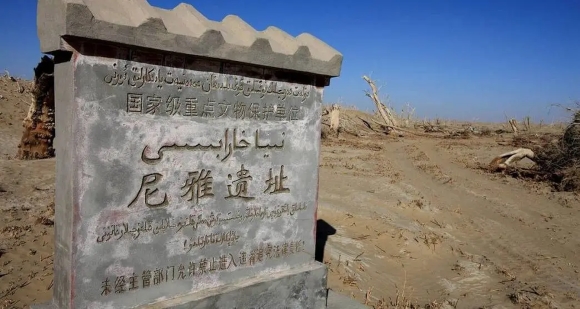
Niya Ruins
Taklamakan Desert Travel Seasons
- Autumn (Mid-Sep to Early Nov): The most suitable season for travel. With comfortable temperatures (15℃-28℃ daily average), sunny weather, little wind and sand, and high visibility, it’s ideal for outdoor activities like desert off-roading and camping. It’s also the best time to admire poplar forests—golden poplars against the desert create a striking scene.
- Spring (Late Mar to Early May): Temperatures gradually rise (10℃-25℃ daily average), with blooming flowers on the desert edge, full of vitality. However, spring brings strong winds and occasional sandstorms—check the weather forecast in advance and prepare for wind and sand protection. Suitable for tourists interested in floral landscapes and folk activities.
- Summer (Jun-Aug): Extremely hot (30℃-40℃ daily average), with surface temperatures exceeding 60℃ in some areas. Strong UV rays easily cause heatstroke and dehydration, and supplies are scarce in the desert hinterland. Not recommended for ordinary tourists, only for adventure activities with professional team support.
- Winter (Dec-Feb): Cold and dry (5℃-10℃ daily average), with night temperatures dropping below -10℃. Some roads on the desert edge may freeze, transportation is inconvenient, and most homestays and restaurants are closed. Only suitable for small groups of cold-tolerant adventure enthusiasts—prepare for extreme warmth and logistical support.
Taklamakan Desert Climate & Clothing Guide
Climate Characteristics
Overall Climate: A typical temperate continental arid climate, with annual precipitation less than 100mm, high evaporation, large day-night temperature differences (15℃-20℃), frequent winds and sand (especially spring sandstorms), and strong sunlight (over 3,000 hours of annual sunshine) with high UV radiation.
– Spring: Rapid temperature rise, large temperature differences, frequent winds and sand, occasional light rain (10℃-25℃ daily average);
– Summer: Extreme heat and dryness, prevalent dry and hot winds (30℃-40℃ daily average);
– Autumn: Gentle temperature drop, stable climate, sunny and little wind (15℃-28℃ daily average);
– Winter: Cold and dry, gentle winds (-5℃-10℃ daily average).
Clothing Recommendations
Spring:
– Tops: Adopt “layered dressing”—inner layer: quick-drying long-sleeve T-shirt; middle layer: thin fleece or sunscreen jacket; outer layer: wind and sand proof jacket (e.g., hiking jacket), easy to add or remove according to temperature and sand conditions;
– Bottoms: Loose and breathable long pants (jeans or quick-drying pants), avoiding shorts to prevent skin scratches from sand;
– Shoes: High-top sand-proof shoes or desert boots with thick socks to prevent sand from entering, non-slip soles for dune terrain;
– Accessories: Essential wind and sand proof mask, goggles, wide-brimmed hat; tie up hair and carry a scarf to cover the head and neck; apply SPF50+ sunscreen, with lip balm and moisturizer to relieve dryness.
Summer:
– Tops: Quick-drying and breathable short-sleeve T-shirt; outer layer: lightweight high-SPF sunscreen jacket (light color to reflect sunlight);
– Bottoms: Quick-drying long pants to avoid sunburn;
– Shoes: Breathable sand-proof shoes with sweat-absorbing socks;
– Accessories: Full coverage with sun hat, sun mask, goggles, and arm sleeves; reapply SPF50+ sunscreen every 2 hours and carry cooling patches.
Autumn:
– Tops: Inner layer: quick-drying long-sleeve T-shirt or thin sweater; middle layer: thin fleece or woolen sweater; outer layer: lightweight windproof jacket (prepare a thin down jacket for large day-night temperature differences);
– Bottoms: Comfortable long pants with thin thermal leggings;
– Shoes: High-top sand-proof shoes or hiking shoes, non-slip and wear-resistant for long walks;
– Accessories: Essential wide-brimmed hat, sunglasses, SPF50+ sunscreen, and lip balm; carry a thin scarf for cool mornings and evenings, avoiding skin sunburn and dryness.
Winter:
– Tops: Fleece thermal underwear + thick woolen sweater + windproof and waterproof down jacket;
– Bottoms: Fleece thermal leggings + thick hiking pants or down pants;
– Shoes: Fleece-lined waterproof sand-proof boots with thick woolen socks;
– Accessories: Ushanka hat, thick scarf, waterproof gloves, snow goggles; carry warm patches (attach to waist, back, and soles) for full warmth.
Clothing Notes
– Prioritize quick-drying, breathable, and windproof fabrics for clothing—avoid cotton (hard to dry after sweating, easy to catch cold or feel stuffy);
– Choose light and neutral colors to reflect sunlight and reduce heat absorption, facilitating identification in the desert and avoiding bright colors that attract insects;
– Avoid tight clothing—loose styles are more conducive to heat dissipation and movement, especially for desert off-roading and hiking;
– All clothing should be lightweight and easy to carry, facilitating layered dressing to adapt to large day-night temperature differences.
Taklamakan Desert Travel Gear Checklist
Sun Protection Gear
– Sunscreen (SPF50+, PA++++): High-protection sunscreen for the desert’s intense UV rays—apply all over the body and reapply every 2 hours;
– Sun Hat: Wide-brimmed design to cover the face, neck, and nape, preferably with a wind rope to prevent being blown away;
– Goggles: UV-proof and sand-proof, choose dark lenses to protect eyes from strong light and sand;
– Sun Mask/Bandana: Cover the mouth, nose, and neck to prevent sand invasion and skin sunburn;
– Lip Balm, Moisturizer, Hand Cream: Relieve chapped lips and dry skin caused by the desert’s arid climate.
Sand Protection Gear
– High-top Sand-proof Shoes/Desert Boots: At least 15cm high to prevent sand from entering, non-slip and wear-resistant soles for dune terrain;
– Sand Gaiters: Attach to the cuffs and shoe mouths to further block sand, especially for hiking and off-roading;
– Backpack Rain Cover/Sand Cover: Protect items inside the backpack from sand and dirt.
Hydration & Energy Gear
– Large-capacity Water Bottle/Hydration Bladder: Carry at least 3-5 liters of drinking water per person daily—supplies are scarce in the desert, so prepare adequately in advance;
– Sports Drinks/Electrolyte Tablets: Replenish salts and electrolytes lost through sweating to prevent dehydration and heatstroke;
– High-calorie Snacks: Chocolate, energy bars, nuts, beef jerky, etc.—easy to carry and quickly replenish energy for outdoor activities;
– Thermos (Essential in Winter): Carry hot water to resist cold and relieve dryness.
Navigation & Communication Gear
– Mobile Phone & Power Bank: Ensure sufficient phone power—use a 20,000mAh+ power bank; signals are weak in the desert, so download offline maps in advance;
– Satellite Phone/Walkie-talkie: No mobile signals in some desert hinterlands—satellite phones guarantee emergency communication, and walkie-talkies facilitate team contact;
– Compass: A backup navigation tool for electronic device failures.
Taklamakan Desert Travel Transportation Guide
Ways to Arrive
- By Air: Major Airports: Fly to Kashgar Garan International Airport, Hetian Airport, or Korla Airport—these three are the main transportation hubs to the Taklamakan Desert;
- By Train: Major Stations: Urumqi South Station, Kashgar Station, Hetian Station, Korla Station. The Lanxin Railway and Southern Xinjiang Railway run through Xinjiang—take a train from major domestic cities to Urumqi, then transfer to the Southern Xinjiang Railway to Kashgar, Hetian, etc.;
- By Self-Driving/Charter:
-
- Self-Driving Route: Depart from Urumqi, take the Turpan-Hetian Expressway and desert highways to the desert hinterland—suitable for tourists with rich long-distance driving experience and familiarity with plateau and desert road conditions;
- Charter Service: Rent professional desert off-road vehicles with experienced drivers in Kashgar, Hetian, Korla, etc.—suitable for group travel, convenient and safe.
Internal Desert Transportation
- Professional Desert Off-road Vehicles: Suitable for deep desert travel—vehicles are professionally modified with superior performance to handle complex terrains like dunes and sand ridges, the main transportation method for desert travel;
- Camel Riding: Suitable for short-distance experiences on the desert edge—slow speed allows immersive desert scenery appreciation, ideal for photography and leisure tours;
- Hiking: Suitable for niche adventure enthusiasts—requires rich hiking experience and outdoor survival skills, only recommended for short hikes on the desert edge.
Core Challenges & Solutions for Taklamakan Desert Travel
- Extreme Temperature Differences & High-Temperature Dehydration: Day-night temperature differences reach 15℃-20℃, with surface temperatures exceeding 60℃ at noon, easily causing dehydration and heatstroke. Solution: Conduct outdoor activities mainly between 6-10 am and 16-20 pm; rest in shaded areas at noon; carry 3-5 liters of drinking water per person daily, paired with electrolyte tablets or sports drinks—drink small amounts frequently, avoiding excessive consumption at once; wear light-colored quick-drying long sleeves, wide-brimmed hats, and sun masks; reapply SPF50+ sunscreen every 2 hours and carry heatstroke medicine like Huoxiang Zhengqi Water.
- Sandstorm Invasion & Visibility Obstacles: Frequent sandstorms in spring—sand easily scratches skin, clogs respiratory tracts, and even buries gear. Solution: Check the weather forecast in advance to avoid sandstorm warning periods; carry wind and sand proof goggles, thick masks, and scarves—when encountering sandstorms, immediately evacuate to vehicles or the leeward side of dunes, covering the head and mouth with scarves; use sand covers for backpacks, cameras, and other equipment; clean sand in gaps after returning to supply points.
- Getting Lost Due to Similar Landforms: Dunes have similar shapes with few reference points, and no mobile signals in the hinterland, making it easy to get lost. Solution: Download offline desert maps in advance, marking supply points and routes; carry walkie-talkies for group travel, and satellite phones for individuals or small groups; bring a compass—stop moving when lost, climb high to observe landmark landforms like vegetation and rivers; walk along dune ridges for easier rescue detection, avoiding blind travel.
- Vehicle Stuck in Sand & Malfunctions:Soft desert roads easily trap vehicles—extreme environments may also cause flat tires, fuel exhaustion, etc. Solution: Rent professional desert off-road vehicles with experienced local drivers; inspect vehicle tires, engine oil, and water tanks before departure, and carry spare tires, jacks, tow ropes, and anti-slip plates; do not step hard on the accelerator when the vehicle is stuck in sand—use sand, branches to increase friction, or contact nearby rescue points; plan refueling points in advance and carry 1-2 extra days of fuel for emergencies.
- Wildlife & Insect Disturbances: Scorpions, snakes, mosquitoes, etc., are common in the desert—easy to be bitten or disturbed while camping. Solution: Choose open and dry campsites, clean up surrounding weeds and gravel, check for tent damage and zip up tightly; wear long sleeves, long pants, and sand-proof shoes, and spray insect repellent around the tent; maintain a safe distance from wild animals like scorpions and snakes, do not touch them—rinse wounds with clean water immediately after being bitten, carry snake venom medicine, and contact rescue promptly.
The beauty of the Taklamakan Desert lies in its rolling dunes, golden poplars, bright starry skies, and profound history—a unique journey requiring courage and preparation. This guide covers core practical information for “Taklamakan Desert Travel,” protecting you from gear preparation to challenge response. For customized itineraries, professional off-road vehicle arrangements, or experienced guide bookings, China Dragon Travel provides one-stop full-service support to make your desert adventure worry-free, safe, and memorable.