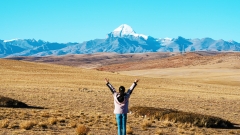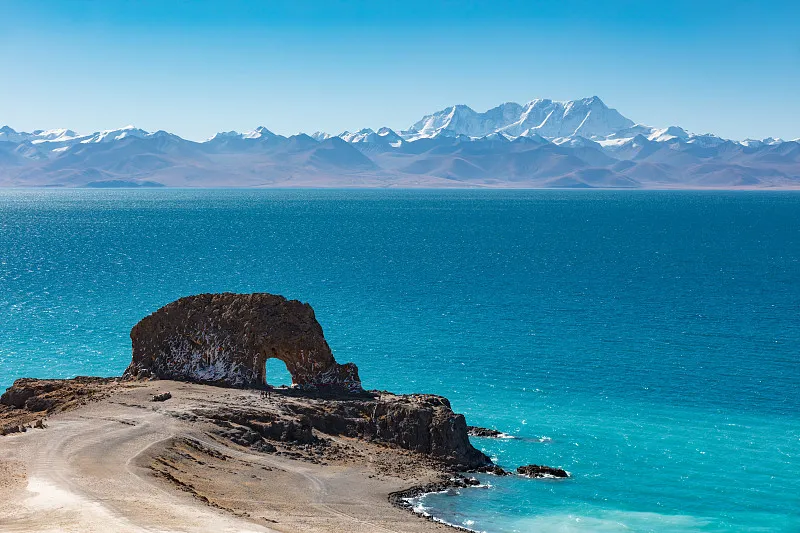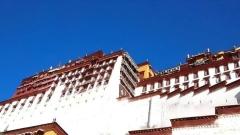

When talking about Tibet, most people imagine towering snow-capped mountains and vast grasslands, but overlook the few low-altitude temperate paradises hidden on this plateau. Which area in Tibet has the lowest altitude? The three regions are Medog County, Zayü County, Bome County, under the jurisdiction of Nyingchi City. With an average altitude below 3,000 meters, these areas are nourished by warm and humid air currents from the Indian Ocean, forming unique scenery different from other parts of Tibet. They reduce the risk of altitude sickness, and gather diverse landscapes like primeval forests, canyons, streams, pastoral villages, perfect for all travelers to explore. Next, we will detail core attractions and travel guides for these three low-altitude regions.
Medog County: The Core Area with the Lowest Altitude in Tibet
When it comes to which area in Tibet has the lowest altitude, Medog County is undoubtedly the top answer. The Xirang Village River Valley within its borders has an altitude of only 600 meters (within China’s controlled area), the lowest point on the Qinghai-Tibet Plateau. Baxika in the southern end has an even lower altitude of 155 meters, featuring a typical subtropical climate and known as the “Green Treasure Land of Southern Tibet”. Far from the hustle and bustle, it perfectly integrates natural landscapes and cultural customs, making it the first choice for low-altitude travel in Tibet.
Xirang Village River Valley: The Lowest Altitude Natural Hidden Gem on the Qinghai-Tibet Plateau
As the natural hidden gem with the lowest altitude on the Qinghai-Tibet Plateau, Xirang Village River Valley combines unique ecology and travel attributes. Here are the core highlights:
- Ultra-low Altitude and Scenery Contrast: Located in Beibeng Township, Medog County, and the lower reaches of the Yarlung Zangbo River, it has an altitude of only 600 meters. The subtropical climate creates dense forests and tangled vines, forming a strong contrast with the traditional plateau scenery of Tibet.
- Ecological and Product Characteristics: Surrounded by rivers and gurgling streams, the banks are rich in subtropical crops such as tea. Rare animals and plants frequently appear, boasting extremely abundant ecological resources.
- Key Travel Notes: A Medog permit is required in advance. Some sections of the road are complex, so it is recommended to drive an off-road vehicle or join a tour group. You can enjoy the magnificent scenery of the lower reaches of the Yarlung Zangbo River along the way.
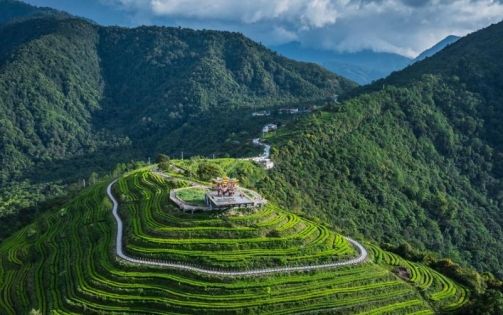
Gelin Village: A Primitive Village Hidden Under Snow-capped Mountains
Hidden between snow-capped mountains and forests, Gelin Village is the first choice for experiencing primitive customs in the low-altitude area of Medog. Here are the core experience points:
- Primitive Environment and Scenery: About 43 kilometers from Medog County, it is surrounded by primeval forests and tea gardens without excessive commercialization. In the morning, you can enjoy the view of clouds winding around the village and the golden sunrise on Namcha Barwa Peak.
- Folk Customs and Experience: You can stay in a few Tibetan-style homestays, interact with the Lhoba and Monba villagers, taste authentic Medog food, and deeply experience primitive folk customs.
- Forest Exploration Tips: The King Tree Forest in the village requires a professional guide. Along the way, you can see rare tree species and wild fungi, and fully appreciate the charm of the subtropical primeval forest.
Gelin Village
Zayü County: Low-altitude Hidden Gem on the Southeast Border of Tibet
As one of the three areas with the lowest altitude in Tibet, Zayü County is located in the southeast of Nyingchi City, at the junction of Yunnan and Tibet, with an average altitude of 2,300 meters. There is a large altitude difference in the county, with diverse landscapes from subtropical river valleys to alpine meadows. With a warm and humid climate, it is rich in fruits and crops, known as the “Jiangnan of Tibet”, and is a travel destination combining natural scenery and pastoral charm.
Lower Zayü Town: Pastoral Town in Subtropical River Valley
Known as the “Jiangnan of Tibet” for its warm pastoral scenery, Lower Zayü Town offers the following core travel points:
- Low-altitude Pastoral Attribute: With an altitude of about 1,900 meters, it is located in a river valley surrounded by mountains. Rice fields and orchards are scattered everywhere, rich in subtropical fruits such as bananas and oranges, with a strong pastoral atmosphere.
- Diverse Ethnic Culture: Inhabited by multiple ethnic groups including Tibetans, Han, Lhoba, and Lisu, it features integrated cultures and unique folk customs. You can visit villages to experience traditional farming life.
- Surrounding Travel Extension: You can go to the nearby primeval forest along the way to enjoy gurgling streams and towering ancient trees, and enjoy the quiet time of the border town.
Cibagou National Nature Reserve: A Treasure Trove of Biodiversity
As a low-altitude ecological treasure in Tibet, Cibagou Reserve combines ornamental and leisure values. Here are the core points:
- Altitude and Ecological Resources: With an altitude range of 1,500-4,700 meters, the low-altitude area is covered with subtropical primeval forests. It protects rare species such as Bengal tigers and dove trees, known as the “Tibet Ecological Museum”.
- Tourism and Leisure Experience: The tourist route extends along the river valley, with waterfalls, streams, and forests complementing each other. The high negative ion content makes it an excellent place for leisure and health preservation.
- Safety Travel Tips: It is recommended to enter with a local guide to avoid straying into unopened areas. Meanwhile, prepare for mosquito prevention and anti-slip measures.
Bome County: Low-altitude Pure Land Surrounded by Snow-capped Mountains and Forests
Under the jurisdiction of Nyingchi City, Bome County has an average altitude of 2,700 meters, making it one of the three areas with the lowest altitude in Tibet. Located along National Highway 318, it has convenient transportation and is an important station on the Sichuan-Tibet Line. Surrounded by mountains and forests, with the Parlung Zangbo River flowing through, it features beautiful scenery of snow-capped mountains, glaciers, forests, and lakes, with unique charm in all seasons, making it a paradise for photographers.
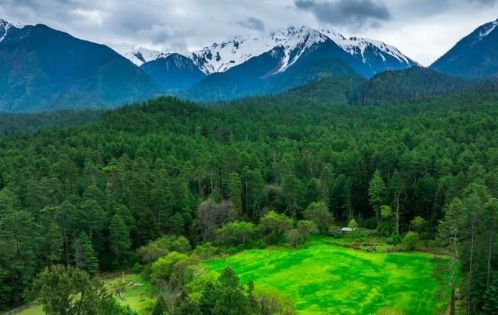
Gangyun Spruce Forest: Natural Oxygen Bar with Centuries-old Trees
Famous for its centuries-old trees and high negative ion environment, Gangyun Spruce Forest is a core low-altitude attraction in Bome. Here are the key points:
- Basic and Forest Characteristics: Located in Gang Village, Zhamu Town, Bome, with an altitude of about 2,700 meters, it is covered with towering ancient trees, some of which are over a thousand years old. The dappled light and shadow create a fairy-tale world.
- Four-Season Scenery and Experience: Lush green in spring, colorful in autumn, and snow-covered in winter. The winding plank road in the forest allows you to walk and breathe air with high negative ions.
- Practical Travel Suggestions: It is recommended to reserve 1.5-2 hours for visiting. Wear comfortable hiking shoes to explore the forest along the plank road. It is a must-visit spot for photographers.
Gangyun Spruce Forest
Parlung Zangbo Snow Mountain Photo Spot: Legendary Shooting Location on National Highway 318
This legendary shooting location along National Highway 318 is a holy place for photography in the low-altitude area of Bome. Here are the core points:
- Location and Core Scenery: Located in the prime section of National Highway 318 in Bome, with an altitude of about 2,800 meters, it offers a three-dimensional fairyland view of forests, the Parlung Zangbo River, and the Langqiu Glacier in the same frame.
- Shooting and Access Tips: About 30 kilometers from the county seat, it can be reached by navigating to Xingkong West Middle Bridge. It is recommended to go in the afternoon with favorable light. Using a telephoto lens or drone will yield better shooting results.
- Safety and Facility Tips: The stones by the river are smooth and wet, so walk carefully. There are no commercial stalls nearby, so it is recommended to bring your own drinking water and snacks.
Practical Travel Guide for the Three Low-altitude Regions
Best Travel Time
The best travel time for the three low-altitude regions (Medog, Zayü, and Bome) is divided into two periods:
- March to April: Enjoy the peach blossoms in Nyingchi. Peach blossoms bloom all over places like Galang Village in Bome and Zayü River Valley, contrasting beautifully with snow-capped mountains.
- September to October: Autumn brings clear skies, little rainfall, and colorful mountains (red, yellow, and green). The transparent vision is suitable for viewing snow-capped mountains, canyons, and forests. There is heavy rainfall in summer, and some roads are prone to mudslides, so it is recommended to avoid the flood season.
Transportation and Permit Preparation
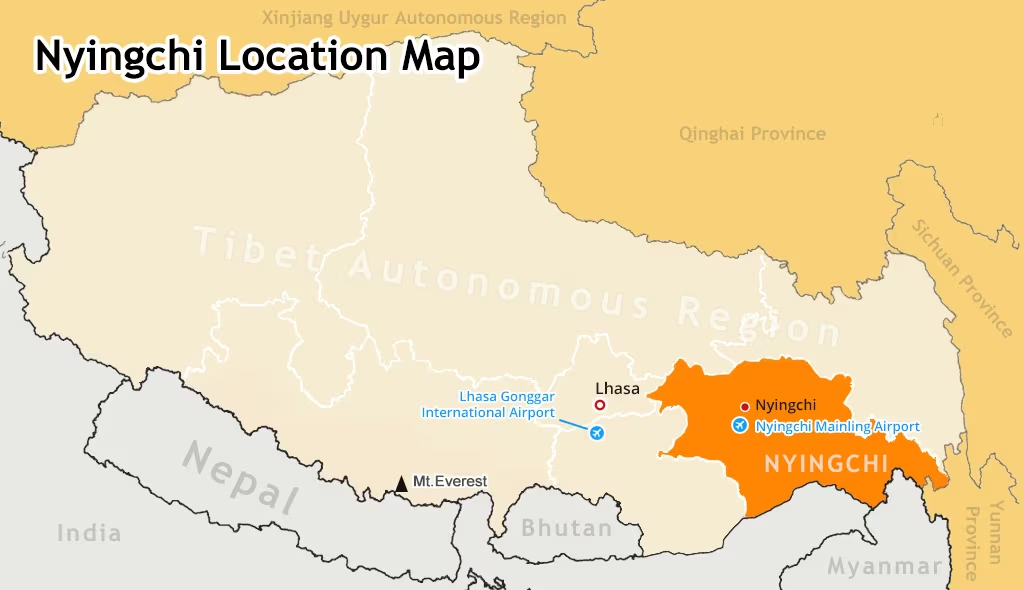
Nyingchi Mainling Airport has direct flights to major domestic cities. Travelers can fly directly and then take a transfer to the three regions.
Self-driving is available along National Highway 318, with beautiful scenery along the way. However, some roads in Medog and Zayü are complex, so an off-road vehicle is required, and road conditions should be checked in advance.
A Medog permit is required in advance, which can be applied for in Nyingchi City or Lhasa. Some border areas in Zayü also require a border permit. It is recommended to apply 1-2 days in advance to ensure a smooth trip.
An Altitude Sickness-free Tibet Trip
Medog, Zayü, and Bome Counties are the core of low-altitude travel in Tibet. With an average altitude of less than 3,000 meters, nourished by warm and humid air currents from the Indian Ocean, they break the inherent impression of Tibet as “high-altitude and cold”, integrating subtropical forests, snow-capped mountains, glaciers, and diverse customs, greatly reducing the risk of altitude sickness and allowing travelers to enjoy the unique scenery of southeast Tibet.
Whether you are an adventurer, a leisure traveler, or a photographer, you can find the meaning of travel here. Follow the guide in this article to plan your trip, avoid troubles, and enjoy a comfortable and stunning Tibet trip, encountering a different charm of Tibet.