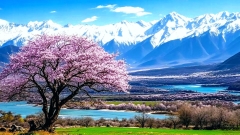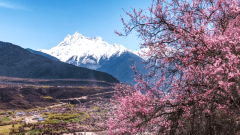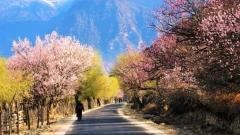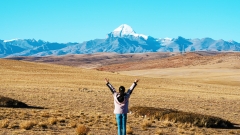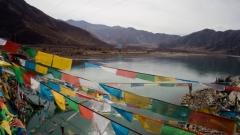

Nestled on the northern shores of Lake Dangra Yumco, the sacred lake of Bon Religion, Naqu Wenbu South Village lies deep in the Northern Tibet Plateau. As the heartland of the ancient Kingdom of Zhangzhung and a cradle of Bon Religion, it was featured in the CCTV Documentary “The Third Pole.” This unique village blends nomadic and agricultural lifestyles, offering a rare mix of rugged plateau grandeur and gentle pastoral charm. Whether chasing historical traces, admiring natural wonders, or experiencing authentic folk customs, it promises a soul-stirring escape from the modern world.
Getting to Know Naqu Wenbu South Village
Village Overview & Honors: A Living Trace of Northern Tibet’s Civilization
Naqu Wenbu South Village, part of Wenbu Township in Nyima County, is approximately 121 kilometers from Nyima County seat. Split by a gully, the southern part stands as the village’s essence. With roots dating back to the Kingdom of Zhangzhung, it is a key site for unraveling the mysteries of Zhangzhung culture and carries the oldest cultural memories of the Northern Tibet Plateau. Listed as a Traditional Chinese Village in 2014 and a National Key Rural Tourism Village in 2019, it is a testament to untouched natural beauty and profound cultural heritage.
Unique Geography & Climate: A Pastoral Miracle on the Plateau
Unlike other Tibetan villages, Naqu Wenbu South Village boasts unique geographical and climatic advantages. Regulated by the waters of Lake Dangra Yumco, it forms a mild microclimate, becoming a rare agricultural area above 4,500 meters. Villagers grow highland barley, potatoes, and rapeseed. Each July, golden rapeseed fields interweave with lush highland barley, painting a picturesque pastoral scene against the rugged Northern Tibet Plateau—a unique showcase of Tibetan agricultural culture.
Folk Customs & Beliefs: Piety and Tranquility in the Village
Most villagers practice Bon Religion (a branch of Tibetan Buddhism), living in harmony with Lake Dangra Yumco and Mount Daruo for generations while upholding ancient traditions. Wandering through the village, you’ll see locals in traditional Tibetan attire, greeting you with warm, simple smiles. Mani Stones and Prayer Flags flutter in the wind, stupas stand on hillsides, and the air carries a faint scent of butter tea—creating an atmosphere of peace and devotion. Here, time slows down, free from the hustle and bustle of cities, leaving only the murmur of lake waters, rustling wind, and chanting prayers to soothe the soul.
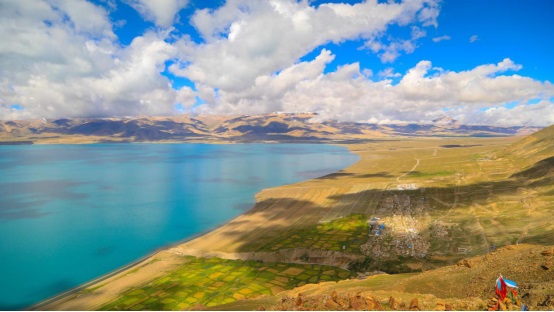
Naqu Wenbu South Village
Must-Visit Attractions: Unlocking Natural and Cultural Beauty
Lake Dangra Yumco: The Soul of Naqu Wenbu South Village
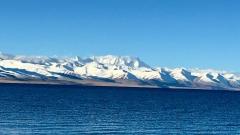
As the core natural attraction, Lake Dangra Yumco is Tibet’s fourth-largest lake and its deepest, with a maximum depth exceeding 290 meters and a surface area of 1,400 square kilometers. Revered as the holiest lake by Bon believers, it stretches north-south like a shoe sole, surrounded by mountains on three sides with only a gap on the eastern side of Mount Daruo. Its crystal-clear blue waters, shifting between light blue, deep blue, and turquoise at different times and angles, resemble a giant sapphire embedded in the plateau.
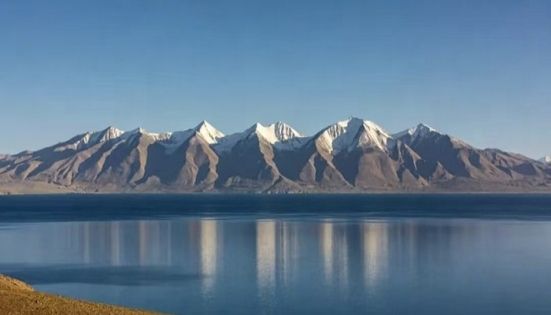
Lake Dangra Yumco
Walking from the village to the lakeshore, you’ll feel soft sand underfoot, clear water beside you, and snow-capped Mount Daruo in the distance. The lake shimmers with ripples, reflecting the snow-capped mountains and blue sky, forming a majestic yet gentle landscape. You can sit quietly, listening to villagers’ tales of the sacred lake, or stroll along the shore to admire the reddish-brown cliffs on the eastern bank—their water-carved terraces telling the story of the lake’s gradual retreat over millennia.
Notably, Yubun Temple, one of Bon Religion’s oldest temples, clings to a cliffside cave by the lake. Blending with the sacred lake and mountain, it exudes an air of mystery. Sunset at Lake Dangra Yumco is breathtaking: golden sunlight bathes the water, mountains, and village, creating postcard-perfect scenes. Stay overnight to witness both sunset and sunrise over the lake.
Mount Daruo: The Sacred Mountain Partner of the Holy Lake
Together with Lake Dangra Yumco, Mount Daruo is venerated by Bon believers. Composed of seven peaks arranged in a line, its dark mountains capped with perpetual snow resemble neatly aligned pyramids—dignified and awe-inspiring. In Bon belief, Mount Daruo is the spouse of Lake Dangra Yumco, forming Northern Tibet’s most sacred natural pairing.
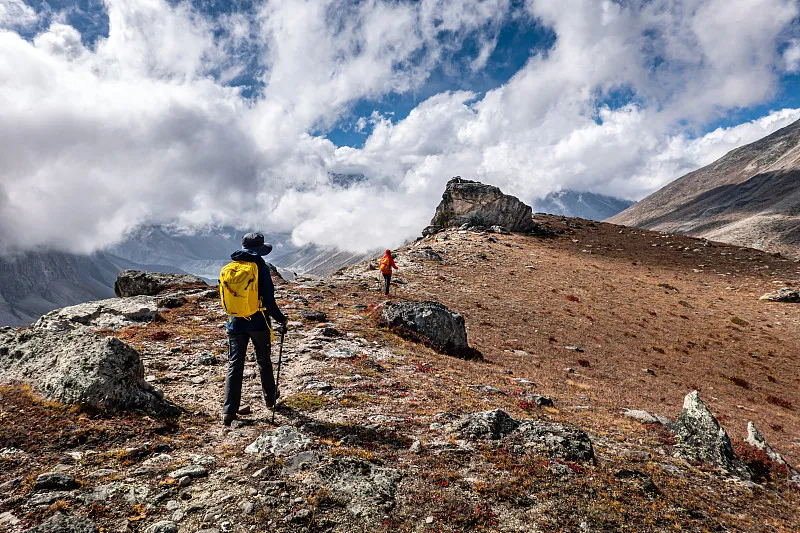
From any corner of the village, Mount Daruo is clearly visible. At dawn, shrouded in mist, it feels like a fairyland; as the sun rises, the mist lifts, revealing snow that glistens brightly. Hiking enthusiasts can follow mountain trails toward the mountain, encountering alpine meadows and rare wildlife. For those with limited stamina, the village’s viewing platform offers stunning views of the mountain and lake, evoking a deep sense of reverence for nature.
Ancient Wenbu South Village: A Labyrinth of Stone Houses
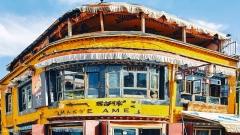
The village itself is a unique attraction. Limited by local building materials, villagers developed distinctive stone-masonry techniques, constructing houses with thick stone walls and slate roofs that cling to the hillside in an orderly yet charming fashion—oozing a primitive vibe.
Wandering through the narrow slate lanes, you’ll pass staggered stone houses adorned with dried highland barley, Prayer Flags, and corner-grown Tibetan snow lotus. The occasional sound of cowbells echoes as villagers lead livestock along paths, filling the air with rural charm. Some ancient stone house ruins, dating back to the Kingdom of Zhangzhung, retain the architectural style of that era, offering a glimpse into ancient life.
Friendly villagers may invite you into their homes for butter tea and tsampa, sharing stories of village history. Wenbu Yongzhong Sangdalin Monastery, a regional cultural relic protection unit founded in 1650, lies at the foot of Ban Kong Mountain. Its well-preserved murals, vivid and colorful, showcase the artistic charm of Tibetan Buddhism.
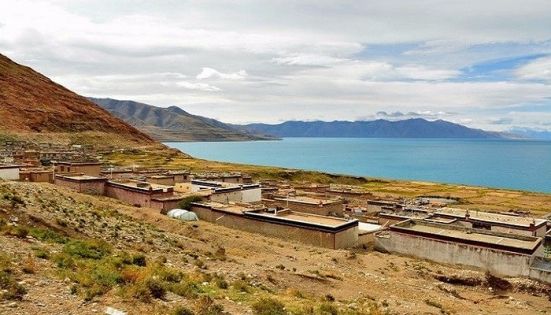
Ancient Wenbu South Village
Wenbu Eight Pagodas & Ancient Zhangzhung Palace Ruins: Tracing Millennium-Old History
On the village’s back slope stand eight earth-and-stone pagodas—the Wenbu Eight Pagodas. Arranged in a line, surrounded by ox horns and Mani Stones, they are key sites for Bon rituals and offer panoramic views of the village and Lake Dangra Yumco. With Mount Daruo in the background, it’s a popular spot for photos.
As the heartland of the Kingdom of Zhangzhung, the village is near the Ancient Zhangzhung Palace Ruins on Lake Dangra Yumco’s eastern bank. Once a thriving royal residence, only ruins remain—silently witnessing centuries of change. Despite its faded glory, the remaining walls and foundations hint at the kingdom’s former prosperity. The journey to the ruins offers pristine plateau scenery, perfect for history enthusiasts.
Featured Folk Experiences: Embracing Local Life
The village’s charm extends beyond scenery and history to its authentic folk customs. The Wenbu Plowing Festival (Intangible Cultural Heritage), held during spring planting, features villagers in traditional attire performing rituals to pray for good harvests—including chanting, plowing with livestock, and singing and dancing. Visiting during this time offers a unique insight into agricultural traditions.
You can also try Tibetan handicrafts, such as weaving Prayer Flags or making Mani Stones, under villagers’ guidance—creating a cherished souvenir. In the evening, join a bonfire party with locals, dancing the Guozhuang dance to experience their warmth and joy.
Transportation Guide: How to Reach Naqu Wenbu South Village
Located deep in the Northern Tibet Plateau, Naqu Wenbu South Village has no direct buses. Travel options include self-driving, private car hire, or customized tour groups:
Self-Driving
Ideal for experienced plateau drivers with ample time. The recommended route starts in Lhasa, follows the Qinghai-Tibet Line to Naqu City, then takes the Ali North Line to Nyima County. From there, head southwest on an asphalt road for 121 kilometers to the village. While the village road is well-paved for regular cars, the plateau’s high altitude, complex terrain, and unpredictable weather make SUVs or off-road vehicles preferable. Download offline maps to avoid getting lost due to poor signal. The journey offers stunning views of lakes like Selincuo, but drive cautiously and avoid fatigue.
Private Car Hire
The best choice for those without plateau driving experience. Hire a car from Lhasa, Naqu City, or Nyima County through a reputable company, choosing drivers familiar with the route and plateau conditions. Drivers can also act as guides, sharing insights on scenery and history. Costs vary by vehicle type and trip duration (usually daily rates). Clarify itinerary and fees in advance to avoid disputes.
Group Tours
The most worry-free and safe option, especially for first-time visitors to Northern Tibet. Travel agencies like China Dragon Travel handle transportation, accommodation, and tickets, providing professional guides and drivers. Guides offer in-depth explanations of the village’s culture and customs, enhancing your experience.
Accommodation Recommendations: Sleeping with Sacred Lake and Mountain
Accommodation mainly consists of eco-friendly homestays and characteristic hotels, lacking luxury but offering stunning views and cultural immersion:
Characteristic Hotels
Several high-quality hotels blend ethnic charm with comfort, facing the lake and mountain for optimal views. They provide basic amenities, altitude sickness support, and folk activities—ideal for travelers seeking comfort.
Eco-Friendly Homestays
Most homestays are villagers’ renovated stone houses, simple yet clean. Some offer lake-view rooms. Staying here allows close interaction with locals, enjoying homemade butter tea and tsampa. Affordable and authentic, they are perfect for budget travelers or those seeking a rustic experience. Book in advance, especially during peak season.
Accommodation Tips
With an altitude of around 4,600 meters, nights are cold. Choose rooms with electric blankets or heating. Avoid washing hair or bathing on the first night to prevent altitude sickness from cold exposure. Drink warm water before bed to relieve dryness.
Food Recommendations: Savoring Northern Tibet’s Flavors
Local cuisine features fresh, natural ingredients and simple cooking methods, reflecting plateau life:
Butter Tea
A staple in Northern Tibet, made from butter, tea leaves, and salt. Rich and savory, it warms the body, boosts energy, and eases altitude sickness. While an acquired taste, it’s a must-try.
Tsampa
The main staple, made by mixing highland barley flour with butter tea or warm water into soft balls. Chewy and filling, it embodies the nomadic and agricultural lifestyle. Learn to make it from villagers for a hands-on experience.
Air-Dried Yak Meat
A local specialty. Fresh yak meat is sliced, salted, and air-dried for months, resulting in a tender, flavorful snack rich in protein. It’s also a great souvenir.
Tibetan Hot Pot
A comforting treat in the high altitude. The broth is made from yak bones, simmered with yak meat, wild mushrooms, potatoes, and greens. Warm and nourishing, it’s perfect for cold nights.
Yak Yogurt
Made from fresh yak milk without additives, it’s thick, tangy, and nutritious. Add honey or sugar to balance the sourness. It aids digestion and relieves altitude-related stomach discomfort.
Food Tips
High altitude slows digestion—avoid overeating, raw, or greasy food. Local ingredients are limited, so expect a simple menu. Respect dietary taboos: avoid dog, donkey, horse, or mule meat (prohibited by locals) and ask before eating fish (some villagers abstain).
Travel Notes: Enjoying a Safe and Respectful Journey
Altitude Sickness Prevention
At 4,600 meters, altitude sickness is common. Take Rhodiola rosea 7 days in advance. Move slowly, avoid strenuous exercise, and carry oxygen tanks for relief from dizziness or chest tightness. Drink plenty of water and eat fruits to combat dryness.
Weather & Clothing
Plateau weather is unpredictable with large temperature differences (5℃ at night, 20℃ during the day in summer). Pack layers: waterproof jackets, down coats, and thermal underwear for summer; thicker winter wear, hats, scarves, gloves, and snow boots for winter. Protect against strong UV rays with sunscreen, sunglasses, and hats.
Respecting Folk Customs & Beliefs
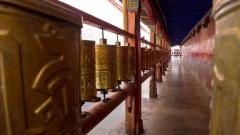
When visiting temples, stupas, Mani piles, or Prayer Flag poles, circle clockwise. Do not touch, step on, or damage religious items. Ask permission before photographing villagers or temple murals/statues. Respect dietary taboos.
Environmental Protection & Safety
The fragile ecosystem requires travelers to carry out all trash. Download offline maps, inform others of your itinerary, and drive carefully. Avoid undeveloped areas.
Other Tips
Medical facilities are limited—bring essential medicines (cold, fever, stomach, altitude sickness meds, band-aids). Cash is widely accepted; some small shops may not support mobile payments. Embrace the local pace of life and enjoy the tranquility.
Walking Slowly into the Heart of Northern Tibet
Naqu Wenbu South Village, a hidden gem in Northern Tibet, lacks the fame of Nam Co or the bustle of Lhasa. Instead, it offers pure natural beauty, profound history, and simple folk customs. Here, you can gaze at Lake Dangra Yumco’s blue waters, admire Mount Daruo’s grandeur, wander stone lanes, trace the Kingdom of Zhangzhung, and connect with devout locals.
This journey is not about checking off landmarks but about spiritual renewal. Standing at 4,600 meters, surrounded by blue lakes, white snow, and faithful believers, worries fade, leaving inner peace. If you crave an escape from urban chaos, Naqu Wenbu South Village is your perfect destination. Let China Dragon Travel craft a customized itinerary, handling all details so you can fully immerse yourself in the magic of Northern Tibet’s purest natural and cultural treasures.