
Among numerous cultural landscapes in Lhasa, Tsangkang Nunnery — Lhasa’s oldest — maintains unique tranquility and purity. Unlike bustling Jokhang Temple and Potala Palace, it is a must-visit for deep travelers, with thousand-year heritage, quiet environment, and strong religious culture. Hidden at Re Village Mountain’s foot in Lhasa’s eastern suburbs, this ancient nunnery has witnessed plateau changes and carried Tibetan Buddhism’s profound heritage. Walking here, you can escape city hustle and immerse in authentic Tibetan humanistic and spiritual power. Below is a comprehensive guide to Tsangkang Nunnery, helping you start this spiritual journey.
First Encounter with Tsangkang Nunnery
History and Background
- Historical Origin: Also known as Tsangkang Monastery, it originated from the Tubo Dynasty in the 7th century AD. It is the oldest existing nunnery in Lhasa, with a history of nearly 1,400 years, and has a deep connection with Songtsen Gampo.
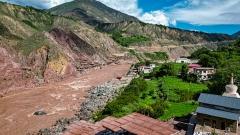
- Legend of Origin: To control the flooding of the Lhasa River, Songtsen Gampo built dikes and dams at the foot of Re Village Mountain in the eastern suburbs, and practiced in a nearby cave. This cave is called “Tsangkang” in Tibetan, and Tsangkang Nunnery was developed on this basis.
- Initial Formation: In the early 15th century, Gyaltsab Je, a disciple of Je Tsongkhapa, practiced in the meditation cave and then presided over the construction of a stone-structured main assembly hall, molded the main Buddha statues, and built prayer wheels. Thus, Tsangkang Nunnery initially took shape.
- Subsequent Development: The 8th Dalai Lama expanded the monastery, raised the buildings, added verandas and skylights, painted exquisite murals, and through generations of renovations, gradually became an influential nunnery practice place in Lhasa.
Meaning of the Name and Core Positioning
“Tsangkang” derives from Tibetan, meaning “meditation cave” — commemorating Songtsen Gampo’s closed-door practice and highlighting its role as a sacred practice site. Unlike lively Lhasa temples, it has remained quiet and simple, serving as a key place for nuns’ practice and believers’ prayers.
As Lhasa’s oldest nunnery, it is both a religious venue and a microcosm of Tibetan culture. It witnessed the Tubo Dynasty’s rise and fall and Tibetan Buddhism’s development, with its buildings, murals and Buddha statues offering profound humanistic and artistic value for travelers to understand Tibetan religious culture.
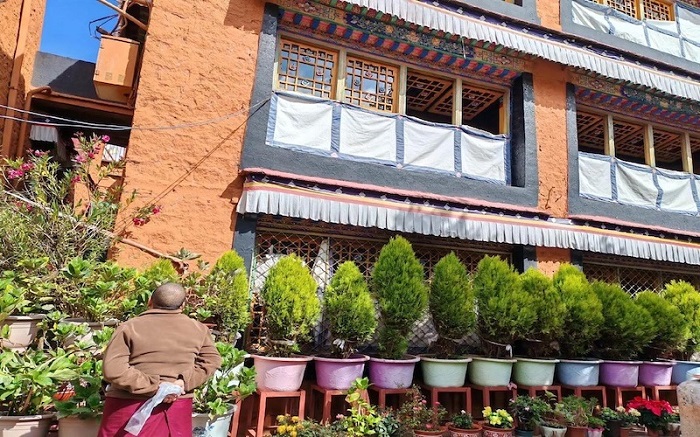
Tsangkang Nunnery
Immersive Experience of Exploring Tsangkang Nunnery
The Simple Beauty of Tibetan Architecture
- Overall Style: Integrates the simple and minimalist style of the Tubo Period with the classic elements of Tibetan Buddhist architecture. Built on mountains and arranged in a scattered way, it integrates with the natural environment without too many fancy decorations, showing simple solemnity and bearing the traces of years.
- Main Assembly Hall (Core Building): A stone structure presided over by Gyaltsab Je, well preserved after thousands of years; adopts Tibetan stone-wood structure, with blue stone walls thick and firm, and Tibetan golden roofs solemn but not publicized. The eight stone pillars inside are carved with exquisite Buddhist patterns, which are still clearly distinguishable.
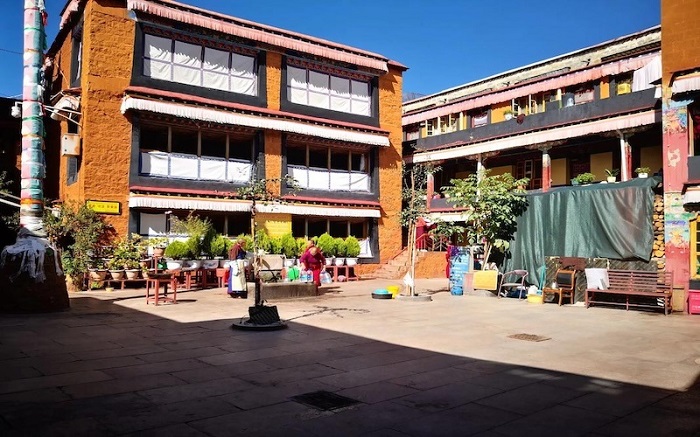
- Other Main Buildings: Nunneries are distributed around the assembly hall, mostly two-story stone-wood structures, with white walls and exquisite doors and windows, which are the places for nuns’ daily practice and residence; prayer corridors surround the core area, with prayer wheels engraved with scriptures, which is an important embodiment of Tibetan Buddhist culture; the pagoda is small in scale but exquisitely shaped, carved with Buddha statues and scriptures, and is a landmark building of the nunnery.
- Courtyard Landscape: Plants with Tibetan characteristics are planted, with pines and cypresses standing tall and flowers and plants dotted, which set off the simple buildings and create a quiet and peaceful atmosphere, suitable for strolling to feel the quiet years and the power of faith.
Must-Visit Core Attractions
The landscapes of Tsangkang Nunnery are not grand, but they combine humanistic heritage and natural beauty. Each landscape has a unique significance, worth savoring carefully. Here is a list of core attractions not to be missed:
- Songtsen Gampo’s Meditation Cave: The origin of Tsangkang Nunnery and the most historically significant landscape of the nunnery. The meditation cave is located on the mountainside deep in the nunnery. The entrance is not large, the internal space is simple, and the stone slabs used by Songtsen Gampo for closed practice are still preserved in the cave. Inscriptions and Buddha statues are carved on the stone walls. Standing in the cave, you can feel the piety of Songtsen Gampo practicing closed-door cultivation a thousand years ago.
- Murals in the Main Assembly Hall: The murals in the assembly hall are the artistic treasures of Tsangkang Nunnery, all carefully drawn by artists of past dynasties. Even after a thousand years, they are still bright in color and clear in lines. The murals are rich in content, mainly depicting the life story of Sakyamuni, Je Tsongkhapa’s missionary journey, various Buddha statues of Tibetan Buddhism, and landscapes. Each mural is vivid, containing profound cultural connotation of Tibetan Buddhism, and is an important carrier to understand Tibetan Buddhist art.
- Main Buddha Statues: The main assembly hall enshrines main Buddha statues such as the Eleven-Faced Guanyin clay statue, Amitabha, Padmasambhava, and Green Tara. The Buddha statues are exquisitely shaped, solemn in expression, and exquisite in craftsmanship. Among them, the Eleven-Faced Guanyin clay statue is the core Buddha statue of Tsangkang Nunnery. With a kind and vivid face, it is the main target for nuns to recite scriptures and pray daily, and also the core goal for religious believers to come to worship.
- Courtyard Landscape: Although the courtyard of Tsangkang Nunnery is not large, it is exquisitely arranged. There are plants such as pines and cypresses and Gesang flowers planted in the courtyard, with scenery in all seasons. In spring, Gesang flowers bloom in competition, setting off the simple buildings; in summer, pines and cypresses are lush, adding a touch of coolness to the courtyard; in autumn, the leaves are golden, setting off with the white walls; in winter, the whole nunnery is covered in snow, like a fairyland, making it an excellent place to take photos and check in.
Feeling the Pure Religious Atmosphere
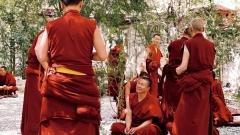
- Overall Atmosphere: Tsangkang Nunnery retains rigorous religious rituals and practice traditions, with rich religious activities. Travelers can immerse themselves in the pure Tibetan Buddhist atmosphere without disturbing the nuns’ practice.
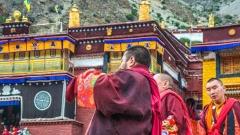
- Daily Practice: The nuns practice regularly every day. From 8:00 a.m. to 6:00 p.m. is the time for reciting scriptures and learning. They will gather in the main assembly hall to recite scriptures with a melodious sound; during this period, local believers come to make offerings and put forward prayer demands, and the nuns will recite scriptures as promised.
- Festival Activities: On important Buddhist festivals such as Losar (Tibetan New Year), Shoton Festival, and Yarlha Festival, the nunnery will be decorated with a new look, holding grand ceremonies such as reciting scriptures and dancing gods. Believers gather to worship, and travelers can feel the strong festival atmosphere and Tibetan customs.
- Visiting Notes: When watching religious activities, you must abide by the nunnery’s regulations, keep quiet, take photos casually, and do not disturb the nuns’ practice, respecting local religious beliefs and customs.
Tsangkang Nunnery
Practical Travel Guide: Easy Travel Without Pitfalls
Transportation Guide
Tsangkang Nunnery is located at the foot of Re Village Mountain in the eastern suburbs of Lhasa City. It is not far from the urban area of Lhasa, and the transportation is very convenient. Travelers can choose a suitable transportation method to go according to their own situation:
- Public Transport: Travelers can take the bus bound for Re Village in the urban area of Lhasa. After getting off at Re Village Station, walk for about 15-20 minutes to reach Tsangkang Nunnery. The bus fare is affordable, suitable for travelers with limited budgets. Along the way, you can also enjoy the street scenes of Lhasa urban area and Tibetan dwellings, and feel the local life atmosphere.
- Taxi/Hailing: This is the most convenient way to travel. Travelers can take a taxi or book a ride at any place in the urban area of Lhasa to go directly to Tsangkang Nunnery. The driving distance is about 10-15 minutes, and the fare is about 20-30 RMB, suitable for travelers pursuing convenience and saving time.
- Self-Driving: If travelers drive to Lhasa, they can directly navigate to Tsangkang Nunnery. There are a few parking spaces around the nunnery for convenience. The advantage of self-driving is that the itinerary is flexible, and you can enjoy the plateau scenery along the way, suitable for family travelers or travelers traveling with friends.
Ticket & Opening Hours
To help travelers better plan their itinerary and avoid running empty, the following is a detailed introduction to the ticket information and opening hours of Tsangkang Nunnery:
- Ticket Price: Tsangkang Nunnery has free tickets, no need to book in advance, and travelers can go directly to visit. However, the nunnery accepts voluntary offerings from believers and travelers, with the amount of offerings unlimited. It is mainly used for the renovation of the nunnery and the daily expenses of the nuns.
- Opening Hours: The opening hours of the nunnery are 9:00-17:00 every day. It is recommended that travelers try to go between 9:00-11:00 in the morning or 14:00-16:00 in the afternoon. There are few tourists during this period, which allows you to enjoy the nunnery’s landscape quietly and feel the quiet atmosphere of the nunnery better. It should be noted that some areas of the nunnery may be temporarily closed during the collective scripture recitation of the nuns. Travelers can consult the nunnery staff in advance.
- Playing Duration: Tsangkang Nunnery is not large in scale. The recommended playing duration is 1.5-2 hours, which is enough for travelers to finish visiting the core landscapes of the nunnery and understand the nunnery’s historical culture. If you want to deeply feel the atmosphere of the nunnery, you can appropriately extend the playing time.
Respecting Customs & Civilized Travel
Tsangkang Nunnery is an important practice place for Tibetan Buddhism, with strict religious customs and regulations. Travelers must strictly abide by the following notes when visiting to achieve civilized travel and respect local customs:
- Dressing Requirements: When visiting the nunnery, you must dress appropriately and solemnly. Avoid exposed clothes such as shorts, skirts, and vests. It is recommended to wear long pants and long-sleeved tops to show respect for religious beliefs. At the same time, avoid wearing too bright and exaggerated clothes, and maintain a simple dressing style.
- Code of Conduct: After entering the nunnery, you must keep quiet, no noise or fighting, do not touch religious items such as Buddha statues, murals, and prayer wheels casually, do not take photos or videos casually, especially during the nuns’ scripture recitation and practice, photography and disturbance are strictly prohibited. If you want to take photos, you must consult the nunnery staff in advance and only take photos with permission.
- Religious Etiquette: When entering the main gate of the nunnery, you must step over the threshold and do not step on it. Men take their left foot first, and women take their right foot first, meaning to step over the frustrations in one go. When offering incense, it is recommended to only offer 3 incense sticks. Do not discard incense ash casually. If the incense burner is full, you can put the incense on the next incense stand next to it without squeezing hard. When communicating with nuns, you must be polite, slow down your speech, and avoid asking privacy questions.
- Other Notes: The altitude around the nunnery is about 3650 meters. Travelers should pay attention to preventing altitude sickness. You can prepare items such as Gaoyou’an and oxygen cylinders in advance to avoid strenuous exercise. At the same time, there are no restaurants or shops around the nunnery. It is recommended that travelers prepare drinking water and a small amount of snacks in advance. After the visit, you must take away the garbage to keep the nunnery clean.
Recommended Surrounding Attractions
Tsangkang Nunnery is located in the eastern suburbs of Lhasa. There are many cultural landscapes and natural attractions worth visiting around. Travelers can connect Tsangkang Nunnery with surrounding attractions to plan a rich Lhasa cultural journey:
- Jokhang Temple: About 5 kilometers away from Tsangkang Nunnery, it is one of the oldest temples in Lhasa and a sacred place in the hearts of Tibetan Buddhist believers. The temple enshrines the 12-year-old statue of Sakyamuni, and the incense is prosperous. Travelers can go to Jokhang Temple after visiting Tsangkang Nunnery to feel the strong religious atmosphere and appreciate the exquisite buildings and murals.
- Barkhor Street: Adjacent to Jokhang Temple, it is the most distinctive old street in Lhasa. Tibetan dwellings, shops, and temples are scattered on both sides of the street, full of strong Tibetan style. Travelers can stroll on Barkhor Street, feel the local life atmosphere, buy Tibetan characteristic handicrafts, and also follow local believers to turn the prayer wheels to experience the traditional customs of Tibetan Buddhism.
- Ramoche Temple: About 6 kilometers away from Tsangkang Nunnery, it was built in the Tang Dynasty. It was选址 and built by Princess Wencheng personally. The temple enshrines the 8-year-old statue of Sakyamuni. The architectural style integrates Han and Tibetan styles, with distinctive features. Ramoche Temple is not large in scale, but it is quiet and simple, suitable for travelers who like quiet to visit.
- Lhasa River Scenic Belt: About 3 kilometers away from Tsangkang Nunnery, it is a good place for Lhasa citizens to relax and take a walk, and also an excellent place to enjoy the scenery of the Lhasa River. Travelers can go to the Lhasa River Scenic Belt after visiting Tsangkang Nunnery, stroll along the river, enjoy the magnificent scenery of the plateau river, and feel the natural beauty of Lhasa.
Tsangkang Nunnery
Accommodation and Food Recommendations
If travelers plan to stay around Tsangkang Nunnery, they can refer to the following accommodation and food recommendations to unlock authentic Tibetan characteristic experiences and make their travel more comfortable and pleasant:
Accommodation Recommendations
- Tibetan-style Homestay: There are many characteristic Tibetan-style homestays around Tsangkang Nunnery. The homestay buildings are simple in style, the interior decoration is full of Tibetan elements, the rooms are clean and comfortable, and the price is affordable, usually around 100-200 RMB per night. Living in a Tibetan-style homestay, you can experience the Tibetan lifestyle, taste authentic Tibetan breakfast, and communicate with the homestay owner to understand the local customs and traditions.
- Urban Hotel: If travelers like convenient and comfortable accommodation environment, they can choose to stay in the urban area of Lhasa. It is not far from Tsangkang Nunnery, with convenient transportation. There are various types of hotels, from budget hotels to high-end hotels, which can be selected according to the personal budget.
Food Recommendations
- Tibetan Butter Tea: A characteristic Tibetan drink, with mellow taste and moderate salty taste. It has the effect of dispelling cold and resisting altitude sickness. It is one of the must-taste foods when going to Lhasa. It can be tasted in Tibetan-style homestays and restaurants around Tsangkang Nunnery.
- Zanba: A traditional Tibetan staple food, made from highland barley flour. It has a rough taste but is rich in nutrition. It can be eaten with butter tea for a better taste. It is an important choice to experience Tibetan food culture.
- Tibetan Noodles: Characteristic Tibetan noodles, with chewy noodles and rich soup. Usually served with beef, mutton and other ingredients, it is delicious and affordable. It is one of the staple foods eaten by local residents daily, suitable for travelers as lunch or dinner.
- Tibetan Yogurt: Thick in texture, sweet and sour, without additives. It is a natural and healthy food, which can be used as a dessert after meals. It can be bought in shops around Tsangkang Nunnery.
The Unique Significance of Traveling in Tibet
In Lhasa, there are many famous temples, but Tsangkang Nunnery has an irreplaceable unique charm, worth visiting for every traveler. Its significance lies not only in its thousand-year historical heritage but also in its unique tranquility and purity.
As the oldest nunnery in Lhasa, Tsangkang Nunnery is free from commercial hustle and bustle and excessive tourists, with only the piety of nuns who devote themselves to practice and the tranquility and serenity of the nunnery. Walking here, you can let go of the impetuosity of the city, calm down, feel the peace of the years, listen to the melodious sound of scripture recitation, touch the traces of history, and let your soul be purified and baptized.