
Every winter, the air in the Huangzhong Basin grows crisp, and the ancient cypresses around Ta’er Monastery sway gently in the cold breeze. At this quiet moment, the Amdo region of Tibet prepares for one of the most solemn and dazzling days of the year — the Ta’er Monastery Butter Lamp Festival.
This festival commemorates the passing of Je Tsongkhapa, the founder of the Gelug school of Tibetan Buddhism. Over six centuries ago, at the age of 63, Tsongkhapa passed away at Ganden Monastery in Tibet, and countless butter lamps were lit across the snowlands. Since then, the 25th day of the 10th Tibetan lunar month has become a day of profound spiritual significance.
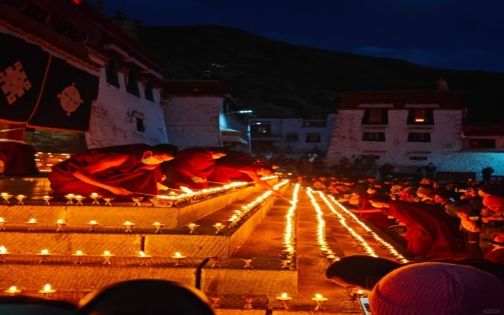
In his hometown, faith and remembrance are at their peak. Every windowsill, every shrine, and every temple hall glows with pure butter lamps. The lights of Ta’er Monastery shine through the night, accompanied by the whispered chants drifting on the smoke:
“Homage to you, Je Rinpoche; remembering you, Precious Buddha.”
Lantern Festival
✨ 1. A Millennia-Old Tradition: The Origins of the Butter Lamp Festival
The Butter Lamp Festival (Gaden Arc) is not only a commemoration of Tsongkhapa but also a cultural tradition spanning over a thousand years.
1. Princess Wencheng and the Origin of Butter Flowers
In 641 AD, Princess Wencheng entered Tibet, bringing a statue of the 12-year-old Shakyamuni Buddha. In the absence of flowers during winter, devotees crafted offerings from butter, marking the beginning of Tibetan butter art.
2. Je Tsongkhapa’s Legacy
In 1409, Tsongkhapa instituted the Chöde Ceremony in Lhasa, incorporating butter lamps and butter flowers into key religious rituals. Later, this art form was brought to his birthplace, Ta’er Monastery, gradually evolving into a grand festival.
3. Ta’er Monastery: The Pinnacle of Butter Flower Art
Over 400 years, Ta’er Monastery has become renowned for:
-
Butter Flowers
-
Wall Paintings
-
Pile Embroidery
Together known as the “Three Treasures of Ta’er Monastery,” with butter flowers as the festival’s shining highlight.
🖌️ 2. Crafting Butter Flowers: The Art of Ice and Fire
Butter flowers are precious not only for their beauty but also for the arduous process of creation.
1. Carving in the Cold
Butter melts easily, so monks work in freezing conditions, often:
-
Immersing hands in ice water
-
Spending hours in subzero rooms
-
Occasionally suffering frostbite
Every flower embodies devotion and discipline.
2. The Four-Step Sacred Process
-
Frame Building: Using grass, bamboo sticks, and rope to shape the outline
-
Initial Mold: Mixing old butter with plant ash, repeatedly kneaded
-
Coloring & Shaping: Applying mineral pigments layer by layer
-
Assembly & Finishing: Fixing pieces on wooden panels to form a three-dimensional artwork
3. Upper & Lower Flower Workshops: Friendly Competition
-
Upper Workshop: Grand Buddhist stories
-
Lower Workshop: Fine depictions of figures, flowers, and birds
Every year, they present astonishing new works for the festival.
Lantern Festival
🏮 3. Experiencing the Festival: Ta’er Monastery’s Night of Light
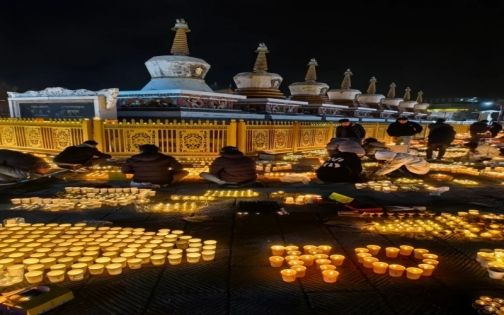
During the festival, Ta’er Monastery transforms into a luminous palace.
1. Best Time to Watch
📌 Lighting Ceremony: After sunset until late night
📌 Top Spots: Temple roofs, courtyards, pagodas
📌 Atmosphere: Thousands of butter lamps illuminate the monastery, creating a scene like a crystal world
2. Festival Highlights
① Lamp Offerings
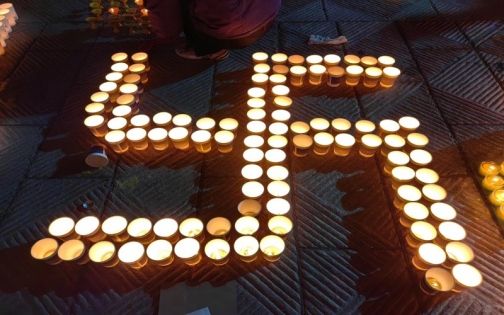
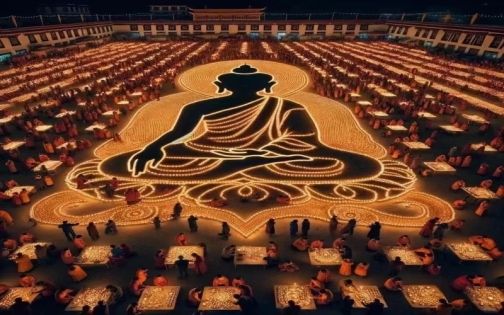
Monks light butter lamps on temple roofs, corridors, pagodas, steps, and altars, blending light with water offerings.
② Cham Dance
Masked monks dance to drumbeats, performing rituals to dispel evil and bring blessings.
③ Local Celebrations
Locals and visitors circumambulate clockwise around the monastery, accompanied by lion dances, dragon dances, and yak dances — lively yet respectful.
⛰️ 4. Traveler’s Practical Guide
🕒 Arrival Time
25th day of the 10th Tibetan lunar month (December 14, 2025)
-
Recommended arrival: 15:00–16:00
-
Lighting starts: 18:30
-
Arrive early to avoid peak crowds
🏨 Accommodation
Due to popularity, book early:
-
Shambaling Hotel
-
1.5 km from Ta’er Monastery
-
Parking available
-
On-site restaurant
-
Comfortable stay with festival discounts
-
🕯️ Butter Lamps
-
Purchase on-site or from local shops
-
Use odd numbers (considered auspicious)
-
Ask locals for advice on sizes and types
🥣 Traditional Food
-
Tsampa Tea Porridge: Barley flour with tea and salt, sold at local stalls
🚗 Transportation
-
Monastery is vehicle-free
-
Limited parking nearby
-
Expect possible traffic controls during the festival
📵 Etiquette & Restrictions
-
Do not touch butter flowers
-
Circumambulate clockwise
-
No loud talking
-
No flash photography inside halls
-
Remove hats inside
Lantern Festival
📸 5. Photo & Inspiration Spots
📍 Must-Capture Locations
-
Main Golden Hall: Grand backdrop of gold roof + colorful butter flowers
-
Ruyi Tower: Dense sea of lights, visually stunning
-
Corridors & Lighting Zones: Monks, lamps, and devotees create story-rich scenes
👤 Cultural Moments
-
Elderly Tibetans turning prayer wheels
-
Monks carefully sculpting butter flowers
-
Children and elders lighting lamps
-
Smoke drifting from butter lamps
These moments convey the festival’s devotion more than mere aesthetics.
🙏 6. Je Tsongkhapa: The Heart of the Festival
Je Tsongkhapa (1357–1419), founder of the Gelug school, is revered as the “Second Buddha.”
-
Mastered Buddhist texts before 30
-
Authored The Great Treatise on the Stages of the Path to Enlightenment at 31
-
Expert in both Sutra and Tantra
-
Considered an incarnation of Manjushri Bodhisattva
-
Profound influence on Tibetan Buddhism
His disciples’ passing dates coincide with the festival (October 24–26, Tibetan lunar calendar), making this a three-day celebration of the Gelug school’s great masters.
Lantern Festival
🌌 7. Conclusion: One Lamp, One Path, One Wish
Standing amidst Ta’er Monastery’s glowing lamps, visitors feel more than awe.
It is not just spectacle,
It is not just beauty,
It is a timeless, quiet power of faith —
Shining in each lamp, warming every heart.
For those planning a winter journey,
the Ta’er Monastery Butter Lamp Festival will become a memory illuminated by faith and light.