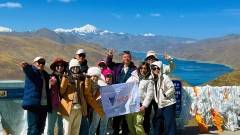

When researching a trip to Tibet, many international travelers quickly encounter two similar but often misunderstood terms: the Tibet Autonomous Region and Greater Tibet. Although they are frequently used interchangeably online, they represent two very different ideas. Understanding the distinction is not only important for cultural accuracy, but also essential for realistic travel planning.
This difference directly affects permit requirements, route design, travel flexibility, and even how you experience Tibetan culture on the ground. Clarifying these concepts before departure can save time, reduce stress, and significantly improve your overall journey.
What the Tibet Autonomous Region Means for Travelers
The Tibet Autonomous Region, often abbreviated as TAR, is an officially defined provincial-level administrative region of China. It has clearly established borders, a regional government, and specific travel regulations that apply to both domestic and international visitors. Lhasa serves as the regional capital, while other major areas include Shigatse, Nyingchi, Chamdo, Shannan, Nagqu, and the remote Ngari Prefecture.
For international travelers, the most critical point is that entry into the Tibet Autonomous Region requires special authorization. In most cases, foreign travelers must obtain a Tibet Travel Permit arranged in advance through a licensed travel agency. Without this permit, travelers cannot board flights or trains to Lhasa, nor legally travel within most parts of the region.
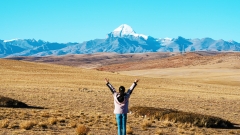
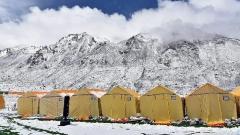
Many of Tibet’s most iconic landmarks are located entirely within the Tibet Autonomous Region. These include the Potala Palace, Jokhang Temple, Namtso Lake, Mount Everest Base Camp on the northern side, Tashilhunpo Monastery, and Mount Kailash. Travelers whose primary goal is to see these destinations must plan specifically for travel within the TAR framework.
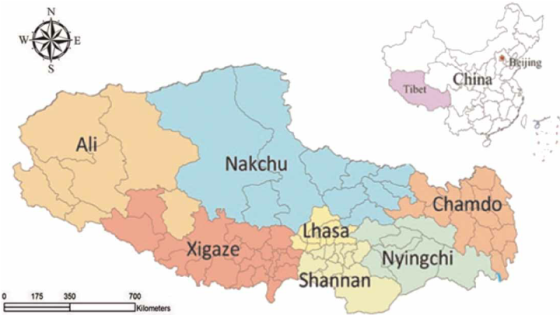
Tibet Autonomous Region
Understanding Greater Tibet as a Cultural Region
Unlike the Tibet Autonomous Region, Greater Tibet is not an administrative or political unit. It is a cultural and historical term used to describe the broader geographical area where Tibetan people, Tibetan Buddhism, and Tibetan traditions have flourished over centuries.
This cultural region extends far beyond the modern borders of the TAR. Large Tibetan communities live in western Sichuan, northern Yunnan, much of Qinghai, and parts of southern Gansu. These areas maintain strong Tibetan cultural identities despite being governed by different provincial administrations.
Destinations such as Shangri-La in Yunnan, the Tibetan areas of western Sichuan, Labrang Monastery in Gansu, and Ta’er Monastery in Qinghai are often described as part of Greater Tibet. While they are not located within the Tibet Autonomous Region, their religious practices, architecture, and daily life remain deeply rooted in Tibetan culture.
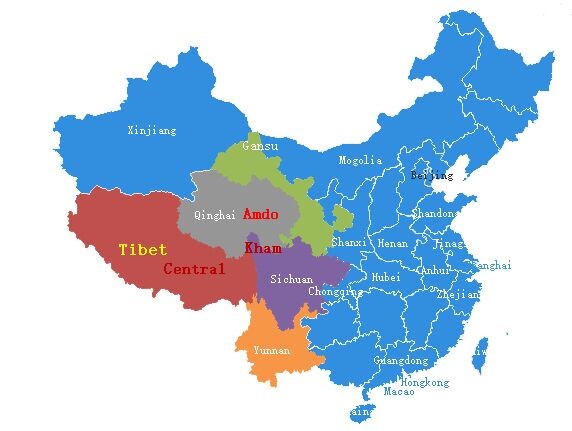
Map of Tibetan Areas and Tibet Autonomous Region in China
Why This Distinction Matters When Planning Your Trip
The difference between the Tibet Autonomous Region and Greater Tibet has direct practical consequences for travelers. Travel within the TAR is tightly regulated. Permits must be secured in advance, itineraries are structured, and transportation is typically arranged through licensed operators. Distances between destinations are vast, and altitude levels are consistently high.
In contrast, many areas considered part of Greater Tibet offer greater flexibility. Permit requirements are generally minimal, transportation options are more diverse, and altitude changes tend to be more gradual. For first-time visitors to the Tibetan Plateau, these regions often provide a smoother introduction to high-altitude travel and Tibetan culture.
Understanding this distinction allows travelers to choose a route that aligns with their physical comfort, available time, and travel expectations.
Choosing the Right Region Based on Travel Goals
Travelers whose primary dream is to experience the spiritual and symbolic heart of Tibet—such as Lhasa, Mount Everest from the Tibetan side, or Mount Kailash—will inevitably need to focus on the Tibet Autonomous Region. These journeys require careful preparation, realistic pacing, and professional logistical support.
For travelers more interested in cultural immersion, monastery life, village traditions, and varied landscapes, Greater Tibet offers a wide range of rewarding alternatives. Cultural expressions vary subtly from region to region, enriching the understanding of Tibetan civilization beyond a single location.
Many experienced travelers eventually choose to explore both, often beginning in Tibetan regions outside the TAR before entering the Tibet Autonomous Region once they are better acclimatized.
Altitude, Distance, and Travel Reality on the Tibetan Plateau
One of the most common misunderstandings among international visitors is underestimating the scale and altitude of Tibet. Within the Tibet Autonomous Region, even short distances on a map can involve long hours of driving across high-altitude terrain. Altitude-related fatigue is a real consideration and must be factored into travel planning.
In Greater Tibet regions, towns are often closer together and altitude transitions are more gradual. This allows for a more relaxed travel rhythm and makes these areas particularly appealing for travelers new to highland environments.
Regardless of destination, allowing time for rest and adaptation is essential for a safe and enjoyable journey.
The Value of Professional Travel Support
For travel involving the Tibet Autonomous Region, professional support is strongly recommended. Permit applications, transportation coordination, accommodation planning, and contingency handling all require local expertise and up-to-date regulatory knowledge.
China Dragon Travel specializes in planning Tibet and Greater Tibet journeys for international travelers. Beyond permit arrangements, the team provides strategic guidance on destination selection, altitude adaptation, and cultural considerations, helping travelers make informed decisions before they arrive.
This level of support is especially valuable for travelers unfamiliar with China’s administrative systems or high-altitude travel conditions.
Cultural Awareness and Responsible Travel
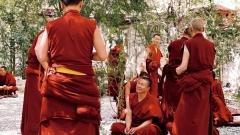
Tibetan regions are living cultural landscapes, not open-air museums. Monasteries remain active religious centers, and local customs are deeply respected within communities. Travelers are encouraged to approach these places with sensitivity and humility.
Respectful behavior, modest dress in religious spaces, and asking permission before photographing people contribute to meaningful and positive interactions. Responsible travel helps preserve the cultural integrity of Tibetan regions for future generations.
Clear Understanding Leads to Better Travel Experiences
Understanding the difference between the Tibet Autonomous Region and Greater Tibet is the foundation of successful travel planning. One represents an administrative reality with specific regulations, while the other reflects a vast cultural world that extends beyond political borders.
With this clarity, travelers can plan more effectively, set realistic expectations, and experience Tibetan regions with deeper appreciation. Whether exploring the streets of Lhasa or a quiet valley in western Sichuan, informed preparation transforms a journey into a truly meaningful experience.
For those seeking expert guidance, China Dragon Travel offers professional support in designing safe, culturally respectful, and well-prepared journeys across Tibet and Greater Tibet.