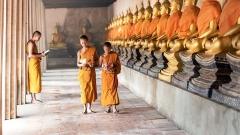

Tibet is a land where sacred beliefs meet magnificent scenery, and its festival culture reflects the Tibetan spirit and the life. Most Tibetan festivals are calculated according to Tibetan calendar, which does not align with the Chinese lunar or Gregorian calendars, so their dates vary each year. 2026 is the Fire Horse Year in the Tibetan calendar (the 2143rd year of the Tibetan calendar), with activities taking place throughout the year. From solemn rituals to folk celebrations, all embody the Tibet’s affection for faith, nature and life. This calendar sorts out Tibet’s major festivals in 2026, including dates, activity features and notes, helping your Tibetan trip successful.
Festival Notes for Tibet in 2026
Most Tibetan festivals are closely linked to Tibetan Buddhism and the Tibetan calendar. These festivals are not only important spiritual and social events for local people, but also offer tourists an excellent window for an immersive experience of Tibetan culture. When participating in the festivals, it is essential to respect local customs and religious etiquettes. Note that transportation and accommodation may be in short supply during festivals, so it is recommended to plan your itinerary in advance.
- Tibetan Calendar vs Gregorian Calendar: The 2026 Tibetan New Year (Losar) starts on February 18, 2026 in the Gregorian calendar, the first day of the first month of the Tibetan Fire Horse Year. Most other festivals are calculated based on this date.
- Festival Classification: Festivals are roughly divided into religious ceremonies, folk customs and seasonal activities.
- Participation Etiquette: When entering temples or participating in religious activities, dress modestly, take off your hat and keep quiet. Do not take photos of monks or rituals without permission. Circumambulate temples and pray along prayer wheels in a clockwise direction.
- Travel Advice: During major festivals (such as Tibetan New Year and Shoton Festival), Lhasa and major towns are crowded with people. Flights, train tickets and hotels need to be booked several months in advance. On the day of some festivals, scenic spots or shops may shorten business hours or close, so it is advisable to keep your itinerary flexible.
Understanding and respecting the cultural connotations behind the festivals will make your participation more than just watching, but an in-depth dialogue with the soul of Tibet.
Monthly Festival Details for Tibet in 2026
Tibet’s festivals carry unique historical memories and collective emotions. From solemn religious ceremonies at the turn of winter and spring, to lively celebrations in midsummer and golden autumn, and warm commemorations at the end of the year, they fully present the harmonious symphony of Tibetan spiritual beliefs and secular life. The table below summarizes the names, nature and estimated Gregorian dates of Tibet’s major festivals in 2026, providing clear guidance for your itinerary planning.
| Names | Nature | Date |
|---|---|---|
| Butter Lamp Festival | Religious Commemoration | January 12 |
| Gutor Night | Folk Religious Activity | February 16 |
| Tibetan New Year | Major Traditional Festival | February 18 |
| Monlam Chenmo Festival | Large-scale Religious Ceremony | February 20 – March 14 |
| Butter and Lantern Festival | Monlam Chenmo Festival Highlight | March 4 |
| Cho Chu Ser Bon Festival | Religious Commemoration | Late March to Early April |
| Saga Dawa Festival | Major Religious Festival | May 20 |
| Gyantse Horse Racing Festival | Folk Competitive Festival | Late May to Early June |
| Lingka Festival | Folk Garden Activity | May to July |
| Shoton Festival | Grand Folk Festival | Mid-August |
| Nagqu Horse Racing Festival | Grassland Event | Late August |
| Wangguo Festival | Farming Sacrifice Festival | July to September |
| Festival of the Descent of the Gods | Religious Commemoration | October 20 |
| Goddess Festival | Women’s Festival | November 19 |
In-depth Analysis of Tibet Festivals in 2026
Tibet’s festivals follow an annual cycle, systematically presenting the Tibetan people’s spiritual beliefs, ecological wisdom and community life. From quiet and profound religious ceremonies, to lively and exuberant folk celebrations, and seasonal rituals that dance to the rhythm of nature, each festival is a unique window leading us into the cultural fabric and spiritual world of the snow-covered plateau.
- Religious Ceremony Festivals: Rooted in Tibetan Buddhist doctrines and historical events, these festivals emphasize collective scripture recitation, offerings and meditation, and are important times for believers to accumulate merit and seek blessings. For tourists, this is a perfect moment to experience the Tibetan people’s supreme reverence for their spiritual teachers in a quiet and solemn atmosphere.
- Seasonal Festivals: Tibet’s survival and development are closely linked to the natural environment, and these festivals directly reflect this interdependence. Participating in these festivals will give you a deep understanding of how the plateau people have created a vibrant and beautiful way of life in harmony with the rhythms of nature in this vast and lofty land.
- Folk Festivals: Often associated with agricultural seasons and seasonal changes, these festivals are full of the warmth of human life and community interaction, with strong rituals of bidding farewell to the old and welcoming the new, embodying gratitude for nature’s gifts and wishes for good fortune in the new year.
When planning your trip, you may take festivals as anchor points, turning your Tibet trip from a simple sightseeing tour into an in-depth cultural immersion that dialogues with history, dances with nature and celebrates with local people. This is not just a trip, but a vivid understanding and perception of life, faith and a harmonious life.
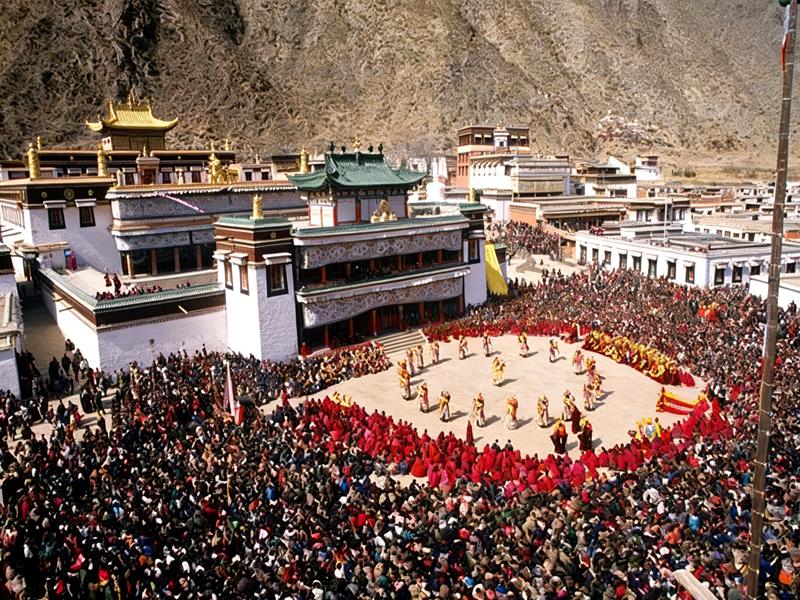
Solemn Tibetan Religious Festival
Recommended Tibetan Festivals in 2026
Although Tibet’s festivals follow an annual cycle, each has its unique cultural connotation and value. It is recommended to choose the most suitable festivals to participate in according to your personal interests and travel time, making your Tibet trip an unforgettable cultural exploration. The following are the unmissable Tibetan festivals in 2026:
- Butter Lamp Festival (January 12): As the first major festival of 2026, the Butter Lamp Festival is an excellent opportunity to experience the solemn atmosphere of Tibetan Buddhism. On this night, thousands of butter lamps will be lit in major temples and believers’ homes in Lhasa, forming a magnificent and bright scene. It is recommended to visit the Jokhang Temple, Ganden Monastery and other places to feel the Tibetan people’s deep memory of Master Tsongkhapa in a quiet and solemn atmosphere.
- Monlam Chenmo Festival (February 20 – March 14): Tibet’s most grand traditional festival, kicking off with Gutor Night on February 16. During the entire New Year period, Tibetan families gather together, exchange Hadas, taste Kapse (fried pastries), and the festive atmosphere pervades everywhere. It is recommended to arrive in Lhasa in advance to participate in pre-New Year preparations such as thorough cleaning and painting auspicious patterns, and deeply experience Tibetan customs of welcoming the new year.
- Shoton Festival (Mid-August): Known as Tibet’s grandest folk festival, the Shoton Festival combines religious rituals with folk revelry. During the festival, the Buddha Unveiling Ceremony at Drepung Monastery is magnificent, and the Tibetan opera performances at Norbulingka are wonderful. Tourists can watch the Buddha statue during the day, enjoy Tibetan operas in the afternoon and taste yogurt at night, experiencing the joyful festival atmosphere in an all-round way.。
It is recommended to choose 1-2 key festivals for in-depth experience to avoid an overly tight or scattered itinerary. Accommodation and transportation for popular festivals need to be booked 3-4 months in advance.
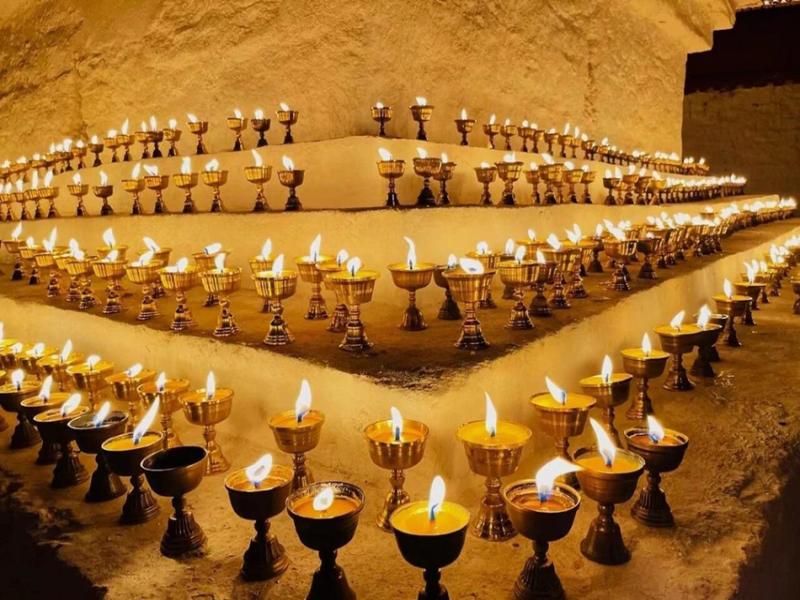
The Ritual Tibetan Lantern Festival
Tips for Tibet Festivals in 2026
Participating in Tibet’s festivals is an in-depth experience that transcends cultural and geographical boundaries. These practical tips will not only help you avoid common travel troubles, but also allow you to truly integrate into the core festive atmosphere, elevating a simple sightseeing tour to an unforgettable cultural exchange:
- Date Confirmation: The Gregorian dates of Tibetan lunar festivals change every year. Be sure to check the latest festival calendar of the year before departure, which can be referenced on the official website of the Tibet Tourism Bureau or consulted with local travel agencies.
- Accommodation and Transportation: During festival peak periods, be sure to book flights, train tickets and hotels 2-3 months in advance. Note that there may be no transportation to remote areas on the first day of festivals.
- Photography Etiquette: Always obtain permission before taking photos at religious rituals, Buddha Unveiling Ceremonies, religious ceremonies and other occasions, and do not use flash. Avoid taking direct photos of believers prostrating themselves or praying devoutly.
- Health and Safety: Festivals are crowded, so keep an eye on your personal belongings. The plateau climate is changeable, and most festive activities are held outdoors, so prepare adequate sun protection and warm clothing. Avoid overexertion to prevent altitude sickness.
- Consumption Preparation: Prepare enough small-denomination banknotes (such as 1 yuan and 5 yuan) for almsgiving, offering butter lamps or buying snacks.
- Mindset Adjustment: During festivals, the service pace may slow down and scenic spots may be crowded. Please remain patient and understanding, and integrate into the local festive or solemn atmosphere.
Tibet Festivals: Window to Tibetan Culture
Tibet’s festivals are the flames of faith, the songs of the nation, and the odes to the rhythms of nature. Rooted in the Tibetan people’s daily life and spiritual world, these festivals show their wisdom of living in harmony with heaven and earth. This carefully compiled 2026 festival calendar is a window for you to understand Tibetan culture. It is not only a time list, but also a cultural map and experience guide, helping you plan your itinerary in advance and understand the origin and significance of each festival. May it help you find your own spiritual coordinates, and walk into Tibetan culture with understanding and respect at the most appropriate time. May this festival calendar let you meet the most authentic and touching Tibet at the right time and leave unforgettable travel memories.