
This guide introduces a traditional pilgrimage route connecting Ganden Monastery east of Lhasa and Samye Monastery in Shannan, Tibet. The total route is about 80 kilometers through high-altitude areas. It crosses two 5,000-meter-plus passes, with the whole trail above 4,000 meters, requiring good physical fitness and altitude acclimatization. The route is suitable for hiking from May to October with stable weather. With a centuries-old history, it has no supply points, so hikers must carry all gear and food. This guide details route conditions, preparations and precautions to help you finish the journey safely.
Route Overview and Difficulty Level of the Ganden Monastery to Samye Monastery Hike
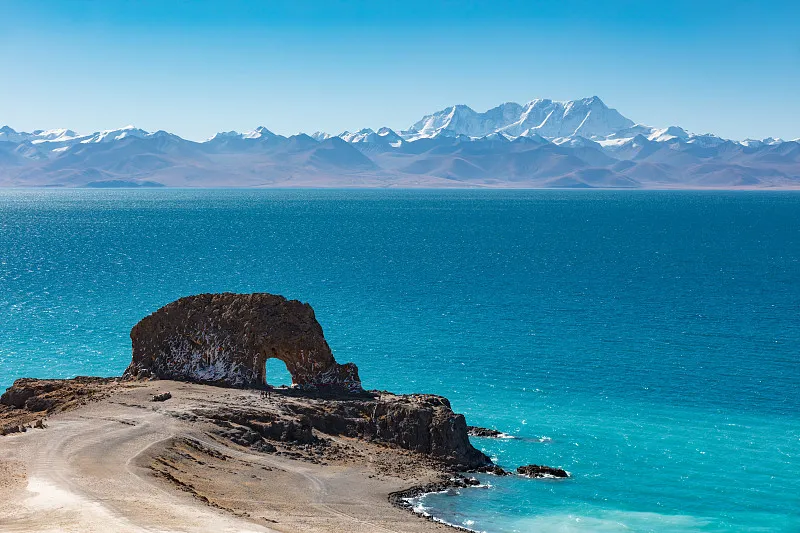
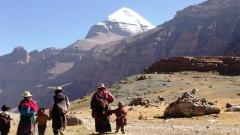
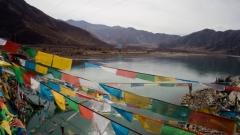
The hiking route from Ganden Monastery to Samye Monastery is a traditional pilgrimage path for Tibetan Buddhist followers. It is one of the most famous high-altitude hiking routes in Tibet for its plateau mountain scenery and multiple alpine lakes along the way.
- The whole route is about 70 to 80 kilometers, with the highest altitude of about 5,284 meters (Shukala Pass).
- Cross two passes over 5,000 meters: Shukala Pass (about 5,284 meters) and Chitula Pass (about 5,245 meters).
- The entire route is above 4,000 meters, with oxygen content about half of that in plain areas.
- The suitable season is from late April to late October, and the weather is the most stable from June to September.
- This route was officially opened to foreign hikers in 1985.
The whole journey takes place in high-altitude areas with much lower oxygen content than plain areas, making hikers prone to shortness of breath and significantly higher physical consumption than in low-altitude areas. Mountain weather changes rapidly, with sudden rain or snow possible. If you have no hiking experience above 4,000 meters, it is recommended to stay in Lhasa for a few days to acclimatize first. Lhasa is 3,650 meters above sea level, and living there for a few days helps your body gradually adapt to the plateau environment.
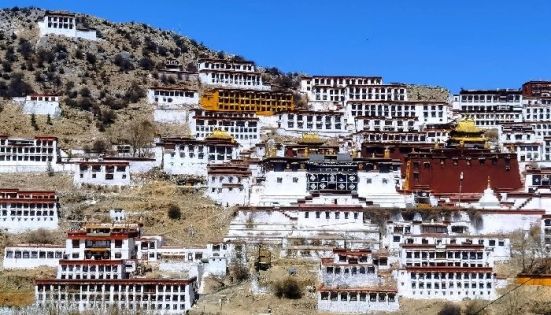
Distant view of Ganden Monastery
Stage-by-Stage Road Conditions and Accommodation Details of the Ganden Monastery to Samye Monastery Hike
The entire route can be divided into multiple stages. The road conditions, altitude changes and accommodation spots of each stage are introduced below in the common segmentation method, facilitating physical strength planning and item preparation in advance.
- Accommodation spots along the way fall into three categories: family hotels in villages, tent camps and guesthouses near monasteries.
- The section around Shukala Pass has the highest altitude, with strong wind and low temperature.
- The last section from Changda Village to Samye Monastery can be finished on foot or by local tractor.
- Heibu Village is the only inhabited village with accommodation along the way.
Road Conditions of the Starting Section from Ganden Monastery to Heibu Village
Start from Ganden Monastery and walk east along the ridge. The road is relatively gentle in the morning and has gentle slopes in the afternoon. The end of this section is Heibu Village, the only inhabited village along the way, with several families providing simple accommodation. This section is relatively relaxed, suitable as a warm-up for high-altitude hiking.
- The road is mainly dirt and gravel roads.
- Heibu Village has simple family hotels providing hot water and simple Tibetan noodles or instant noodles.
- No independent toilets or shower facilities are available.
Road Conditions of the Most Difficult Middle Section from Heibu Village to Chitula Pass
This section is the most difficult part of the whole route, requiring crossing the highest Shukala Pass (about 5,284 meters). Start from Heibu Village and walk up along the river valley. The trail is clear but at high altitude with thin oxygen, making hikers prone to shortness of breath. The wind strengthens and the temperature drops near the pass, so a windproof jacket is a must. Cross Shukala Pass and descend to the valley, pass a flat plateau meadow, and finally reach the camp near Chitula Pass.
- Shukala Pass, about 5,284 meters above sea level, is the highest point of the whole route.
- This section has the largest elevation gain and the highest physical consumption.
- There are alpine lakes for water intake along the way, but boiling before drinking is recommended.
- There are no villages near the camp, so you must bring your own tent for camping.
Road Conditions of the Final Section from Chitula Pass to Samye Monastery
Cross Chitula Pass (about 5,245 meters) and walk downhill all the way to Changda Village. Chitula Pass is also over 5,000 meters above sea level, but the elevation gain is slightly smaller than that of Shukala Pass. Vegetation increases gradually when descending from the pass, with trees and shrubs visible, indicating a continuous drop in altitude. The journey from Changda Village to Samye Monastery can be made on foot or by local tractor (if seats are available). The hiking trip ends upon arrival at Samye Monastery.
- Chitula Pass is about 5,245 meters above sea level.
- This section is mainly downhill and flat roads with low physical consumption.
- Tractors to Samye Monastery are sometimes available in Changda Village.
- There are hotels and guesthouses near Samye Monastery providing hot showers and regular meals.
Cultural Background of Ganden Monastery and Samye Monastery
The cultural value of this hiking route lies in connecting two important monasteries in the history of Tibetan Buddhism. Understanding basic information about the monasteries helps comprehend the cultural significance along the way.
- Ganden Monastery is the ancestral monastery of the Gelug Sect of Tibetan Buddhism, founded by Master Tsongkhapa in 1409.
- Ganden Monastery, Drepung Monastery and Sera Monastery are known as the Three Great Monasteries of Lhasa.
- Samye Monastery is the first monastery in Tibet with complete Buddha, Dharma and Sangha.
- The architectural style of Samye Monastery integrates three elements: Tibetan, Han and Indian styles.
Starting Point: Ganden Monastery
Ganden Monastery is located on a ridge about 60 kilometers east of Lhasa, about a 2-hour drive from Lhasa. Visitors can watch monks chanting sutras in the Coqen Hall. Hikers interested in Tibetan Buddhist culture can stay at Ganden Monastery for half a day.
End Point: Samye Monastery
Samye Monastery is located at the foot of Habu Mountain on the north bank of the Yarlung Tsangpo River in Zhanang County, Shannan, built in the Tubo Dynasty in the 8th century AD. The monastery is laid out according to Buddhist cosmology, and the central Buddhist hall integrates three architectural styles, hence it is also known as the Three-Design Monastery. It is recommended to spend half a day visiting Samye Monastery after the hike.
How to Reach China and Get to the Starting Point Ganden Monastery
Hikers from other regions need to first fly to major gateway cities in China, then transfer by flight or train to enter Tibet. The specific steps to reach Tibet and the hiking starting point are as follows.
- Fly from other regions to major cities such as Chengdu, Chongqing, Beijing and Shanghai first, then transfer by flight or train to enter Tibet.
- Chengdu and Chongqing have multiple daily flights to Lhasa Gonggar International Airport.
- The Xining-Lhasa section of the Qinghai-Tibet Railway is a classic experience, and train tickets are in short supply during peak seasons and need to be booked in advance.
- The drive from Lhasa to Ganden Monastery takes about 2 hours, covering about 60 kilometers.
International Transportation: Fly to China from Abroad
There are no direct flights to Tibet at present. Hikers usually fly to major gateway cities in China first, then transfer by flight or train to enter Tibet. The recommended transfer cities are Chengdu and Chongqing, which have multiple stable daily flights to Lhasa. After arriving in these cities from abroad, it is recommended to stay for one night to rest before continuing to Tibet.
Travel to Lhasa from Other Cities in China
- By plane: Cities such as Chengdu, Chongqing, Beijing, Shanghai and Xi’an have direct flights to Lhasa Gonggar International Airport. The flight takes 2 to 4 hours, the fastest way. Lhasa Gonggar Airport is about 60 kilometers from the urban area, about a 1-hour drive.
- By train: The Xining-Lhasa section of the Qinghai-Tibet Railway takes about 20 hours. Train tickets are hard to buy during peak seasons, so advance booking is recommended. The advantage of taking a train is gradual acclimatization to altitude gain, which helps relieve altitude sickness.
From Lhasa to the Starting Point Ganden Monastery
The drive from downtown Lhasa to Ganden Monastery takes about 2 hours, covering about 60 kilometers. You can arrange a chartered car through a travel agency or negotiate a price with a taxi in Lhasa. It is recommended to set off early in the morning to reach Ganden Monastery before noon, leaving enough time to visit the monastery before starting the hike, or stay near Ganden Monastery for one night and set off the next day.
Required Documents and Tibet Travel Permit for the Ganden Monastery to Samye Monastery Hike
Document procedures must be completed before taking this hiking route. Foreign passport holders entering Tibet need to apply for relevant documents in advance.
- Tibet Travel Permit is a necessary document for all foreign passport holders to enter Tibet.
- Tibet Travel Permit cannot be applied for independently and must be handled by a qualified Tibet travel agency.
- Submit scanned copies of the passport homepage and valid Chinese visa to the entrusted travel agency at least 1 month in advance.
- The original Tibet Travel Permit is required for boarding flights to Tibet; holders of copies may be denied boarding. Copies are acceptable for train travel.
- Foreign passport holders in Tibet must be arranged and accompanied by travel agencies and tour guides.
- The Tibet Travel Permit is not required for the Ganden Monastery to Samye Monastery hiking route. Additional border permits or military permits are required if traveling to areas such as Everest Base Camp or Ngari after the hike.
Practical reminder: Tibet Travel Permit processing time is affected by seasons, and approval may be slower during peak seasons (June to October). Contact the travel agency and submit materials as soon as possible after confirming the departure date. China Dragon Travel can handle Tibet Travel Permit and provide full document consultation services.
Accommodation and Supply Points Along the Ganden Monastery to Samye Monastery Hike
Accommodation conditions along this hiking route are basic, and camping is required most of the time.
- Lhasa has a wide range of accommodation options, from budget inns to star-rated hotels.
- There are simple guesthouses near Ganden Monastery for overnight stays.
- Heibu Village is the only village with family hotels along the way, with limited beds.
- There are no villages near the intermediate camps, so you must bring your own tent for camping.
- There are hotels and guesthouses near Samye Monastery.
Downtown Lhasa: You can stay in hotels or inns in Lhasa before and after the hike.
Near Ganden Monastery: There are simple guesthouses around the monastery with basic conditions but available for overnight stays.
Heibu Village: Simple family hotels are available with limited beds, providing hot water and simple Tibetan noodles or instant noodles. No independent toilets or showers.
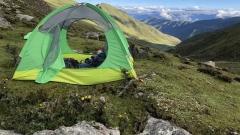
Intermediate camps: Camping is required starting from the second day. Tents, moisture-proof mats and sleeping bags (comfort temperature rating recommended at -5°C to -10°C) must be carried by yourself. There are no shops along the way, so all food and water must be carried from the start.
Near Samye Monastery: After the hike, there are hotels and guesthouses around Samye Monastery providing hot showers and regular meals.
Important reminder: There are no ATMs along the way, and mobile payment is not available in Heibu Village. Prepare enough cash in Lhasa in advance for accommodation, meals and possible guide fees.
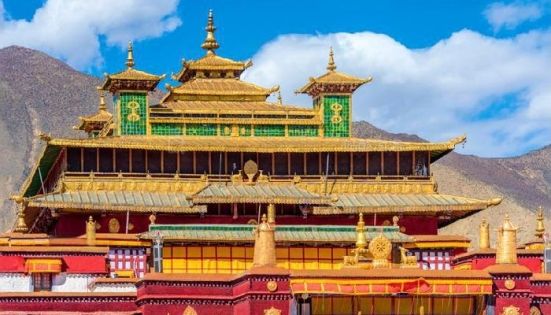
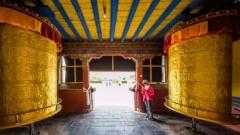
Golden roof of Samye Monastery
Essential Gear List for the Ganden Monastery to Samye Monastery Hike
Gear requirements for high-altitude hiking are different from those for low-altitude hiking. Check against the following list before departure.
- Clothing should be layered, and pure cotton underwear is not allowed (wetness after sweating may cause hypothermia).
- Tents and sleeping bags must be windproof and rainproof; the comfort temperature rating of sleeping bags is recommended at -5°C to -10°C.
- Two trekking poles are recommended to save energy and protect knees.
- A large backpack of 50 to 70 liters is recommended for carrying all camping equipment and food.
Clothing:
- Moisture-wicking underwear (non-cotton).
- Fleece jacket or thin down jacket.
- Windproof and waterproof jacket (hardshell jacket).
- Quick-dry pants.
- Warm pants.
- High-top waterproof hiking shoes (recommended to break in in advance to avoid blisters).
- Wool socks (at least two pairs).
- Sun hat, warm hat, thin gloves.
Camping gear:
- Windproof and rainproof tent.
- Sleeping bag (comfort temperature rating -5°C to -10°C).
- Moisture-proof mat.
- Headlamp or flashlight (with spare batteries).
Other essentials:
- Trekking poles (two).
- Large backpack (50 to 70 liters).
- Small backpack (for personal items during hiking).
- Insulated water bottle.
- Sunscreen and lip balm.
- Personal medicine (cold medicine, gastrointestinal medicine, painkillers, altitude sickness medicine such as acetazolamide).
Food and water:
- Carry at least 1.5 liters of water per day. Stream water is available along the way but boiling before drinking is recommended.
- Instant noodles, compressed biscuits, energy bars, nuts, chocolate, beef jerky.
- Portable stove and gas canister.
Best Season and Weather for the Ganden Monastery to Samye Monastery Hike
Choosing the right time to take this route can significantly improve the experience. Inappropriate seasons may bring heavy snow, muddy roads or poor visibility.
- The best period is from June to September, with daytime temperatures of 10 to 20°C and nighttime temperatures of 0 to 5°C.
- Hiking is also feasible from mid-May to early June and from late September to mid-October, with drier weather but colder nights.
- Hiking is not recommended from November to April of the next year due to heavy snow closing the mountains and closed family hotels.
- Mountain weather changes rapidly; prepare waterproof gear even in the best season.
Best season: June to September
Daytime temperatures of 10 to 20°C, nighttime temperatures of 0 to 5°C. There is more rain, mostly showers. Vegetation is lush and scenery is the best. June to September is also the busiest period for hikers.
Alternative seasons: Mid-May to early June, late September to mid-October
The weather is dry with less rain and high visibility. Temperatures are lower in the morning and evening, and may drop below zero at night. Hiking is not recommended after mid-October.
Not recommended seasons: November to April of the next year
Heavy snow blocks the mountains, and roads are covered with snow. Family hotels in Heibu Village are closed. No guides are willing to lead the way in this season.
Check the weather forecast in Lhasa a few days before departure. In case of continuous heavy rain or snow, it is recommended to postpone the trip or switch to other routes.
Pre-Trip Physical Preparation and Altitude Acclimatization for the Ganden Monastery to Samye Monastery Hike
This route requires a certain physical foundation. Pre-trip preparation can significantly reduce difficulties during hiking.
- Arrive in Lhasa (3,650 meters above sea level) 2 to 3 days in advance to acclimatize to the plateau environment.
- Avoid strenuous exercise after arriving in Lhasa, drink plenty of water, drink less alcohol and sleep early.
- Headache, loss of appetite and insomnia are common altitude sickness symptoms, which usually subside after two or three days.
- Severe altitude sickness (persistent vomiting, unsteady gait, confusion) requires immediate descent and medical treatment.
Altitude acclimatization:
Arrive in Lhasa 2 to 3 days in advance to acclimatize. Avoid strenuous exercise upon arrival in Lhasa, drink plenty of water, drink less alcohol and sleep early. Headache, loss of appetite and insomnia are normal altitude sickness symptoms, which usually subside after two or three days. Severe altitude sickness requires immediate descent and medical treatment.
Physical preparation:
Do aerobic exercise 2 to 3 times a week, such as running, stair climbing and cycling, one month before departure. Carrying a 5 to 8 kg bag for stair climbing for 30 to 40 minutes each time is greatly helpful for hiking. Focus on endurance and cardiopulmonary function training without overtraining.
Altitude sickness medicine:
Prepare medicine to relieve altitude sickness, such as acetazolamide, before departure. Carry painkillers and gastrointestinal medicine at the same time. Rest immediately if you feel unwell during the trip and do not push yourself.
Safety Assurance and Insurance Purchase for the Ganden Monastery to Samye Monastery Hike
High-altitude hiking has risks, so it is very important to purchase appropriate insurance. Medical and emergency rescue costs in high-altitude areas are very high.
- You must purchase travel insurance covering high-altitude hiking.
- Ordinary travel insurance usually does not cover activities above 4,000 meters above sea level.
- Insurance should include emergency medical transportation and rescue, accidental injury and acute medical treatment, and compensation for trip cancellation or interruption.
- Confirm before departure whether the insurance covers activities above 5,000 meters.
Insurance coverage:
- High-altitude hiking (above 5,000 meters above sea level) coverage.
- Emergency medical transportation and rescue.
- Accidental injury and acute medical treatment.
- Trip cancellation or interruption compensation.
Confirm before departure whether the insurance covers high-altitude activities. Some ordinary travel insurance does not cover hiking above 4,000 meters above sea level, so special outdoor insurance needs to be purchased.
Frequently Asked Questions About the Ganden Monastery to Samye Monastery Hike
Q: Can I hike this route alone?
A: Not recommended. There are forks on the road that are easy to get lost, and with high altitude, it is difficult for a single person to handle altitude sickness or injury. It is best to join group tours with guides, or travel with at least two people.
Q: Do I need to hire a guide?
A: Highly recommended. Guides are familiar with road conditions, weather and accommodation points along the way and can handle emergencies. Guides usually also help arrange tents and meals.
Q: Is there mobile phone signal along the way?
A: No signal in most sections. Occasional signal is only available near villages or passes. Inform your family of the itinerary before departure.
Q: Can I charge my devices along the way?
A: Charging is available in Heibu Village and Samye Monastery, but no power supply during camping. Carry a power bank and save power for cameras and mobile phones.
Q: Are there toilets along the way?
A: No public toilets. You need to relieve yourself in the wild. It is recommended to carry tissues and small bags to take away used tissues.
Q: Will I encounter wild animals along the way?
A: You may see marmots, hares, eagles and distant blue sheep. No dangerous animals will be encountered, but do not approach or feed wild animals.
Q: Do I need to carry oxygen tanks?
A: If you react strongly above 3,000 meters, you can carry a small portable oxygen tank for backup. Most people can finish the hike by slowing down and resting more without oxygen. Do not inhale oxygen as soon as you feel uncomfortable, as your body will become dependent.
Transportation and Rest After the Ganden Monastery to Samye Monastery Hike
Arrive at Samye Monastery after completing the whole route. This monastery is worth visiting. The following are ways to return to Lhasa and rest.
- There are daily shuttles from Samye Monastery gate to Lhasa, taking about 3 to 4 hours.
- A van can be chartered by multiple people for more flexibility.
- There are hotels and guesthouses near Samye Monastery providing hot showers.
- It is recommended to stay in Lhasa for another one or two days to recover after the hike.
Returning to Lhasa from Samye Monastery:
There are morning shuttles from the monastery gate to Lhasa every day, taking 3 to 4 hours at a reasonable fare. A van can also be chartered by multiple people.
Accommodation in Samye Monastery:
If you do not want to return to Lhasa on the same day, there are hotels and guesthouses near Samye Monastery providing hot showers for a good rest.
After returning to Lhasa:
It is recommended to stay in Lhasa for another one or two days after the hike. The body consumes a lot and needs to recover. Pay attention to diet, sleep and water supplement, and do not immediately take other long-distance trips.
Final Notes on the Route
Completing the hike from Ganden Monastery to Samye Monastery is a test of both physical and mental strength. The plateau scenery and pilgrimage experience along the way will remain in your memory. Difficulty breathing on uphill sections, strong winds on passes and low temperatures outside tents are all actual situations you will encounter. Do not underestimate the risks of high-altitude hiking, and do not shrink back because of difficulties. Adequate preparation and the right attitude are the keys to completing this route. If you are not familiar with arranging transportation, finding guides or handling documents, you can consult China Dragon Travel. They have long organized hiking and in-depth tours in Tibet, and can arrange guides, handle Tibet Travel Permit, and customize itineraries according to your time and physical strength. Please remember that safety always comes first. Check all your gear again before departure, confirm your physical condition, purchase appropriate insurance, and inform your relatives and friends of your itinerary. Wish you a smooth completion of this plateau hiking trip.