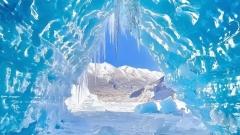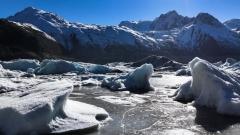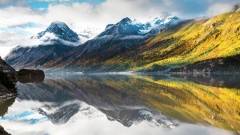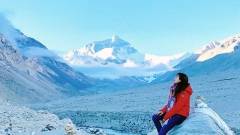

For those contemplating a June sojourn in the enigmatic realm of Tibet, comprehending the unique climatic subtleties of this area is of paramount importance. In the sixth lunar month, Tibet basks in the agreeable warmth of the day, which gives way to the bracing coolness of the night. The territory also faces heightened UV radiation and sporadic showers. This meticulously compiled guidebook presents an exhaustive array of local meteorological data, enhanced by bespoke packing recommendations and seasoned travel itineraries, guaranteeing a journey that is both meticulously planned and deeply fulfilling.
Specific Data Analysis of Tibet’s Weather in June
In June, Tibet enters early summer, and the overall climate conditions improve, but there are still several data-based characteristics that must be noted.
UV Intensity Reaches Annual Peak
June is one of the months with the strongest sunlight in Tibet, with the average daily sunshine duration in Lhasa exceeding 8 hours. The key lies in the UV index, which usually remains at the “extreme high” level (11+). This means that without any protection, the skin may be sunburned within 15 to 30 minutes, and such strong UV rays still exist on cloudy days.
Day-Night Temperature Difference Can Reach Over 15 Degrees Celsius
The most obvious feeling of Tibet’s weather in June is the temperature difference. During the day, it feels warm under direct sunlight; once the sun sets, the temperature drops rapidly.
- Maximum daytime temperature: Generally between 18°C and 25°C.
- Minimum nighttime temperature: Usually between 5°C and 10°C, but in high-altitude areas such as Nam Co and Everest Base Camp, the temperature may drop to 0°C or below at night.
- Practical tip: This temperature difference requires your clothing to be flexible for adding or removing layers; clothing of a single thickness cannot meet the needs of the whole day.
Entering the Rainy Season, Mainly Afternoon Showers
June marks the start of Tibet’s rainy season, but it is different from tropical rainforests. Rainfall is mostly local and short-lived afternoon thunder showers.
- Expected number of rainy days per month: Approximately 10 to 15 days, but it rarely rains all day.
- Rainfall pattern: Usually starts in the afternoon or evening, lasts for about an hour, and then the weather clears up. The air quality is excellent after rain, and rainbows often appear.
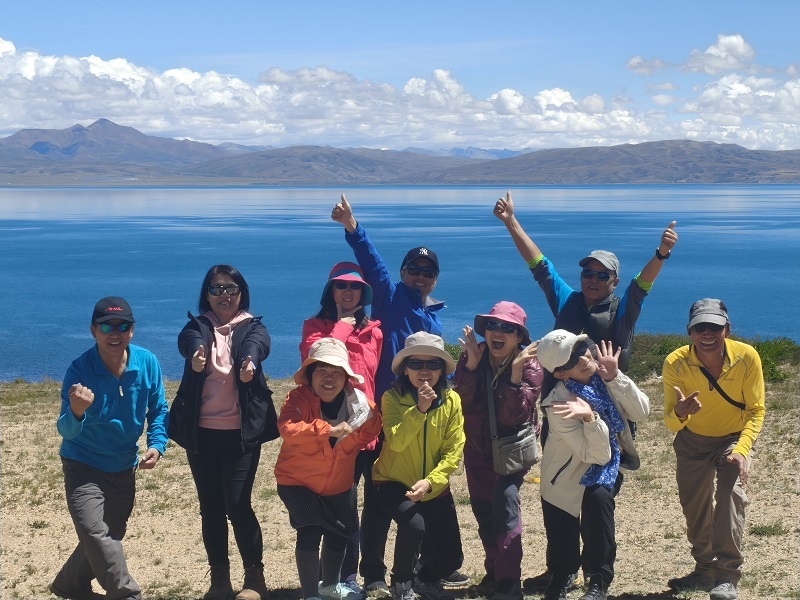
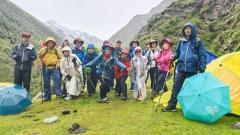
Tibet Tourist Photos
Tibetan Detailed Climate Comparison of Four Major Tourist Areas in June
Tibet covers a vast area, and the weather conditions in June vary greatly among different destinations, requiring different preparations.
Lhasa Area (Elevation Approximately 3,650 Meters)
Lhasa has a dry climate and is the first stop for acclimatizing to the plateau.
- Temperature: About 20-25°C during the day and 8-12°C at night. The temperature difference between indoor and outdoor is also large, and it feels cooler in shaded areas.
- Rainfall: Relatively little; even if it rains, it is mostly short showers.
- Travel suggestion: The morning is the best time for sightseeing, with good light and stable weather. It is recommended to wear a long-sleeve T-shirt with a sun-protective jacket, and keep a thin sweater or vest in your backpack for evening wear.
Nyingchi Area (Average Elevation Approximately 3,000 Meters)
Nyingchi is relatively humid with dense vegetation.
- Temperature: About 18-24°C during the day and 10-14°C at night. Due to high humidity, the stuffiness may be more obvious than in Lhasa.
- Rainfall: The most frequent rainfall area in Tibet; it may rain at any time.
- Travel suggestion: A reliable windproof and waterproof jacket and an umbrella are necessities. It is recommended to choose quick-drying fabrics for clothing, as they are not easy to dry after getting wet in the rain or sweating.
Shigatse and Everest Base Camp Route
The Houzang Region (Rear Tibet) is drier and colder, and traveling to Everest is more challenging.
- Shigatse Urban Area: About 18-22°C during the day and 5-8°C at night, with mostly sunny weather.
- Everest Base Camp (Elevation 5,200 Meters): The weather changes drastically. During the day, if there is sunshine, it is about 5-10°C, but the wind-chill effect is significant; at night, it is usually between -5°C and 0°C, accompanied by strong winds.
- Travel suggestion: Professional cold-proof equipment must be carried when going to Everest: a thick down jacket, a woolen hat, windproof gloves, and warm pants. Do not wear jeans, as they are difficult to dry when wet and not warm.
Ngari and Northern Tibet Plateau (Elevation Above 4,500 Meters)
This area is vast, windy and dry.
- Temperature: It can reach 15-20°C in the sun during the day, but the perceived temperature drops sharply when it is windy or cloudy. The temperature is often below 0°C at night.
- Climatic characteristics: In addition to cold, strong winds and extreme dryness are the main challenges.
- Travel suggestion: A windproof jacket, moisturizing face cream, lip balm, and a scarf or face mask for wind and sand protection are essential. The itinerary needs to be flexible, as bad weather may affect traffic.
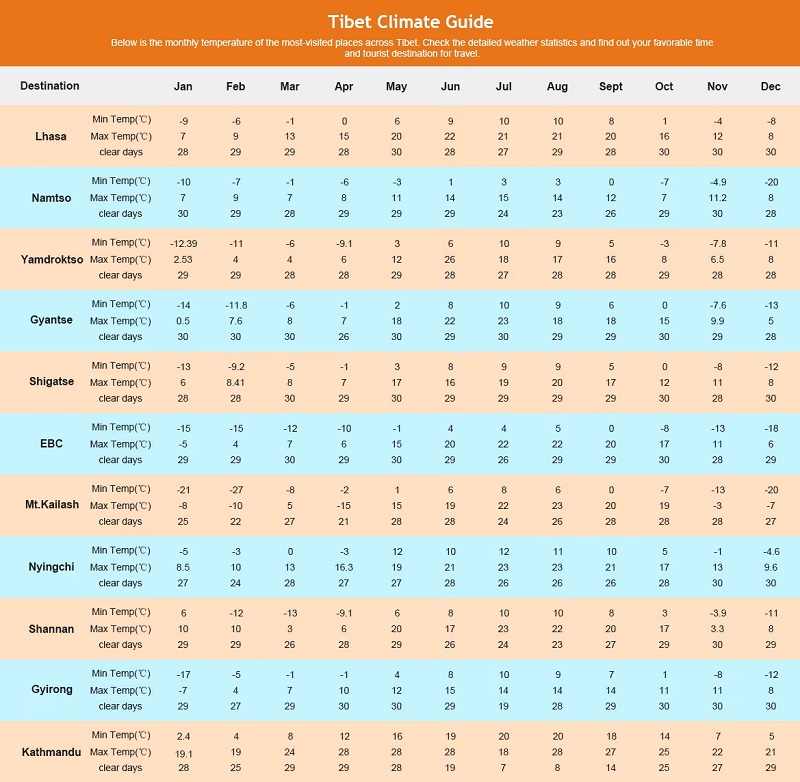
Tibet Weather
Tibetan Itinerary and Packing Luggage Based on June Weather
Based on the above weather data of Tibet in June, the following are suggestions for practical application in your trip.
Itinerary Arrangement Tips
- Make good use of the morning: Arrange the most important outdoor visits (such as the Potala Palace), long-distance driving or hiking activities from morning to noon to avoid possible afternoon rainfall.
- Reserve buffer days for high-altitude itineraries: When traveling to Everest, Ngari and other places, the weather uncertainty is high. Try not to arrange flights or tight itineraries on the day after returning from these areas; reserving one buffer day can avoid delay risks.
- Combine indoor and outdoor activities: The afternoon can be arranged for visiting temple interiors, museums or urban leisure activities, which are less affected by the weather.
Core Luggage Packing List
Adopting the “Layered Dressing Method” is the golden rule for coping with Tibet’s weather in June.
- Protective Layer: A wide-brimmed hat, UV400 sunglasses, high-factor sunscreen (reapply at any time), and lip balm with sun protection function.
- Three Upper Layers:
- Base Layer: Sweat-wicking and quick-drying long-sleeve underwear.
- Middle Layer: A lightweight fleece jacket or down vest.
- Outer Layer: A windproof, waterproof and breathable hardshell jacket.
- Lower Body: Windproof hardshell pants or flexible casual long pants; avoid shorts. An extra pair of thin warm pants can be prepared for use at night in high-altitude areas.
- Feet: Comfortable broken-in waterproof hiking shoes, paired with moisture-wicking woolen socks.
- Miscellaneous Items: An insulated water bottle (drink more warm water), a lightweight raincoat, personal commonly used medicines, and a power bank.
Health Management Points
Good weather can easily make people relax their vigilance against the plateau.
- Strict Sun Protection: Sunburn can cause pain, dehydration and may exacerbate altitude sickness. In addition to applying sunscreen, physical protection (hat, mask, long sleeves) is also important.
- Active Moisturizing: The dry plateau can cause sore throat and nosebleeds. Using nasal moisturizing spray, drinking more warm water, and applying body lotion can effectively alleviate this.
- Pay Attention to Keeping Warm to Prevent Colds: The drastic temperature difference is the main cause of colds. On the plateau, a cold will increase the body’s burden and raise the risk of severe altitude sickness. Remember not to take off your jacket immediately after sweating, and avoid direct blowing from the air conditioner vent when in the car.
Final Pre-Departure Checklist
Before departing for Tibet, please check this list one by one:
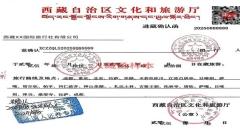
- Confirm that the documents required for entering Tibet (such as the Tibet Travel Permit) have been processed by a qualified travel agency.
- Round-trip tickets and all accommodations have been booked (June is the peak season, so be sure to book in advance).
- All clothing and protective items (hat, sunglasses, sunscreen) have been prepared in accordance with the “Layered Dressing Method”.
- Personal medicines have been prepared, and a doctor has been consulted on whether to carry altitude sickness auxiliary medicines.
- Travel insurance covering high-altitude emergency medical evacuation services has been purchased.
- An insulated water bottle and some high-energy snacks (such as chocolate, nut bars) have been prepared.
Easily Plan Your Tibet Trip in June
In June, Tibet boasts a temperate and delightful climate, creating an exceptionally comfortable ambiance for travelers to embark on their adventures. Nonetheless, such a matter should not be underestimated. The essence of a seamless journey hinges on a thorough and meticulous examination of various critical details, including fluctuations in temperature, UV indices, and the likelihood of precipitation. These insights should guide pre-trip preparations, rather than mere reliance on personal instincts. From the historical treasures of Lhasa to the awe-inspiring vistas of Mount Everest, a profound understanding and reverence for the region’s climatic nuances will enhance both the safety and pleasure of your travels. Should you find yourself at a crossroads on how to adeptly tailor your itinerary in response to the most current weather forecasts, seeking counsel from seasoned professionals like China Dragon Travel will afford you more peace of mind and comprehensive travel planning recommendations.