
Are you thrilled at the prospect of gazing upon the awe-inspiring, snow-clad summits of Mount Sapu, nestled within the idyllic embrace of Nagqu Prefecture in Tibet? This captivating haven offers stunning panoramas, tranquil lakes, and grandiose glaciers. Set in a secluded, rigorous alpine environment, it necessitates meticulous planning for a successful climb. This all-encompassing manual is an invaluable trove of insights into reaching the peak, the prime time for your journey, crucial travel safety tips, and indispensable gear requirements.
What is Mount Sapu?
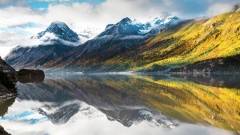
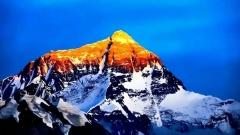
Mount Sapu is actually a cluster of magnificent snow-capped peaks, with its highest main peak piercing the clouds, reaching an altitude close to 7,000 meters. The peak shape is as sharp as if carved by a knife and axe, presenting a rigorous triangular outline that gives people an extremely solemn feeling. Locally, people regard this mountain range as a warm family, where Mount Sapu is like a dignified father, accompanied by a loving mother and children surrounding them, who jointly guard the Sapu Lake at the foot of the mountain. This picture full of countless legends, coupled with the lake surface as smooth as a mirror that perfectly reflects the majestic posture of the snow-capped mountains, makes Mount Sapu a must-visit sacred place for hikers and photography enthusiasts. Even though its reputation is growing day by day, due to the rugged road, it still maintains that transcendent tranquility.
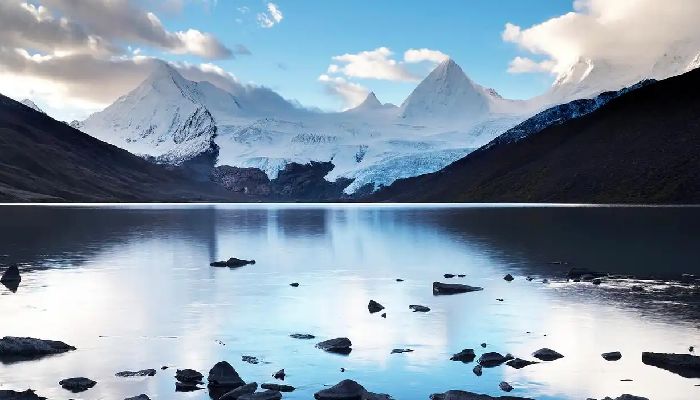
Mount Sapu
How to Get to Mount Sapu? Transportation Guide
There is no convenient public transportation to Mount Sapu; you mainly have to travel by road, and the whole process is quite tortuous.
Step 1: First reach Lhasa or Nagqu
Lhasa is the starting point for most people, and you need to find a vehicle from Lhasa to Biru County. If you enter via the Qinghai-Tibet Highway from Qinghai, you can also first reach Nagqu City and then transfer to Biru County from Nagqu. Both routes require a full day or even longer drive.
Step 2: From Biru County to the foot of the mountain
Driving from Biru County to the entrance of Mount Sapu Scenic Area takes about 3 to 4 hours. Finally, from the scenic area gate to the actual lakeside, there are still about ten kilometers of dirt roads. This section of the road is bumpy and full of potholes, which is the biggest challenge of the entire journey.
Suggestions on vehicles and drivers
– Must use an off-road vehicle: Vehicles like the Toyota Prado are the most reliable. Ordinary sedans are easily stuck or damaged, so it is not recommended to take the risk.
– It is advisable to charter a car or join a small group: Renting a car and driving by yourself is very difficult; it is best to find an experienced driver. Most people choose to charter a car or join a small group tour that includes Mount Sapu in the itinerary. A driver familiar with the road conditions can not only drive but also help handle many things on the way, saving a lot of trouble. When arranging such a trip, it is important to find a reputable service provider.
When is the Best Time to Visit Mount Sapu?
The season directly determines the scenery you see and the difficulty of the trip.
The best time: May to June, September to early October
The weather is relatively stable during these two periods, with many sunny days. In spring, you may see blue ice on the lake surface; in autumn, the sky is blue and the snow is white, and the lake water is like emerald, making it particularly beautiful for taking photos.
Summer (July to August):
It is the rainy season in Tibet. The road to Mount Sapu may become more muddy, and it often rains, making the snow-capped mountains easily covered by clouds. The advantage is that it is relatively warm, and the grass beside the mountains is green.
Winter (November to April next year):
It is extremely cold, and the roads may be covered by snow, which is not suitable for ordinary travelers. Only experienced and well-prepared people may go, but they can see the stunning scenery of a completely frozen lake.
What to Do at Mount Sapu? Hiking Routes Introduction
When you arrive at Mount Sapu, you must get out of the car and walk to feel it deeply. The main activity is hiking, which is divided into two stages.
Stage 1: Walk and take photos by the outer lake
It is very close from the parking lot to the lakeside. This is the location to take classic photos of Mount Sapu. You can walk slowly along both sides of the lake to find your favorite angle. The west side is great for taking reflections, and the east side allows you to climb a small slope to see a broader panoramic view of the lake and mountains. The light in the morning is beautiful.
Stage 2: Challenge to walk to the inner lake (according to your physical condition)
If you are in good physical condition, you can continue walking towards the foot of the snow-capped mountains, aiming for the moraine lake inside. This section of the road is the real hiking.
– How long does it take: It takes about 4 to 6 hours round trip, depending on your walking speed and stay time.
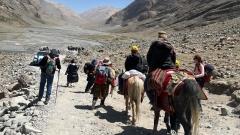
– What is the road condition: There is no paved road, only a small dirt road trodden by people. You need to cross streams several times, and some slopes are relatively steep.
– Pay attention to altitude: The starting point is already very high (above 4,700 meters), and it will be higher inside. If you feel short of breath or have a headache, stop and don’t force yourself.
– What can you see: Walking inside, you will be very close to the glacier, and you can see blue ice walls and another small lake with a darker color, which feels very primitive and shocking. Taking this road means changing from looking at the sacred mountain from a distance to walking into its embrace.
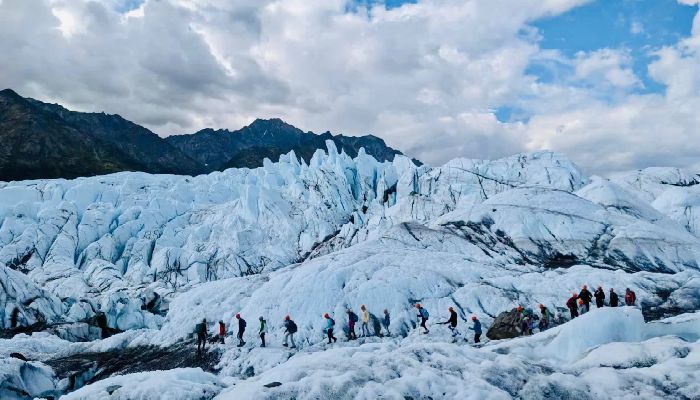
Hiking at Mount Sapu Glacier
Accommodation and Food Guide for
The accommodation and dining conditions there are relatively simple, so you need to be mentally prepared.
Overnight options:
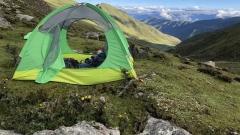
- Board houses or tents in the scenic area: Closest to the lake, convenient for taking photos early in the morning and late in the evening. They are basic bunk beds, usually without private toilets, and very cold at night, but you can experience the snow-capped mountain night under the starry sky.
- Guesthouses in Yangxiu Township or Baiga Township: It takes 1-2 hours by car to the scenic area, but the accommodation conditions are better, and there may be ordinary rooms with toilets, which is a compromise choice.
- Biru County: The accommodation conditions are the best, but you have to commute to and from the scenic area every day, which takes too much time on the road.
Dining issues:
There are only simple Tibetan restaurants in the scenic area, which may serve noodles or fried rice. It is best to bring some of your favorite snacks, instant noodles, chocolate, and enough drinking water. If you are particular about food, be sure to inform the person arranging your trip in advance.
Important Things to Know Before Departure
Altitude sickness is the number one enemy
The altitude around Mount Sapu is above 4,700 meters. Never rush there right after getting off the plane. Stay in Lhasa (3,650 meters) for at least one or two days to let your body adapt. If you don’t feel too uncomfortable, then set off. Slow down all movements on the way, don’t run or jump. Prepare oxygen cylinders and altitude sickness medicine for emergencies.
Bring the right clothes and gear
– Wisdom in dressing: Adopt a “layered” wearing method. The outermost layer should be a windproof and waterproof jacket, the middle layer a warm fleece or down liner, and the inner layer moisture-wicking underwear. Be sure to bring a hat and gloves.
– A good pair of shoes: High-top, waterproof hiking shoes are a must, especially if you are going to walk the inner lake route.
– Three essential sun protection items: Sunscreen, sunglasses, and a sun hat. The sun is very strong on the plateau.
– Don’t forget small things: An insulated water bottle, a power bank, and a bright headlamp or flashlight (there may be no electricity at night).
Documents and respecting the environment
Remember to bring your Taiwan Compatriot Permit, as there will be checkpoints on the way. Most importantly, take away all the garbage you generate, especially plastic bags and bottles, and don’t leave them in such a beautiful place.
Key Points for Planning a Trip to Mount Sapu
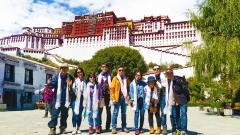
In essence, setting out on a journey to Mount Sapu is a venture that demands unwavering resolve and meticulous planning. The breathtaking vistas that await are ample reward for the challenges encountered en route. Nonetheless, ensuring safety and a seamless journey remains paramount. The crux of a successful trip hinges on selecting the optimal season, guaranteeing dependable transport and skilled drivers, enabling your body to acclimate progressively to the high-altitude terrain, and adjusting to the rudimentary living conditions. Upon reaching the lake and beholding the majestic, pyramid-shaped, snow-covered peaks, you’ll be moved to realize that every sacrifice was justified. Novices to the area would do well to delegate logistics such as transportation and lodging to seasoned experts, which is undoubtedly a more relaxed approach. Reputable travel agencies specializing in Tibetan tours, like China Dragon Travel, can adeptly organize your expedition, enabling you to bask fully in the awe and emotion evoked by Mount Sapu.