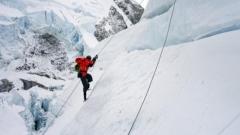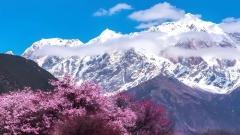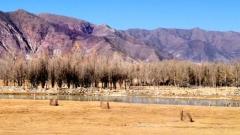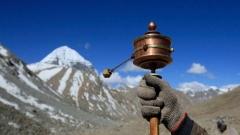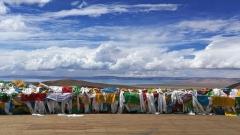

In November, Tibet ushers in early winter, shedding peak-season hustle and presenting the snowy plateau’s pristine beauty purely and transparently. Its weather has distinct features: mostly sunny days, scarce precipitation, low temperatures but sharp day-night differences, and daytime warmth under abundant sunshine. For travelers craving quiet, cost-effective trips, mastering its November weather rules ensures a comfortable Tibet journey. Below, we analyze practical weather-related info from overview, regional differences, clothing guide and itinerary planning.
Overview of Tibet’s November Weather: Advantages of a Sunny and Dry Off-Season
In November, Tibet enters winter. The weather characteristics are distinct and suitable for off-season travel. Understanding its core rules can make the journey smoother. The following summarizes the core information about Tibet’s November weather from key dimensions such as temperature, precipitation, sunshine, and wind force:
- Core Characteristics: Overall, it is dominated by sunshine, dry with little rain, and has significant temperature differences, which are important advantages of off-season travel.
- Temperature Data: The average temperature is about 5℃, with an average maximum of 13℃ and a minimum of -3℃. The temperature difference is nearly 16℃, and the day-night temperature alternation is obvious.
- Precipitation Situation: Precipitation is extremely scarce in various regions, with an average rainfall of only about 1mm, and almost no rainfall in most areas; only occasional light snow or sleet may occur in high-altitude areas in southeastern Tibet such as Nyingchi and Shannan.
- Advantages of Dry Weather: It can avoid the disturbance of rain, the visibility of snow-capped mountains exceeds 90%, and the surface of sacred lakes is more blue and transparent, which is conducive to viewing the scenery.
- Sunshine Conditions: Abundant sunshine. Lhasa has 25 sunny days in November, with an average daily sunshine duration of 9 hours. It can make up for the lack of temperature, improve the comfort of outdoor activities, and is suitable for shooting plateau scenery.
- Wind Reminder: Winds of level 7-8 often occur in the afternoon in central and western Tibet, with gusts of level 9-10 in some towns and townships, and the wind force is more obvious in high-altitude areas, which needs to be focused on.
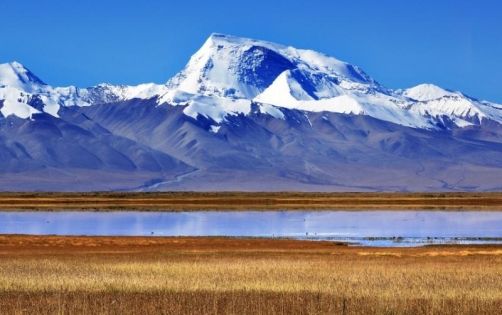
Lake Manasarovar
Lake Manasarovar
Regional Differences in Tibet’s November Weather: Reference for Regional Travel
Tibet has a vast territory. Due to differences in altitude and latitude, the weather conditions in November vary significantly across regions, especially in terms of temperature and snowfall probability. Travelers need to plan in advance according to their destinations. The following are the details of November weather in several popular tourist areas:
Lhasa: The Sunlit Core Hub
As Tibet’s transportation and tourism hub, Lhasa has stable and pleasant weather in November. The specific information is as follows:
- Temperature Data: The average maximum temperature is 12℃, the average minimum temperature is -4℃, and the temperature difference is relatively controllable.
- Precipitation and Weather: Precipitation is only 1mm, almost all days in the month are sunny and cloudless, without rain disturbance.
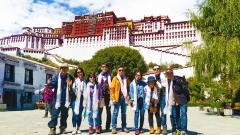
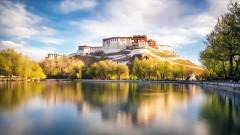
- Travel Experience: Abundant sunshine during the day makes the outdoor temperature comfortable, suitable for visiting attractions such as the Potala Palace and Barkhor Street; indoor heating is sufficient at night, and you can rest at ease with proper warmth protection.
- Notes: Gusts of about level 5 may occur in the northern region in the afternoon, and wind and sand protection measures should be taken for outdoor activities.
Nyingchi: The Mild Winter of “Jiangnan in Eastern Tibet”
Affected by altitude and air currents, Nyingchi has relatively mild weather in November, making it one of the more comfortable areas in Tibet in winter. The details are as follows:
- Reasons for Mildness: Low altitude (about 2700-3000 meters) and influenced by the warm and humid air currents from the Indian Ocean.
- Temperature Data: The average maximum temperature is 13℃, the average minimum temperature is -1℃, and the temperature is significantly higher than other areas in Tibet.
- Precipitation Situation: The average rainfall is about 5mm, with occasional scattered light snow, mostly concentrated in high-altitude mountainous areas in the eastern and southern parts, and the urban area and major attractions are less affected.
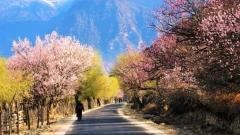
- Travel Advantages: The mild weather is conducive for travelers who are new to Tibet to adapt to altitude sickness; the winter forests, villages and snow-capped mountains form a unique “Jiangnan” scenery.
Xigaze and Everest Base Camp: A Sacred Mountain Date in Cold Blasts
Xigaze and Everest Base Camp are located at high altitudes, with cold weather and strong winds in November, but they also have unique scenic advantages. The specific information is as follows:
- Overall Characteristics: Located in southwestern Tibet with high altitude, the weather in November is cold and windy.
- Xigaze City Data: The average maximum temperature is 11℃, the average minimum temperature is -8℃, and winds of level 7-8 often occur in the afternoon.
- Everest Base Camp Data: The average maximum temperature is only 8℃, the average minimum temperature drops to -13℃, the precipitation is about 0.9mm, with occasional moderate snow, and some sections of the road may be covered with snow and ice.
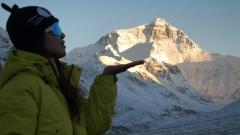
- Scenic Advantages: The cold weather makes the Everest area have very little cloud and fog, making it easy to see the magnificent scenery of the Everest banner cloud. It is one of the best periods to take panoramic photos of Everest.
Namtso and Shannan: Frozen Sacred Lake and Alpine Mountains
The weather in Namtso and Shannan is relatively cold in November, and it is necessary to focus on warmth protection. The specific information is as follows:
- Namtso Situation: Namtso has entered the freezing period in November, with an average maximum temperature of 11.2℃ and an average minimum temperature of -4.9℃, almost no precipitation, and the weather is mainly sunny with occasional clouds; the frozen lake surface and the surrounding snow-capped mountains form a magnificent scenery, but the wind is strong and the temperature is low by the lake, so extreme cold protection is required.
- Shannan Area Situation: The average maximum temperature is only 3.3℃, and the average minimum temperature is as low as -13.9℃; occasional moderate snow may occur in high-altitude areas in the southern part, and strong wind weather occurs frequently, so travel needs to be extremely cautious.
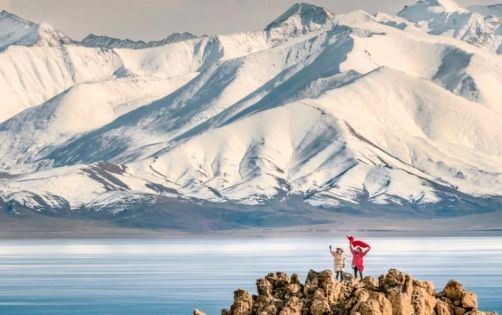
Namtso
Clothing Guide Corresponding to Tibet’s November Weather
In view of the characteristics of Tibet’s November weather such as large temperature difference, strong wind, dryness and cold, clothing should follow the principle of “taking warmth and wind protection as the main priority, and being lightweight and easy to adjust as a supplement”. It is recommended to adopt the “three-layer dressing method”, which can not only cope with the warm sunshine during the day but also resist the cold and strong wind at night.
Base Layer: Breathability and Quick-Drying as the Core
The base layer takes breathability and quick-drying as the core. Combined with the dry characteristics of Tibet’s November weather, the specific suggestions are as follows:
- Material Selection: Priority is given to breathable synthetic fiber or wool thermal underwear, avoiding cotton underwear.
- Reason for Avoiding Cotton: Tibet’s weather in November is dry, and it is easy to sweat during outdoor activities. Cotton clothes are not easy to dry after sweating, which may easily lead to colds; synthetic fiber or wool materials can quickly wick away sweat, keep the skin dry, and have good warmth retention effect.
- Quantity to Prepare: It is recommended to prepare 2-3 sets for replacement to ensure a comfortable journey.
Mid Layer: Lightweight and Warm as the Key
The mid layer undertakes the core warmth retention function and needs to balance lightness and adaptability. The specific key points are as follows:
- Core Function: Mainly responsible for warmth retention, it is the key layer to cope with the day-night temperature difference in Tibet in November.
- Recommended Items: Fleece jacket or lightweight down jacket, which can be flexibly selected according to the temperature.
- Advantages of Fleece Jacket: Lightweight, strong warmth retention, easy to carry, suitable for wearing alone or layered when the temperature is relatively high during the day.
- Applicable Scenarios for Lightweight Down Jacket: Better warmth retention effect, suitable for wearing in the early morning, evening or when going to high-altitude areas such as Everest and Ngari.
- Dressing Skills: It can be flexibly adjusted according to the temperature and itinerary of the day to ensure comfort in cold and warm weather.
Outer Layer: Wind and Water Resistance as the Focus
The outer layer focuses on resisting the strong wind and occasional light snow in Tibet in November, and wind and water resistance are the core requirements. The specific suggestions are as follows:
- Core Function: Resist strong wind and occasional light snow, and protect the inner clothes from dryness and warmth.
- Basic Recommendation: Three-in-one jacket (windproof and waterproof outer coat + detachable fleece liner), which can be combined at any time according to weather changes, with strong practicality.
- Upgrade Plan for High-Altitude Areas: When going to high-altitude areas such as Everest Base Camp and Namtso, replace it with a thickened down jacket or a fleece-lined jacket to enhance the warmth retention effect.
- Pants Suggestions: It is recommended to choose fleece-lined windproof pants; in high-altitude areas, a pair of thermal leggings can be matched to ensure leg warmth.
Detailed Accessories: Indispensable Protective Equipment
Detailed accessories are the key to coping with the low temperature, strong wind and strong ultraviolet rays in Tibet in November, and are indispensable. The specific key points are as follows:
- Foot Protection: Wear waterproof fleece-lined mountaineering boots (with non-slip soles) and match them with wool socks to cope with possible snowy roads and low temperatures.
- Head Protection: Prepare a woolen hat and earmuffs. Ears are high-risk areas for frostbite, so it is necessary to do a good job in protection.
- Facial Protection: Carry a sun protection mask, which can not only prevent wind but also resist strong ultraviolet rays.
- Other Necessary Items: Sunglasses, sunscreen (SPF50+), lip balm; the reason is that the ultraviolet rays in Tibet are still strong in November, and the dry weather is easy to cause dry and chapped skin and lips.
Adapting to Tibet’s November Weather: Planning a Comfortable Itinerary
Grasping the characteristics of Tibet’s November weather and reasonably planning the itinerary can not only fully enjoy the advantages of off-season travel but also avoid troubles caused by bad weather. The following are itinerary planning suggestions based on weather conditions:
Attraction Selection: Prioritize Sunny and Stable Areas
Combined with the characteristics of Tibet’s November weather, the selection of attractions should first lock in areas with stable weather and suitable landscapes, and avoid high-risk road sections. The specific key points are as follows:
- Recommended Areas: Priority is given to areas with stable weather and good landscape conditions such as Lhasa, Nyingchi and Xigaze.
- Specific Recommended Attractions: Lhasa (Potala Palace, Barkhor Street), Nyingchi (Bomi Route, Yarlung Zangbo Grand Canyon), Xigaze (Tashilhunpo Monastery, Everest Base Camp).
- Areas to Visit with Caution: In November, areas such as Namtso and Ngari in northern Tibet have extremely low temperatures and strong winds, and some road sections may be icy.
- Travel Suggestions for Cautious Areas: Novice drivers are not recommended to drive by themselves; they can choose chartered cars or group tours from regular travel agencies.
- Additional Notes: Moderate snow may occur in high-altitude areas in the east in mid-November, which is easy to cause snow accumulation and icing. It is necessary to check the latest weather forecast in advance and make good traffic planning before going.
Itinerary Rhythm: Avoiding Peaks and Winds, Adapting to Temperature Differences
Based on the characteristics of Tibet’s November weather of “warm during the day and cold at night, strong winds in the afternoon”, the itinerary rhythm needs to avoid peaks and winds and adapt to temperature differences. The specific planning key points are as follows:
- Morning Period (after 9 o’clock): The temperature gradually rises, with abundant sunshine, suitable for carrying out outdoor sightseeing activities.
- Afternoon Period (1-3 o’clock): The wind force is the strongest, and it is recommended to arrange indoor attractions (such as Tibet Museum, indoor exhibition halls of Tashilhunpo Monastery, etc.).
- Evening Period: The temperature begins to drop, and it is recommended to return to the accommodation as early as possible to avoid going out at low temperatures at night.
Tibet is in the off-season for tourism in November. Combined with the travel convenience brought by the weather, you can enjoy a cost-effective experience. At the same time, you need to pay attention to itinerary booking matters. The key points are as follows:
- Off-Season Advantages: No crowds in scenic spots; hotel and transportation costs are significantly reduced, high-end hotel prices can be reduced to 50%-70% of the peak season, and soft sleeper tickets for the Qinghai-Tibet Railway are easier to buy, allowing you to enjoy cost-effective accommodation and transportation experiences.
- Notes: The opening hours of some scenic spots may be adjusted in winter, and some travel agency routes may be reduced. It is recommended to book scenic spot tickets and itinerary routes in advance.
Special Notes: Coping with Altitude Sickness and Bad Weather
The oxygen content in the air in Tibet is lower in November, which increases the risk of altitude sickness. At the same time, it is necessary to cope with fire prevention and other problems caused by dry and strong winds. The specific notes are as follows:
- Prevention of Altitude Sickness: You can take Rhodiola rosea half a month before departure; after entering Tibet, avoid strenuous exercise, drink plenty of water, rest more, and do not drink alcohol or smoke.
- Emergency Treatment of Altitude Sickness: If severe altitude sickness symptoms such as severe headache and difficulty breathing occur, you should seek medical attention in time.
- Fire Prevention Notes: Most areas have little precipitation and strong winds, with dry weather, so it is necessary to strengthen the awareness of forest and grassland fire prevention; strictly abide by the fire prevention regulations of scenic spots, do not discard cigarette butts at will, and do not carry out outdoor fire activities.
- Camera Protection: Low temperature environment is easy to cause the camera to shut down, so you can prepare more batteries; when entering the room from the outside, you need to wrap the camera with a thick cloth to avoid lens frosting caused by the large temperature difference between indoor and outdoor.
Common Misconceptions About Tibet’s November Weather: Pitfall Avoidance Guide
Many travelers have misunderstandings about Tibet’s November weather, leading to inadequate itinerary preparation or missing beautiful scenery. The following are several common misconceptions:
Misconception 1: Tibet is too cold in November to travel. In fact, although the temperature in Tibet is relatively low in November, there are many sunny days and abundant sunshine. The outdoor temperature is comfortable during the day, and the indoor heating is sufficient. As long as you make good warmth preparation, you can fully carry out travel activities and enjoy the unique experience of fewer people and beautiful scenery.
Misconception 2: It snows everywhere in Tibet in November. In fact, precipitation is extremely scarce in most areas of Tibet in November. Only occasional light snow may occur in the southeastern and high-altitude areas, and most of them are short-term snowfall, which will not have a major impact on the itinerary.
Misconception 3: Ignoring the impact of wind force. Many travelers only pay attention to the temperature and ignore the strong wind weather in Tibet in November. Strong winds will not only increase the feeling of cold but also may affect the safety of outdoor activities. Especially in high-altitude areas, it is necessary to do a good job in wind protection.
Tibet November Weather Guide: Enjoy the Quiet Beauty of the Plateau
Tibet’s weather in November is mainly sunny and dry. Although it has characteristics such as large temperature difference and strong winds in the afternoon, it is generally suitable for travel. Moreover, the advantages of fewer people, lower prices and beautiful scenery brought by the off-season make this period an excellent time to experience the pristine beauty of the snowy plateau. As long as you understand the weather differences in various regions in advance, make good warmth and wind protection preparations, and plan the itinerary in accordance with the weather rules, you can avoid various troubles and enjoy a comfortable and pleasant journey to Tibet.
Finally, it is reminded that the weather in Tibet changes quickly, and sudden snowfall or strong winds may occur in some areas in November. It is recommended that travelers check the latest weather forecast before departure and contact local travel agencies to get the latest itinerary suggestions. Wish every traveler can meet the purest scenery in Tibet in November and gain unforgettable travel memories.