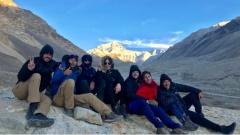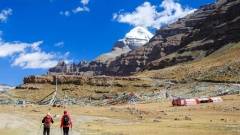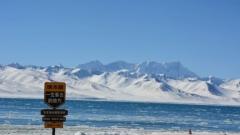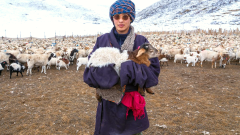

As a top hiking destination in China, Tibet attracts countless enthusiasts every year. Hiking on the plateau differs from inland areas; corresponding permits and documents must be prepared in advance to start smoothly. Unlike plain hiking in inland areas, plateau control ensures traveler safety and ecological protection. Whether classic routes like the East Slope of Mount Everest and Gamagou, or secret areas such as Ngari and Qiangtang, compliant travel is key to safety and experience. Mastering document requirements in advance avoids trip delays, letting every plateau hike be safe and smooth, enjoying the unique scenery of snow-capped mountains and holy lakes.
Basic Essential Documents for Hiking in Tibet
Basic Identity Documents
All travelers going hiking in Tibet need to carry valid identity documents, which are the foundation of all trips. They will be repeatedly used for hotel registration, transportation, scenic spot entry, and checkpoint verification, and must be properly kept.
- Mainland Residents: Carry a valid second-generation ID card, ensure the document is not damaged and the information is clear. It is recommended to prepare electronic backups and copies at the same time.
- Hong Kong, Macao and Taiwan Travelers: Hold a valid Mainland Travel Permit for Hong Kong and Macao Residents or Mainland Travel Permit for Taiwan Residents as the core identity document.
- Foreign Citizens: Carry a valid passport and a corresponding Chinese visa. The type of visa must match the purpose of travel.
Border Management Zone Pass
Most popular hiking routes in Tibet are located in border management zones, including many places such as Ngari, Shannan, Shigatse, and Nyingchi. The Border Management Zone Pass (referred to as “Border Pass”) is an essential document to enter these areas; entry is not allowed without it.
The Border Pass can be handled at the Exit-Entry Administration Hall of the Public Security Bureau in the place of household registration, or with the assistance of a regular travel agency after arriving in Lhasa. When handling it, you need to clearly fill in the specific areas to be visited. For hiking, the purpose should be indicated as tourism. The validity period is usually three months, which can cover most short-term hiking trips.

Tibet Border Pass Permit
Special Permit Documents for Hiking in Tibet
Regional Outdoor Hiking Permit
This is the core permit for carrying out hiking activities in Tibet. It has clear requirements for both commercial hiking teams and individual hiking enthusiasts, and must be applied for through regular local travel agencies in Tibet or officially designated channels.
This permit is an important basis for the competent authorities to verify the hiking route, number of people, and travel plan. When applying, it is necessary to submit materials such as the hiking route plan, personal information, and safety guarantee plan. It can only be obtained after approval. Carrying out hiking activities without handling this permit is an irregular behavior.
Special Access Permits for Specific Hiking Routes
Some high-altitude, ecologically sensitive hiking routes in Tibet require an additional application for a special access permit. Such routes are usually more difficult, have special areas, and are subject to stricter control.
Routes requiring special permits include the East Slope of Mount Everest Hiking Route, Gamagou Hiking Route, Shishapangma Hiking Route, and the edge of Qiangtang No-Man’s Land Hiking Route. Such permits are only open to compliant professional hiking teams; individuals usually cannot apply alone and need to travel with a qualified travel agency in a group.
Ecological Protection Area Permit Documents
Hiking routes passing through ecological protection areas such as Nam Co, Siling Co, and Qiangtang National Nature Reserve require handling relevant ecological protection permits and complying with the control regulations of the protection areas.
Such permits are mainly used to control the number of hiking tourists and protect the fragile plateau ecological system. When handling, you need to promise to abide by the management regulations of the protection area, not litter randomly, not deviate from the designated route, and not damage vegetation and wildlife habitats.
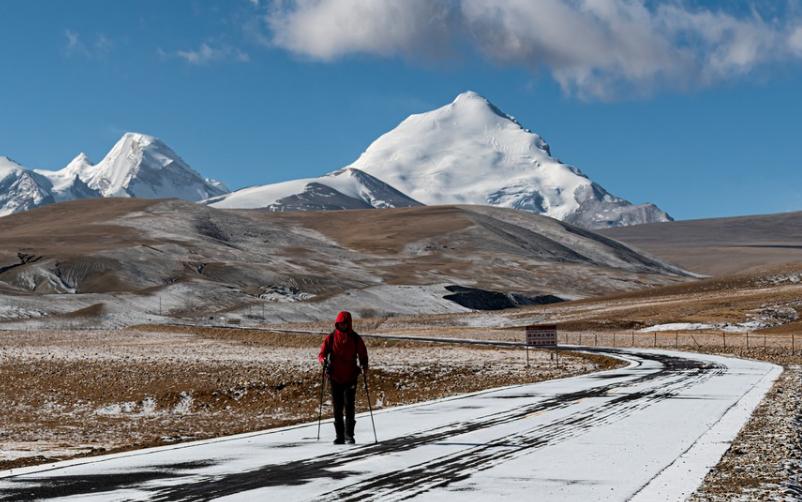
Tibet Trekking
Differential Requirements for Permits and Documents for Different Identities
Document Requirements for Mainland Residents Hiking
Mainland residents are the main group for hiking in Tibet. The document handling process is relatively simple, focusing on identity verification, border crossing, and hiking access documents:
- Valid second-generation ID card
- Border Pass for the corresponding hiking area
- Tibet Outdoor Hiking Permit
- Personal health declaration and outdoor insurance policy
Document Requirements for Hong Kong, Macao and Taiwan Travelers Hiking
In addition to basic documents, Hong Kong, Macao and Taiwan travelers going hiking in Tibet need to handle additional approval documents for entering Tibet, and cannot travel independently; they must follow a local travel agency team:
- Mainland Travel Permit for Hong Kong and Macao Residents / Mainland Travel Permit for Taiwan Residents
- Tibet Travel Approval Letter
- Border Management Zone Pass
- Special Hiking Permit Documents
- Full-group travel confirmation form
Document Requirements for Foreign Citizens Hiking
The control over foreign citizens hiking in Tibet is the strictest. All documents must be handled uniformly by regular travel agencies in Tibet, and they are not allowed to leave the group at any time:
- Valid passport and corresponding Chinese visa
- Foreigners’ Tibet Travel Approval Letter
- Foreigners’ Travel Permit
- Border Pass and special hiking permit
- Group travel filing form and insurance documents
Application Processes and Materials for Core Permits and Documents
Detailed Application Process for Border Pass
- Handling at the place of household registration: Carry the original ID card and a copy, go to the Exit-Entry Administration Hall of the local Public Security Bureau to get the application form, fill in the areas to be visited and the purpose of hiking tourism, and it can be completed on the spot.
- Handling locally in Lhasa: Entrust a regular travel agency to handle it on your behalf, provide personal information and travel plan, which can usually be completed within 1 to 3 working days, suitable for travelers who have not handled it in advance before departure.
- Filling precautions: Clearly fill in the areas involved in the hike, such as Ngari Area, Shannan Area, Shigatse Area, Nyingchi Area, etc., to avoid failure to pass due to missing filling.
Key Points for Handling Tibet Travel Approval Letter and Travel Permit
The Tibet Travel Approval Letter and Foreigners’ Travel Permit are only for Hong Kong, Macao and Taiwan travelers and foreign citizens. They are applied for uniformly by qualified local travel agencies in Tibet and are not accepted for individual application:
- Application time: Materials including passport, visa, travel plan, etc., need to be submitted more than 7 working days in advance.
- Usage requirements: The Tibet Travel Approval Letter must be used together with the passport and travel permit, and the travel area and time must be consistent with the permit; no arbitrary changes are allowed.
- Group constraints: The entire trip must follow the tour guide and vehicle arranged by the travel agency, and it is not allowed to leave the group alone to enter the hiking area.

Tibet Travel Permit
Hiking Health and Guarantee Documents
Health Certificate and Safety Statement
Plateau hiking has certain requirements on physical fitness. The competent authorities and travel agencies usually require travelers to provide relevant health documents to ensure hiking safety:
- Health check-up report: It is recommended to conduct physical examinations such as cardiopulmonary function and blood pressure in advance to prove that there are no serious diseases such as hypertension, heart disease, and asthma that are not suitable for plateau activities.
- Safety notice: For some high-difficulty hiking routes, it is necessary to sign a safety notice to clearly understand the risks of altitude sickness and emergency measures.
- Emergency contact information: Fill in the name and phone number of a domestic emergency contact for communication in case of emergency.
Outdoor Travel Insurance Policy
It is mandatory to purchase professional outdoor insurance covering plateau rescue, accidental medical treatment, and emergency evacuation for hiking in Tibet, which is one of the essential materials for handling the hiking permit:
- Insurance coverage: The medical rescue coverage shall not be less than 500,000 RMB, covering common hiking risks such as altitude sickness treatment and fracture injuries.
- Carrying requirements: Carry electronic and paper versions of the insurance policy with you, and mark the insurance company’s rescue phone number for quick contact in case of emergency.
Precautions for Carrying and Managing Documents
Classified Carrying Methods for Documents
- Keep the original basic documents and permit documents in a waterproof document bag, carry them with you, and do not put them in checked luggage.
- Make backups of all document copies and electronic scans, store them separately, and upload them to cloud storage at the same time.
- Print the travel itinerary, rescue phone number, and emergency contact information separately and carry them with you for checkpoint verification.
Common Document Problems and Solutions
- Expired documents: Check the validity period of all documents in advance and renew them in time if they are expired to avoid problems before departure.
- Lost documents: Contact the accompanying tour guide or local travel agency immediately to assist in handling a temporary certificate.
- Incomplete permits: When being verified at a checkpoint, explain the situation in a timely manner and contact the document handling agency to supplement the materials.
- Route inconsistency: Strictly follow the approved hiking route and do not enter unopened areas without permission.
Prepare Legally and Trek Confidently Across the Roof of the World
Trekking in Tibet offers an extraordinary opportunity to witness some of the planet’s most awe-inspiring landscapes. From pristine glaciers to sacred mountains and vast plateaus, every step reveals the raw beauty of the Himalayas. Ensuring that all necessary permits and documents are secured in advance is fundamental to a smooth and rewarding journey, allowing you to focus entirely on the adventure ahead.
For travelers seeking a seamless experience, partnering with a professional agency is highly recommended. China Dragon Travel specializes in Tibet trekking expeditions, providing assistance with permit applications, logistics, experienced guides, and customized itineraries. With expert support, you can confidently explore iconic routes such as the Everest East Face and the Karma Valley while enjoying a safe, responsible, and unforgettable Himalayan adventure.