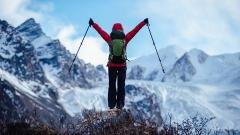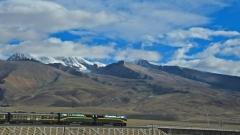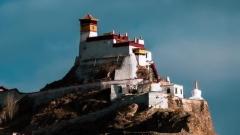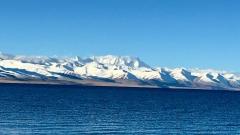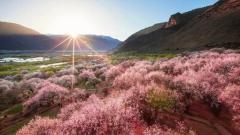

In May, Tibet sheds the chill of late winter and has not yet ushered in the rainy season of summer, making it an ideal travel time in the hearts of many travelers. At this time, the plateau is dotted with gradually spreading greenery, and the blue sky, white clouds and clear lake water set off each other beautifully. The stability of Tibet’s weather in May further ensures this plateau journey. For travelers planning to visit Tibet, understanding the local climatic characteristics in May is crucial. It not only helps choose appropriate clothing but also allows for reasonable itinerary planning to avoid annoying weather troubles. Next, starting from core climatic data such as temperature, precipitation and sunshine, combined with regional differences, this article will bring travelers the most detailed guide to Tibet’s weather in May.
Overall Characteristics of Tibet’s Weather in May: A Golden Plateau Season with Mild Temperatures and Little Rain
Temperature: Gradually Rising, Warm Days and Cool Nights Suitable for Travel
Temperatures across Tibet gradually rise in May, with an average temperature ranging between 5°C and 15°C. Compared to the severe cold from November to March of the following year, the temperature at this time is more acceptable to travelers. Especially during the day, under sufficient sunlight, the thermal conductivity of the clean air makes the sensible temperature more comfortable. The maximum daytime temperature in most areas can reach around 18°C, which is very suitable for outdoor visits; the temperature will drop at night, with a relatively obvious day-night temperature difference, so it is necessary to prepare for warmth.
Precipitation: Late Dry Season, Showers as Main Form with Minimal Impact
May in Tibet is still in the late dry season, with relatively little average precipitation across the region. The monthly precipitation in most areas is less than 20 millimeters. Precipitation mainly occurs in the form of showers, which are short-lived and have little impact on the itinerary. However, it should be noted that short-term hail or light snow may occur in high-altitude mountainous areas, but the probability is extremely low, so travelers do not need to worry excessively.
Sunshine: Abundant Hours, Sun Protection is a Top Priority
Tibet itself is known as the “City of Sunshine”, and the sunshine hours in May are even more abundant, with an average of 8 to 10 hours of sunshine per day across the region. Sufficient sunshine not only makes the scenery more transparent but also helps travelers adapt to the plateau environment. However, strong ultraviolet rays are also a key issue that must be focused on during the trip, and high-factor sun protection products need to be prepared in advance.
Key Reminder: Although Tibet’s weather in May is generally stable, the plateau climate is unpredictable. The situation of “four seasons in one day” often occurs, so travelers need to prepare in advance to cope with changes in temperature difference.
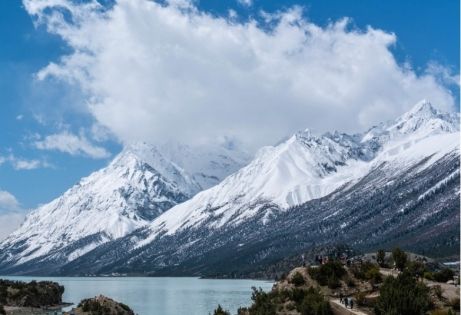
Natural scenery of Lake Wu, Tibet
Differences in Tibet’s Weather in May Across Regions: Refined Planning for Different Itineraries
Tibet has a vast territory, and significant differences in altitude and terrain between different regions lead to obvious variations in Tibet’s weather in May across various areas. When planning their itineraries, travelers need to adjust their travel preparations according to the specific climatic conditions of their destinations. Below is a detailed explanation of the weather in May for several popular tourist areas:
Lhasa: A Comfortable and Pleasant City of Sunshine
Lhasa, with an altitude of about 3650 meters, has the most comfortable weather in May, making it one of the best months for travel throughout the year. Its performance in various climatic dimensions is very friendly to travelers.
In terms of temperature, the average temperature in Lhasa at this time is about 8°C to 16°C, with a day-night temperature difference of about 10°C to 15°C: the maximum daytime temperature can reach 20°C, with a mild sensible temperature; the minimum nighttime temperature is about 5°C, so it is necessary to keep warm.
In terms of precipitation, the monthly precipitation is only 5 to 10 millimeters, which is extremely little, and there is almost no continuous rainfall, so the impact on the itinerary is negligible.
Sunshine and Travel Adaptation: Sufficient sunshine makes attractions such as the Potala Palace and Jokhang Temple look more solemn and sacred under the sun; in terms of clothing suggestions, wearing a light jacket with a long-sleeved T-shirt during the day is sufficient, and a thick jacket or light down jacket needs to be added at night.
Nyingchi: A Spring-like “Jiangnan of Eastern Tibet”
Nyingchi, with a relatively low altitude of about 2900 meters, is affected by the warm and humid air currents from the Indian Ocean. Its weather in May shows the characteristics of warmth and humidity, different from the dryness of western Tibet, and has quite the charm of “Jiangnan in Eastern Tibet”, which is also very friendly to travelers.
In terms of temperature, the average temperature is about 10°C to 18°C, with a relatively small day-night temperature difference: the maximum daytime temperature can reach 22°C, with a warm and comfortable sensible temperature; the minimum nighttime temperature is about 8°C, so no heavy warm clothing is needed.
In terms of precipitation, the precipitation in Nyingchi in May is slightly more than that in Lhasa, with a monthly precipitation of about 15 to 25 millimeters, but it is mostly showers, which are short-lived. Moreover, the air becomes fresher after rain, which hardly affects the itinerary arrangement.
Travel and Clothing Adaptation: At this time, attractions such as the Lulang Forest Sea and Yarlung Zangbo Grand Canyon are covered with rich greenery, just like the Jiangnan water towns; in terms of clothing suggestions, travelers can wear a long-sleeved T-shirt with a light windbreaker, and remember to carry a portable rain gear on rainy days.
Xigaze: The Dry and Transparent Core of Rear Tibet
Xigaze, with an altitude of about 3850 meters, is slightly higher than Lhasa. Its weather in May is mainly dry and transparent. The average temperature is about 6°C to 14°C, the maximum daytime temperature is about 18°C, and the minimum nighttime temperature is about 3°C, with a relatively large day-night temperature difference.
Precipitation is extremely little, with monthly precipitation less than 10 millimeters, and sunshine is abundant, which is conducive to viewing the majestic scenery of Mount Everest. It should be noted that in areas of Xigaze near Mount Everest, short-term strong winds may occur in May. When travelers go to Everest Base Camp, they need to carry windproof jackets and scarves and take windproof and warm measures.
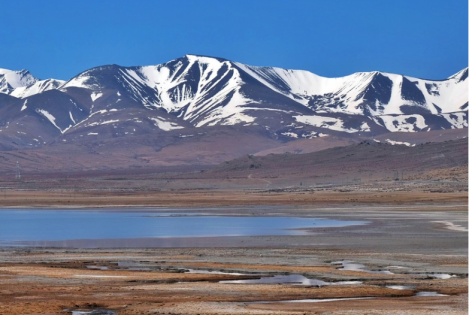
Wetlands in Shigatse
Nagqu: The Still Chilly Northern Tibet Grassland
Nagqu, with a relatively high altitude of about 4500 meters, is one of the coldest areas in Tibet in May. The average temperature is about 2°C to 10°C, the maximum daytime temperature is about 15°C, and the minimum nighttime temperature can drop below 0°C, and frost may still occur in some areas. Precipitation is scarce, with monthly precipitation less than 5 millimeters, but the wind force is relatively strong, with an average wind speed of 3 to 5 meters per second. The Nagqu Grassland in May has not yet fully turned green and still has the bleakness of late winter. It is recommended that unless travelers are specifically going to northern Tibet for adventure, they can adjust their Nagqu itinerary to after June. If they must go, they need to carry thick down jackets, windproof pants and other warm clothing.
Practical Travel Guide for Tibet’s Weather in May: Comprehensive Coverage of Clothing, Protection and Itinerary Planning
Combined with the characteristics of Tibet’s weather in May, travelers need to make full preparations before departure to ensure a smooth and comfortable journey. Below are practical suggestions for travelers from three core aspects: clothing, protection and itinerary planning:
Clothing Suggestions: Layered Dressing to Cope with Day-Night Temperature Differences
Core Principle: Layered Dressing to Adapt to Temperature Changes
One of the core characteristics of Tibet’s weather in May is the large day-night temperature difference. Therefore, layered dressing is the best choice, which allows for flexible addition or removal of clothing according to temperature changes, balancing comfort and warmth.
Detailed Layered Dressing Rules: Each Layer Has Its Own Requirements
Inner Layer: Wear a breathable and sweat-absorbent long-sleeved T-shirt or quick-drying clothes, which are convenient for activities and can absorb sweat in a timely manner to avoid colds caused by wind after sweating;
Middle Layer: Wear a light sweater, fleece jacket or light down jacket to resist the cold at night, which is the core layer for coping with low temperatures;
Outer Layer: Wear a lightweight windproof and waterproof jacket to cope with possible showers or strong winds and play a protective role.
Lower Body and Footwear: Balancing Protection and Practicality
For the lower body, it is recommended to wear long pants, preferably casual pants or outdoor quick-drying pants, and avoid wearing shorts—not only can they resist strong ultraviolet rays for sun protection, but also effectively repel mosquito bites.
In terms of footwear, comfortable outdoor sports shoes or hiking shoes are recommended, which require thick and non-slip soles, and can adapt to various terrains such as gravel roads and dirt roads in plateau areas to ensure walking safety.
Essential Accessories: Protection in Details
In addition, it is also necessary to carry accessories such as hats, scarves and gloves: it is recommended to choose a wide-brimmed hat, which can not only block the sun for sun protection but also keep warm at low temperatures; scarves can be used for windproof and sandproof purposes, and can also cover the face for enhanced sun protection when necessary; gloves are suitable for early mornings, nights or high-altitude areas to resist the cold.
Protection Measures: Focus on Sun Protection, Moisturization and Altitude Sickness Prevention
A prominent feature of Tibet’s weather in May is abundant sunshine. Strong ultraviolet rays can cause damage to the skin and eyes, so sun protection is a top priority. Travelers need to carry high-factor sunscreen with SPF50+ and PA++++, and reapply it regularly, especially during outdoor activities; at the same time, wear sunglasses to protect the eyes from strong light stimulation; after applying sunscreen on the face and neck, wrap them with a scarf to further enhance the sun protection effect.
Tibet’s weather in May is dry with low air humidity. Travelers are prone to dry skin, chapped lips and other conditions. It is necessary to carry moisturizing products such as moisturizer, lip balm and hand cream, and drink plenty of water. It is recommended to drink more than 2000 milliliters of water per day to replenish body moisture. In addition, altitude sickness is also related to the weather to a certain extent. The mild weather in May is conducive to travelers’ adaptation to the plateau environment, but it is still necessary to prepare in advance, avoid strenuous exercise, and carry anti-altitude sickness drugs. If severe altitude sickness symptoms occur, it is necessary to seek medical attention in a timely manner.
Itinerary Planning: Choosing Suitable Attractions and Time Periods Based on Weather
- Best Travel Time: Prioritize choosing 10:00-16:00 during the day. At this time, the temperature is comfortable and the sunshine is abundant, providing a good viewing experience; the temperature drops sharply at night, so reduce going out and rest at ease to reserve energy.
- Recommended Itinerary: Prioritize the classic Lhasa-Nyingchi-Xigaze route. The weather in these three places is stable in May, and the attractions are relatively mature, with high adaptability.
- Notes for Traveling to Everest Base Camp: It is necessary to check the weather forecast in advance and choose a sunny and windless period to go; some high-altitude sections may still have snow or ice, so self-driving travelers need to carry anti-skid chains and drive carefully.
Common Misconceptions About Tibet’s Weather in May: These Cognitions Need to Be Corrected
Many travelers have some misconceptions about Tibet’s weather in May. If not corrected in time, it may affect the travel experience. Below are several common misconceptions and correct cognitions:
Misconception 1: Tibet is very hot in May. In fact, Tibet has a high altitude. Even in May, the average temperature is only about 15°C, and it will never be hot. On the contrary, it is necessary to pay attention to keeping warm to avoid catching cold.
Misconception 2: Flowers bloom everywhere in Tibet in May. Tibet’s flower season is mainly concentrated from June to August. In May, only some areas in Nyingchi have flowers blooming, and most other areas are in the initial stage of greening. Travelers should not have excessive expectations for flower sea scenery.
Misconception 3: There is little precipitation in Tibet in May, so there is no need to carry rain gear. Although there is little precipitation in Tibet in May, showers may still occur, especially in areas such as Nyingchi and Yarlung Zangbo Grand Canyon. Carrying a portable rain gear can better cope with sudden weather.
Warm Reminder: Before departure, travelers are advised to check the real-time weather forecast of various parts of Tibet again and adjust their itinerary and carried items according to the latest weather conditions to ensure a smooth journey.
Tibet’s Weather in May is an Ideal Choice for Travelers
In summary, Tibet’s weather in May is mainly characterized by mild temperatures, little rain and abundant sunshine. Although there are certain climatic differences between various regions, they are generally suitable for travelers to visit. At this time, Tibet can not only allow travelers to avoid the troubles of severe cold and heavy rain but also let them enjoy the transitional scenery of the plateau from winter to summer and feel the unique humanistic customs. As long as travelers understand the weather characteristics of various regions in May in advance, make preparations such as clothing and protection, and plan their itineraries reasonably, they can fully enjoy this plateau journey.
If you plan to travel to Tibet in May, you may wish to refer to the weather guide in this article to make this journey more perfect due to the suitable weather. Tibet in May is waiting for you to appreciate its grandeur and sacredness.