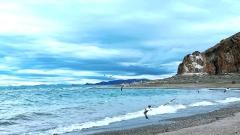

Due to Tibet’s vast geographic scale, its landscapes and cultural characteristics vary significantly from region to region. Choosing the right entry cities and understanding how they connect is a critical step in planning a smooth and rewarding Tibet journey. Lhasa, Nyingchi, Shigatse, and Ngari serve not only as transportation hubs but also as gateways to different travel themes—ranging from Tibetan Buddhism and history to alpine scenery, Himalayan landmarks, and remote wilderness exploration.
What Are the Four Most Popular Tourist Cities in Tibet?
Travel in Tibet usually involves moving between different regions. Each major tourist city has a clear positioning: Lhasa is the cultural and administrative center, Nyingchi is famous for its natural scenery, Shigatse has a rich history and is the gateway to Mount Everest, and Ngari represents primitive wilderness landscapes. Mastering key information such as the geographical location, altitude, best travel season and core tourist items of these cities in advance helps formulate a reasonable itinerary, allocate travel time and budget effectively, reduce unnecessary transportation time or altitude acclimatization problems, thereby enhancing the overall travel experience.
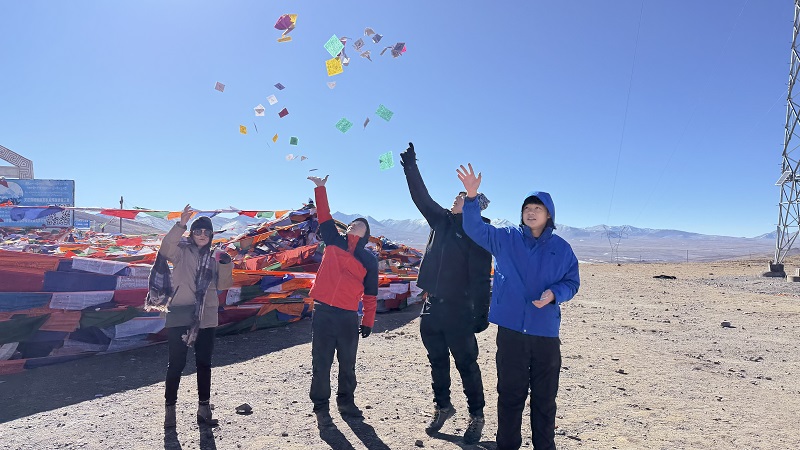
Tibet Tourist Photos
Exploring Lhasa: Tibet’s Capital and Cultural Center
Lhasa is the first stop for most tourists entering Tibet and the most core popular Tibet entry city. With an altitude of about 3,650 meters, it is not only an important transportation hub but also the center for experiencing Tibetan religious culture and historical traditions.
Transportation Information and Altitude Acclimatization
Tourists can arrive at Lhasa Gonggar Airport by flight or Lhasa Railway Station via the Qinghai-Tibet Railway. It is recommended to arrange a stay of no less than two days after arriving in Lhasa to allow the body to gradually adapt to the plateau environment. During the acclimatization period, avoid strenuous exercise, pay attention to replenishing water and ensure adequate rest. Within the urban area, taxis, online car-hailing services and rickshaws can conveniently travel between major attractions.
Core Attractions and Experience Activities
Potala Palace: Visits must be booked in advance with real names through official channels. Please visit according to the designated route, carefully appreciate its architecture, historical relics and religious sacred objects, and it is recommended to reserve at least 3 hours for the visit.
Jokhang Temple and Barkhor Street: Jokhang Temple is an important pilgrimage destination for believers, with a solemn atmosphere. Barkhor Street surrounding the temple is a famous circumambulation path and commercial block, where tourists can experience the local lifestyle and purchase handicrafts. Please walk in a clockwise direction.
Sera Monastery Debate: Except for Sundays, a debate activity is held at the debate ground of Sera Monastery every afternoon. Monks discuss Buddhism through question and answer, which is a unique form. Even if you are not familiar with the specific content, the on-site atmosphere is worth experiencing in person.
Lhasa offers a wide range of accommodation options, from budget inns to international brand hotels. For tourists visiting the plateau for the first time, choosing a hotel with in-room oxygen supply facilities helps improve sleep quality in the first few nights and has a positive effect on relieving altitude sickness.
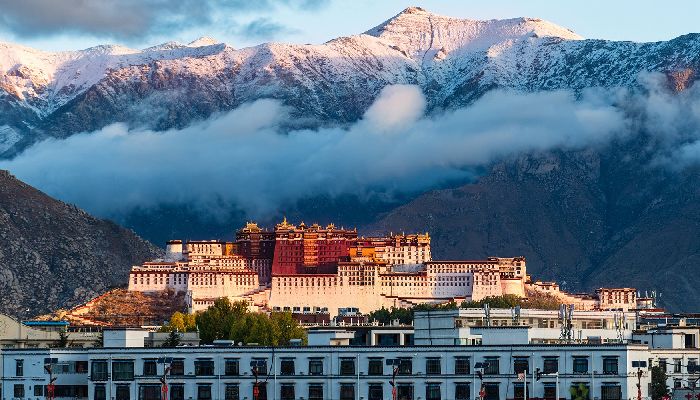
Potala Palace in Lhasa
Visiting Nyingchi: Tibet’s Forest and River Valley Landscapes
Nyingchi Prefecture has a relatively low average altitude (about 3,000 meters) and a humid climate. Famous for its dense forests, deep canyons and beautiful pastoral scenery, it is another important popular Tibet entry city, especially suitable for visiting after acclimatizing to the altitude in Lhasa.
Major Natural Landscapes
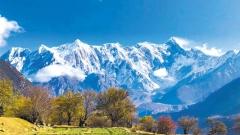
Yarlung Zangbo Grand Canyon: It is one of the main places to view Mount Namcha Barwa. There are multiple viewing platforms in the scenic area, and tourists can take sightseeing buses to visit. Whether the full view of the mountain can be clearly seen depends on the specific weather conditions.
Basum Tso: The lake water presents a unique turquoise color, with an island in the lake and a temple built on the island. Tourists can walk along the lakeside trail to enjoy the peaceful lake and mountain scenery.
Nyingchi Lulang Forest Sea: A forest landscape belt composed of large areas of spruce and pine trees, with a broad view and pleasant scenery. The local specialty stone pot chicken is cooked with Tibetan medicinal materials and chicken, featuring a unique flavor that is worth tasting.
Nyingchi has distinct scenery in four seasons. It is most famous for its blooming peach blossoms in spring, but the lush green in summer and the colorful colors in autumn are also attractive. Traveling from Lhasa to Nyingchi via the Linla Expressway takes about 5 hours, with good road conditions along the way.
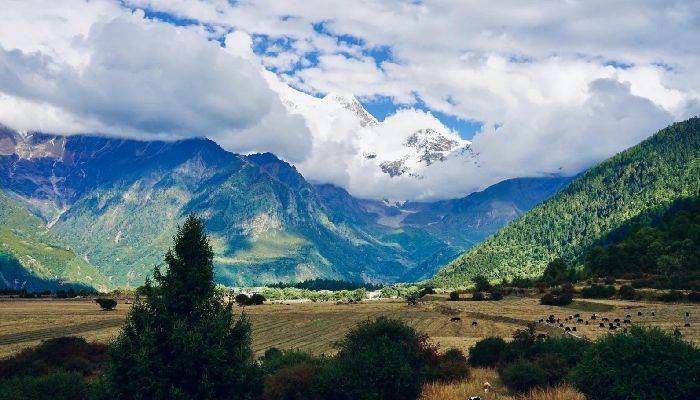
Yarlung Zangbo Grand Canyon in Nyingchi
Traveling to Shigatse: Western Tibet’s History and Everest Gateway
Shigatse is Tibet’s second-largest city and a necessary stop on the way to Everest Base Camp. This popular Tibet entry city combines rich historical relics with stunning natural wonders.
Core Tourist Content
Tashilhunpo Monastery: As the residence of successive Panchen Lamas, the monastery complex is large-scale. The Maitreya Buddha Hall in the monastery enshrines a huge gilded sitting statue of Maitreya Buddha, which is the focus of the visit.
Everest Base Camp: The distance from downtown Shigatse to Everest Base Camp is relatively far, and a Border Control Permit must be applied for in Dingri County. The altitude of the base camp area is relatively high (about 5,200 meters), and the accommodation conditions are relatively simple, but for many travelers, the experience of seeing the world’s highest peak with their own eyes is the core goal of the journey.
Sakya Monastery: If you are interested in different sects of Tibetan Buddhism, Sakya Monastery located in Sakya County is worth a special visit. Its unique architectural style and collected ancient scriptures and murals have important historical and artistic value.
The accommodation and catering conditions in Shigatse are more basic than those in Lhasa, but they can meet the basic needs of travelers. The roads to the Everest area have high requirements for vehicle performance and driver experience. It is essential to choose an off-road vehicle in good condition and a driver familiar with the road conditions.
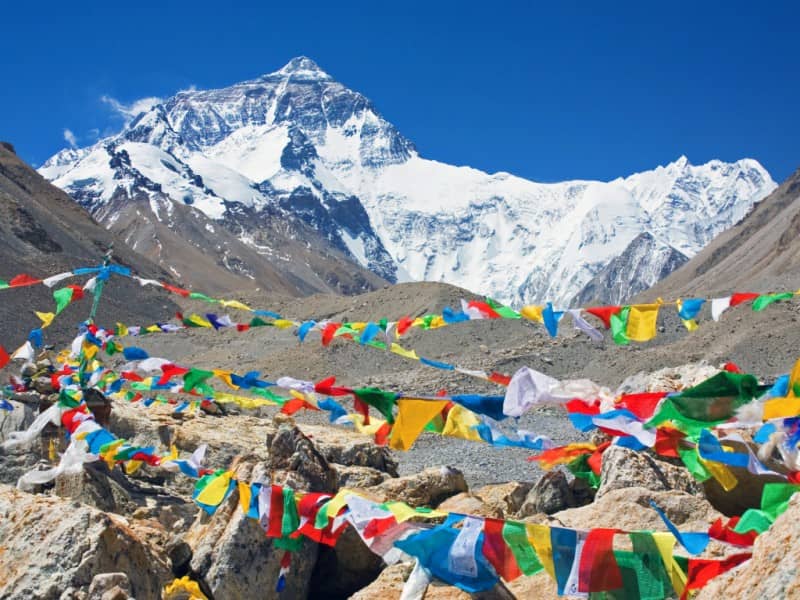
Mount Everest
Exploring Ngari: The Wilderness Hinterland of Western Tibet
Ngari Prefecture is usually known as “the roof of the world’s roof”. It is a destination for in-depth adventure travel with long distances and relatively harsh conditions, and also the western end of the grand loop connecting major popular Tibet entry cities.
Major Adventure Highlights
Kailash and Manasarovar: Kailash is regarded as a sacred place by multiple religions, and trekking around the mountain is a challenging activity. Manasarovar at the foot of the mountain is a famous sacred lake.
Zanda Earth Forest and Guge Kingdom Ruins: The earth forest landform in Zanda County is spectacular. The Guge Kingdom Ruins standing in the earth forest present a desolate and mysterious scene at sunset.
Pangong Tso: It is a long and narrow lake, partially located in the territory. It is famous for the bird island in the lake and the unique phenomenon that the lake water is “fresh in the east and salty in the west”.
Travel conditions in Ngari Prefecture are quite challenging, with an average altitude exceeding 4,500 meters, long distances between attractions, and limited accommodation and catering facilities along the way. It is not recommended for tourists without rich experience in long-distance plateau travel to go alone. To visit this area, you should join a group organized by a professional travel agency, and ensure that you are equipped with reliable off-road vehicles, experienced drivers and comprehensive logistics support.
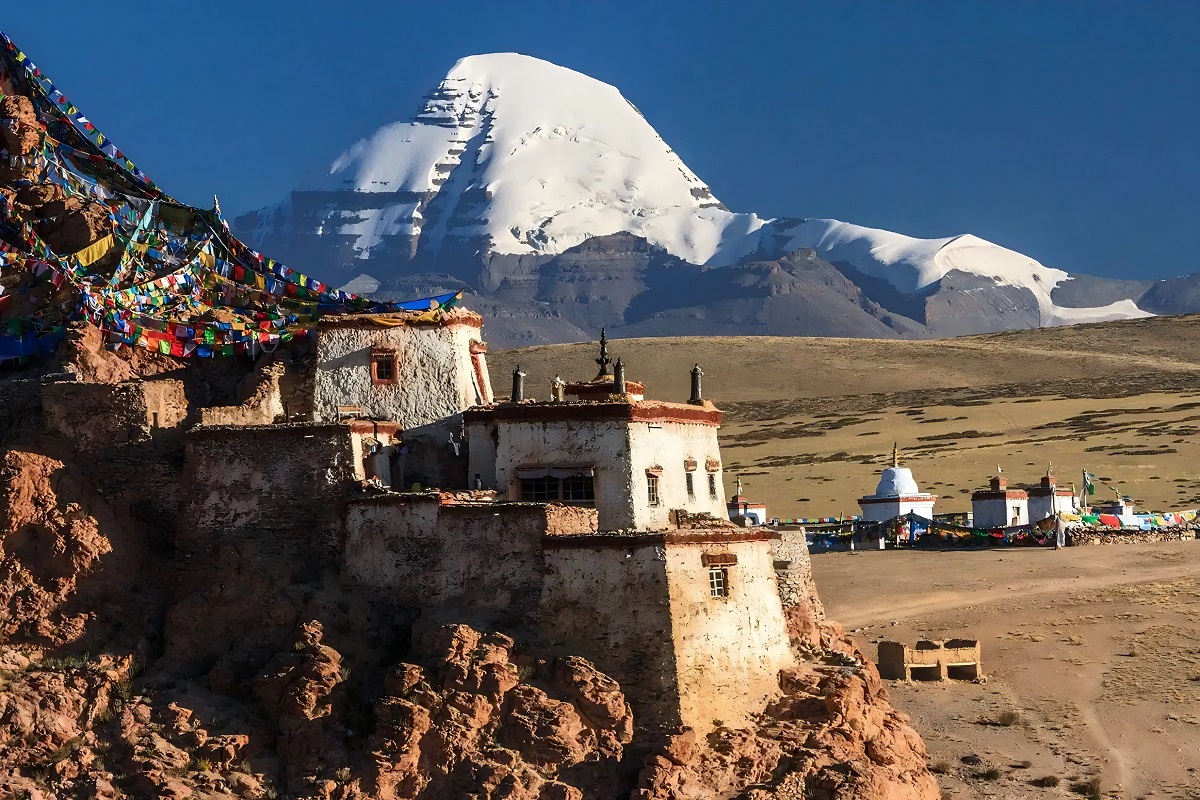
Mount Kailash
How to Choose Suitable Popular Tibet Entry Cities Based on Personal Interests
Faced with different popular Tibet entry cities, the choice mainly depends on tourists’ personal interests and preferences, travel time, budget and physical condition. The following criteria are for reference:
Interested in Tibetan Culture and Religious History
If you hope to deeply understand Tibetan Buddhism and Tibet’s history, Lhasa and Shigatse should be taken as core destinations. The Potala Palace, Jokhang Temple and the Three Great Monasteries in Lhasa, as well as Tashilhunpo Monastery and Sakya Monastery in Shigatse, represent different sects and historical stages respectively. It is recommended to allocate most of the time to these two cities and participate in in-depth cultural interpretation activities.
Focus on Appreciating Natural Scenery and Photography
If the primary goal is to watch magnificent natural landscapes, then Nyingchi and parts of Shigatse including the Everest route are the key points. The canyons, forests and lakes in Nyingchi are particularly prominent in spring and autumn. Traveling to Dingri County in Shigatse is to get the opportunity to watch and photograph Mount Everest. Such travelers need to pay close attention to weather conditions.
Pursue Wilderness Adventure and Extreme Experiences
For experienced travelers seeking challenges and primitive wilderness experiences, Ngari is the ultimate choice. Its appeal lies in the vast no-man’s land, the shocking scenery of sacred mountains and lakes, and the historical mystery of the Guge Kingdom. Choosing Ngari means accepting relatively harsh travel conditions and long driving hours.
Comprehensive Consideration of Time and Comfort
For tourists with limited travel time (such as less than 10 days) or visiting Tibet for the first time who have requirements for travel comfort, it is recommended to take Lhasa as the core and match it with Nyingchi Prefecture, which has a lower altitude and shorter distance. This can not only ensure sufficient time for altitude acclimatization, experience culture and natural scenery but also avoid an overly tiring itinerary.
Key Preparations to Complete Before Departure
Coping with the Plateau Environment
Preventing Altitude Sickness: Avoid high-intensity physical exercise and ensure adequate rest one week before departure. You can prepare some drugs to assist in adapting to the plateau after consulting a doctor. After arrival, slow down the activity rhythm, drink plenty of water and keep warm. Ibuprofen and other drugs can be prepared to cope with possible headaches.
Clothing and Equipment List: Regardless of the season of visit, you must prepare warm clothes (such as down jackets or fleece jackets), windproof outerwear, hats, sunglasses and high-magnification sunscreen. A pair of comfortable and non-slip hiking shoes is essential.
Documents and Travel Safety Notes
Border Control Permit: If you plan to visit border areas such as Everest Base Camp and Ngari, you must apply for the “Border Control Area Pass” in advance at the public security organ of your household registration place or through a qualified travel agency in Tibet.
Respecting Local Culture and Customs: Take off your hat when entering temples, do not touch Buddha statues, scriptures and other religious items at will, and turn prayer wheels in a clockwise direction. Obtain the other party’s consent in advance before taking photos of people.
Purchasing Special Travel Insurance: Be sure to purchase a special travel insurance that covers emergency medical treatment for acute altitude sickness, medical transfer and rescue services.
Choosing a Professional Travel Agency to Assist in Arranging Tibet Itinerary
Tibet travel involves a series of affairs requiring local professional knowledge, such as Border Control Permit application, long-distance transportation arrangement and accommodation booking in remote areas. Entrusting these tasks to an organization with rich local operational experience such as China Dragon Travel can effectively save tourists’ time and energy. They can design a reasonable itinerary according to the popular Tibet entry cities tourists wish to visit and their specific interests, arrange reliable fleets and drivers, efficiently handle various travel procedures, and provide necessary support during the journey, allowing tourists to focus more on the travel experience itself.
Planning a Balanced Tibet Journey Through Its Key Cities
Each of Tibet’s major cities represents a distinct aspect of the plateau, and there is no single “best” route that suits everyone. Understanding differences in altitude, travel intensity, accessibility, and primary attractions allows travelers to allocate time and resources more effectively while reducing physical strain. Because Tibet travel involves permits, long-distance transfers, and high-altitude environments, working with experienced regional specialists such as China Dragon Travel can simplify logistics and ensure that routes are arranged realistically and safely. With the right preparation and city selection, a Tibet journey can be both immersive and well-paced.