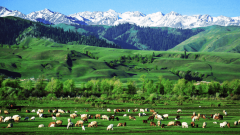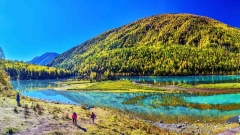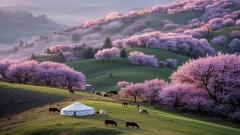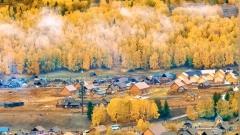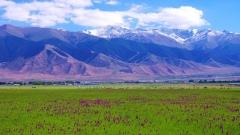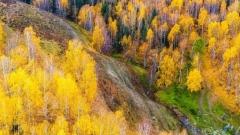

A self-guided tour of the Silk Road is like an ancient breath slowly awakening on a map, carrying the scent of dust and the glimmer of time. Travelers along this route will always discover that every city, every stretch of desert, every relic in the wind and sand is like a memory spanning millennia, softly echoing in the wind. The advantage of independent travel is that your pace doesn’t have to conform to any rhythm; you can wake to the sound of camel bells at dawn, or linger under the beacon towers at dusk, just to wait for a ray of light to fall on the ancient city walls, as if falling on the shoulder of history.
Why Explore the Silk Road Through Free Travel?
The Silk Road is not just a geographical route—it is a living corridor of civilizations, religions, cultures, landscapes, and human stories.
Free travel allows you to experience this ancient world at your own rhythm, without rushing from one spot to another.
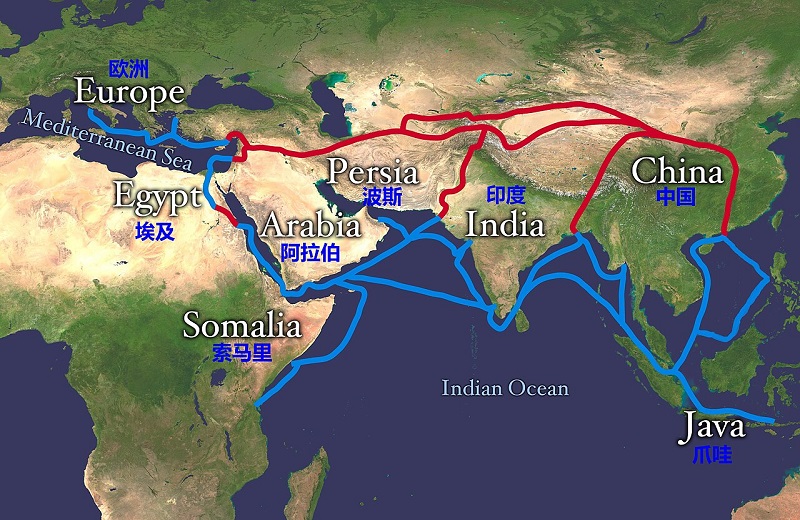
The Silk Road stretched from Europe, passing through Egypt, Somalia, the Arabian Peninsula, Iran, Afghanistan, Central Asia, Pakistan, India, Sri Lanka, Myanmar, the Java Islands, and the Philippines, all the way to China.
Every dune, mural, bazaar, and mountain becomes a personal chapter of your journey.
Silk Road Free Travel
Best Time to Visit the Silk Road – April–June & September–October
Because the Silk Road spans deserts, mountains, oases, and highlands, choosing the right season greatly improves travel comfort.
Spring (April–June)
- Comfortable temperatures
- Perfect for Mogao Grottoes and desert walks
Autumn (September–October)
- Crisp weather
- Best time for photography
- Xinjiang fruit season
Avoid
- July–August (extremely hot in Xinjiang deserts)
- December–February (too cold in high-altitude areas)
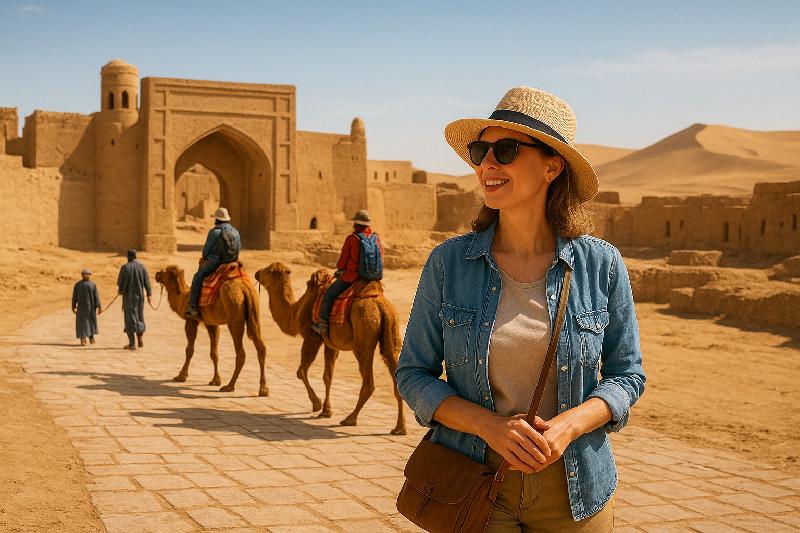
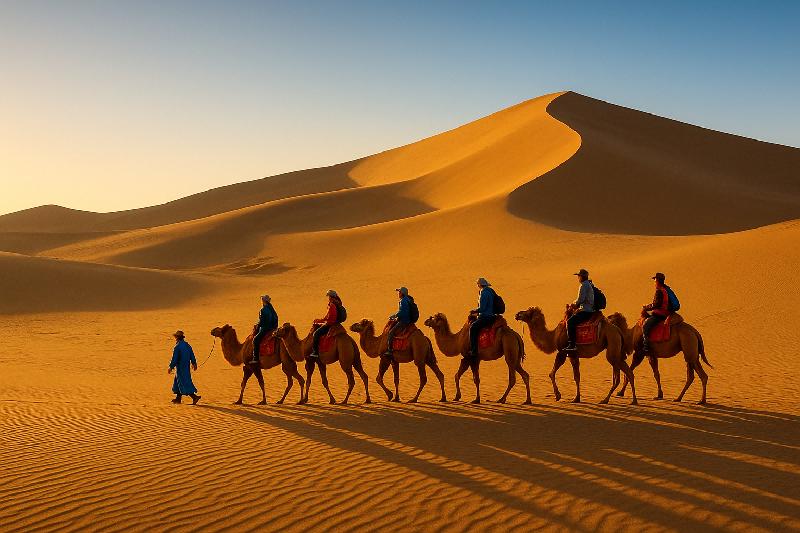
Strolling through the ancient Silk Road city ruins, between golden deserts and timeworn city walls, travelers, historical sites, and sand dunes intertwine to create an elegant and tranquil scene of a Silk Road journey.
Silk Road Travel
How to Plan Your Silk Road Free Travel?
Three Traveler-Friendly Route Templates
5–7 Days: Silk Road Starter (Dunhuang + Zhangye) :Perfect for first-time travelers.
Highlights:
- Mogao Grottoes
- Mingsha Dunes & Crescent Lake
- Zhangye Danxia Landform
- Jiayuguan Pass
8–12 Days: Classic Silk Road Route (Gansu → Xinjiang):A cultural deep dive.
Highlights:
- Dunhuang desert experiences
- Jiayuguan Fortress
- Urumqi + Heavenly Lake
- Kashgar Old Town
14–20 Days: Full Silk Road Exploration Loop:For long-trip adventurers.
Additional destinations:
- Kuqa: Kizil Caves
- Nalati Grassland
- Ili Lavender Fields
- Turpan Ancient City
In-Depth Guide to Major Silk Road Destinations
Dunhuang — The Artistic Heart of the Silk Road
Must-Visit:
- Mogao Grottoes(advance booking essential)
- Mingsha Dunes & Crescent Lake
- Dunhuang Museum
Recommended Experiences:
- Camel riding in the desert
- Sunset photography
- Night market walks
Zhangye — The Earth’s Natural Color Palette
Must-Visit:
- Zhangye Danxia National Geological Park
- Giant Buddha Temple
Best Time: One hour before sunset
Jiayuguan — The Western Gateway of the Great Wall
A symbol of ancient Chinese frontiers.
Highlights:
- Jiayuguan Fortress
- First Beacon Tower
Urumqi — Gateway to Xinjiang
Must-Visit:
- Xinjiang Regional Museum
- Heavenly Lake
Traveler Notes:
- Security checks take extra time
- Passport required frequently
Kashgar — The Soul of the Silk Road
Kashgar is a city where ancient stories breathe through every alley.
Must-Visit:
- Old Town
- Id Kah Mosque
- Sunday Bazaar
- High Platform Residences
Recommended Free Travel Activities:
- Tea with locals
- Wandering narrow alleys
- Street photography
- Trying local snacks everywhere you walk
Silk Road Travel
Accommodation Guide for Silk Road Free Travel
International-Friendly Hotels
- Convenient transportation access
- Front desk staff with good English proficiency
- Suitable for first-time travelers visiting the Silk Road
Local Guesthouses / Boutique Inns
- Closer to the historical atmosphere of the Silk Road
- Often provide common areas for traveler interactions (very popular among international free independent travelers)
Desert Glamping Campsites (great for night sky lovers)
- Available near Mingsha Mountain or desert oases
- Suitable for photographing the night sky and sunrise
Transportation on the Silk Road
High-Speed Rail
Many cities along the Silk Road have been connected by high-speed rail, making it the most convenient mode of transportation. Dunhuang → Zhangye → Lanzhou → Urumqi. The entire route is accessible directly by high-speed trains.
Domestic Flights
Ideal for long distances (e.g., Dunhuang → Urumqi).
Private Car / Driver Guide
- The various viewing platforms of the Zhangye Danxia landforms
- The villages surrounding Kashgar
- The long distances between many scenic spots in Xinjiang
Local Transportation
- Taxis
- Tourist buses
- City buses
Silk Road Free Travel Cuisine Guide
The Silk Road is a heaven for food lovers.
Gansu Cuisine
- Lanzhou beef noodles
- Lamb dishes
Xinjiang Cuisine
- Kebabs
- Pilaf
- Baked buns
- Handmade noodles
- Seasonal fruits
Tip: Food can be spicy or heavy—take it slow at first.
Safety & Cultural Tips
- Keep your passport with you at all times
- Respect mosque etiquette
- Avoid entering deep desert alone
- Locals are friendly—don’t hesitate to interact
May Your Silk Road Free Travel Become a Journey of Wind, Light, and Memory
Free travel is not about handling everything alone—It’s about being the protagonist of your own journey. China Dragon Travel helps you keep the freedom while removing the stress. When you walk along this ancient route, you will understand why countless travelers from East and West crossed it for thousands of years.
And when you are ready to begin: China Dragon Travel Will walk with you through this timeless road. To seek the true essence of the Silk Road in the golden deserts, one truly needs the guidance of an excellent travel companion, like China Dragon Travel.