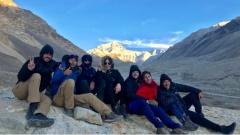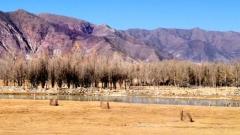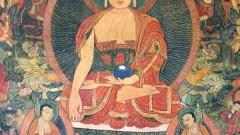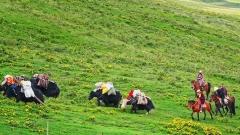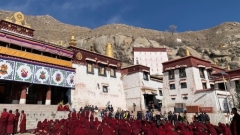

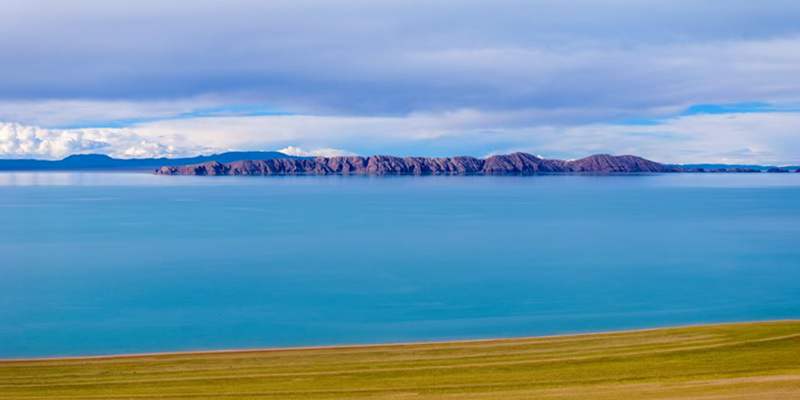
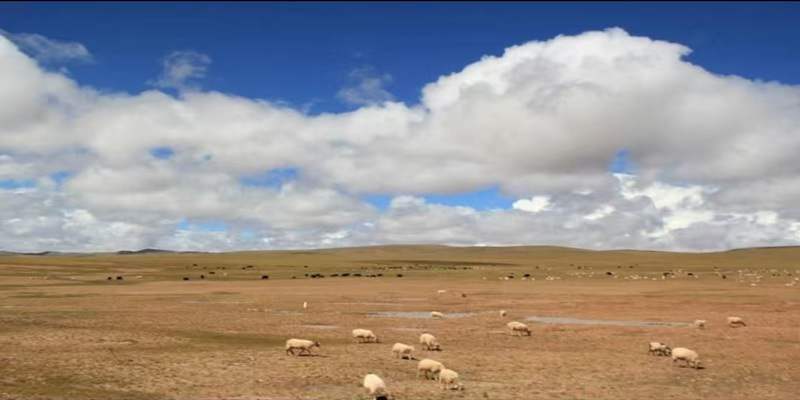
Nested in Nagqu City, Tibet, Nagqu Changtang Grassland is the core of the Northern Tibetan Plateau and one of China’s top five grasslands, spanning hundreds of thousands of square kilometers. Hailed as the “Green Treasure on the Roof of the World,” it sits at an average altitude above 4500 meters, boasting endless sky, lush meadows stretching to the horizon, snow-capped glaciers in the distance, and herds of cattle, sheep, and horses roaming nearby. Rare wildlife like Tibetan antelopes and wild asses thrive here freely, painting a pure and magnificent plateau landscape. As a key cradle of Tibetan culture, it offers not only stunning natural scenery but also profound folk customs, with unique events like the Horse Racing Festival and Wangguo Festival. It’s a must-visit for travelers worldwide seeking plateau secrets and pure natural and cultural beauty.
Best Time to Visit Nagqu Changtang Grassland
Shaped by the plateau terrain, Nagqu Changtang Grassland has distinct and varied seasons. Each season offers unique scenery, so travelers can choose based on their preferences—no matter when you go, you’ll encounter its special charm.
Summer: Golden Season for Grassland Splendor & Horse Racing Festivities
Summer is the prime time to visit, from June to September. Temperatures rise to 5℃ to 15℃, making it the mildest and most scenic period of the year. The grassland sheds its winter bleakness, with lush green grass growing wildly, dotted with tiny purple and yellow wildflowers swaying gently in the wind, bursting with vitality. Rivers thaw, their clear waters winding through the landscape, reflecting the blue sky, white clouds, and distant snow-capped mountains—every snapshot is a breathtaking view. Most importantly, around August, the grand Horse Racing Festival takes place, the most solemn folk event in Northern Tibet. Herders dress in elaborate costumes, riding horses across the racecourse, accompanied by wrestling, singing, dancing, and scripture recitation. It’s a chance to deeply feel the Tibetan people’s enthusiasm and boldness.
Winter: Vast Snowy Season for Polar Plateau Experiences
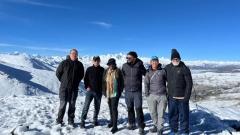
Winter (November to March) reveals a different kind of grandeur. The grassland is covered in a thick blanket of snow, turning the world pure white. Snow-capped mountains and glaciers look even more towering, as if stepping into a pristine ice and snow kingdom. Temperatures are low, ranging from -10℃ to -20℃, but the rare plateau snow scenery is worth it. You can also experience Tibetan herders’ winter nomadic life—perfect for adventure seekers craving unique experiences. Note that you need adequate warm clothing, and some roads may be closed due to snow and ice; always check road conditions in advance.
Spring & Autumn: Transitional Low Seasons for Quiet Serenity
Spring (April-May) and autumn (October) are transitional periods. The grassland isn’t fully green or snow-covered, but the scenery remains magnificent. With fewer tourists and lower prices, it’s ideal for those who prefer tranquility and avoiding crowds. Temperatures are moderate, but the day-night temperature difference is large—bring layers of clothing and protect yourself from cold and sun.
Nagqu Changtang Grassland
Transportation Guide of Nagqu Changtang Grassland
Nagqu Changtang Grassland is vast and remote, with relatively inconvenient transportation. Plan your route in advance, choosing from trains, buses, chartered cars, or self-driving based on your needs for a smooth journey.
External Transportation: Getting to Nagqu City
Trains are the most convenient and comfortable option. There are multiple direct express trains from Lhasa to Nagqu, such as Z9818, Z166, and Z22, taking 3 to 4 hours. Hard seats cost RMB 50.5, hard sleepers start at RMB 128.5, and soft sleepers at RMB 198.5. Tickets sell fast, so book in advance via the 12306 official website or ticket windows. The train ride offers stunning views of Northern Tibetan grasslands, gobi, and snow-capped mountains, letting you preview the area’s grandeur.
For buses, Lhasa North Suburb Passenger Station operates daily long-distance buses to Nagqu, taking 5 to 6 hours with fares ranging from RMB 80 to 100. Mostly coaches, they’re less comfortable than trains but offer flexible stops—great for travelers who want to sightsee along the way. You can also take buses from Xining or Golmud, but these journeys are longer, so prepare for a lengthy ride.
Internal Transportation: From Nagqu City to Changtang Grassland
Chartered cars are highly recommended. There are many reputable charter companies in Nagqu City, or you can book via hotel front desks or travel agencies. Off-road vehicles are preferred for the plateau’s rough terrain. Costs range from RMB 800 to 1200 per day, and you can share a ride to save money—ideal for solo travelers or small groups. Chartered cars offer flexibility: adjust your itinerary, stop anytime to take photos, and drivers are familiar with roads and local customs, acting as temporary guides.
Self-driving requires rich plateau driving experience. Choose hardcore off-road vehicles like Toyota Land Cruiser or Mitsubishi Pajero, equipped with four-wheel drive, high ground clearance, snow chains, and underbody protection. Thoroughly inspect your vehicle (tires, battery, antifreeze) before departure. The route from Nagqu City follows National Highway 109 to Provincial Highway 301, covering 100 to 200 kilometers in 2 to 3 hours. Most roads are good, but some are dirt or gravel—drive slowly. Note that entering the core or buffer zones of Changtang National Nature Reserve requires prior approval from the local Forestry and Grassland Bureau; unauthorized entry is illegal. Most uninhabited areas have no mobile signal, so download offline maps and carry a handheld GPS navigator.
Public transportation: Short-distance buses from Nagqu City to nearby towns (e.g., Nyima County, Baingoin County) pass through parts of the grassland, with fares from RMB 30 to 50. However, buses have limited schedules and fixed stops, lacking flexibility—only suitable for budget travelers with plenty of time, not those seeking in-depth exploration.
Must-Try Experiences of Nagqu Changtang Grassland
Beyond admiring the grand natural scenery, Nagqu Changtang Grassland offers unique cultural and natural experiences. Here are the highlights to create unforgettable memories:
Wildlife Watching
As the core of Changtang National Nature Reserve, the grassland is home to rare species like Tibetan antelopes, wild asses, wild yaks, and snow leopards. With over 200,000 Tibetan antelopes, it’s one of the world’s most concentrated habitats. Observe wildlife from a distance (at least 50 meters away), avoid loud noises, chasing, or feeding—protect their natural habitat and practice responsible wildlife viewing.
Nagqu Changtang Grassland
Horse Racing Festival Experience
Around August, the grand Horse Racing Festival—Northern Tibet’s most solemn folk event—takes center stage. Herders from across Nagqu gather in elaborate costumes, riding horses to compete. The racecourse buzzes with energy as horses gallop and riders showcase their skills. Surrounding the venue are wrestling, archery, scripture recitation, and song and dance performances. Join in, taste Tibetan cuisine, cheer with the herders, and immerse yourself in their enthusiasm and boldness while learning about Tibetan culture.
Grassland Camping
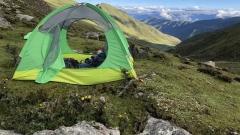
Nagqu Changtang’s night sky is hailed as one of China’s most beautiful. At high altitude with little air pollution, the stars shine brightly, and the Milky Way is clearly visible—an awe-inspiring sight. Camp in a tent to experience the grassland’s peaceful nights: watch the sunset in the evening, greet the sunrise in the morning, and wander the meadows during the day. Prepare for cold weather with a sleeping bag rated for below -20℃. Seal food and garbage in bags and hang them 2 meters above the ground to avoid attracting wildlife. Follow environmental principles: take all garbage with you to protect the grassland’s purity.
Tibetan Village Visits
Scattered across the grassland are many herder villages preserving original Tibetan styles. Herders live a nomadic life and are warm and hospitable. Visit these villages to experience Tibetan dwellings, learn about daily life and production, and taste homemade delicacies like butter tea, sweet tea, tsampa, and yak meat hot pot. Join in daily activities such as milking cows, making butter, or weaving Tibetan carpets. Chat with locals to feel the depth of Tibetan culture and gain a better understanding of the grassland.
Accommodation & Food Recommendations of Nagqu Changtang Grassland
While Nagqu Changtang Grassland is remote with simple accommodation and dining facilities, it offers authentic Tibetan experiences. Choose based on your budget and needs for a comfortable trip:
Accommodation Recommendations
Nagqu City Accommodation
Nagqu City has better accommodation options, including star hotels, budget hotels, and homestays, ranging from RMB 100 to 600 per night. Star hotels (RMB 400 to 600) offer complete facilities: private bathrooms, hot water, and air conditioning—e.g., Nagqu Xiangxiong Culture Hotel, known for excellent service and comfort. Budget hotels (RMB 200 to 300) are simple and practical, suitable for cost-conscious travelers. Homestays (RMB 100 to 200) are often renovated by local Tibetans, full of Tibetan charm, letting you experience local life. Note that some homestays may lack private bathrooms or hot water.
Grassland Surroundings Accommodation
For an immersive grassland experience, stay in herder tents or specialty homestays. Herder tents (RMB 100 to 200) are basic but offer incredible views of the night sky and sunrise. Conditions are simple: no private bathrooms, limited hot water, and cold nights—bring warm clothing. Specialty homestays (RMB 200 to 300) are more comfortable, with private bathrooms and hot water, while retaining Tibetan features. For example, homestays in Wenbu South Village offer views of Lake Dangre Yongcuo, providing great value.
Food Recommendations
Tibetan cuisine is the highlight, featuring fresh, high-altitude ingredients like yak meat, mutton, tsampa, and butter tea. Try these must-try dishes:
Yak Meat Hot Pot
A signature dish, using fresh local yak meat cooked immediately after slaughter. The meat is tender and juicy, with a rich, nutritious broth—perfect for the plateau climate to keep warm. Serve with Tibetan dipping sauces and a glass of highland barley wine for an authentic experience.
Butter Tea & Sweet Tea
Essential drinks in Tibetan daily life. Butter tea is made from butter, tea leaves, and salt, with a rich, creamy flavor—great for warming up and relieving altitude sickness, ideal for first-time plateau visitors. Sweet tea is made from milk, tea leaves, and sugar, smooth and sweet, without the strong taste of butter tea—perfect for those with a sweet tooth. Both help adapt to the plateau climate and ease travel fatigue.
Tsampa
A staple food for Tibetans, made from roasted and ground highland barley. Fine-textured, it’s eaten with butter tea or sweet tea—mix and shape into small balls for easy consumption. High in carbohydrates, it provides energy for plateau travel and is a must-try to understand Tibetan dietary culture.
Tibetan Fragrant Pork
If lucky, you can taste Tibetan fragrant pork. Raised on the grassland, feeding on forage and wild herbs, the meat is tender, fatty but not greasy, and full of flavor—another specialty worth trying.
Travel Notes & Precautions of Nagqu Changtang Grassland
With its high altitude, special climate, and rich cultural atmosphere, follow these tips for a safe, smooth, and respectful journey:
Altitude Sickness Prevention
The average altitude exceeds 4500 meters, with some areas reaching over 4800 meters. Altitude sickness (headaches, chest tightness, nausea, fatigue) is common for first-time visitors. Take preventive medicine like Gaoyuan’an or Hongjingtian 1 to 2 weeks in advance. After arrival, avoid strenuous exercise, rest more, drink plenty of water, eat light meals, and avoid alcohol to acclimatize gradually. Mild symptoms can be relieved with rest and hydration; severe symptoms (difficulty breathing, confusion) require immediate medical attention or evacuation to lower altitudes.
Warmth & Sun Protection
The day-night temperature difference is huge. Bring layered clothing regardless of the season: windbreakers and light down jackets for summer; thick down jackets, fleece pants, snow boots, and waterproof gloves for winter. The plateau has strong ultraviolet radiation—carry high-SPF sunscreen (SPF50+), sunglasses, a sun hat, and a scarf to protect skin and eyes from sun damage.
Responsible & Eco-Friendly Travel
The grassland’s ecosystem is fragile. Follow environmental rules: don’t litter, damage vegetation, or pollute rivers—take all garbage with you. Don’t enter private pastures without the herders’ permission. Respect wildlife: observe from a distance, don’t chase, feed, or harm them. Honor local Tibetan customs and religious beliefs: don’t take photos of Tibetans, temples, or prayer flags without permission to avoid conflicts.
Safety Precautions
Self-drivers need rich plateau experience: inspect vehicles thoroughly, carry essential tools and emergency supplies (tow ropes, jacks, emergency power banks, cold medicine, gastrointestinal medicine), download offline maps, and avoid traveling alone to uninhabited areas. Chartered car travelers: choose reputable companies, sign contracts specifying itinerary and costs to avoid scams. Mobile signal is weak or non-existent in some areas—inform family of your itinerary and carry walkie-talkies for communication. Campers: choose flat, safe areas near water sources, take wildlife precautions, and don’t go out alone at night.
Other Tips
The remote location means limited supplies—bring daily medications, snacks, and drinking water. Most attractions are free, but plan and budget for transportation and accommodation in advance. Obtain permits before entering the core or buffer zones of Changtang National Nature Reserve; unauthorized entry is illegal.
Embark on a Worry-Free Plateau Journey
Nagqu Changtang Grassland is a pure, grand plateau paradise – offering vast grasslands, sacred snow-capped mountains, free-roaming wildlife, and rich Tibetan culture. Every view shocks the soul, and every experience creates lasting memories. Whether traveling alone or with loved ones, you’ll find peace and freedom here, marveling at nature’s wonders.
For a hassle-free trip—no need to plan routes or deal with altitude sickness—China Dragon Travel offers exclusive Nagqu Changtang Grassland packages. With professional guides, well-organized itineraries balancing scenery and comfort, and attentive service, every traveler can safely experience the grassland’s vastness and purity, easily unlocking all its beauty.