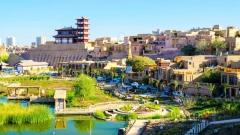

As Xinjiang’s capital, Urumqi is the primary gateway to China’s vast northwest, covering 1/6 of the country’s land. Nurtured by Tianshan snowmelt, it’s a cultural hub of dozens of ethnic groups and a key link to Central Asia, known as the “Capital of Central Asia.” For foreign travelers, Urumqi altitude is critical: it directly impacts local weather and your physical comfort. Whether you’re here for lamb skewers and roasted buns or to start a Xinjiang journey, understanding Urumqi altitude prevents discomforts like dryness or dizziness, ensuring a smooth trip.
Key data: Urumqi’s average altitude ranges from 800m to 1500m, with downtown areas (e.g., Tianshan Avenue, Hongshan Park) at a stable 900m—low-to-mid altitude, similar to Kunming. Unlike Lhasa (3650m) or Xining (2261m), severe altitude sickness is rare here. However, ~10% of first-time visitors from sea-level cities (New York, Singapore) may feel mild dizziness due to lower oxygen levels and pressure changes.
Urumqi Altitude: Climate & Geographic Impacts
Urumqi sits in the Tianshan foothills, with Bogda Peak to the south and the Junggar Basin to the north, creating an “elevated surrounding, low center” terrain. Downtown’s 900m altitude contrasts with nearby spots: Tianchi Lake (1910m) is 1000m higher, making its temperature 5-8℃ cooler than the city.
This altitude fuels a temperate continental arid climate. Day-night temperature swings reach 10-15℃—hence the local saying, “Fur coat in the morning, gauze at noon.” Thin air at 900m intensifies solar radiation (hot afternoons) but causes rapid heat loss (cold nights). Annual precipitation is just 200mm, so the air is dry: urban vegetation is drought-tolerant, while Tianshan’s higher altitudes have grasslands and forests, showcasing Xinjiang’s “four seasons in one mountain” charm.
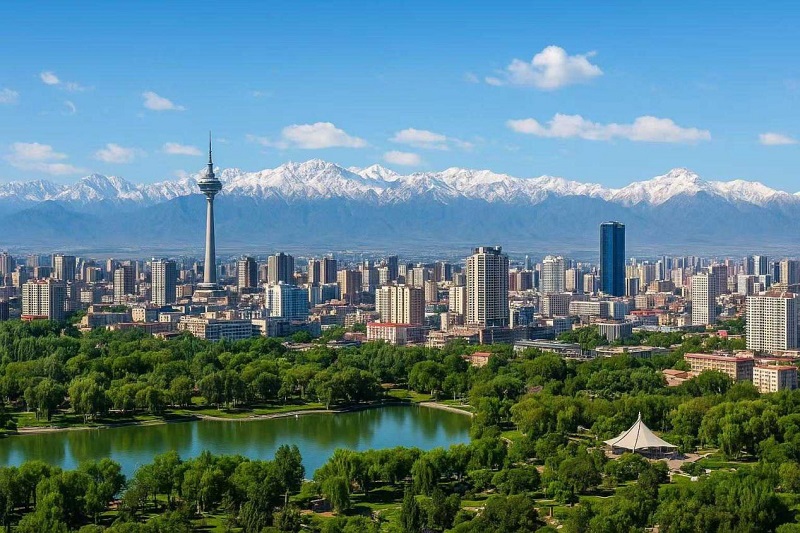
Urumqi
Adapting to Urumqi Altitude: Practical Tips
Though Urumqi’s altitude is gentle, your body needs time to adjust. On arrival day, avoid hiking or running—prioritize rest. The dry air demands 2000ml of water daily (sip slowly, not chug). Skip alcohol, strong tea, and coffee initially; they dehydrate and strain your heart.
Eat light, local foods: noodles, porridge, and fresh fruits (grapes, Hami melon) ease digestion and combat dryness. Urumqi’s dairy (yogurt, milk skin) is rich in protein and calcium, boosting resilience for altitude adaptation.
Mild symptoms (dizziness, fatigue) fade in 1-2 days—rest and keep rooms ventilated. For severe symptoms (chest tightness, difficulty breathing), seek medical help immediately. A basic understanding of Urumqi altitude minimizes risks.
Urumqi Seasonal Packing: Altitude & Climate
Urumqi’s altitude dictates clothing needs—layer up for temperature swings:
Spring (Mar-May): Spring in Urumqi is a season of transition, with daytime temperatures ranging from 10℃ to 20℃, but dropping sharply to below 5℃ at night—another reminder of the altitude’s impact on temperature. This is also the windiest season, with occasional sandstorms blowing in from the nearby Gobi Desert. Your packing list should include a warm, windproof jacket (a lightweight down or fleece-lined coat works well), a scarf, and a pair of gloves for cool mornings and evenings. A sand-proof mask and wrap-around sunglasses are essential to protect your face and eyes from blowing sand. Even though the temperatures are mild, the thin air at 900 meters means UV radiation is stronger than you might expect, so apply a broad-spectrum sunscreen (SPF30+ or higher) every morning, even on cloudy days. Layers are key here—you’ll likely shed your jacket by midday but need it again as the sun sets.
Summer (Jun-Aug): Summer is the most popular time to visit Urumqi, and for good reason—temperatures hover between 25℃ and 30℃ during the day, with low humidity making the heat feel comfortable rather than oppressive. The altitude keeps the city cool compared to other Chinese cities like Wuhan or Chongqing, which swelter in high humidity. However, the thin air amplifies the sun’s rays, so sun protection is non-negotiable. Pack a lightweight, long-sleeve sun-protective shirt (look for UPF-rated fabrics), a wide-brimmed hat, and a good pair of sunglasses. Don’t forget to reapply sunscreen every 2-3 hours, especially if you’re spending time outdoors. A reusable water bottle is a must to stay hydrated. If you’re planning a day trip to Tianchi Lake, remember that its 1910m altitude means temperatures are 5-8℃ cooler than in the city, so bring a light jacket or cardigan—even if it’s scorching in Urumqi, you’ll appreciate the extra layer by the lake.
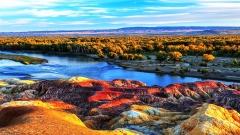
Autumn (Sep-Nov): Autumn is arguably the most beautiful season in Urumqi, with golden leaves, clear blue skies, and mild temperatures. Daytime highs range from 15℃ to 25℃, but nights can get chilly, dropping to around 5℃. The air becomes even drier than in summer, so a good moisturizer and lip balm are essential. Your packing list should include layers: a thin sweater or hoodie, a windproof jacket, and comfortable pants. If you’re visiting Nanshan Pasture (1500-2000m), which is famous for its autumn foliage, bring a thicker sweater or fleece— the higher altitude means colder temperatures and occasional gusts of wind. Throat lozenges are a handy item to have, as the dry air can irritate your throat, especially if you’re doing a lot of talking or walking. Autumn is also a great time to pack a camera— the combination of Urumqi’s altitude, clear air, and golden light makes for stunning photos.
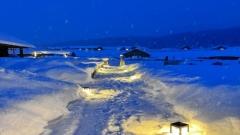
Winter (Dec-Feb): Winter in Urumqi is cold and snowy, with temperatures often dropping below -20℃ at night— the altitude amplifies the chill, making the air feel crisp and biting. This is a magical time to visit, with snow-covered streets, ice festivals, and the chance to ski in nearby resorts, but you need to dress warmly. Your core layer should be thermal underwear (wool or synthetic fabrics work best, as they wick away moisture), topped with a thick sweater or fleece. For the outer layer, a heavy-duty down jacket (with a hood) that’s windproof and waterproof is essential. Don’t forget the accessories: waterproof gloves, insulated snow boots (make sure they’re slip-resistant), a warm hat that covers your ears, and a thick scarf that can wrap around your neck and face. Indoor heating is strong in Urumqi— most hotels, restaurants, and shops keep temperatures around 20-25℃— so it’s a good idea to wear layers that you can easily remove when going indoors. This prevents you from sweating, which can lead to colds when you go back outside into the frigid air.
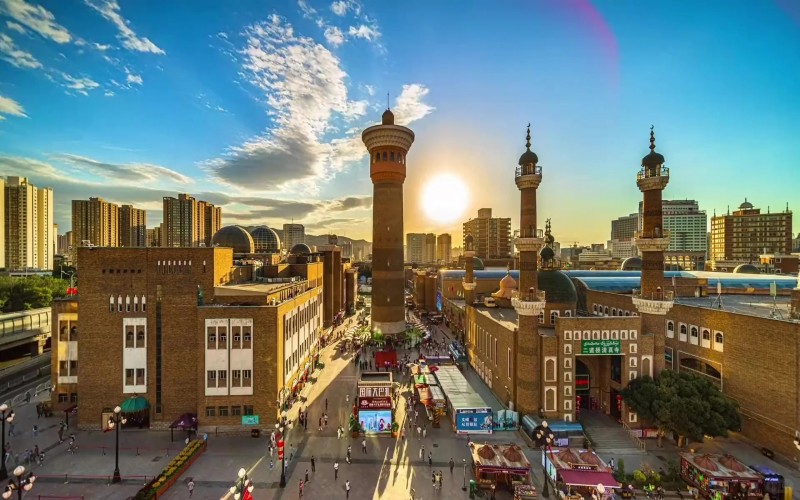
Urumqi Grand Bazaar
Top Attractions: Altitude & Highlights
Downtown (900m): No Altitude Worries
Xinjiang International Bazaar: World’s largest bazaar—try roasted buns and hand-grasped rice, buy Uygur carpets or musical instruments. Visit 2-3 hours in morning/evening (avoid midday sun); central location, easy by metro/bus.
Xinjiang Museum: Home to the “Five Stars Appear in the East” brocade (a national treasure) and Silk Road relics. Multilingual guides available; book online, spend 2 hours. Near Youhao Business District for dining.
Hongshan Park: Hongshan Mountain (910m) offers panoramic city views—Tianshan to the south, Gobi to the north. Easy climb; sunset is ideal for photos, with cool evening air.
Surroundings: Altitude & Natural Wonders
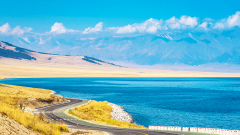
Tianchi Lake (1910m): 110km from downtown, this “Tianshan Pearl” has crystal water ringed by snow-capped peaks. Temperature is 5-8℃ lower—pack a jacket. Take the cable car to Mayashan for sweeping views. Join a day tour or drive; 1 full day needed.
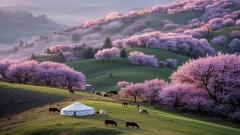
Nanshan Pasture (1500-2000m): 40km south, lush grasslands with sheep and yurts. Ride horses, taste milk tea and mutton. Summer (cool) and autumn (golden grass) are best; bring sunscreen and a light jacket for mountain winds.
Dabancheng (1100m): 80km east, famous for wind turbines (Xinjiang’s wind energy hub) and Silk Road ruins. Similar altitude to downtown—comfortable to visit. Half a day suffices; stop en route to Turpan to feel altitude drops.
Practical Travel Info: Altitude-Focused
Transportation
Urumqi Diwopu Airport (850m, 16km from downtown) has international flights. Take Metro Line 1 (40 mins, cheapest) or taxis (flexible for luggage). Downtown: Metro Lines 1-2 cover attractions; buses have English announcements; taxis start at ¥10 (¥20-50 downtown).
To surroundings: Drive cautiously—Tianchi’s mountain roads have curves and altitude changes. Take long-distance buses (e.g., 2hrs to Tianchi from Northern Suburb Station) or join day tours for guide insights on altitude and geography.
Accommodation
Choose based on altitude and itinerary: Downtown (900m, Tianshan Avenue/Youhao Business District) for convenience (near Bazaar/Museum). Nanhu Square/Hongshan Park for quiet adaptation—some hotels have humidifiers for dry air. Tianchi (1910m) has scenic stays (book early; confirm heating in winter, higher prices).
Culture & Etiquette
Urumqi’s multi-ethnic culture demands respect: Halal restaurants avoid pork—ask before ordering and remove shoe covers if required. Ask permission before photographing locals, religious sites, or ethnic costumes. Note the 2-hour time difference from Beijing: shops open after 10am, dinners after 8pm.
Urumqi Altitude as Your Guide
Urumqi altitude (900m downtown, 2000m+ in mountains) weaves through every part of your trip—from packing to attraction choices. This low-to-mid altitude is friendly: simple preparation lets you savor downtown’s culture and highland landscapes like Tianchi.