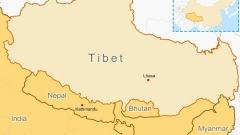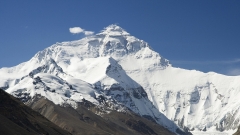

Known as the Roof of the World’s Roof, Ngari is a pure paradise for travelers. With an average altitude over 4,500 meters, it boasts extremely special climatic conditions. The changeable and extreme weather in Ngari, Tibet is both a travel challenge and a creator of unique plateau scenery. Understanding its weather patterns is crucial for a smooth journey. Whether chasing midsummer grassland vitality or late autumn snow-capped mountains, grasping climatic traits in advance is essential. This comprehensive guide offers detailed references for your Ngari trip.
Ngari’s Weather Characteristics: Tibetan Plateau Background
Basic Climatic Background
- Geographical Location and Landform: Ngari Region is located in the core area of the Qiangtang Plateau in northern Tibet. Its special geographical environment gives birth to a unique plateau climate.
- Overall Climatic Characteristics: It generally presents the characteristics of cold and dry weather, large temperature differences between day and night, strong sunlight, and high wind speeds.
- Seasonal Division: The seasons are not clearly distinguished, with only winter and summer. Winter is long and summer is short, with an annual average temperature of less than 0°C and a frost-free period of only about 120 days, which is significantly different from the climate in inland areas.
Characteristics of Core Climatic Elements
Significant Day-Night Temperature Difference: A local saying goes “cotton at night, yarn at noon”. Summer days exceed 15°C, nights drop below 0°C, with a 20-25°C difference.
Ample Sunlight: Shiquanhe has 3,545.5 annual sunshine hours (top in Tibet). Strong UV harms skin/eyes; sun protection is key.
Wind Characteristics: Ngari is a Class II wind zone, with 3.2m/s average wind speed and 149 strong wind days yearly, worse in Gaize/Coqen.
Overall Precipitation: Sparse and highly seasonal.
Dry Season (Oct-Apr): Precipitation 10-20% of annual total, extremely dry.
Wet/Rainy Season (May-Sep): 80% annual rainfall; Jul-Aug rainy, with possible muddy roads.
Impact of Climate on Tourism
- Impact of Temperature Difference: The drastic temperature difference puts high demands on travelers’ clothing preparation.
- Impact of Wind: Strong winds not only increase the feeling of cold but may also affect travel safety.
- Impact of Precipitation: The distribution law of precipitation directly affects the choice of the best travel period in Ngari.
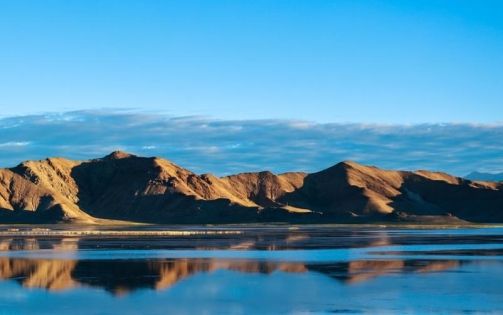
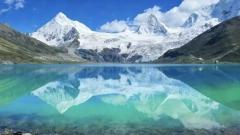
Pangong Lake in Ngari, Tibet
Four-Season Climate Changes: Seasonal Weather Guide for Ngari
Spring: Cold-Warm Transition, Windy Season with Emerging Vitality
Spring Ngari is in cold-warm transition: strong winds but rising temperatures bring plateau vitality. The weather remains unstable, so grasping climatic traits in advance ensures a comfortable and safe trip.
- Temperature and Weather Characteristics: From March to May, the temperature gradually rises from -15°C to 11°C, but it is still relatively cold with frequent strong winds, which is one of the windiest periods of the year.
- Scenery and Characteristic Experiences: Plateau flowers bloom one after another, and migratory birds return; during the Tibetan Saka Dawa Festival in May, you can participate in activities such as scripture turning to experience a strong religious atmosphere.
- Travel Suggestions: May is the best month to travel in spring. At this time, the wind weakens, the temperature is suitable, and the rainy season has not yet arrived. It is necessary to do a good job in keeping warm, windproof and skin moisturizing.
Summer: Warm Rainy Season with Lush Plateau
Summer is Ngari’s relatively warm season, with lush grasslands, blue lakes and higher oxygen, suitable for most travelers. Note it’s the rainy season affecting some roads; proper period planning and preparation are crucial.
- Climatic Advantages: From June to August, the average temperature is 2°C-19°C, which is the warmest period of the year. The vegetation is lush, the body comfort is good, and it is the peak tourist season.
- Rainy Season and Road Conditions: There is more precipitation in July and August, with frequent thunderstorms at night. Some roads are prone to water accumulation and mud, and self-driving needs to prevent the risk of geological disasters.
- Best Travel Time and Preparation: June is the preferred month for summer travel, with less rainfall, good road conditions and fewer tourists; it is necessary to carry warm clothes and do a good job in strong ultraviolet protection.
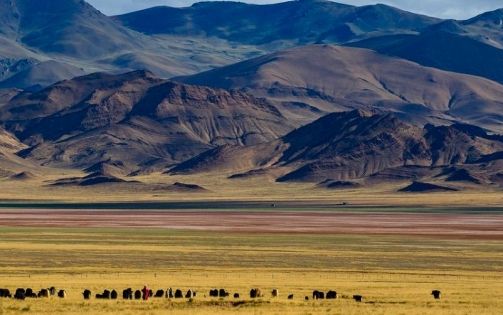
Summer on the Ngari Grasslands in Tibet
Autumn: Clear and Dry Season with Magnificent Snow-Capped Mountains
Autumn Ngari features stable weather, clear skies and high visibility, a golden time for snow-capped mountains and plateau photography. Though temperatures drop gradually, overall conditions are travel-friendly with proper protection.
- Climate and Period Characteristics: The temperature in September is 3°C-16°C, which is relatively comfortable; the temperature drops significantly after October, and it enters a severe cold period in November; the weather is stable and sunny, which is the golden tourist season in Ngari.
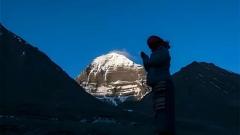
- Scenery and Experience Value: The snow-capped mountains have clear outlines, forming a picturesque scene with lakes and soil forests; there are fewer tourists from September to October, and the journey is quiet, which is the best time for photography at Tsaparang Ruins and Zanda Soil Forest.
- Travel Protection: The climate is dry and the wind force increases. It is necessary to do a good job in windproof, sun protection and moisturizing; carry thick warm clothes after October to cope with the low temperature at night.
Winter: Frozen Cold Season with Pure Secret Land
Winter Ngari is snow-covered with extremely low temperatures, showcasing pure secret land beauty. Despite high visibility and stunning scenery, its harsh climate and poor facilities make it exclusive to adventure travelers.
- Temperature and Weather: From December to February of the following year, the average temperature is -22°C to -2°C, with January being the coldest; it is mainly sunny, with occasional snowfall and extremely high visibility.
- Scenery and Travel Difficulty: The world is vast under the ice and snow, and the scenery of snow-capped mountains and lakes is shocking; but the main roads are prone to being closed by heavy snow, the low temperature has high requirements on physical fitness and equipment, and the supporting facilities are imperfect.
- Suitable Crowd: Only suitable for adventure travelers with rich plateau travel experience and full cold protection and emergency preparation.
Practical Travel Guide Adapting to Weather
Clothing Equipment: Coping with Temperature Differences & Extreme Climates
Core Principle: Based on the characteristics of large temperature differences between day and night and cold seasons in Ngari, Tibet, follow the principle of layered clothing, keeping warm and windproof.
Necessary Clothing: No matter when you travel, you need to carry a windbreaker, fleece jacket and down jacket. The down jacket is a necessary item, which may also be used at night in summer.
Season-Specific Equipment: Additional windproof jackets are needed in spring and autumn; a full set of cold protection equipment such as thick hats, gloves, scarves and snow boots are needed in winter.
Sun Protection Equipment: Ngari has strong sunlight and strong ultraviolet radiation. It is necessary to carry high-multiple sunscreen, sunglasses, sun hats and sun protection clothing to avoid skin and eye damage from sunburn.
Moisturizing Products: The climate is dry, so it is necessary to carry moisturizer, lip balm and hand cream to relieve skin dryness and discomfort.
Pre-Trip Planning: Pay Attention to Weather Dynamics and Avoid Travel Risks
Weather Inquiry: Check the latest Ngari weather via meteorological official websites or 12121 hotline before traveling.
Period Selection: Avoid Jul-Aug rainy muddy roads and Nov-Feb cold road closures. Prioritize traveling in May, June, September or October.
Self-Driving Preparation: Fully check the vehicle performance before departure, and prepare emergency tools such as anti-skid chains, spare tires and emergency power supplies to cope with bad weather and road conditions.
Document Preparation: Some areas in Ngari are border areas, so it is necessary to apply for a border pass in advance to save travel time.
Travel Health: Protection Points Adapting to Plateau Climate
Coping with Altitude Sickness: Prepare anti-altitude sickness drugs in advance. After arrival, avoid strenuous exercise, ensure adequate rest, and give the body enough time to adapt to the plateau environment.
Moisture Supplement: Dry climate requires timely hydration. Carry a thermos for warm water; moderate butter tea aids plateau adaptation and calorie intake.
Disease Prevention: Keep warm to avoid colds (prone to severe complications on plateaus). Seek timely medical help for severe altitude sickness or cold symptoms.
Dietary Notes: Choose regular restaurants, pay attention to food hygiene, and avoid raw, cold and unclean food; you can carry high-calorie foods such as beef jerky and chocolate to supplement physical strength.
Common Questions About Weather in Ngari, Tibet
Q1: Large day-night temperature difference in Ngari. How to match layered clothes for travel?
Adopt the “three-layer clothing method”: inner layer with breathable quick-drying clothes to avoid cold after sweating; middle layer with warm fleece or thin down jacket for morning and evening low temperatures; outer layer with windproof and waterproof windbreaker. Carry a down jacket at all times; in winter, upgrade to thick down jacket, fleece-lined pants and snow boots to keep core parts warm.
Q2: Will Ngari’s July-August rainy season affect travel and self-driving?
Rainfall is mostly short showers or night thunderstorms, rarely affecting scenic visits. After rain, you may see rainbows. Note that some rural roads may be muddy; drive slowly and avoid low-lying areas. Check real-time road conditions and weather forecasts in advance, and avoid driving alone into undeveloped areas.
Q3: Is winter Ngari suitable for ordinary travelers? Special preparations?
Not suitable for ordinary travelers, only for experienced adventure travelers. Winter average temperature is -22°C to -2°C, with extreme low of -41°C; main roads may be closed by snow, and supporting facilities are incomplete. Prepare full cold protection equipment, replace vehicle antifreeze and snow tires, carry anti-skid chains, emergency supplies and plan rescue routes in advance.
Encounter the Most Beautiful Ngari
Ngari, Tibet’s changeable and extreme weather is its unique hallmark, bringing both challenges and unparalleled magnificent scenery. Ngari boasts distinct charm across seasons, from spring’s vitality and summer’s lushness to autumn’s snow-capped mountains and winter’s frozen wonderland.
By understanding Ngari’s weather patterns in advance and making full travel preparations aligned with the climate, you can avoid risks and enjoy the trip fully. May every aspiring traveler encounter their own stunning scenery on this Roof of the World’s Roof.