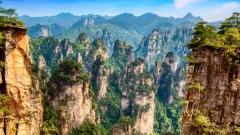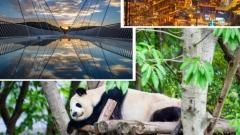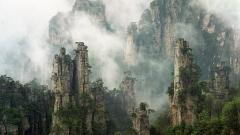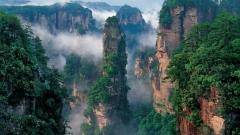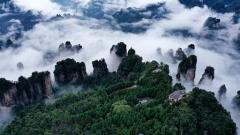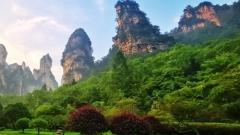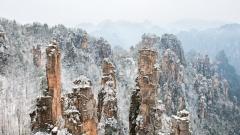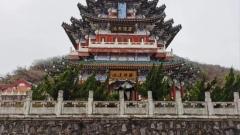

Beyond its dramatic sandstone peaks and forest landscapes, Zhangjiajie is also known for its rich ethnic culture. Located in the Wuling Mountain region, the area has long been home to several ethnic groups, most notably the Tujia, Miao, and Bai communities. These groups have developed distinctive traditions in architecture, music, festivals, crafts, and cuisine, creating a vibrant cultural environment that complements the region’s natural scenery. For travelers interested in cultural exploration, learning about the local ethnic groups and their traditions can greatly enhance the experience of visiting Zhangjiajie.
Ethnic Minorities in Zhangjiajie: Composition and Distribution
Zhangjiajie has one of the highest ethnic minority populations in Hunan Province. Among its 52 ethnic groups, 44 are minority groups, accounting for over 75% of the total population.
The Tujia ethnic group, Miao ethnic group, and Bai ethnic group are the three major groups in Zhangjiajie, with well‑preserved cultures and rich visitor experiences. Other minorities live in harmony and add to the region’s cultural diversity.
Tujia ethnic group
The Tujia ethnic group, who call themselves Bizika, meaning “native people”, are the largest ethnic group in Zhangjiajie. They mainly live in Yongding District, Wulingyuan District, Sangzhi and Cili counties. Their villages are scattered near the main scenic areas. The Tujia ethnic group has its own language, architecture, customs, dances, handicrafts and festivals. Most cultural experiences and villages in Zhangjiajie are based on Tujia culture.
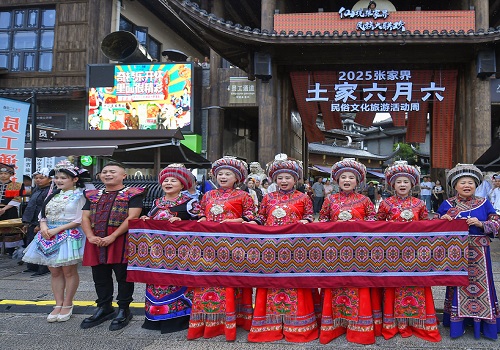
Tujia ethnic group
Miao ethnic group
The Miao ethnic group has a long history in Zhangjiajie, mainly living in southern Yongding, Wulingyuan and areas bordering western Hunan. They are famous for silver jewelry, embroidery, folk songs, lusheng music and traditional costumes. Zhangjiajie’s Miao ethnic group shares close origins with those in western Hunan, with highly developed crafts and performing arts.
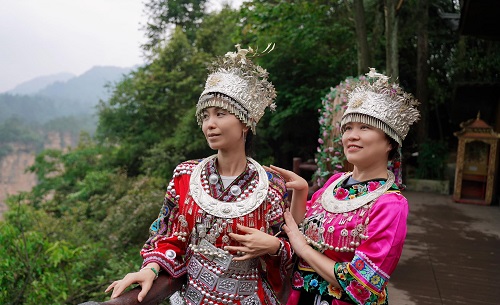
Miao ethnic group
Bai ethnic group
Most Bai ethnic group people live in Sangzhi County, forming one of the most important Bai communities outside Dali, Yunnan. They moved here in the Ming Dynasty and have kept their unique culture while integrating with local groups. They are known for the Zhangu Drum, bench dragon dance, tie‑dye and the traditional three‑course tea ceremony.
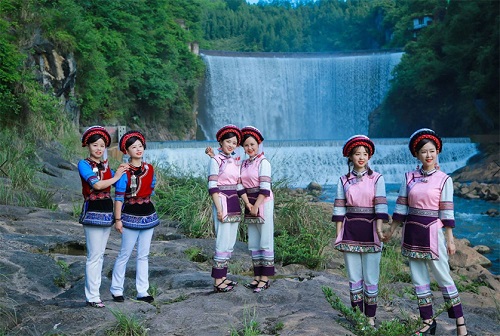
Bai ethnic group
Other Ethnic Groups
Smaller populations of Hui, Yao, Dong, Manchu, Zhuang and other ethnic groups live alongside the major groups in Zhangjiajie. They enrich the local culture with their own food, festivals and customs, making Zhangjiajie a model of multi‑ethnic harmony.
Core Culture and Intangible Cultural Heritage of Zhangjiajie Ethnic Minorities
Zhangjiajie’s ethnic culture combines practicality and artistry. Many traditions are national or provincial intangible cultural heritages.
Architecture: Wisdom of Mountain Dwellings in Zhangjiajie
The stilted house (diaojiaolou) is the most representative architecture of the Tujia ethnic group. Built of wood with mortise‑and‑tenon structure, it is moisture‑proof, ventilated and stable.
Miao ethnic group houses are simple wooden structures, while Bai ethnic group buildings are neat and symmetrical with white walls and delicate carvings. Together they form the unique residential landscape of the Wuling Mountains.
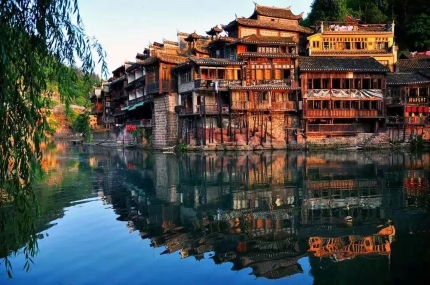
The Stilted House
Traditional Handicrafts: Inherited Skills of Zhangjiajie Ethnic Minorities
Tujia Brocade (Xilankapu): A national intangible cultural heritage, woven with cotton and silk, featuring bright colors and auspicious patterns. Miao Silver Jewelry: Hand‑forged, engraved and welded, including elaborate headpieces, necklaces and bracelets. Miao Embroidery: Fine stitching with bold colors, often showing flowers, birds and totems. Bai Tie‑dye: Made with natural indigo, creating elegant blue‑and‑white patterns.
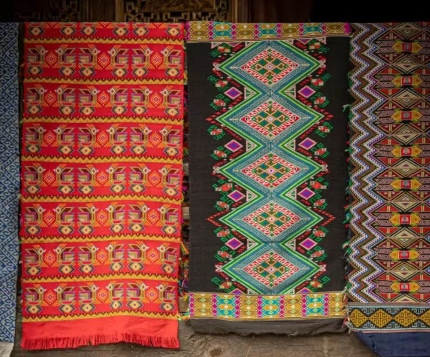
Tujia Brocade (Xilankapu)
Dance and Rituals: Living Culture of Zhangjiajie Ethnic Minorities
Baishou Dance: A group dance showing hunting, farming and daily life of the Tujia ethnic group. Maogusi Dance: Known as a living fossil of Chinese drama, depicting ancient traditions of the Tujia ethnic group. Sangzhi Folk Songs: A national heritage with high‑pitched, free‑flowing melodies. Miao Lusheng Dance: Lively music and dance with a bamboo wind instrument.
Bai Zhangu Dance & Bench Dragon: Rhythmic, orderly and highly visual performances.
Festivals: Timeless Customs of Zhangjiajie Ethnic Minorities
Tujia ethnic group Gannian: Celebrated one day earlier than the Spring Festival. Tujia ethnic group Sheba Festival: Ancestor worship, dancing, singing and market gatherings. Miao ethnic group April 8 Flower Festival: Traditional costumes, silver jewelry, singing and bullfighting. Bai ethnic group Torch Festival & March Street: Traditional performances, food and handicrafts.
Special Ethnic Food in Zhangjiajie
- Tujia San Xia Guo:Classic stew of the Tujia ethnic group, spicy and full‑flavored.
- Rock Fungus Stewed Chicken: Wild rock fungus with free·range chicken, fresh and nourishing.
- Tujia Cured Pork:Traditionally smoked, fragrant and savory.
- Tujia Hezha: Soybean and vegetable dish of the Tujia ethnic group, mild and comforting.
- Blood Cake Duck: Special dish of the Miao ethnic group with duck and glutinous blood cake.
- She Rice: Spring glutinous rice with wild herbs and cured pork.
- Artemisia Baba:Glutinous rice cake with wild artemisia, soft and fragrant.
- Rice Tofu: Cool, spicy street snack.
- Kudzu / Fern Root Powder: Wild plant powder, healthy and smooth.
We recommend local farmhouses, village restaurants and time‑honored eateries in Zhangjiajie for fresh, authentic and transparent pricing.
Zhangjiajie Ethnic Experience Sites and Activities
- In‑depth experiences of the Tujia ethnic group: Watch Baishou Dance, Maogusi Dance and wedding rituals; learn brocade‑making; join rice cake pounding and folk singing.
- Deep experiences of the Miao ethnic group: Visit embroidery and silver workshops, enjoy lusheng music and folk songs; try traditional Miao costumes and silver jewelry.
- Unique experiences of the Bai ethnic group:Watch Zhangu Drum and bench dragon dances; try tie‑dye; taste the three‑course tea ceremony.
- Ancient town experiences:Dayong Ancient Town and Furong Town offer regular ethnic shows, handicraft displays and cultural markets.
All experiences are at officially open sites in Zhangjiajie. Please follow guidance and respect local traditions.
Accommodation in Zhangjiajie: Close to Ethnic Culture and Convenience
City Accommodation: Around Yongding District and Dayong Ancient Town, 150–300 CNY/night; high‑end hotels 400–800 CNY/night.
Wulingyuan Accommodation: Near the national park, many stilted building homestays, 200–400 CNY/night; high-end 500–1200 CNY/night.
Village & Ancient Town Accommodation: Simple, clean, with private bathroom, 100–300 CNY/night; some include breakfast.
Book early in peak seasons and confirm Wi‑Fi, hot water and heating.
Transport Guide in Zhangjiajie: Efficient and Safe
- By Air: Zhangjiajie Hehua International Airport, about 10 km from downtown; taxi ~30 CNY, airport bus 20 CNY.
- By Train: Zhangjiajie West Railway Station; about 2.5 hours from Changsha South.
Scenic Area Transport: Free eco‑buses in the national park; cable cars and shuttles in Tianmen Mountain.
- Village Transport: Regular buses to popular villages 30–50 CNY; carpool or private car available.
Check the last bus times and use only licensed transport services.
Travel Essentials and Etiquette in Zhangjiajie
Travel Essentials
- Documents: ID card or passport; discount certificates if applicable.
- Clothing: Light jacket, non‑slip shoes, raincoat, sun protection.
- Items: Power bank, medicine, camera, small amount of cash.
Safety and Etiquette
- Do not take unlicensed cars or join low‑quality illegal tours. Confirm prices before consumption.
- Keep quiet in villages; do not enter private or sacred areas without permission.
- Ask for consent before taking photos of people, elders, children or ceremonies.
- Do not touch shrines, totems or ritual objects.
- Be polite when offered welcome wine or tea.
Experiencing Ethnic Culture in Zhangjiajie
Exploring Zhangjiajie offers more than breathtaking landscapes; it also provides opportunities to experience the traditions and daily life of local ethnic communities. Visiting traditional villages, watching folk dance performances, and tasting regional dishes can reveal a deeper side of the destination beyond its famous mountains.
Travelers who wish to explore these cultural experiences in a more organized way can also consult China Dragon Travel. With knowledge of local villages, cultural activities, and transportation arrangements, the team can help visitors design a smooth itinerary and gain a deeper understanding of Zhangjiajie’s diverse ethnic heritage.