
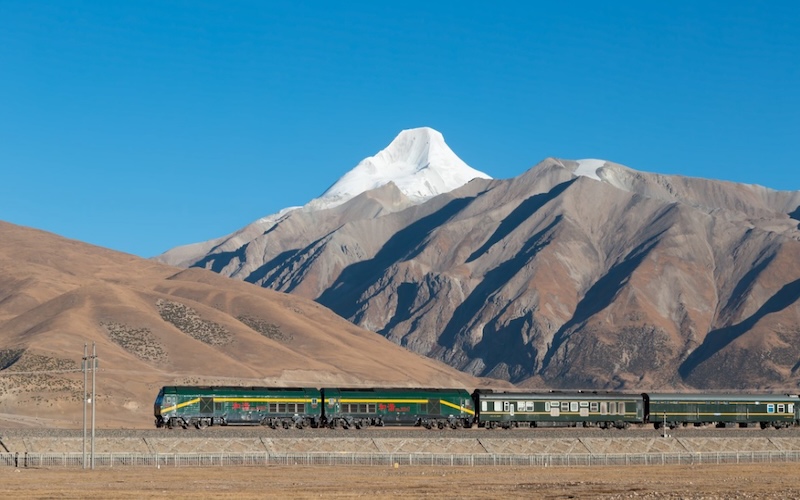
Known as the “Sky Road”, the Qinghai-Tibet Railway is the highest and longest plateau railway in the world, connecting the stunning scenery of Qinghai and Tibet. The major stations are not only travel hubs but also the first stop to experience plateau customs. Each station carries unique regional culture and is equipped with convenient, plateau-friendly facilities, offering comprehensive services. This article details core station information—from connections and services to surrounding tours and travel tips—helping travelers smoothly explore the plateau and easily master key station knowledge.
Introduction to the Qinghai-Tibet Railway
As key nodes of the Sky Road, the Qinghai-Tibet Railway’s major stations are widely distributed, distinctive and well-equipped. Understanding their core info can smooth your plateau trip. Key points:
- Route and Station Distribution: The 1,956-km Qinghai-Tibet Railway passes through Qinghai and Tibet, with 107 stations. Core stations handle key passenger/cargo tasks across diverse altitude zones, each with unique functions.
- Travel Value: Mastering station info smoothes travel to/from Tibet. You can also experience local culture and scenery while waiting, enriching your Sky Road journey.
- Station Supporting Advantages: All major stations have plateau-adapted facilities (oxygen, heating, services, transport). They buffer first-time travelers, effectively easing altitude sickness.
Qinghai-Tibet Railway
Major Stations of the Qinghai-Tibet Railway in Qinghai Province
Xining Station: Eastern Starting Point of the Qinghai-Tibet Railway
Xining Station, the Qinghai-Tibet Railway’s eastern starting point and one of its busiest, lies in Xining’s Chengdong District. It connects the line to the national railway network, serving as a must-pass and key supply point for Tibet-bound travelers.
Xining Station offers comprehensive core services and transportation info:
- Station Facilities: It has basic facilities (waiting halls, ticket halls) with plateau-adapted equipment, medical clinics, rest seats and charging piles.
- Transportation Connections: A bus hub and taxi stop are outside; buses reach urban scenic spots conveniently.
- Surrounding Facilities: Various hotels and restaurants around the station offer local Qinghai flavors.
- Travel Tips: Most Tibet trains depart afternoon/evening. Arrive 1-2 hours early; buy supplies in the urban area.
Delingha Station: Gobi Intermediate Station
Delingha Station, an important intermediate stop on the Qinghai-Tibet Railway, is in Haixi’s Delingha City, eastern Qaidam Basin, connecting Xining and Golmud. On the Gobi edge, it boasts unique desert-grassland scenery, ideal for rest and experiencing Qaidam customs.
Upgraded Delingha Station, with the “Sky Road Kelsang Flower” brand, serves local multi-ethnic travelers. Medium-sized and well-equipped, it is convenient for transfers and temporary rest despite low passenger flow.
Delingha Station’s Core Services and Featured Highlights:
- Station Facilities: Clean waiting halls with rest seats, charging piles, upgraded scanners, elevators and trilingual prompts ensure safe, convenient travel.
- Transportation Connections: Buses/taxis reach the urban area (5km) affordably; shared cars go to Keluke Lake with transparent prices.
- Surrounding Features: Nearby are Keluke Lake, Alien Ruins, yak beef jerky, and Haizi poetry sharing sessions.
- Travel Tips: Delingha has large day-night temperature differences; bring a thin coat. Protect belongings from sand and wind.
Golmud Station: Supply Station for Entering Tibet
Golmud Station, in southern Golmud City, is a key intermediate hub and the Golmud-Lhasa section’s starting point. At 2,800m (northern Kunlun Mountains), it is a vital pre-Tibet supply and altitude adaptation node; the 2006 inaugural train started here.
Golmud Station’s building blends plateau scenery, coordinating with surroundings. Large and well-equipped, it handles heavy passenger/cargo traffic, serving as a busy must-pass for Tibet-bound travelers.
Golmud Station’s Core Services and Transportation Information:
- Station Facilities: Covering 36,700 sq m, it has 3 platforms/5 tracks (2,000 passengers capacity), with waiting halls, medical clinics and oxygen supply rooms for altitude sickness.
- Transportation Connections: A bus hub outside reaches the urban area and scenic spots; taxis and long-distance buses are nearby.
- Surrounding Facilities: Hotels, restaurants and supermarkets offer local delicacies and pre-Tibet supplies (oxygen tanks, cold-proof clothing).
- Travel Tips: A key transfer station; adapt to altitude during stops. Move slowly, drink more water, and take oxygen if needed.
Major Stations of the Qinghai-Tibet Railway in Tibet Autonomous Region
Tanggula Station: The Highest Railway Station in the World
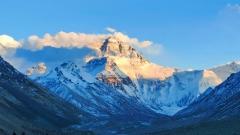
Tanggula Station, in Nagqu’s Anduo County, is the Qinghai-Tibet Railway’s most iconic and the world’s highest station (5,068m). Near Tanggula’s main peak, it borders Qinghai-Tibet, with thin air, harsh climate and continuous snow-capped mountains.
Low-passenger Tanggula Station is a popular check-in spot for its unique altitude and scenery. Its simple Tibetan-style building has an exhibition room for plateau nature and culture.
Stopping at Tanggula Station, these core services and check-in messages accompany you to encounter the romance and peace of the world’s roof:
- Station Facilities: Small-scale, with waiting areas, oxygen, a world’s highest railway marker, observation decks and rain shelters for viewing and photography.
- Transportation Connections: Remote, no fixed buses; rely on trains. Shared cars to Tanggula Pass are costly; travel with companions.
- Surrounding Features: Magnificent snow-capped mountains, grasslands and glaciers—ideal for photography. Harsh climate; avoid long stays.
- Travel Tips: Extreme altitude increases altitude sickness risk. Avoid strenuous exercise, drink more water, bring warm coats and protect the environment.
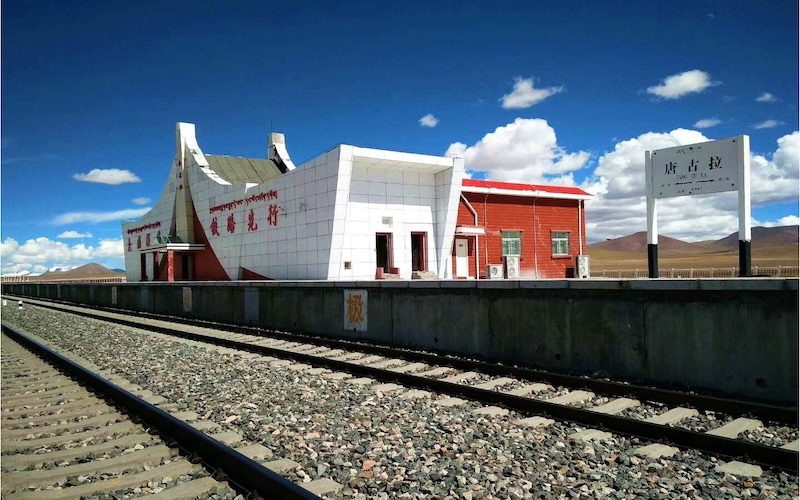
Tanggula Station
Nagqu Station: Northern Tibet Station
Nagqu Station, in Nagqu City (4,513m), is northern Tibet’s core station and largest passenger center (1,000 daily passengers). In Qiangtang Grassland, it is full of ethnic customs and a window to northern Tibetan culture.
Nagqu Station has upgraded facilities: 4 escalators (2022) and adjusted self-service gates (2024), facilitating travel and reducing altitude sickness and waiting time.
Living in the northern Tibet station, the warm services and surrounding customs of Nagqu are all told to you one by one:
- Station Facilities: Spacious waiting halls with rest seats, charging piles, medical/oxygen rooms, and a “Sky Road Kelsang Flower” service desk with the “Five More” method.
- Transportation Connections: Buses/taxis reach the urban area (3km) affordably; shared cars go to Nam Co conveniently.
- Surrounding Facilities: Tibetan-style hotels/restaurants offer butter tea and noodles; nearby teahouses sell butter tea for 3-5 RMB.
- Travel Tips: High altitude, cold and large temperature differences; keep warm and sun-protected. Train stops 6 minutes—hurry to avoid missing it; rest to prevent altitude sickness.
Lhasa Station: End of the Sky Road
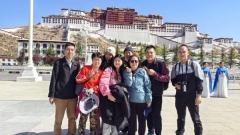
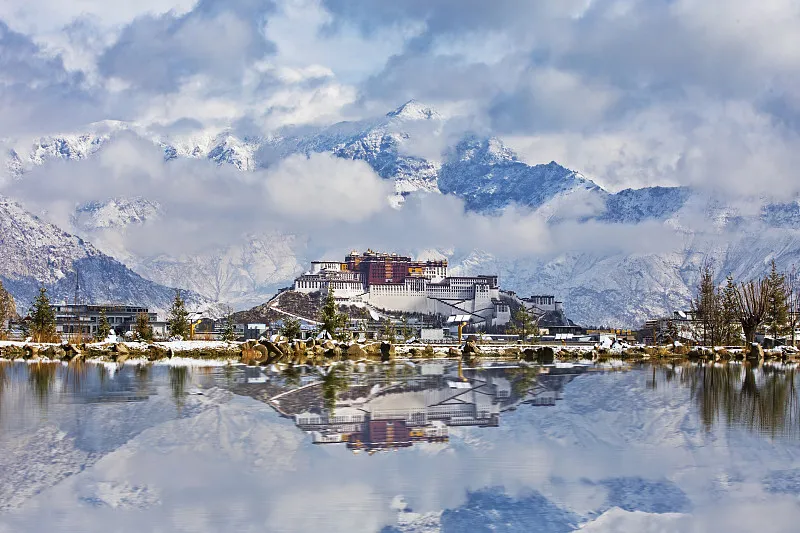
Lhasa Station, the Qinghai-Tibet Railway’s terminal and largest station, is in southern Lhasa (3,600+m), 20km from the Potala Palace. Put into use on July 1, 2006, it is a comprehensive passenger/cargo hub.
Lhasa Station, the final stop for Tibet-bound travelers, blends Tibetan and modern architecture (referencing the Potala Palace), becoming a landmark of the “City of Sunshine”.
Arriving at the final chapter of the City of Sunshine, the warm services and travel guidelines of Lhasa Station accompany you to embark on this plateau date:
- Station Facilities: 3-story main building with waiting halls, medical clinics, VIP areas, escalators, free luggage storage, electronic tickets and unmanned check-in, plus service/health centers.
- Transportation Connections: 9 bus routes to urban attractions, a taxi stop, in-station bus/air ticket windows, and a convenient transfer channel (no re-security).
- Surrounding Facilities: Various hotels/restaurants and supermarkets selling Tibetan specialties (Thangka, Tibetan incense) for gifts.
- Travel Tips: Heavy passenger flow; secure belongings. Avoid strenuous exercise upon arrival; take oxygen if needed. Respect local customs in this religious holy place.
Travel Guide for Major Stations on the Qinghai-Tibet Railway
Ticket Purchase and Station Entry Tips
Matters related to ticket purchase and station entry at major stations on the Qinghai-Tibet Railway:
- Ticket Purchase Channels: Tickets can be purchased through various channels such as the 12306 website, mobile APP, station ticket windows and self-service ticket machines.
- Ticket Purchase Timing: Tickets to Tibet are relatively tight. It is recommended to purchase tickets 15 days in advance during the tourist peak season to avoid affecting your travel.
- Ticket Purchase Documents: You need to carry your valid ID card; children need to carry their household registration booklet or ID card; foreign tourists need to carry their passports and other valid documents.
- Station Entry Requirements: You need to carry your valid ID card and ticket, and cooperate with the staff to complete security inspection and identity verification.
- Special Requirements for Entering Tibet: Travelers entering Tibet need to undergo plateau travel health registration, and the staff will remind them of altitude sickness prevention measures.
- Suggestions for Arrival at the Station: It is recommended to arrive at the station 1 hour in advance to avoid missing the train due to large passenger flow and delayed security inspection.
- Electronic Ticket Tips: Electronic tickets have been implemented at Lhasa Station, Nagqu Station, etc. There is no need to pick up tickets; you can enter the station and take the train by swiping your ID card.
Plateau Adaptation and Safety Tips
Most of the major stations on the Qinghai-Tibet Railway are located in high-altitude areas. Notes on plateau adaptation and safety:
- Altitude Characteristics: The altitude of major stations ranges from 2,800 meters to 5,068 meters. Travelers are prone to altitude sickness, and full preparations are required for first-time entry into Tibet.
- Prerequisite for Entering Tibet: Do not catch a cold before entering Tibet. Colds are likely to cause serious diseases such as high altitude pulmonary edema, affecting your health.
- Plateau Adaptation Skills: When passing through the stations, you need to rest, avoid strenuous exercise and speaking loudly, drink more water and eat more fresh fruits and vegetables to supplement water and vitamins.
- Medicines and Oxygen Inhalation: You can carry anti-altitude sickness medicines such as Rhodiola rosea and Gaoyuan’an. If necessary, go to the oxygen supply room or medical clinic of the station for oxygen inhalation.
- Cold Protection Measures: The plateau climate is changeable, with a large temperature difference between day and night. Regardless of the season, you need to carry thick coats and other cold-proof clothing.
- Sun Protection Measures: The plateau has strong ultraviolet radiation. You need to carry sun protection products such as sunscreen, sun hats and sunglasses to protect against sunburn.
Luggage Carrying and Material Preparation
When traveling to the major stations of the Qinghai-Tibet Railway, the luggage carried should be simple and practical. Avoid carrying too much and heavy luggage to avoid increasing the physical burden and aggravating altitude sickness. Necessary items include cold-proof clothing, sun protection products, oxygen tanks, anti-altitude sickness medicines, valid ID cards, tickets, mobile phone chargers, etc.
Before entering Tibet, you can buy the required materials in the supermarkets around large stations such as Xining Station and Golmud Station, where the prices are relatively affordable, avoiding buying them at high prices in the plateau area. In addition, there is less drinking water in the plateau area, and the water quality is hard. It is recommended that travelers carry a water bottle to replenish water at any time. Do not carry flammable, explosive, dangerous goods and other prohibited items to avoid affecting station entry and travel safety.
Planning Your Qinghai–Tibet Railway Journey and Key Stations
The main stations along the Qinghai–Tibet Railway are more than simple stops along the route. From the eastern gateway at Xining to the final destination of Lhasa, each station represents a different stage of the journey across the Tibetan Plateau. Knowing where these stations are located, what services they provide, and how they connect to nearby cities and attractions can make the trip much easier, especially for travelers experiencing high altitude for the first time.
For travelers planning a Tibet journey by train, careful preparation and reliable travel guidance are important. China Dragon Travel specializes in Tibet tours and plateau travel planning, offering professional advice and customized itineraries that help visitors explore Tibet safely while enjoying one of the world’s most spectacular railway journeys.