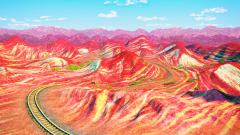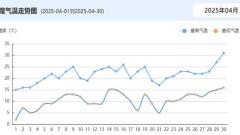

What are the best attractions in Dunhuang? Located at the western end of the Hexi Corridor, Dunhuang was once a vital hub on the ancient Silk Road, where cultures, religions, and trade routes converged. The city blends extraordinary Buddhist cave art, vast desert landscapes, and historic frontier passes. From the world-famous Mogao Caves to the desert beauty of Mingsha Mountain and Crescent Lake, and from the ancient ruins of Yumen Pass and Yangguan to the surreal Yardang landforms, every site reflects the legacy of Silk Road civilization.
Classic Historical Attractions in Dunhuang
Mogao Grottoes
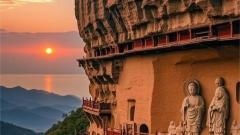
The Mogao Grottoes are the soul of Dunhuang and a world-renowned treasure trove of Buddhist art. First built during the Sixteen Kingdoms period and constructed over a thousand years, they now have 735 caves, 45,000 square meters of murals and more than 2,400 painted statues, making them the largest and best-preserved Buddhist cave art complex in the world.
- Features: The Grottoes boast gorgeous murals and exquisite painted statues, depicting Silk Road civilizations, Buddhist stories and secular life, with high artistic, historical and religious value. Tours include a digital exhibition and on-site cave visits with professional guides explaining the artistic connotations.
- Best Time: Mornings with soft, even lighting offer a comfortable and insightful visit; allow 3–4 hours to fully experience this millennium-old art palace.
As a universally recognized world cultural heritage site, the Mogao Grottoes are under strict protection. Tickets must be booked online in advance. Photography and touching murals and statues are strictly prohibited inside the Grottoes to protect this precious cultural treasure.
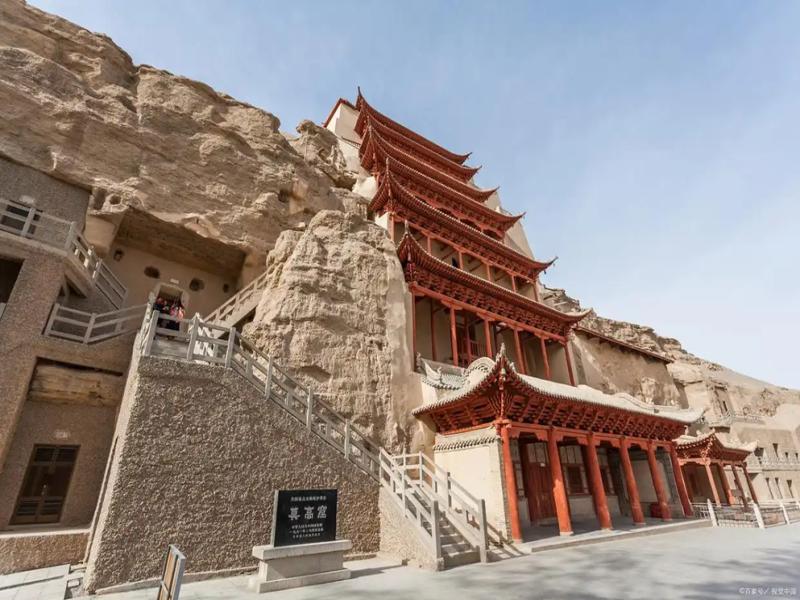
Mogao Grottoes: The Cultural Icon of Dunhuang
Yumen Pass Ruins
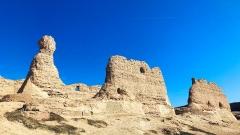
Yumen Pass was the strategic fortress of the Silk Road in the Han Dynasty and an important gateway from the Central Plains to the Western Regions. It was named after the Hetian jade from the Western Regions that passed through here to the Central Plains.
- Features: The pass was built of rammed loess, standing deep in the Gobi Desert, surrounded by relics of the Han Dynasty Great Wall. It is majestic, desolate and full of historical grandeur.
- Best Time: Early morning or late afternoon, when gentle sunlight gilds the pass and Gobi in warm golden hues with rich light and shadow, creating the perfect atmosphere and effect.
More than a military fortress, Yumen Pass is a historical landmark of exchange and integration between the Central Plains and the Western Regions. Every inch of its walls tells the stories of Silk Road caravans and frontier garrisons in ancient times.
Dunhuang Museum
Dunhuang Museum is a free public comprehensive museum and a key window to deeply understand the history of the Silk Road and the evolution of Dunhuang civilization. It houses a large and diverse collection of precious relics that fully document Dunhuang’s history.
- Features: It systematically displays Dunhuang’s development from ancient times to the Han, Tang, Song and Yuan dynasties, interprets Silk Road trade, ethnic integration and artistic evolution, making it ideal for gaining background knowledge before visiting the Mogao Caves.
- Best Time: Suitable for visiting all day. The indoor environment is comfortable and weather-proof. A typical visit takes about 1–1.5 hours to fully grasp the core of Dunhuang’s history and culture.
As an encyclopedia of Dunhuang culture, the museum connects the millennium memories of the Silk Road with physical relics, making it an indispensable stop to understand and explore Dunhuang.
Yangguan Pass Ruins
Yangguan Pass was the key fortress on the southern route of the ancient Silk Road. Since the Han and Tang dynasties, it has been a military stronghold, transportation hub and a must-pass place for merchants and travelers.
- Features: The scenic area well preserves the ruins of the ancient pass, beacon towers from the Han and Tang dynasties, ancient battlefield traces and a special museum, fully recreating the grand scenery of Silk Road caravans and frontier garrisons. You can climb the high viewing platform to overlook the boundless Gobi and rolling sand dunes, and personally feel the solitude of the vast desert.
- Best Time: Spring and autumn with mild temperatures, less wind and sand and pleasant weather, effectively avoiding the extreme heat of the Gobi in summer, offering the best comfort and viewing experience.
As a symbolic site of Silk Road culture, Yangguan Pass is not only a fortress but also a witness of cultural exchanges between the Central Plains and the Western Regions. Walking among the ruins, you can feel the frontier spirit and Silk Road feelings of thousands of years.
Western Thousand Buddha Caves
The Western Thousand Buddha Caves are a vital part of the Dunhuang cave system. Carved into the cliffs along the northern bank of the Danghe River, they were built even earlier than the Mogao Caves, and are precious heritages of Silk Road Buddhist art together with the Mogao Caves.
- Features: The murals in the caves completely retain the characteristics of early cave art from the Northern Dynasties to the Sui and Tang dynasties, and the statues have high archaeological and aesthetic value. The scenic area has beautiful river scenery, integrating humanity and nature.
- Best Time: Mornings with soft, even lighting clearly show the details of murals and layers of statues, providing a comfortable visit and ideal photography effect.
As one of the oldest cave groups in Dunhuang, the Western Thousand Buddha Caves are not only an important witness to the eastward spread of Buddhism, but also a quiet pure land where you can calm your mind and feel the warmth of millennium-old art.
Classic Natural Attractions in Dunhuang
Echoing Sand Mountain & Crescent Lake
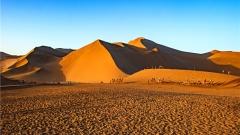
Known as the greatest wonder of deserts, Echoing Sand Mountain and Crescent Lake is famous for the unique scene of sand and spring coexisting without sand covering the spring. The whole mountain is made of fine sand, named after the humming sound made by wind blowing the sand. A crescent-shaped clear spring among the mountains has never dried up for thousands of years, a true masterpiece of nature.
- Features: You can ride camels across the desert, climb sand mountains to watch sunsets, experience sand sledding for excitement, and stargaze over the Gobi at night, which is uniquely romantic. Tickets are valid for 3 days with multiple entries allowed.
- Best Time: It is recommended to enter after 18:00 in the evening to avoid the high temperature and strong sunlight during the day. At this time, the light is soft and the temperature is comfortable, allowing you to enjoy the magnificent desert sunset, walk in the night scenery and look up at the starry sky for the best overall experience.
Echoing Sand Mountain & Crescent Lake is a landmark attraction in Dunhuang, not only a natural wonder but also the most poetic spot on the Silk Road trip.
Yadan National Geopark
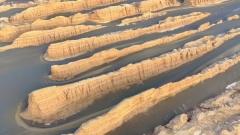
Located deep in the Gobi Desert, Yadan National Geopark is a typical wind-erosion landform with various shaped mounds. The wind blowing through them makes whistling sounds, so it is called the Ghost City.
- Features: Landscapes such as the Golden Lion Greeting Guests, the Peacock Standing Gracefully and the West Sea Fleet in the park are vivid and lifelike. At sunset, the Gobi is dyed golden, magnificent and breathtaking.
- Best Time: Sunset is the most spectacular. It is recommended to check the sunset time in advance and go by self-driving or chartered car, taking precautions against wind and sand.
Yadan National Geopark is a must-visit natural wonder on Dunhuang’s western route, perfectly showing the extraordinary craftsmanship of nature and the most visually striking spot on the Silk Road trip.
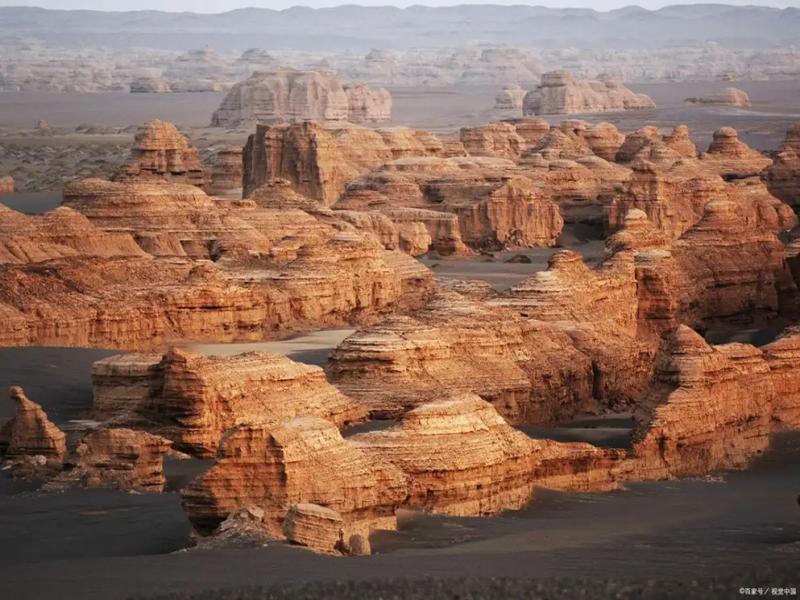
Yadan National Geopark: One of Dunhuang’s Must-See Landscapes
Classic Cultural Attractions in Dunhuang
Shazhou Night Market
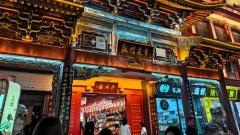
Shazhou Night Market is the most lively landmark in urban Dunhuang and the core place to experience Silk Road customs, known as Dunhuang’s Late-Night Kitchen.
- Features: It gathers Dunhuang’s special snacks, handicrafts, Silk Road cultural products and folk performances. Cultural goods such as luminous cups, camel bone carvings and Dunhuang painted fans are available.
- Best Time: 19:00–23:00, when the night market lights up, stalls open and crowds are the most lively, offering the best atmosphere and experience.
It is the liveliest nightlife landmark in urban Dunhuang, allowing you to understand the warmest side of Dunhuang through the double enjoyment of taste and vision.
Dunhuang Performing Arts Center
The Dunhuang Performing Arts Center stages top-tier cultural tourism shows all year round. Centered on the history of the Silk Road and Dunhuang art, these performances offer visitors a distinctive cultural tourism experience with strong local characteristics.
- Features: Shows such as Silk Road Flower Rain and Farewell to Dunhuang integrate dance, music and light and shadow, recreating classic scenes of Silk Road caravans, Dunhuang Flying Apsaras and Buddhist art.
- Best Time: Fixed shows every night with a stronger evening atmosphere; it is recommended to book seats in advance to ensure the best viewing effect and smooth travel schedule.
A Dunhuang performance is a condensed presentation of millennium-old art, allowing you to deeply appreciate the splendor and brilliance of Silk Road civilization through light, shadow and dance.
Leiyin Temple
A famous Buddhist temple in Dunhuang, Leiyin Temple has long been a must-pass place for traveling monks on the Silk Road. With grand architecture, it is solemn and quiet, sharing the same Buddhist cultural lineage as the Mogao Caves.
- Features: The temple has a complete layout, solemn Buddha statues and prosperous incense, allowing you to experience the continuity of Dunhuang’s Buddhist culture and folk belief atmosphere.
- Best Time: The temple is quiet in the morning and gets busier in the afternoon, so morning visits are recommended for peaceful prayer and sightseeing.
As an important inheritor of Silk Road Buddhist culture, Leiyin Temple continues Dunhuang’s thousand-year-old religious heritage in a simple and quiet manner, providing a peaceful place for the soul amid the busy journey.
Practical Tips for Dunhuang Travel
- Ticket Booking: Book tickets for the Mogao Caves online 15–30 days in advance, and get tickets as early as possible in peak season to avoid sold-out tickets on site; emergency tickets only cover a small number of caves with limited experience.
- Climate Protection: Dunhuang is dry and rainless with strong ultraviolet rays and large temperature differences between day and night. Bring sunscreen, sun hats, sunglasses and warm coats; the Gobi is windy, so take sand protection measures at Yadan and other spots.
- Transportation Suggestions: The distances from the urban area to Yadan, Yumen Pass and Yangguan Pass are long. It is recommended to charter a car, carpool or join a one-day tour to save time and take a smoother route.
- Cultural Relics Protection: Photography and touching murals and painted statues are strictly prohibited in caves such as the Mogao Caves and Western Thousand Buddha Caves. Follow the scenic area rules to protect the millennium-old cultural relics.
What Makes Dunhuang Worth Visiting?
Sites such as the Mogao Caves, Mingsha Mountain and Crescent Lake, Yumen Pass, Yangguan, and the Yardang National Geological Park each represent a different layer of Silk Road history and landscape.
For travelers with limited time, focusing on the Mogao Caves and Mingsha Mountain offers the most iconic experience of Dunhuang. Those with more time can extend their journey to the western desert sites to gain a deeper understanding of the region’s frontier history and geological uniqueness. Autumn is generally considered the best travel season due to its stable weather and clear visibility, offering ideal conditions for sightseeing.
Whether your focus is cultural exploration or natural landscapes, Dunhuang delivers a rare combination of both. With proper planning, travelers can fully experience the depth, beauty, and historical significance of this legendary Silk Road city.