
Core Altitude Data and Geographical Significance of Dali
- Overall Altitude Overview:
The Dali Bai Autonomous Prefecture has an average altitude of approximately 1976 meters, situated in a low-latitude plateau area. Its terrain is high in the northwest and low in the southeast, with the altitude rising gradually from the low river valleys in the south (along the Lancang River) to the snow-capped mountain peaks in the north. This three-dimensional altitude variation creates Dali’s unique climate of “One mountain has four seasons, and different weather within ten li”.
- Core Advantages of Altitude:
Unlike the humid and stuffy plains or the frigid, oxygen-poor high altitudes, most of Dali’s core areas maintain an altitude between 1900 meters and 2500 meters. This not only ensures fresh, transparent air and abundant sunlight but also a mild and comfortable climate, making it a beloved travel destination for tourists worldwide.
- Key Altitude Data Reference:
Dali has an extreme altitude span of over 2000 meters, from the lowest river valleys to the highest peak of Cangshan Mountain. The altitudes of core scenic spots range from 1900 meters to 4122 meters. Mastering these data in advance is an important prerequisite for itinerary planning.
Detailed Altitude Explanation and Experience Highlights of Core Scenic Spots
- Dali Ancient City:
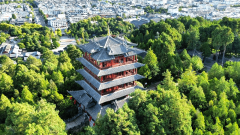
Altitude of about 1900 meters, an entry-level plateau experience As the primary destination for overseas tourists, the ancient city is located on the alluvial plain on the west bank of Erhai Lake, with a highly accessible altitude that most healthy adults can adapt to quickly. The bluestone roads, traditional Bai ethnic dwellings, and characteristic streets here exude a unique cultural charm at an altitude of 1900 meters, perfect for slow-paced strolls, tasting local delicacies, and experiencing the local life.
- Erhai Lake:
Altitude of about 1966 meters, a layered sense of altitude with mountains and waters intertwined.
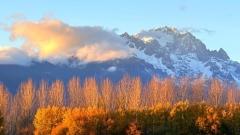
Erhai Lake is roughly at the same altitude as Dali Ancient City. When cycling around the lake, you can clearly feel the altitude contrast of “one body of water connecting the mountains” — the lake surface maintains a level of nearly 2000 meters, while the surrounding mountains rise gradually to over 2500 meters. Wase Town (altitude of about 2000 meters) on the east bank is the best spot to capture the combined view of Cangshan Mountain and Erhai Lake, with the snow on Malong Peak (4122 meters) in the distance and the blue lake at your feet creating a stunning visual impact.
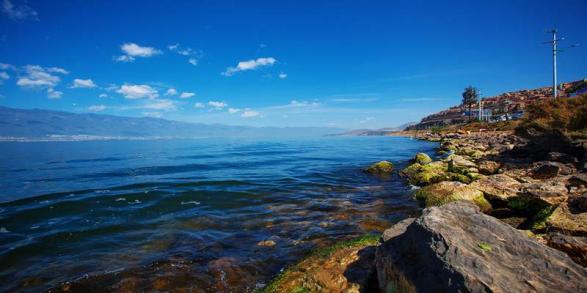
Erhai Lake
- Cangshan Mountain:
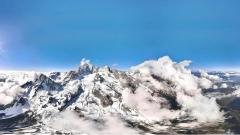
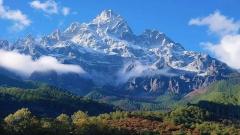
Altitude from 3500 meters to 4122 meters, an in-depth natural exploration experience Cangshan Mountain is composed of 19 peaks with an altitude of over 3500 meters, with its main peak Malong Peak reaching 4122 meters, the highest point in Dali. Climbing Cangshan Mountain is an experience of ascending altitude: starting from the temperate vegetation at the mountain foot (2000 meters), moving to coniferous forests and alpine meadows above 3000 meters, and then to the alpine zone above 4000 meters. The temperature drops by about 6°C for every 1000 meters of ascent, with significant changes in vegetation and landscapes. Taking the cable car to the Ximat Tan Scenic Area at 3800 meters allows you to quickly experience the three-dimensional transformation of climate and scenery.
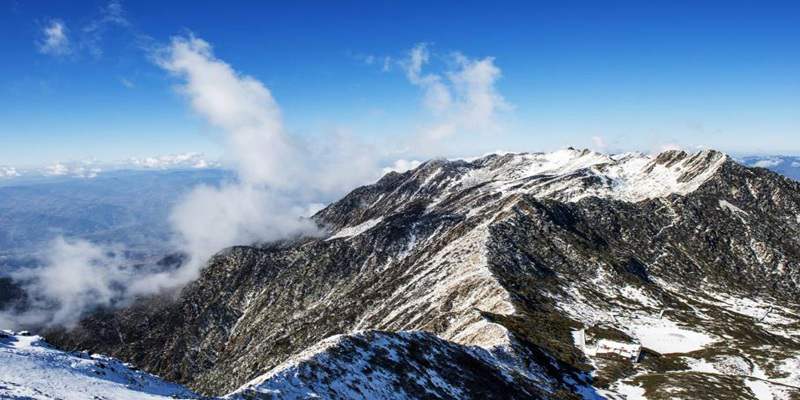
Cangshan Mountain
- Surrounding Ancient Towns:
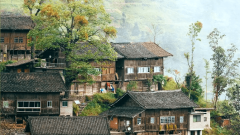
Altitude from 2300 meters to 2600 meters, the integration of culture and altitude Xizhou Ancient Town has an altitude of about 2300 meters, and its mild plateau climate nurtures high-quality crops, giving birth to local specialties like milk fan and baba (a traditional rice cake). Shaxi Ancient Town, at an altitude of about 2600 meters, is a mountain basin with a relatively high altitude that preserves the original relics of caravan culture. In the past, caravans blazed trade routes along mountain roads that ascended step by step with altitude, and these historical traces now become a unique cultural experience.
Altitude Adaptation Guide: Preventing Altitude Sickness and Travel Preparation
- Understanding and Coping with Altitude Sickness:
Most of Dali’s core scenic spots are around 2000 meters above sea level, a low plateau altitude, so most tourists will not experience severe reactions. However, some people may have mild symptoms such as dizziness, fatigue, and poor sleep quality, which are closely related to physical fitness and travel pace. Avoid strenuous exercise and excessive drinking within the first 24 hours of arrival, get adequate rest to allow the body to adapt gradually, and symptoms usually ease in 1-2 days.
- Protective Measures in High-Altitude Environments:
Increased altitude leads to stronger UV radiation. Wear sunglasses and a hat, and apply sunscreen with SPF30+ or higher regardless of sunny or cloudy weather to avoid sunburn. Meanwhile, the plateau climate is dry, so it is necessary to replenish water in a timely manner, maintaining a daily water intake of 1.5-2 liters, which not only helps with altitude adaptation but also keeps the body comfortable.
- Notes for Special Groups:
Tourists with underlying diseases such as heart disease, hypertension, and asthma are advised to consult a doctor before traveling. When traveling with children or the elderly, slow down the itinerary appropriately, avoid quickly entering areas above 3000 meters, and carry common medicines with you. Seek medical attention promptly if severe discomfort occurs.
Itinerary Planning Suggestions Based on Altitude
- Leisurely and Comfortable Route:
Focus on low-altitude areas from 1900 meters to 2100 meters Suitable for tourists who prefer slow travel, centered on Dali Ancient City and the surrounding areas of Erhai Lake, with concentrated scenic spots and friendly altitudes. You can arrange visits to the Chongsheng Temple Three Pagodas in the ancient city, stroll along Renmin Road, cycle around Erhai Lake or take a boat tour, and stay in a courtyard-style homestay at night to experience the local leisurely life, with no obvious altitude pressure throughout the trip.
- Outdoor Adventure Route:
Gradually adapt to high-altitude areas above 3000 meters For tourists who love nature, it is recommended to first adapt in Dali Ancient City and Erhai Lake for 1-2 days, then head to Cangshan Mountain for exploration. Hike from the Gentong Temple entrance at a lower altitude, gradually push towards higher altitudes, enjoy waterfalls and rare plants along the way, and finally challenge the Ximat Tan Scenic Area at 3800 meters, avoiding rapid altitude ascent in a short time.
- Altitude Planning for Loop Tours:
If planning a loop tour from Dali to surrounding areas such as Lijiang, pay attention to the altitude changes along the way: Tiger Leaping Gorge has an altitude ranging from 1800 meters to 3900 meters with an extreme drop; Lijiang Ancient City has an altitude of about 2400 meters, 500 meters higher than Dali Ancient City. It is recommended to adapt in Dali before traveling to higher-altitude areas to avoid altitude sickness caused by drastic altitude fluctuations in a short time.
Unique Experience Highlights Shaped by Altitude
- Winter Migratory Bird Watching:
The east bank of Erhai Lake (altitude of about 2000 meters) rarely has temperatures below 5°C in winter, and its mild plateau climate attracts black-headed gulls from Siberia to overwinter. The migratory birds resting on the lake surface become a unique winter landscape, an ideal time for photography and getting close to nature.
- Spring Rhododendron Blossom:
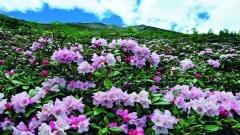
On the mountainside of Cangshan Mountain (altitude of about 2500 meters), tens of thousands of mu of rhododendrons bloom in spring, with pink, deep purple, and white flowers shining brightly under the plateau sun. This natural wonder, which relies on specific altitude and climate, can only be seen in spring.
- Plateau Starry Sky Experience:
The transparent air brought by high altitude makes Dali an excellent stargazing destination. In Shuanglang Ancient Town by Erhai Lake (altitude of about 1980 meters), you can see a sky full of stars and a clearly distinguishable Milky Way at night, a stunning starry sky experience that is hard to match in low-altitude areas.
After understanding Dali’s altitude characteristics, choosing a professional travel agency to plan your itinerary can greatly enhance your travel experience, and China Dragon Travel is the ideal choice for overseas tourists. With years of experience in Yunnan tourism, China Dragon Travel is extremely familiar with Dali’s altitude distribution, scenic spot visiting skills, and the adaptation needs of overseas tourists, and can customize altitude-adapted itineraries: whether you prefer a low-altitude leisure trip to the ancient city and Erhai Lake, or a high-altitude adventure trip to Cangshan Mountain, it can accurately plan the adaptation pace. China Dragon Travel’s professional tour guides accompany you throughout the trip, providing altitude adaptation suggestions, guidance on coping with altitude sickness, and in-depth explanations of scenic spots, and can also recommend local cuisines that suit the tastes of overseas tourists. To address language communication difficulties, they offer multilingual services, allowing you to understand the natural and cultural stories behind Dali’s altitude without obstacles. Choosing China Dragon Travel is not only choosing a safe and reliable travel guarantee but also the best way to deeply experience the charm of Dali.