
Chaka Salt Lake, known as the “Mirror of the Sky,” is one of the most iconic natural attractions in China. For international travelers, choosing the right time to visit is essential for getting the best experience. Seasonal changes affect water levels, reflection quality, weather conditions, and visitor crowds. In general, the period from May to October offers the most stable conditions, with summer and early autumn providing the best visual results. This guide helps you understand the seasonal differences so you can decide when to plan your trip.
General Overview of the Best Travel Seasons for Chaka Salt Lake
The best travel season for Chaka Salt Lake is from May to October, with comfortable temperatures, stable landscapes and complete supporting services. June to September offers the best scenery and most comprehensive experience. May and October are transitional seasons with fewer visitors and higher cost‑performance.
November to April of the following year is winter, with low temperatures and partially frozen lake surface, suitable for quiet off‑peak visits but not recommended for general tourists. You can choose the season based on your travel schedule, physical condition and landscape preferences. Elderly visitors, children or those unadapted to high‑altitude environments are advised to visit between June and September.
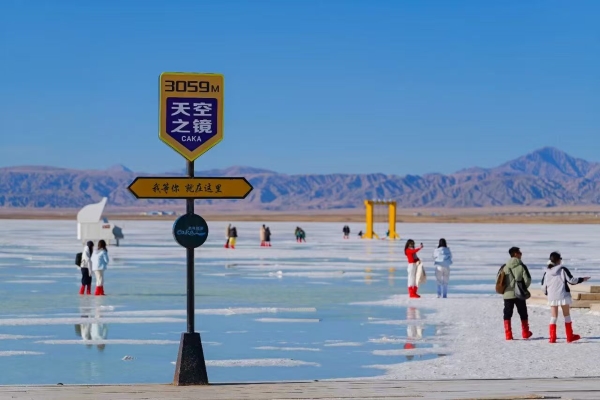
Chaka Salt Lake
Spring (May): Transitional Reviving Period
Climate and Landscape Features
In May, Chaka Salt Lake transitions from winter to summer. The average daily temperature ranges from 5°C to 18°C, with a day‑night temperature difference of about 13°C. The plateau is mostly sunny but occasionally experiences short‑term strong winds of level 3–4, which may disturb the lake surface and reduce reflection clarity.
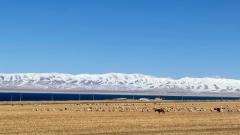
Ice on the lake melts completely, and the water level gradually rises. The salt flats begin to appear, and the lake shows an initial mirror effect, though less stable than in summer. The surrounding grasslands turn green, forming a fresh color match with white salt flats. Snow‑capped mountains in the distance have clear outlines under clear skies, creating a landscape that combines freshness and vitality.
Scenic Area Operation and Travel Experience
Scenic area operations are fully restored. Core projects such as small trains and sightseeing buses operate normally, following the same summer schedule. The number of tourists is much lower than in summer, so popular spots require no queuing and the visit is relaxed.
Accommodation support is adequate. Most businesses in Chaka Town are open, with medium prices and low booking difficulty, suitable for visitors with flexible schedules.
Advantages of Visiting in Spring
Strong off‑peak advantages, smooth photo‑taking and riding without waiting; mild weather, no extreme heat or cold, suitable for visitors with average physical strength; unique transitional scenery combining salt flats and grasslands, different from other seasons.
Summer (June–August): Golden Core Period
Climate and Landscape Features
Summer is the core period of the best travel season. The average daily temperature is 10°C to 25°C, the most comfortable of the year, with a day‑night difference of about 15°C. Sunny days account for over 80%, with excellent air transparency and visibility exceeding 10 kilometers, clearly showing layers of distant mountains and sky.
The lake enters the high‑water season with peak water levels and expanded area. The surface is smooth; on calm days, reflections almost fully overlap with real scenery. The salt flats are pure white, presenting the best “Mirror of the Sky” landscape.
Scenic Area Operation and Travel Experience
All projects are fully open, with increased small‑train frequencies reaching core viewing spots. Supporting facilities such as cruises and viewing platforms operate normally. The service system is most complete, including tourist centers, medical stations and nursing rooms.
However, this is the peak tourist season with surging crowds. Rush hours are 8:00–11:00 and 15:00–18:00; popular spots such as the salt sculpture group and core railway area require queuing. Accommodation prices rise significantly and should be booked 7–10 days in advance.
Advantages of Visiting in Summer
Landscape effects are maximized with stable high‑quality “Mirror of the Sky”; complete services ensure quick support for problems; suitable for family trips, couples and elderly visitors.
Autumn (September–October): Quiet High‑Quality Period
Climate and Landscape Features
From September to October, the average daily temperature is 3°C to 18°C, mild in early autumn and gradually cooling in late October. The day‑night temperature difference expands to over 15°C. Sunny days exceed 75%, with dry and transparent air and soft light. The salt flats appear whiter under autumn sunlight.
In September, the water level remains stable with mirror effects close to summer. In late October, the water level drops slightly but the surface stays smooth with little impact on reflection clarity. Surrounding grasslands show golden and light green colors, contrasting sharply with the white lake, creating a strong autumn atmosphere.
Scenic Area Operation and Travel Experience
Scenic operations remain stable with core projects open normally. Only some small outdoor projects may reduce service in late October. Tourist numbers drop by over 60% compared with summer. The area is quiet with almost no queuing, allowing flexible photo and route choices.
Accommodation prices return to a medium level, cheaper than summer, with sufficient rooms and high booking flexibility.
Advantages of Visiting in Autumn
Fewer crowds and high cost‑performance, with a quiet visiting environment; soft light ideal for immersive sightseeing and photography; cool climate without sunburn, high comfort.
Winter (November–April): Quiet Off‑Peak Period
Climate and Landscape Features
Winter is the low season. The average daily temperature is -15°C to 5°C, and can drop to -20°C in extreme conditions. Winds are strong, often level 4–5 gusts, making the perceived temperature lower.
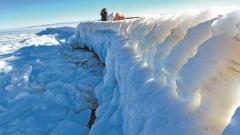
Part of the lake freezes, forming a unique landscape of salt and ice. Texture of the salt layer is visible under ice. The overall tone is silvery white and cold, distinctly different from other seasons. The sky is deep blue with few clouds, creating a strong visual contrast with the icy lake.
Scenic Area Operation and Travel Experience
Operations adjust according to weather. Core viewing areas remain open, while some experience projects are suspended. Opening hours are shortened by 1–2 hours. Visitor numbers are extremely low, less than 10% of summer levels, allowing exclusive use of the wide lake.
Tickets are sold at low off‑peak prices, with free entry for certain groups in some periods. Accommodation in Chaka Town is cheap, with the lowest annual cost‑performance.
Advantages of Visiting in Winter
Unique niche landscape for distinctive experiences; low cost with greatly reduced overall expenses; quiet environment for immersive enjoyment of the lake’s tranquility.
Highlight Attractions in Chaka Salt Lake
- Sky Mirror Square: The core landmark with a wide and smooth lake surface. It offers the clearest reflections on calm sunny days, the top choice for experiencing the “Mirror of the Sky”. Facilities include viewing platforms, goddess statues and lake‑worshipping cairns.
- Vintage Narrow‑Gauge Small Train: Designed with old narrow tracks extending into the lake, passing salt flats, sculptures and stations. The ride allows slow sightseeing; tracks and carriages are iconic for photos.
- Salt Sculpture Art Group: Certified as the world’s largest outdoor salt sculpture group. Made from local salt crystals, themed on Genghis Khan, myths and folk culture, grand and unique.
- Lake‑Center Viewing Stations: Several stops along the train route for close access to the lake’s interior, ideal for quiet viewing and photography away from crowds.
- Qianying Muxue Viewing Platform: A high site facing continuous snow mountains. On calm days, it captures the lake, reflections and snow mountains at the same time.
- Tianjing Bishui Plank Road: Wooden and semi‑submerged paths safely extending onto the lake, allowing close contact with salt flats and water, with beautiful lines for photography.
- Salt Culture Museum: Displays the formation history, salt mining techniques, folk culture and relics of Chaka Salt Lake, enriching visitors’ knowledge.
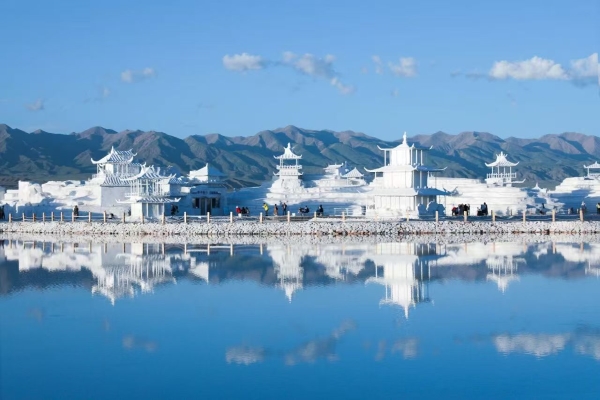
Salt Sculpture Art Group
Chaka Salt Lake Practical Information on Transportation and Tickets
Transportation
External transportation: Self‑driving from Xining via Beijing‑Tibet Expressway, about 300 km with good roads and dedicated parking; regular buses from Xining Bus Station to Chaka Town, 2–3 trips daily, then transfer by taxi or local bus; group tours include round‑trip transport, tickets and guide services.
Internal transportation: Small trains to core viewing platforms (one‑way ~15 minutes); sightseeing buses connecting entrance and secondary spots, suitable for visitors with limited mobility.
Ticket Policy
Peak season (May 1 – Oct 31): 60 CNY/person
Off‑season (Nov 1 – Apr 30): 30 CNY/person
Free entry: seniors aged 65+, children under 1.2 meters, active military personnel, etc.
Half price: seniors aged 60–64, full‑time students, with valid ID required.
Opening Hours:
Peak season: 6:30–20:30; Off‑season: 8:00–18:00, subject to official announcements.
Travel Outfits and Preparation for Chaka Salt Lake
Outfit Tips
Wind protection and warmth are essential in all seasons. Bring light coats and thick sweatshirts in May and September–October for large day‑night differences. In summer, wear short sleeves, long pants, sun protection clothing and sun hats. In winter, wear thick down jackets, fleece pants, windproof gloves, turtleneck sweaters and warm socks.
Choose non‑slip, waterproof and warm shoes; avoid high heels or thin‑soled shoes to prevent slipping on salt flats or ice.
Essential Items
High‑factor sunscreen, lip balm and skin moisturizer are needed year‑round due to strong UV radiation. Prepare sunglasses to resist strong reflections. Bring power banks and thermoses. Prepare common medicines such as cold, gastrointestinal and anti‑altitude sickness drugs according to seasons.
Safety Tips for Chaka Salt Lake
- Altitude sickness prevention: Avoid intense activities at high altitude. Walk slowly. Rest immediately if headache or shortness of breath occurs. Take anti‑altitude sickness medicine if needed; seek medical help for severe symptoms.
- Wind and cold protection: Keep warm in winter and early mornings/late evenings. Avoid long outdoor stays to prevent frostbite. Reduce walking on the lake during strong winds.
- Follow scenic rules: Do not enter closed areas, trample on salt flats or litter to protect the ecology. Watch for salt crusts and ice when taking photos to avoid slips and injuries.
- Weather and itinerary planning: Check the weather forecast before departure. Adjust or cancel lake activities during strong winds or snowstorms, and stay in safe areas.
- Personal belongings and health: Drink plenty of water in dry plateau climate. Avoid overeating to reduce stomach discomfort. Carry emergency medicines.
Choosing the Right Time for Your Chaka Salt Lake Trip
The best time to visit Chaka Salt Lake ultimately depends on what you value most in your trip. If you are looking for perfect mirror-like reflections, summer is the ideal season. If you prefer fewer crowds and a more relaxed pace, late spring or autumn can offer a quieter and more comfortable experience. Understanding these seasonal differences in advance allows you to plan more effectively and enjoy the destination at your own pace.
For travelers unfamiliar with high-altitude destinations, proper planning can make a significant difference. China Dragon Travel can assist with transportation, tickets, and seasonal recommendations, helping you avoid common challenges and make the most of your visit. With the right support, you can focus on experiencing the unique beauty and tranquility of Chaka Salt Lake.