
Yunnan, a paradise for travelers, boasts snow – capped mountains, ancient towns and ethnic cultures. Overseas tourists often wonder about its off – season. The off – season means fewer crowds, lower costs and a relaxed trip. This article will detail the off – season, unveil its charm and offer practical guides for your Yunnan journey.
When is the Off-Season for Yunnan Tourism?
To plan an off-season trip, first, we must make it clear: when is the off-season for Yunnan tourism? Unlike many tourist destinations with a single scenic spot, Yunnan has a vast territory and significant climate differences across regions, which makes the division of its off-season relatively clear, but it also needs to be flexibly adjusted according to specific areas. Based on climate conditions, festive activities and tourist flow data, the off-season for Yunnan tourism is generally from November to April of the following year. However, this period can be further divided into two stages according to seasonal characteristics, each with different travel highlights, and overseas tourists can choose according to their own interests and preferences.
The first stage is from November to mid-December. At this time, Yunnan has just bid farewell to the rainy season, with clear and bright skies and comfortable temperatures with abundant sunshine—there is neither the muggy and humid weather of summer nor the severe cold of winter yet. The second stage is from January to April of the following year. The temperature may drop slightly around January, but for overseas tourists from temperate or frigid zones, this cool and even slightly cold climate is actually easier to adapt to; in some areas from March to April, early spring arrives, with peach blossoms and rapeseed flowers blooming one after another, presenting a unique seasonal landscape. It should be noted that about a week before and after the Spring Festival, Yunnan will see a small peak of domestic tourists, which is not strictly a pure off-season. Overseas tourists planning to travel at this time need to make advance arrangements.
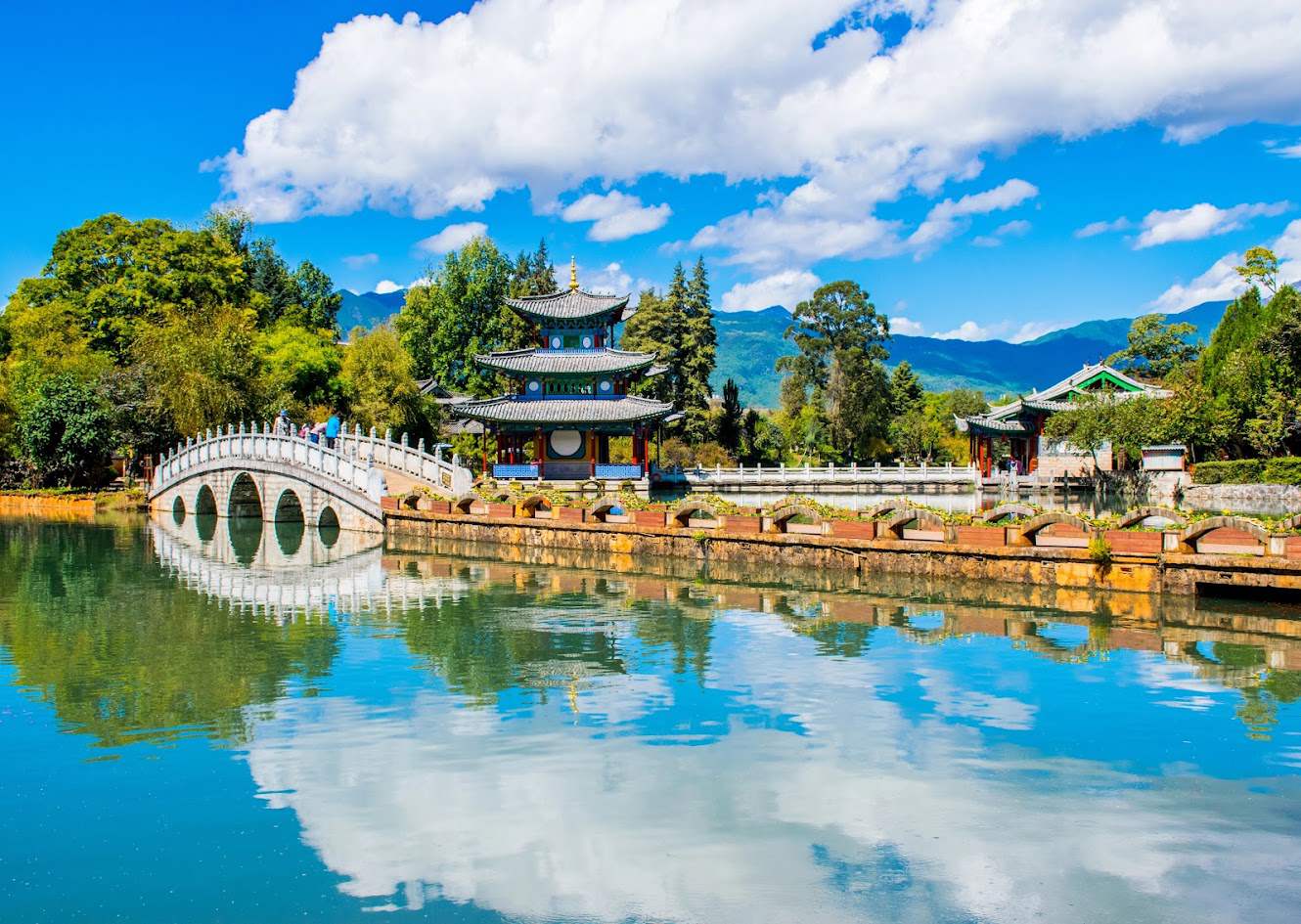
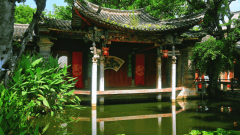
Yunnan’s Scenic Beauty
Traveling to Yunnan in the Off-Season: Why It’s the First Choice for Overseas Tourists?
After learning when the off-season for Yunnan tourism is, many overseas tourists will be curious: why is it recommended to visit during this time? In fact, traveling to Yunnan in the off-season has prominent advantages, bringing unexpected surprises in terms of travel experience, budget control and unique scenery, which is especially suitable for the travel needs of overseas tourists.
Fewer Crowds, Enhanced Experience
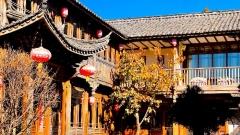
Most overseas tourists are used to a relaxed travel pace and are tired of the hustle and bustle of crowded scenic spots. In Yunnan’s off-season, the number of tourists drops significantly in both popular attractions such as Lijiang Ancient Town and Erhai Lake in Dali, and distinctive scenic areas like Pudacuo National Park in Shangri-La and Xishuangbanna Tropical Botanical Garden. You can stroll slowly on the bluestone roads of Lijiang Ancient Town without hurrying to avoid the crowds; when cycling around Erhai Lake in Dali, you can find a suitable spot to stop and take photos at any time, enjoying the beautiful scenery of blue sky, white clouds and the lake reflecting each other; walk on the meadows of Pudacuo and experience the pure land composed of snow-capped mountains, lakes and forests alone—this kind of experience away from the hustle and bustle is hard to achieve in the peak season. In addition, the service facilities in scenic spots are more abundant in the off-season, so there is no need to wait in long lines for cable cars, tickets or catering services, greatly improving the comfort of the trip.
Affordable Costs, High Cost-Effectiveness
For overseas tourists, travel budget is an important consideration in planning trips, and Yunnan’s off-season has a significant cost advantage. During this period, accommodation, transportation and scenic spot tickets all hit the annual low. Take accommodation as an example, the prices of characteristic inns in Lijiang Ancient Town and coastal hotels in Dali are only 50% to 70% of those in the peak season, and you can easily book rooms with superior locations and complete facilities; in terms of air tickets, flights from abroad directly to Kunming or transferring from major domestic cities to various places in Yunnan have large off-season discounts, and the prices of some flights can even drop to half of those in the peak season; scenic spot tickets also have corresponding discounts, and some spots launch package ticket promotions in winter, further reducing travel costs. The high cost-effectiveness allows overseas tourists to enjoy a higher-quality travel experience with a more reasonable budget.
Unique Seasons, Distinctive Scenery
Many people mistakenly think that the scenery in the off-season is inferior to that in the peak season. In fact, Yunnan’s off-season has many unique landscapes that the peak season cannot match. From November to December, snow begins to fall in northern Yunnan such as Shangri-La and Lijiang. The snow lines of Jade Dragon Snow Mountain and Meili Snow Mountain drop, making the snow-capped mountain scenery more magnificent and grand. The plateau lakes after snow, such as Blue Moon Valley, have clearer and more blue water against the white snow; this is also the harvest season in many parts of Yunnan. The rice in Yuanyang Terraced Fields has been harvested, and the layered terraced fields show a unique ochre texture in the sun, forming a simple pastoral picture with the surrounding Yao and Hani ethnic villages. From January to February, places like Xishuangbanna still maintain a warm climate above 20℃. The tropical rainforests here are lush, you may encounter groups of Asian elephants in Wild Elephant Valley, and the Dai villages are full of a lively festive atmosphere, forming a sharp contrast with the cold in the north, making it an ideal destination for overseas tourists to escape the severe cold. From March to April, rapeseed flowers in Luoping bloom in full swing, with hundreds of thousands of mu of golden flower seas spreading across the land, set against the karst peak clusters, making it a paradise for photography enthusiasts.
Off-Season Travel Guide: Key Points Overseas Tourists Must Know
Having clarified when the off-season for Yunnan tourism is and understood the advantages of traveling in the off-season, the following practical guide is crucial. Targeting the needs of overseas tourists, it provides comprehensive references from itinerary planning and scenic spot recommendations to precautions, ensuring a smooth and pleasant trip to Yunnan.
Classic Off-Season Itinerary Planning (7-10 Days)
For overseas tourists traveling to Yunnan, it is recommended to take Kunming as a hub to radiate to surrounding popular destinations, plan routes reasonably and avoid repeated trips. The following is a classic off-season itinerary covering natural scenery, ancient town culture and ethnic minority customs:
- Days 1-2: Kunming – As the capital of Yunnan, Kunming is the preferred gateway for overseas tourists to enter Yunnan. Known as the “City of Eternal Spring”, it has comfortable temperatures in the off-season. You can visit Cuihu Park, where you may encounter red-billed gulls coming to overwinter and interact closely with these lovely little creatures; visit the Yunnan Provincial Museum to deeply understand the history, culture and ethnic minority customs of Yunnan; climb Xishan Longmen to overlook the panoramic view of Dianchi Lake and experience the grandeur of the “Plateau Pearl”.
- Days 3-4: Dali – It takes 1.5 hours by high-speed rail from Kunming to Dali. Dali is more leisurely in the off-season, and cycling around Erhai Lake is a must-do activity. You can rent an electric car or take a lake-loop bus, passing by attractions such as Bohe Village S-bend, Xizhou Ancient Town and Shuanglang Ancient Town. Taste freshly baked Baba in Xizhou and watch the sunset over Erhai Lake in Shuanglang; climb Dali Ancient Town and visit the Three Pagodas of Chongsheng Temple to feel the long history of the Nanzhao Kingdom; if time permits, you can go to Weishan Ancient Town, which is quieter than Dali Ancient Town and retains more primitive buildings and customs.
- Days 5-6: Lijiang – It takes 1 hour by high-speed rail from Dali to Lijiang. Lijiang Ancient Town loses its hustle and bustle of the peak season in the off-season. You can stroll around Sifang Street and Shuhe Ancient Town to experience the Dongba culture of the Naxi ethnic group; go to Jade Dragon Snow Mountain, where the snow quality is better in the off-season. It is recommended to book the cable car in advance and prepare warm clothes; visit Blue Moon Valley, where the clear water reflects the snow-capped mountains, like a fairyland on earth.
- Days 7-8: Shangri-La – It takes 3 hours by car from Lijiang to Shangri-La. Shangri-La has a more plateau secret land atmosphere in the off-season. Visit Pudacuo National Park to admire the primitive scenery composed of snow-capped mountains, meadows and lakes; visit Songzanlin Monastery to feel the solemnity and holiness of Tibetan Buddhism; walk into Dukezong Ancient Town, listen to the songs of Tibetans on Moonlight Square and taste the unique flavor of butter tea.
- Days 9-10: Xishuangbanna (Optional) – If time permits, you can take a 1.5-hour flight from Kunming to Xishuangbanna. The tropical climate here is in sharp contrast to that in the north. Visit the Chinese Academy of Sciences Tropical Botanical Garden to get to know various exotic flowers and plants; walk into Wild Elephant Valley to observe the life of Asian elephants up close; participate in experience activities in Dai villages, learn Dai dance and taste Dai cuisine.

Shangri-La
Off-Season Scenic Spot Recommendations: Experience Unique Charm by Avoiding the Crowds
In addition to the above classic scenic spots, Yunnan has many distinctive attractions suitable for off-season visits, and overseas tourists can choose according to their own interests:
- Yuanyang Terraced Fields: November to March of the following year is the best time to shoot the light and shadow of the terraced fields. After harvesting, the terraced fields are filled with water for cultivation, and the water surface is like a mirror, reflecting the blue sky and white clouds. The morning mist lingers among them, like a dreamlike fairyland.
- Tengchong Volcano and Geothermal Park: Visiting in the off-season allows you to avoid the crowds, take a hot air balloon to overlook the volcanic group landform, experience the unique geothermal hot springs, and enjoy a warm soak in the cold season.
- Bingzhongluo in Nujiang: Known as the “Pure Land on Earth”, the roads are smooth in the off-season. You can drive to experience the grand danger of the “72 Turns of Nujiang River”, admire the magnificent scenery of the Nujiang Grand Canyon, walk into Nu and Lisu ethnic villages, and experience the primitive ethnic minority customs.
- Luoping Rapeseed Flower Fields: March to April is the blooming season of rapeseed flowers. Hundreds of thousands of mu of golden flower seas cover the land, set against the karst peak clusters, making it an excellent destination for photography and flower viewing.
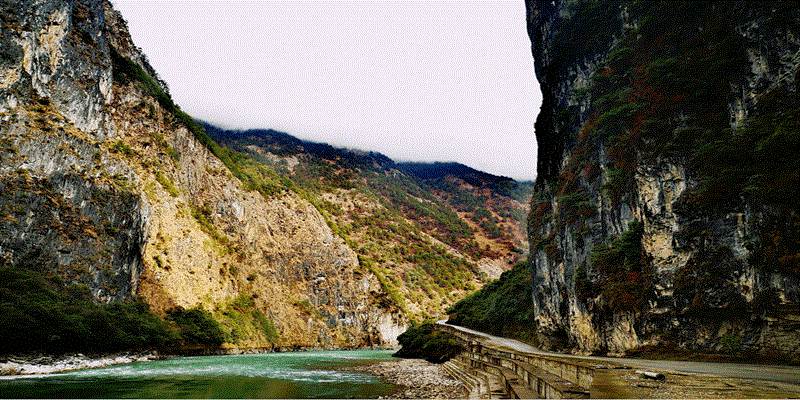
Bingzhongluo in Nujiang
Precautions for Overseas Tourists
Although traveling to Yunnan in the off-season has many advantages, overseas tourists still need to pay attention to the following precautions to ensure a smooth trip:
- Documents and Visas: Overseas tourists need to carry a valid passport and visa. For some border areas such as Bingzhongluo in Nujiang, a border pass may be required. It is recommended to consult the relevant departments or travel agencies in advance.
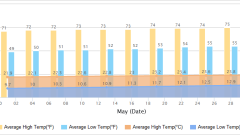
- Climate and Clothing: The temperature difference in Yunnan during the off-season is large. In northern areas such as Shangri-La and Lijiang, the winter temperature can drop below 0℃, so you need to bring warm clothes such as down jackets and antifreeze shoes; in southern areas such as Xishuangbanna, the temperature is relatively high, so you can bring light coats and long-sleeve clothes, achieving “travel light with layered dressing”.
- Altitude Sickness: Places such as Shangri-La have a high altitude (above 3000 meters). Overseas tourists may experience altitude sickness when first arriving. It is recommended to move slowly, avoid strenuous exercise, prepare anti-altitude sickness medicine in advance, or buy oxygen cylinders locally.
- Language and Communication: Ethnic minorities in some remote areas of Yunnan may not be very familiar with English. It is recommended to download a translation app in advance or choose a trip with a professional tour guide to facilitate communication and understanding of local culture.
- Payment Methods: At present, most merchants in Yunnan support mobile payment, but to avoid inconvenience, it is recommended to carry a certain amount of RMB cash, especially in remote rural areas.
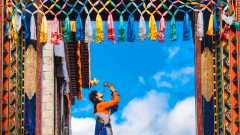
- Cultural Respect: Yunnan is a multi-ethnic region. When visiting, you need to respect the customs and habits of local ethnic minorities. For example, take off your hat when entering a Tibetan Buddhist temple, do not randomly take photos of monks, and respect the etiquette norms in Dai villages.
For overseas tourists, although they know when the off-season for Yunnan tourism is and have mastered the basic travel guides, planning a trip in a foreign country will inevitably encounter various problems: language barriers, transportation connections between scenic spots, booking of local characteristic experiences, etc., all of which may affect the smooth travel experience. At this time, choosing a professional and reliable travel agency is crucial, and China Dragon Travel is your ideal partner for traveling in Yunnan.
China Dragon Travel has been deeply engaged in the Yunnan tourism market for many years and has a thorough understanding of the off-season characteristics and travel highlights of various places in Yunnan, especially specializing in tailoring personalized itineraries for overseas tourists. Whether you want to deeply experience ethnic minority culture or focus on shooting the unique scenery of the off-season; whether you are traveling alone, on a honeymoon, or with your family, China Dragon Travel can plan the most suitable travel routes according to your needs and budget. The travel agency is equipped with professional tour guides proficient in multiple languages, who are not only familiar with scenic spot knowledge but also can build a bridge of communication between you and local people, allowing you to deeply understand the cultural heritage of Yunnan; in terms of transportation and accommodation, China Dragon Travel has long-term cooperation with high-quality local resources, enabling you to book cost-effective accommodation and convenient transportation services, avoiding the trouble of ticket grabbing in the peak season and room booking in the off-season; in addition, the travel agency provides 24-hour emergency services. No matter what problems you encounter during the trip, you can get timely solutions, making your overseas trip more secure and smooth.
In a word, the off-season for Yunnan tourism is from November to April every year. During this period, Yunnan, with fewer tourists, more affordable costs and more unique scenery, becomes an ideal travel destination for overseas tourists. From the warm sunshine in Kunming to the leisurely Erhai Lake in Dali, from the snow mountain secret land in Lijiang to the plateau scenery in Shangri-La, every place can bring you different surprises. Choose China Dragon Travel, let the professional team plan the whole journey for you, and you just need to relax and immerse yourself in the unique charm of the land of colorful clouds, starting an unforgettable off-season trip.