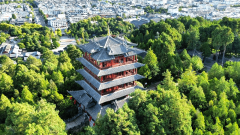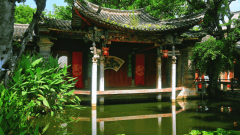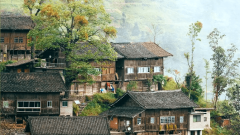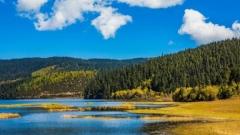

Many first-time visitors to Yunnan ask the same question: “Which city has the best climate?” The answer, however, depends entirely on personal preference. Yunnan’s geography ranges from tropical valleys to high-altitude plateaus above 3,000 meters, creating dramatic climate differences across regions. Kunming is known for its stable spring-like weather, Dali offers abundant sunshine and strong winds, Lijiang features significant day–night temperature swings, Xishuangbanna remains warm year-round, Shangri-La provides cool highland air, and Tengchong is mild and humid. Rather than searching for the “best” climate, it is more practical to understand each region’s characteristics and choose according to your comfort level and travel season.
Kunming, Yunnan: The Epitome of Spring All Year Round, With the Most Stable Climate Throughout the Year
Kunming is located in central Yunnan, with an altitude of about 1,890 meters, and belongs to the subtropical plateau monsoon climate. According to meteorological data, the annual average temperature in the main urban area of Kunming is 15.9℃, and the average temperature in June, the hottest month, is 20.7℃, with the daily maximum temperature rarely exceeding 30℃. The annual temperature difference in Kunming is extremely small, with an annual average temperature of about 15℃, an average temperature of 20℃~23℃ in the hottest month and 7℃~11℃ in the coldest month, and the annual temperature range is only 10℃~12℃. In Kunming, you can hardly feel the extreme heat and severe cold, and spring and autumn together last as long as 9~10 months.
Climate Advantages of Kunming
The climate of Kunming can be summarized by the word “stable”. When the afternoon temperature rises to about 26℃ in summer, a shower can bring the temperature down to about 20℃ in the evening, and the minimum night temperature may even drop to 17℃. In winter, the sunshine is warm during the day, reaching 15~20℃, and you need to put on an extra coat in the morning and evening. Meteorological experts explain that Kunming can become a “natural air conditioner” mainly due to three factors: the low-latitude plateau, summer precipitation and the regulation of Dianchi Lake. The altitude of 1,890 meters makes the temperature lower than that of many low-altitude cities; the afternoon showers in the flood season from June to August can directly lower the temperature; large water bodies such as Dianchi Lake play a regulatory role and alleviate temperature fluctuations.
Kunming has more than 2,200 hours of sunshine a year, with abundant but not overly hot sunshine. The annual average relative humidity is about 73%, which is neither dry nor humid.
Who Kunming Is Suitable For
If you are afraid of both cold and heat and want a stable living environment without air conditioners and heating all year round, Kunming is the first choice. It has convenient living conditions and complete urban supporting facilities, and is the representative of the city with the “best climate” in many people’s minds. If you want to find a place to live for the elderly for a long time or travel with your family, Kunming is the most worry-free choice. It should be noted that the air in Kunming is relatively dry in the dry season (from November to April of the next year), and people with easily chapped skin need to replenish more water; the ultraviolet rays are strong, so you need to do a good job in sun protection when going out.

Red-billed Gulls by Dianchi Lake in Kunming
Dali, Yunnan: An Ideal Choice With Abundant Sunshine, Strong Winds and Beautiful Scenery
Dali Ancient City is about 2,000 meters above sea level, close to Erhai Lake, with a plateau monsoon climate and no obvious severe cold or extreme heat. The climate is regulated by water bodies and is milder. The annual average temperature is about 15℃, similar to that of Kunming, but the wind power is significantly stronger – especially in the Xiaguan area, strong winds often blow in winter and spring, so it has the title of “the Windy City”.
Climate Characteristics of Dali
What attracts people most to Dali is the sunshine. The sunshine hours here are even longer than those in Kunming, the sky is clear, and blue sky and white clouds are the norm. It is very warm during the day in winter, reaching 18~20℃. Sitting by Erhai Lake, drinking coffee and basking in the sun is a life scene that many people yearn for. It is cool in summer, with the maximum temperature rarely exceeding 28℃. According to meteorological data, the average temperature in Dali in summer (June-August) is 19.4~20.0℃, with a warm and humid climate and occasional showers.
The disadvantages of Dali are also obvious: first, the strong wind, the wind in Xiaguan in winter and spring can blow people unsteady, and the sensible temperature is much lower than the actual temperature; second, the distinct dry and wet seasons, the rainfall in the dry season of the winter half year (from November to April of the next year) only accounts for 5~15% of the whole year, which is very dry.
Who Dali Is Suitable For
If you like sunshine, are not afraid of wind and love natural scenery, the climate of Dali will make you feel comfortable. The literary atmosphere and slow life rhythm here are especially suitable for people who want to relax. Riding an electric bike around Erhai Lake, wandering in the ancient city, and picking mushrooms on the mountain, life in Dali is very pleasant. But if you have respiratory diseases or extremely dry skin, you need to pay attention to moisturizing in the dry season of Dali.
Lijiang, Yunnan: A High-Altitude Experience With Large Day-Night Temperature Difference and Intense Sunshine
Lijiang Ancient City is about 2,400 meters above sea level, higher than Kunming and Dali, and its climate has more plateau characteristics. The annual average temperature is 12℃~13℃, the average temperature in the coldest month is about 6℃, and that in the hottest month is about 18℃.
The True Climate of Lijiang
In Lijiang, the most obvious feeling is: it is warm and even a little hot under the sun during the day, but the temperature drops rapidly once in the shade or after the sun sets. The day-night temperature difference is extremely large, and you may experience four seasons in a single day – wearing single clothes at noon and down jackets at night. According to tourism data, the average temperature in Lijiang in spring (March-May) is 13.6~17.4℃ with a mild climate; the average temperature in summer (June-August) is 19.1~19.7℃ with abundant rainfall.
Ultraviolet rays are another issue that needs attention. For every 1,000 meters increase in altitude, the intensity of ultraviolet rays increases by about 10%. The ultraviolet rays in Lijiang are stronger than those in Kunming and Dali, and you can get sunburned in half a day if you don’t pay attention to sun protection. The annual precipitation in Lijiang is about 853 millimeters, the rainy season is concentrated in June-August, and the summer humidity is 65-75%.
Who Lijiang Is Suitable For
If you can adapt to the large temperature difference and like sunshine and snow-capped mountain scenery, Lijiang will be very suitable for you. It is cool and pleasant here in summer, a good summer resort; it is warm during the day in winter, suitable for basking in the sun and drinking tea. However, it should be noted that the nights are very cold in winter, and heating facilities are required for accommodation. The ultraviolet rays in Lijiang are extremely strong, and physical sun protection (hats, sunglasses, sun-protective clothing) is more effective than sunscreen. It is suitable for tourists who like photography, hiking and Naxi culture, as well as people with a strong ability to adapt to temperature differences.
Xishuangbanna, Yunnan: A Tropical Rainforest With a Long Summer Without Winter, the First Choice for Winter Escapism
Jinghong City in Xishuangbanna is only about 550 meters above sea level, the only tropical area in Yunnan, and belongs to the tropical monsoon climate. According to official data, the annual average temperature is 22.2℃, the average temperature in winter is 18.2℃, the average humidity is 75.6%, and it is warm and humid all year round.
Climate Characteristics of Xishuangbanna
There are no four seasons here, only dry and wet seasons. It is warm and pleasant in winter, an excellent winter resort, you can wear short sleeves during the day, and it is a little cool at night but no thick coat is needed. Although the temperature is not extremely high in summer, the high humidity makes the sensible temperature high and there will be a muggy feeling. The forest coverage rate of Xishuangbanna is as high as 74.05%, ranking first in the province. The urban air quality excellent rate is 99.5%, with abundant negative oxygen ions, and it is the area with the most complete preservation of tropical ecosystems in China.
In 2024, Xishuangbanna attracted more than 70 million tourists and more than 680,000 long-stay visitors. Many “first-time visitors” have become “repeat visitors”, then “long-stay visitors”, and finally “new citizens” who return to Xishuangbanna every year. It has been recommended as a “great place for winter health and wellness across the country this winter” by the China Meteorological Administration and the Ministry of Culture and Tourism.
Who Xishuangbanna Is Suitable For
If you are afraid of cold and want to find a warm place in winter, Xishuangbanna is the best choice in Yunnan. The tropical customs, Dai culture and rich fruit and food here can bring you a completely different life experience. Living here for a few months in winter is a great enjoyment. But if you are afraid of heat and humidity, Xishuangbanna in summer may make you uncomfortable. It is suitable for the elderly who are afraid of cold, migratory groups for winter, and tourists who like tropical rainforests and ethnic cultures.
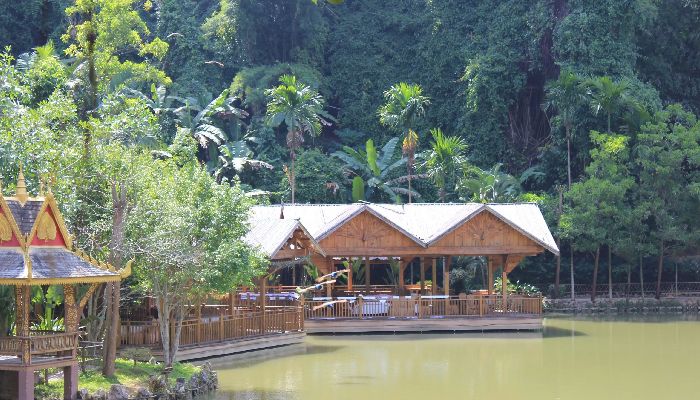
Tropical Rainforest in Xishuangbanna
Shangri-La, Yunnan: A Pure Land of Plateau Coolness, Snow-Capped Mountains and Meadows
Shangri-La (formerly known as Zhongdian) is about 3,300 meters above sea level and belongs to the plateau climate. The annual average temperature is only about 5.5℃, with a long and cold winter, and the average temperature in the coldest month is about -3℃.
Climate Characteristics of Shangri-La
There is no obvious summer here, and spring and autumn are short. In July, yellow small flowers bloom on the meadows in Pudacuo National Park, and the temperature is only about 15℃, cool and pleasant. But altitude sickness is a problem that needs to be faced, and you may be out of breath even if you walk a little faster. The climate of Shangri-La has three prominent characteristics: monsoon climate (distinct dry and wet seasons), three-dimensional climate (“four seasons on one mountain”), and plateau climate (no summer all year round, large daily temperature range). The daily temperature range in the dry season can reach 30℃, which can be described as “no four seasons in a year, four seasons in a day”.
Shangri-La is very cold in winter, often covered with snow, and is not suitable for people who are afraid of cold. According to local meteorological data, the average outdoor temperature in winter is about -3.8℃, and the average indoor temperature is only 1.9℃ without heating equipment.
Who Shangri-La Is Suitable For
If you like plateau scenery and want to experience Tibetan culture, you can stay in Shangri-La for a short time in summer or autumn. The pure air and magnificent scenery here will make nature lovers linger. But for long-term living, you need to adapt to the plateau environment and cold climate. It is suitable for summer resort tourists, photography lovers and Tibetan culture lovers. It is not recommended to go in winter, nor is it recommended for people with cardiovascular and cerebrovascular diseases to live for a long time.
Tengchong, Yunnan: A Warm and Humid Hot Spring Health and Wellness Destination With Mild Four Seasons
Tengchong is located in western Yunnan, with an altitude of about 1,600 meters. Its climate is affected by the warm and humid air current from the Indian Ocean, making it more humid than central Yunnan. According to the official release, the annual average temperature of Tengchong is stably 15℃, the annual average relative humidity is 78%, and the forest coverage rate is 77%.
Climate Characteristics of Tengchong
The most prominent feature of Tengchong is its humidity. It has mild four seasons, more precipitation and dense vegetation, and is known as “the Yunnan city most similar to the Jiangnan region”. Tengchong is not cold in winter and not hot in summer, suitable for living all year round. It is suitable for both winter escapism and summer resort, a real place like spring all year round. The content of negative oxygen ions in the air can reach up to 15,000 per cubic centimeter, and the urban air quality excellent rate remains above 99%.
Hot springs are another highlight of Tengchong, with a large number of hot springs and rich types. From the perspective of health and wellness, Tengchong has built a number of living projects such as Agile Yunnan Original Hometown, Mayu Valley Hot Spring Town and Dongshan Health and Wellness Resort, as well as more than 500 characteristic homestays of different grades. The disadvantage is that the rainy season is long, there are more cloudy and rainy days, and the sunshine hours are not as many as those in Dali and Kunming.
Who Tengchong Is Suitable For
If you like humid air, are sensitive to dryness, or have health and wellness needs, Tengchong will be very suitable for you. Soaking in hot springs, visiting ancient towns and seeing volcanoes, the life rhythm here is very slow, suitable for relaxing. Especially for people with respiratory sensitivity, the humid air in Tengchong will be more comfortable than that in Lijiang and Dali. It is suitable for health and wellness living groups, hot spring lovers and people who like pastoral scenery.
Choosing Yunnan by Season: Where Has the Most Comfortable Climate in Different Times?
Spring (March-May)
Most areas in Yunnan are warm with blooming flowers and rising temperatures. Kunming, Dali and Lijiang are warm during the day and a little cool in the morning and evening, a good time for flower viewing. The rape flowers in Luoping and the jacarandas in Kunming are the must-see beauties in spring. Xishuangbanna has entered the hot season at this time, and the temperature is relatively high but still acceptable. The most comfortable places in spring are Kunming and Dali.
Summer (June-August)
This is the rainy season in Yunnan, but also the peak summer resort season. Kunming, Dali, Lijiang and Tengchong are cool in summer, with temperatures around 20℃ during the day, and you need to cover with a thin quilt at night. Air conditioners are not needed in most areas of the province, which are natural “air-conditioned rooms”. Xishuangbanna is hot and humid at this time, not suitable for people who are afraid of heat. Shangri-La is cool in summer with blooming wild flowers on the grasslands, the golden period for tourism. The places with the most comfortable climate in summer are Kunming, Dali, Lijiang and Shangri-La.
Autumn (September-November)
Autumn in Yunnan is clear and cloudless with moderate temperatures, the most colorful season of the year. Kunming, Dali and Lijiang are clear and crisp in autumn with mild sunshine; the Ginkgo Village in Tengchong turns golden; the autumn scenery in Shangri-La is extremely beautiful. The climate of almost the whole Yunnan is pleasant in autumn, the golden season for travel.
Winter (December-February)
Yunnan is dry and sunny in winter, but there are great differences in different places. Xishuangbanna is the best winter resort with temperatures around 25℃ during the day. Kunming, Dali and Tengchong are warm during the day in winter (15℃~20℃), but cold in the morning and evening (about 5℃), so you need to wear a coat. Lijiang and Shangri-La are cold in winter, especially at night, it sometimes snows in Lijiang and may snow in Shangri-La. Undoubtedly, the most comfortable place in winter is Xishuangbanna.
How to Choose the Most Suitable Climate Place in Yunnan for You?
Figure out the following four questions, and you will get the answer:
What do you care about the most?
Are you afraid of cold or heat? Choose Xishuangbanna if you are afraid of cold (the average winter temperature is 18.2℃); choose Kunming, Dali and Lijiang if you are afraid of heat (the average summer temperature is about 20℃). Do you like dry or humid? Choose Dali and Lijiang if you like dry (low humidity in the dry season); choose Xishuangbanna and Tengchong if you like humid (humidity above 75%). Can you stand strong winds? Avoid Dali if you can’t. Can you stand a large temperature difference? Choose Kunming (the annual range is only 10-12℃) and avoid Lijiang if you can’t.
The altitude factor should be considered.
Places with an altitude of more than 3,000 meters (such as Shangri-La) may cause altitude sickness. It is recommended to adapt for a day or two in Kunming and Dali first before going up. If you have cardiovascular and cerebrovascular diseases, it is recommended to choose places with lower altitudes, such as Kunming (1,890 meters), Xishuangbanna (550 meters) and Tengchong (1,600 meters).
The length of living affects the choice.
Choose the place you yearn for the most for a short stay of a few days. If you stay for a month, you need to consider whether the climate of the season is comfortable, and don’t choose Lijiang in winter. Kunming is the most reliable choice for a long stay of more than half a year with a stable climate and convenient living all year round. Xishuangbanna is the first choice for a few months of winter escapism, followed by Tengchong.
Physical condition determines the destination.
People with respiratory sensitivity choose humid Tengchong and Xishuangbanna, and avoid dry Lijiang. People with cardiovascular and cerebrovascular diseases choose low-altitude Xishuangbanna and Tengchong, and avoid high-altitude Shangri-La. People with dry and easily allergic skin choose humid Xishuangbanna and Tengchong. People with bad joints who are afraid of humidity choose dry Lijiang and Dali. If you are in good health without special problems, you can choose according to your preference.
Practical Guide to Avoid Pitfalls When Choosing a Climate Place in Yunnan
Don’t be misled by “spring all year round”.
Many people think that the whole Yunnan province is like spring all year round just like Kunming, which is the biggest misunderstanding. Xishuangbanna is muggy in summer, Shangri-La is extremely cold in winter, and Lijiang has an extremely large day-night temperature difference. You must check the real climate of the destination in the current season before coming and bring the right clothes.
Ultraviolet rays are an invisible killer.
The ultraviolet rays are strong all over Yunnan, especially in high-altitude areas such as Lijiang and Shangri-La. No matter which place you choose, sun protection is a compulsory course. Physical sun protection (hats, sunglasses, sun-protective clothing) is more effective than sunscreen.
Dry and wet seasons affect the experience.
November to April of the next year is the dry season, and central and western Yunnan are very dry. Chapped lips and chapped skin are common, so you need to bring enough moisturizing skin care products. May to October is the rainy season with frequent showers, but it usually stops after a while and does not affect travel, just bring an umbrella.
Try to live first before long-term rental.
If you want to live for a long time, it is recommended to rent a short-term apartment or homestay in the candidate place for a month first, and make a decision after experiencing it personally. Many cities in Yunnan have monthly rental apartments and homestays, which are more reliable than buying a house or renting for a long time directly. Especially in Dali and Lijiang, many people find that they cannot adapt to the strong wind or large temperature difference after arriving.
Let professionals help you plan.
If you are not familiar with Yunnan and want to inspect the climate through travel first, you can ask a local travel agency with rich experience to help plan the itinerary. China Dragon Travel can recommend the most suitable routes and seasons according to your needs, allowing you to experience the climate characteristics of different places in Yunnan in the shortest time and find the most suitable foothold for you.
Which Place Has the Best Climate in Yunnan Depends on Season and Personal Comfort
When asking which place has the best climate in Yunnan, the answer largely depends on personal comfort and travel timing. Due to significant altitude differences, climate conditions vary widely across the province, making it impossible to define a single best destination.
For overall year-round stability, Kunming offers the most consistent temperatures. For sunshine and lake scenery, Dali provides dry weather with stronger winds. For summer escape, Lijiang is a popular option. If you prefer warmer winters, Xishuangbanna is ideal. For cool alpine air, Shangri-La stands out, while those seeking a mild and humid wellness environment may consider Tengchong.
Rather than searching for the best climate, clarify whether you are sensitive to heat or cold, how well you adapt to altitude, and which season you plan to visit. With these factors defined, the most suitable destination becomes clear.