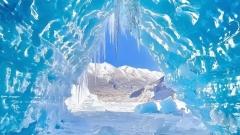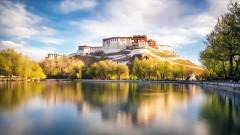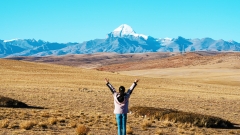

When is the best time to trek in Tibet? This is one of the most frequently asked questions by adventure travelers planning a journey to the Roof of the World. Renowned for its towering snow-capped peaks, sacred lakes, and vast highland wilderness, Tibet stands as one of the world’s ultimate trekking destinations. However, its extreme altitude and rapidly changing climate make seasonal planning essential. Choosing the right time ensures breathtaking scenery and a safer experience, while poor timing can lead to harsh weather and logistical challenges.
Climate Overview of the Tibet Trekking Season
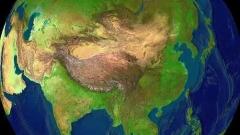
Located in the heart of the Qinghai-Tibet Plateau, Tibet has an average altitude exceeding 4,000 meters, with oxygen levels only 60% to 70% of those at sea level. Intense sunlight, extremely high UV radiation, dry air, and large temperature differences between day and night are its defining characteristics.
- Spring: Temperatures gradually rise in spring, but high-altitude areas remain cold. Some trail sections may still have snow in April, but conditions stabilize by May, making trekking conditions improve. Visitor numbers are lower, making it a good time to avoid crowds.
- Summer: Summer is the rainy season in Tibet. Oxygen levels are at their highest of the year, and the risk of altitude sickness is relatively lower. When trekking, be aware of frequent afternoon showers, and some sections may experience mudslides or landslides due to rainfall.
- Autumn: Autumn is the golden season for trekking in Tibet. The weather is stable with clear, cloudless skies. The climate is dry and comfortable, offering the best trekking experience.
- Winter: Winters in Tibet are extremely cold, with deep snow at high altitudes. Some routes are impassable due to winter closures. Visitor numbers are very low, making it suitable for seasoned trekkers seeking solitude.。
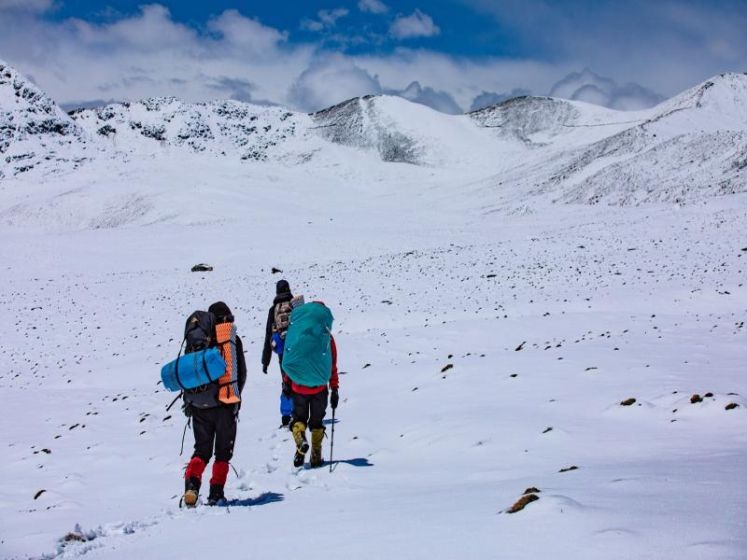
Tibet Trekking
Recommended Trekking Seasons for Various Altitudes in Tibet
Low-Altitude Areas
Low-altitude areas are mainly concentrated in eastern Nyingchi and the Zayu River valley. These areas have lower altitudes, a mild climate, and offer a better trekking experience.
- Areas: Eastern Nyingchi, Zayu, Southern Medog.
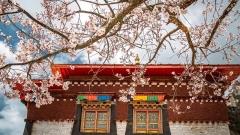
- Trekking Season: The best seasons are March to May and September to November. Late March to mid-April is the peach blossom season in Nyingchi, the most charming time of year for trekking. From September to November, trekkers can enjoy the beautiful autumn scenery of Tibet.
- Climates: Winters are not severely cold, and summers are not scorching hot. Annual precipitation is relatively high, and the air is humid. Compared to other parts of Tibet, oxygen levels are higher here, and the risk of altitude sickness is lowest, making it an ideal first stop after entering Tibet.
The rainy season in summer brings frequent rain, and some sections may experience mudslides; winters are mild, but some high-altitude passes may still have snow.
Mid-Altitude Areas
Mid-altitude areas cover most towns and surrounding trekking routes in Tibet and are ideal for those trying high-altitude trekking for the first time. In these areas, Tibet’s population is relatively concentrated, and infrastructure is most developed, providing convenience for your trekking journey.
- Areas: Around Lhasa, around Shigatse, Western Nyingchi, parts of Shannan.
- Trekking Season: The best trekking seasons are May to June and September to October. From May to June, temperatures gradually rise, rainfall is lower, and trail conditions are stable. From September to October, the rainy season ends, the weather is sunny, and visibility is excellent.
- Climates: Mid-altitude areas have significant temperature differences between day and night. Days are sunny with temperatures reaching 15-25°C, while nights drop to 0-5°C. Summers are warm and humid, winters cold and dry. Due to the intense UV radiation, sun protection measures are necessary while trekking. Compared to low-altitude areas, oxygen levels here are about 70-80% of those at sea level.
Those new to mid-altitude areas are advised to spend two days acclimatizing in Lhasa first, ensuring no significant altitude sickness symptoms before arranging trekking itineraries.
High-Altitude Areas
High-altitude areas are home to most classic trekking routes. Oxygen levels here are only about 60% of those at sea level, placing higher demands on trekkers’ physical fitness, altitude acclimatization ability, and mental resilience.
- Areas: Ngari Prefecture, Nagqu Prefecture, Western Shigatse, Southern Shannan.
- Trekking Season: The best seasons are late May to early June and mid-September to mid-October. From late May to early June, winter snow begins to melt, the climate warms, making it suitable for outdoor trekking. From mid-September to mid-October, the rainy season ends, and the weather is most stable, representing the golden window for trekking.
- Climates: High-altitude areas have thin air, with oxygen levels only about 60% of sea level. Breathing feels noticeably more labored while trekking, and energy expenditure is about 1.5 to 2 times that at sea level. Furthermore, temperature differences between day and night are extreme; daytime temperatures under the sun can reach 10-15°C, while nights plummet to -5°C to -15°C. Comprehensive sun protection is essential due to the extremely intense UV radiation.
Medical resources are very limited in high-altitude areas, with the nearest hospital potentially hours away. It is recommended to carry emergency medications such as altitude sickness pills, portable oxygen canisters, stomach remedies, painkillers, etc.
Extremely High-Altitude Areas
These areas mainly involve crossing passes and sections of certain high-altitude trekking routes and are suitable only for trekkers with extensive high-altitude experience.
- Areas: Drolma La pass on the Mount Kailash kora, sections of the East Everest (Kangshung Face) trek, parts of glacier trekking routes.
- Trekking Season: Late May to early June, mid-September to mid-October. These two periods are the only windows for trekking at extremely high altitudes. From late May to early June, winter snow begins to melt, but temperatures remain below freezing. The advantage is relatively stable weather, weaker winds compared to winter, and fewer tourists. From mid-September to mid-October, the rainy season ends, and visibility is excellent. Snow has melted, and trail conditions are clearer.
- Climates: Oxygen levels in extremely high-altitude areas are less than 50% of those at sea level. Walking at this altitude causes shortness of breath even when standing still. Winds are strong, often reaching levels 7 to 9 on the Beaufort scale at passes, making the perceived temperature feel 10-15°C lower than the actual temperature.
These routes demand extremely high levels of physical fitness and mental fortitude. It is recommended to go in a group and hire a local guide familiar with the route. Winter snow is deep, and travel is not recommended.
Recommended Tibet Trekking Seasons
Spring
Spring is suitable for trekkers who prefer solitude and don’t mind the cold, as there are fewer tourists, allowing for a more private trekking experience.
- Weather Conditions: Winter snow is gradually melting, but some high passes still have snow. Spring is windy, making the perceived temperature colder.
- Trekking Experience: Trekking on snow requires more energy, requiring a slower pace. The use of trekking poles and gaiters is recommended. The scarcity of tourists makes the trail quieter, allowing for greater focus on the natural environment.
- Temperatures: Daytime temperatures range from 0-10°C, nighttime from -10°C to -5°C, feeling cold.
Some high passes still have snow; it’s recommended to carry crampons and gaiters. Strong winds necessitate good windproof and warm clothing, and caution is needed on slippery surfaces.
Summer
Summer is suitable for trekkers concerned about altitude sickness who want to minimize physical risk, as oxygen levels are highest during this period.
- Weather Conditions: The rainy season brings frequent afternoon showers, muddy trails, and visibility often impacted by clouds and fog.
- Trekking Experience: Higher oxygen levels make breathing relatively easier, reducing the risk of altitude sickness. Frequent afternoon showers mean starting early in the morning to avoid the rainy period is recommended. The grasslands are damp and soft, offering comfortable walking.
- Temperatures: Daytime temperatures range from 10-20°C, nighttime from 0-5°C, making it the warmest period of the year.
Allow ample buffer time to deal with weather changes and bring waterproof gear (raincoat, waterproof hiking boots). Although the risk of altitude sickness is lower, it shouldn’t be underestimated; remember to stay hydrated while trekking.
Autumn
Autumn is the golden window for trekking in Tibet, ideal for trekkers focused on photography and scenery.
- Weather Conditions: The rainy season has ended, skies are clear with few clouds, and atmospheric clarity is at its peak for the year, offering excellent visibility of snow-capped mountains, sacred lakes, and glaciers.
- Trekking Experience: The climate is dry and comfortable. Days feel cool, allowing for less sweating and lower energy expenditure. Long daylight hours allow for covering longer distances.
- Temperatures: Daytime temperatures range from 5-15°C, nighttime from -5°C to -10°C. The large diurnal temperature variation necessitates additional warmth in the mornings and evenings.
This is peak trekking season; accommodation and supply points on popular routes may be crowded, so advance booking is recommended. Prepare windproof jackets for trekking, as winds can be strong at passes.
Winter
Winter is suitable for well-equipped, experienced trekkers seeking ultimate solitude and challenge, as tourist numbers are extremely low.
- Weather Conditions: Extremely cold, most high-altitude routes are impassable due to snow closure, suitable only for low-altitude areas or specific routes.
- Trekking Experience: Trekking on snow is extremely challenging, requiring 2-3 times the energy expenditure of walking on flat ground, with a greatly reduced pace. Night trekking is nearly impossible due to short daylight hours, requiring precise daily itinerary planning.
- Temperatures: Daytime temperatures range from -10°C to 0°C, nighttime potentially dropping to -20°C to -30°C.。
You must carry professional gear like polar-grade down jackets, windproof face masks, and highly warm sleeping bags. Hiring a local guide is strongly recommended. Only experienced trekkers with adequate gear should attempt this; do not go rashly. Carry hot water and high-calorie food to prevent hypothermia.
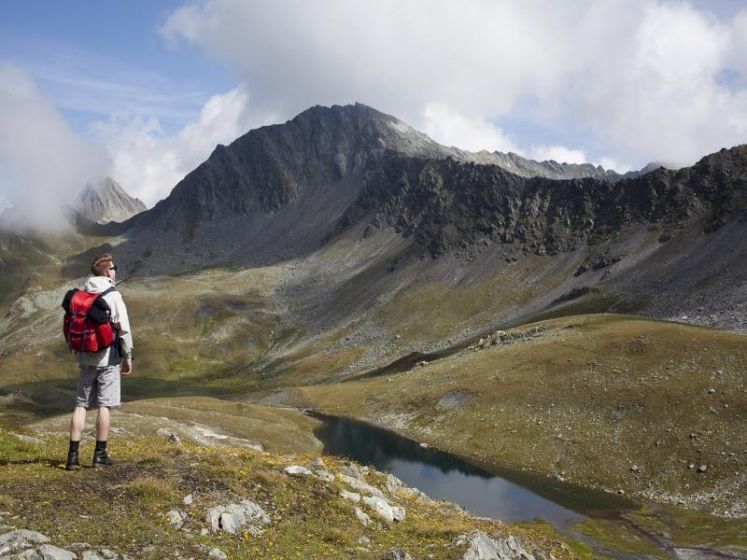
Tibet Trekking
Precautions for Tibet Trekking
- Pacing Yourself: Energy is consumed faster at high altitudes. It’s recommended to rest for 5-10 minutes every 30-40 minutes. When resting, don’t sit down immediately; stand and regulate your breathing first, waiting until it steadies before sitting.
- Hydration Strategy: The plateau air is dry. Force yourself to drink water every 20-30 minutes, about 100-150ml each time, aiming for a total daily water intake of 2-3 litres.
- Nutritional Supplements: Vitamins C and B complex are depleted faster during high-altitude treks. It’s recommended to carry multivitamin tablets and take one daily. If symptoms of altitude sickness like loss of appetite or nausea appear, you should stop trekking immediately.
- Communication Facilities: Most trekking routes in Tibet have no mobile phone signal. It is recommended to carry at least one satellite phone for emergency communication and weather inquiries. You can rent one at outdoor gear shops in Lhasa for about 50-100 RMB per day, requiring advance reservation.
When Is the Best Time to Embark on a Trekking Journey in Tibet?
In general, the best months for trekking in Tibet are from May to June and September to October. These periods offer stable weather, clear skies, and optimal visibility of snow-capped mountains, sacred lakes, and dramatic Himalayan landscapes. Spring provides tranquility and fewer crowds, summer offers higher oxygen levels, autumn delivers the clearest views, and winter presents a rewarding challenge for experienced trekkers seeking solitude.
For a seamless and well-organized journey, international travelers are advised to work with a licensed travel agency to secure the necessary Tibet Travel Permit and logistical support. With extensive expertise in high-altitude expeditions, China Dragon Travel offers professional guidance, customized trekking itineraries, and reliable services to ensure a safe and unforgettable trekking experience in Tibet.