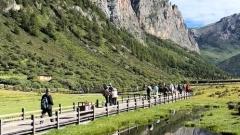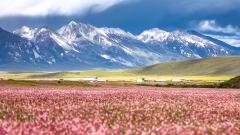

Ganzi is one of China’s most magnetic travel secrets. A vast Tibetan autonomous prefecture tucked into the western arm of Sichuan province, Ganzi stretches from rugged river valleys up to high, sacred peaks and emerald plateau lakes. For travellers who crave dramatic scenery, authentic Kham Tibetan culture, and fewer crowds than the mainstream trails, Ganzi is a long, slow invitation: breathe the high air, drink butter tea, listen to local songs, and follow winding roads where every turn reveals another palette of mountains, grasslands, and monasteries.
Why Ganzi Matters: Geography, People, and Cultural Threads
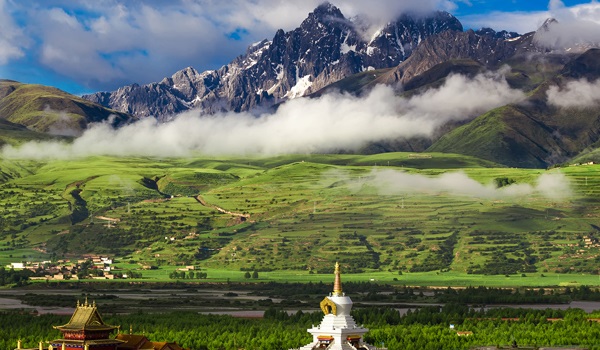
Ganzi sits where the Hengduan mountain ranges—those serrated ridgelines that step up from the Sichuan Basin – meet the eastern edge of the Tibetan Plateau. Its prefectural seat is Kangding (historically Dartsedo), a frontier town that for centuries served as the commercial and cultural crossroad between Han Chinese and Kham Tibet. The prefecture covers a very large territory and is home to a population in which Tibetans make up the majority—this is living Tibetan culture at scale, not a museum exhibit.
This geography is what creates Ganzi’s charm: wild altitudinal variety, from river gorges and dense forests to alpine meadow and towering snow peaks. The result is extraordinary biodiversity plus a visual drama that changes with every hour of light. For photographers, hikers and culture seekers, Ganzi feels like a long, curated film reel of the highlands.
Ganzi
What To See in Ganzi: The Five Icons You Can’t Miss
Ganzi is big and rich with attractions. Below are the flagship places that most travellers dream about first—each stands for a different face of the region.
Mount Gongga – The King of Sichuan Mountains
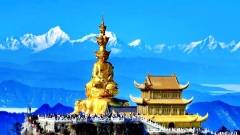
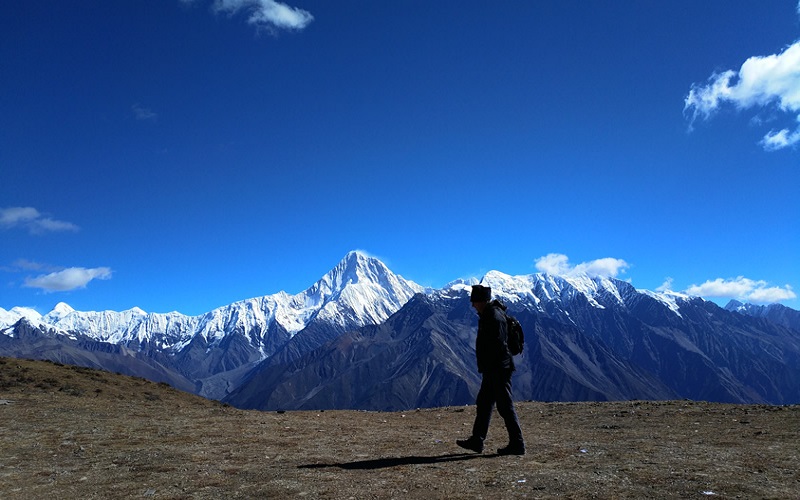
Mount Gongga is the highest peak in Sichuan and a commanding presence on the western skyline. Its glaciers, precipitous faces and surrounding valleys have shaped local spiritual life and adventurous legend. Climbers, photographers and mountain lovers regard it as one of the great mountain spectacles of China.
Mount Gongga
Daocheng Yading – Alpine Sanctuaries and Turquoise Lakes
Daocheng Yading often appears in lists of China’s most pristine nature reserves. Its three sacred peaks, turquoise lakes and prayer-flag-dotted ridgelines create some of the most memorable alpine scenery in the entire Hengduan region. Many travellers describe Yading as “otherworldly”: quiet, sharply coloured and immaculately peaceful.
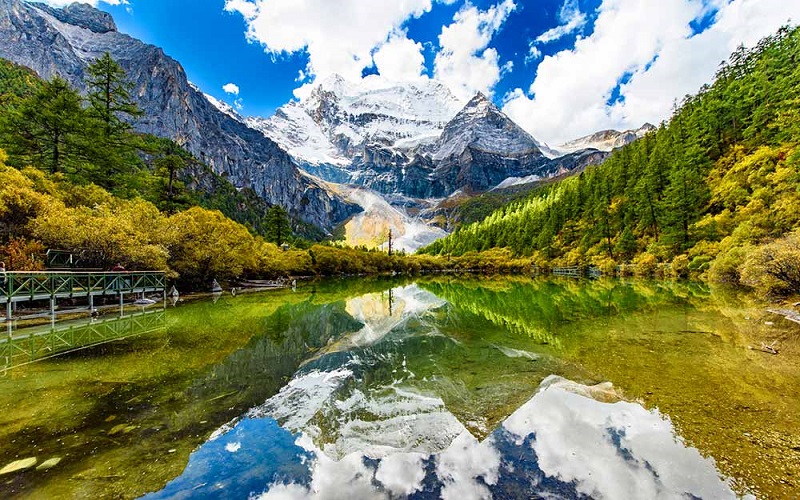
Daocheng Yading
Hailuogou – Ice, Forest and Warm Baths
On the eastern slopes of Gongga, Hailuogou Glacier Park offers a dramatic mix: towering glacier tongues, ancient forests, rumbling waterfalls and even accessible hot springs to warm chilled limbs after a day of sightseeing. It’s a rare place where ice and forest meet in such an intimate way.
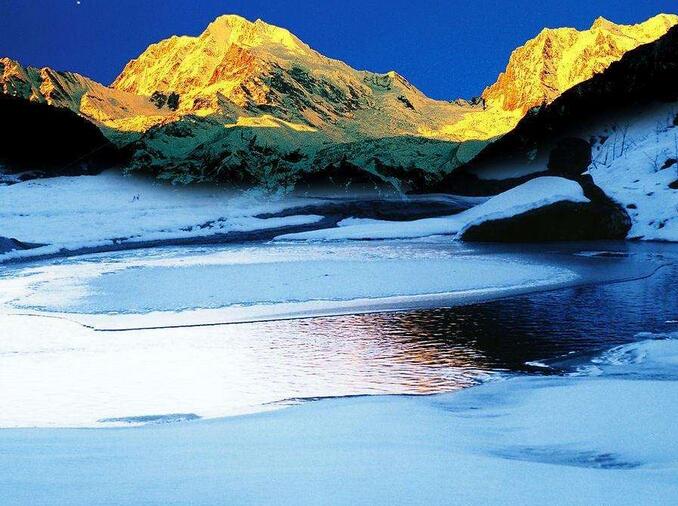
Hailuogou
Danba Tibetan Villages and Watchtowers – Human Landscape as Architecture
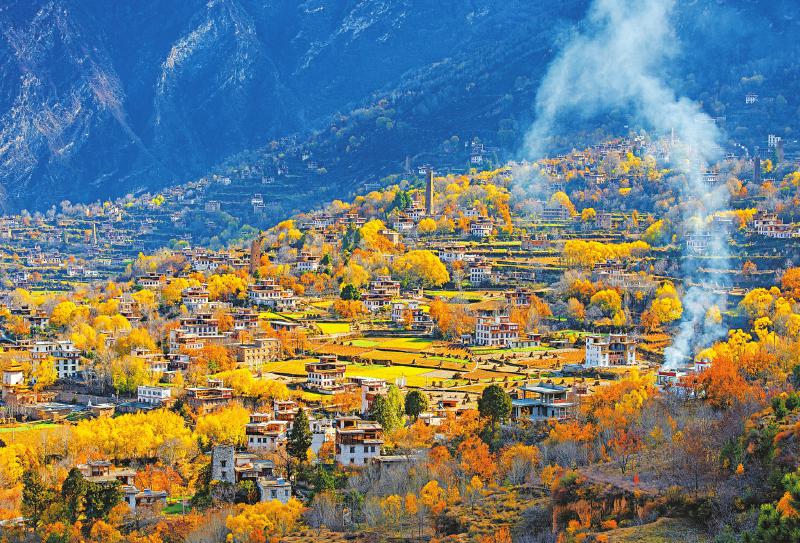
Danba’s terraced valleys are punctuated with ancient watchtowers and stone-built Tibetan villages such as Jiaju, Suopo and Zhonglu. These villages feel like living postcards: stacked white houses, wooden towers, prayer flags and narrow lanes. Danba’s architecture and village layouts tell centuries of settlement, defense and culture.
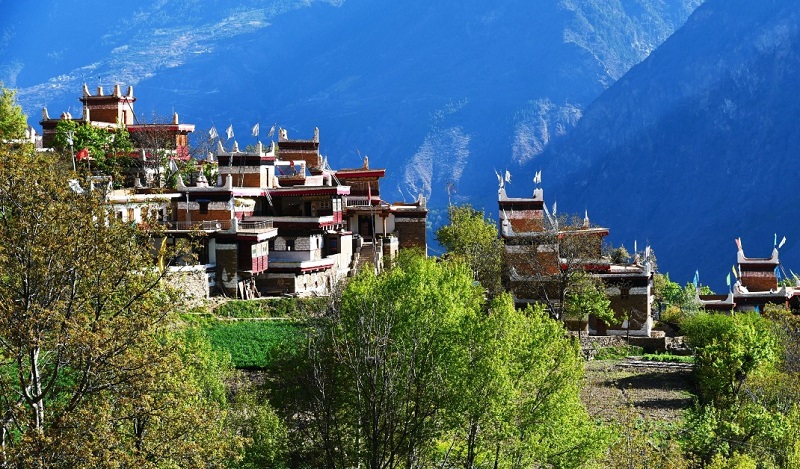
Jiaju Village
Maoya Grassland and Kham Plateaus – Wide Skies, Herding Life
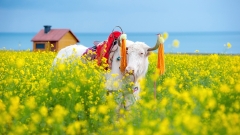
Cross the high roads-such as National Highway 318—and you meet the sweeping Maoya Grassland and other high pastures where nomadic and semi-nomadic herding traditions remain strong. Wide horizons, seasonal migrations, and yak caravans keep the rhythm of daily life here tied to the land.
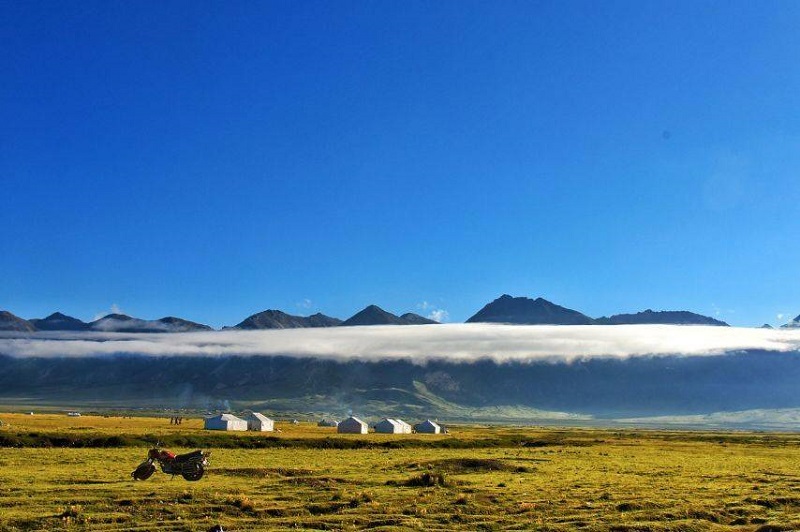
Maoya Grassland
Ganzi Culture: Tea, Costume, Song and Ceremony
The everyday rituals of Ganzi give the region its warm human pulse. Tea—with many local variations like butter tea, yak-oil tea, marrow tea or qingke (highland barley) tea-is central to hospitality and social life. Drinking is often accompanied by toasts, singing and storytelling; the ritual of “sipping” (slow, social) is as important as what’s in the cup.
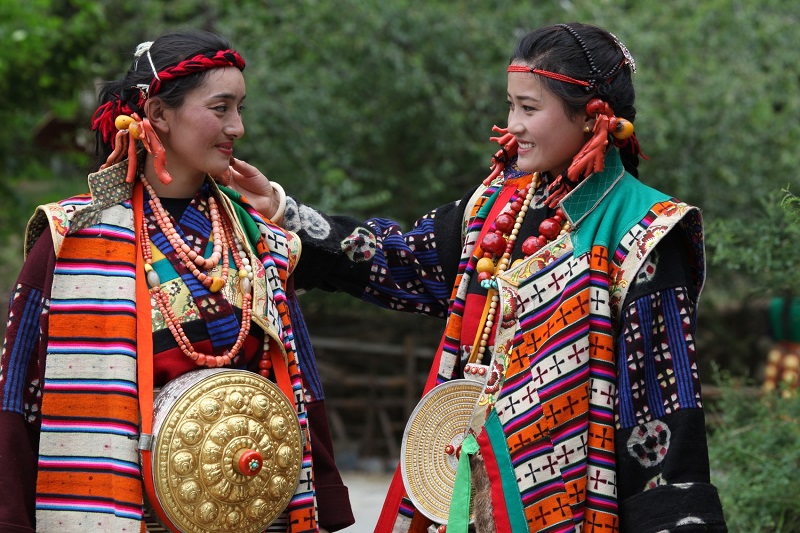
Traditional Kham clothing – locally called Kangzhuang-features bold layers and heavy ornamentation. In festival or celebration, women may wear elaborate gold, silver and jewel headpieces; these are visible symbols of local wealth, identity and status on the pasturelands. Rituals in monasteries, village gatherings and market days are the best places to witness living Tibetan culture in Ganzi. (For travellers: always ask before photographing people and bring small gifts or sincere thanks for hospitality.)
The Song That Traveled China: Kangding Love Song
Few cultural exports from Ganzi are as instantly recognizable as the Kangding Love Song. Born from local Liuliu tunes, adapted through the 20th century and sung across China, the song captures the simple, brave tenderness of a mountain town romance. Its melody became widely popular and is often cited in surveys of influential Chinese folk songs—offering travellers a melodic thread that ties modern visitors back to local memory and identity. Hearing the song locally—played in a teahouse, piped at festivals or hummed by a shepherd—is one of those travel moments that connects sound and place.
Ganzi Practical Travel Tips
Best Time To Visit: The best seasons vary by area: lower valleys and Danba are enjoyable in late spring through autumn; high alpine spots such as Yading and Maoya Grassland shine in late summer and early autumn when skies are clear and pastures lush. Glacier viewing at Hailuogou can be spectacular in colder months too, though roads may be more challenging.
Altitude & Health: Much of Ganzi sits at significant altitude. Take acclimatisation seriously: drink water, avoid heavy exertion on arrival, and consider spending a rest day in a lower town like Kangding if you plan to push higher. If you have heart or respiratory conditions, consult a doctor before travelling.
Getting Around: Distances are large and travel often involves winding mountain roads. Road travel via the Sichuan–Tibet highways is spectacular but slower than maps suggest—factor in extra time for photo stops, local detours and road conditions. Some areas have seasonal road closures; plan flexible itineraries and prioritize a comfortable driver or local guide.
Local Guides & Permits: For remote areas—especially near the Tibetan Autonomous Region border or close to sensitive zones—use a registered local guide and check whether any permits are required (rules can change). A guide deepens the experience: they interpret landscapes, arrange local homestays and smooth bureaucratic edges.
Etiquette: Dress modestly when visiting monasteries. Remove hats, speak quietly and follow the lead of worshippers. When offered tea or food, accept graciously- these small exchanges are social glue.
Photo Ideas and What to Pack
- Camera gear: a versatile zoom, a wide-angle for landscapes and a tele for distant prayer flags and wildlife. Bring spare batteries (cold drains power) and a neutral-polarizer for braced-blue skies and glare control.
- Clothing: layers rule. Plenty of warm base layers, a windproof shell, and good walking shoes or boots. A small daypack, sunscreen, sunglasses and a reusable water bottle are travel essentials. If you plan village stays, small gifts such as pens, candies, or postcards are appreciated by hosts and children.
Why Ganzi Should Be on Your Bucket List
Ganzi is not a destination for rushed itineraries. It rewards travellers who move slowly, listen and let the landscape unfold. For travellers wanting a seamless, culturally sensitive, and well-researched trip through Ganzi and western Sichuan, China Dragon Travel offers custom journeys that focus on respectful local encounters, experienced guides, and comfortable logistics. If you’d like help planning an exploration of Kangding, Danba, Yading, Hailuogou and the Maoya Grassland – tailored to your pace and interests-China Dragon Travel can design an itinerary that balances adventure with cultural insight.