
Xinjiang Food Guide: Eat Your Way Through the Flavors of the Silk Road
For many travelers, Xinjiang first brings to mind snow-capped mountains, vast grasslands, and endless deserts. But once you arrive, you quickly realize something else:
The food in Xinjiang is just as unforgettable as the scenery.
Located along the ancient Silk Road, Xinjiang’s cuisine reflects centuries of cultural exchange between Uyghur, Kazakh, Hui, and Central Asian traditions. Lamb, wheat-based dishes, charcoal grilling, and aromatic spices form the backbone of local cooking.
If it’s your first time visiting Xinjiang and you don’t know what to eat, this guide covers the most iconic and authentic dishes you should not miss.
1. BBQ & Grilled Foods – The Soul of Xinjiang Night Markets
No trip to Xinjiang is complete without tasting its legendary barbecue.
1. Lamb Skewers
The king of Xinjiang street food.
Xinjiang lamb skewers are famous for their large chunks of meat and simple seasoning. Fresh lamb is grilled over charcoal and sprinkled with salt, cumin, and chili powder.
Because Xinjiang lamb is naturally tender and mild in flavor, the skewers are juicy, fragrant, and incredibly satisfying.
One bite—crispy on the outside and tender inside—and you’ll understand why locals eat them almost every night.
Night markets in cities like Urumqi are filled with the smoky aroma of grilling meat.
2. Red Willow Lamb Skewers
A specialty from southern Xinjiang.
Instead of metal skewers, the meat is threaded onto red willow branches. When grilled, the wood releases a subtle fragrance that enhances the flavor of the lamb.
The meat pieces are usually larger and juicier than regular skewers.
Many travelers say these skewers are even more flavorful than traditional lamb skewers.
3. Roast Whole Lamb
The highlight of traditional Xinjiang banquets.
A whole lamb is seasoned and slowly roasted until the skin turns golden and crispy while the meat remains tender and juicy.
This dish is commonly served during festivals, weddings, and special celebrations. In many restaurants, the lamb is carved at the table, making it a memorable dining experience.
If you’re traveling with a group, it’s definitely worth trying.
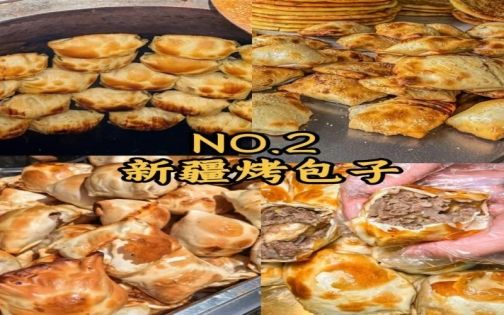
Baked buns
2. Signature Dishes – The Classics of Xinjiang Cuisine
Xinjiang dishes are known for one thing:
Huge portions.
4. Big Plate Chicken (Da Pan Ji)
One of Xinjiang’s most famous dishes.
Chicken pieces and potatoes are braised in a rich sauce made with chili, garlic, and spices. Once most of the chicken is eaten, wide hand-pulled noodles are added to the remaining sauce.
The noodles soak up the savory flavors perfectly.
A single plate is usually enough for three to four people, so it’s best shared with friends.
5. Pilaf (Hand-Grab Rice)
A traditional Uyghur rice dish.
The main ingredients include:
lamb
carrots
onions
rice
The lamb fat and juices are slowly cooked with rice, giving every grain a rich and fragrant taste.
Traditionally, it is eaten by hand, although most restaurants now provide spoons.
In Xinjiang, people often say:
“If you can cook good pilaf, you truly know Xinjiang cuisine.”
6. Pepper Chicken (Jiao Ma Ji)
A popular cold dish.
Shredded chicken is mixed with Sichuan pepper oil, chili oil, and fresh onions. The result is a dish that is fragrant, slightly numbing, and mildly spicy.
The classic way to eat it is with naan bread, which balances the bold flavors.
3. Noodles – The Carb Lover’s Paradise
Wheat-based foods are central to Xinjiang cuisine.
7. Lagman (Hand-Pulled Noodles)
One of the most common meals in Xinjiang.
Fresh hand-pulled noodles are topped with stir-fried meat and vegetables. Popular versions include:
lamb stir-fry noodles
tomato and egg noodles
wild mushroom noodles
The noodles are thick, chewy, and perfect for soaking up the sauce.
8. Ding Ding Fried Noodles
A playful noodle dish.
Hand-pulled noodles are cut into small pieces and stir-fried with lamb, tomatoes, and peppers. The diced noodles absorb the sauce and create a flavorful, slightly tangy dish.
It’s a popular everyday meal among locals.
9. Naryn (Kazakh Hand-Cut Noodles)
A traditional Kazakh dish.
Flat noodles are served with large pieces of boiled lamb and onions, then topped with rich broth.
Traditionally, diners slice the meat themselves while eating, making it a unique cultural experience.
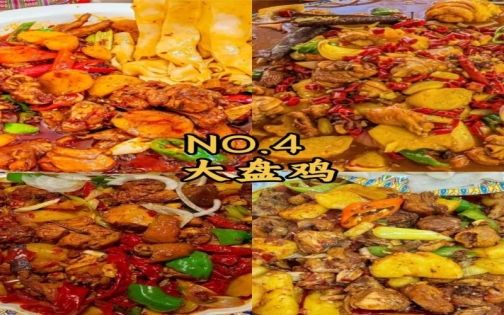
Big Plate Chicken
4. Tandoor-Style Foods – The Taste of Xinjiang Street Ovens
The most iconic cooking equipment in Xinjiang is the naan oven (tandoor).
10. Baked Buns (Samsa)
A must-try Xinjiang street snack.
Unlike steamed buns, samsa are baked in a tandoor oven. The crust becomes crispy while the inside remains juicy.
The filling usually includes diced lamb, onions, and lamb fat.
They taste best fresh out of the oven.
11. Naan Bread
The staple food of Xinjiang.
Popular varieties include:
sesame naan
onion naan
buttery naan
chili naan
Naan is durable and easy to store, which made it a practical food for travelers on the ancient Silk Road.
Fresh naan is crispy outside and soft inside, perfect with soups, tea, or grilled meat.
5. Snacks & Desserts – Small Bites with Big Flavor
12. Xinjiang Fried Rice Noodles
A favorite among young locals.
Thick rice noodles are stir-fried in a spicy red chili sauce with chicken, celery, and peppers.
Many restaurants allow you to choose the spice level:
mild
medium
extra spicy
If you love spicy food, try the extra-spicy version.
13. Ququ (Uyghur Lamb Dumplings)
Tiny lamb dumplings served in clear broth.
They are small, delicate, and very flavorful. The soup is light yet rich, making it a comforting dish.
Many shops serving ququ have been open for decades.
14. Lung and Rice Sausage
A traditional Hui Muslim snack.
Sheep lungs are turned into a noodle-like texture, while sheep intestines are stuffed with rice and vegetables. The slices are served with chili oil and vinegar.
It’s a very local flavor rarely found outside Xinjiang.
15. Maren Candy (Xinjiang Nut Candy)
A traditional Silk Road energy snack.
Made with walnuts, raisins, sesame seeds, and malt sugar, this dense sweet treat is both nutritious and filling.
Historically, traders carried it when crossing deserts.
16. Baursak
A Kazakh fried dough snack.
These small pieces of dough are deep-fried until golden and fluffy. They are often served with milk tea, jam, or dried cheese.
It’s a common snack among nomadic communities.
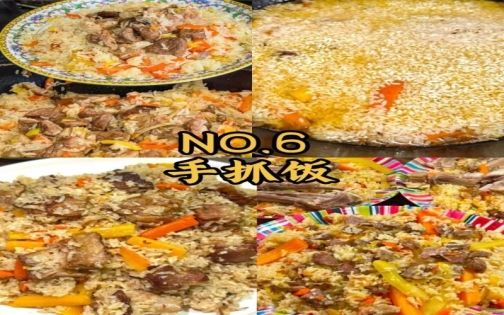
Hand-grabbed rice
6. Soups – Warm and Nourishing
17. Jar-Cooked Lamb (Gangzi Rou)
A comforting lamb soup popular in winter.
Lamb, carrots, and chickpeas are slow-cooked in enamel jars. The broth is clear but incredibly rich.
On a cold Xinjiang night, a bowl of this soup is pure comfort.
18. Spicy Lamb Trotters
A bold and flavorful street dish.
Lamb trotters are braised until tender and coated in a thick peppery sauce. The texture is soft and gelatinous, packed with flavor.
It’s especially popular in night markets.
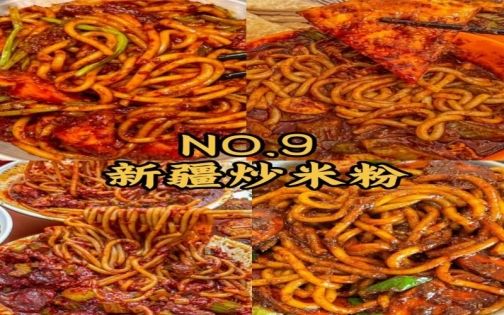
Fried rice noodles
Practical Tips for Food Lovers Visiting Xinjiang
1. Follow the locals
The best restaurants are often small and simple. If you see many locals lining up, the food is probably excellent.
2. Eat baked buns early
Many shops bake only a few batches per day. Morning is usually when they are freshest.
3. Explore night markets
Some of the best food in Xinjiang appears after sunset.
Great places to explore include:
Urumqi Night Market
Kashgar Old City Night Market
Yining Liuxing Street Night Market

![11 Day Tour[Winter Limited] Drunken Beauty Xinjiang Ice and Snow Kanas Fairy Tale New Vision](https://www.chinadragontravel.com/wp-content/uploads/2025/12/25cff76cef9e445-240x135.jpg)