
Friends planning to visit Xinjiang should never overlook its changeable weather. This weather information covering all parts of Xinjiang will detail temperature differences, precipitation and countermeasures for special weather in different seasons, helping you plan your itinerary accurately. Whether you’re at the foot of the Tianshan Mountains or on the edge of the desert, you can travel smoothly, with beautiful scenery and comfort accompanying you throughout the trip.
Spring in Xinjiang: Apricot Blooms & Warm Breezes, Tackle Temperature Shifts
From March to May every year, Xinjiang wakes up from the severe winter. The grasslands at the northern foot of the Tianshan Mountains begin to sprout tender green shoots, and the apricot blossoms in Turpan gradually bloom. However, the weather at this time is often characterized by “cold mornings and evenings, warm noons”. The maximum temperature during the day can reach around 20°C, but it may drop below 5°C at night. A thin down jacket or windproof coat is an essential item.
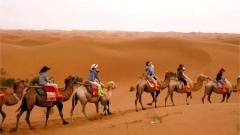
Sandstorm weather is more likely to occur in southern Xinjiang in spring, especially in cities on the edge of the Taklamakan Desert. The meteorological department will issue sandstorm warnings in a timely manner. When encountering such weather, dust masks and goggles can effectively improve the comfort of your visit. It is worth mentioning that in the Ili River Valley around mid-April, the wild apricot forests in Xinghuagou cover the hillsides. The weather at this time is mostly sunny, making it the best time for photography. Remember to pay attention to the latest information to arrange your itinerary.
Precipitation in Xinjiang is relatively low in spring, and the air is dry. You need to replenish water at all times during your visit. Whether you are going to the Grand Bazaar in Urumqi or driving through the northern section of the Duku Highway, check the local weather information before departure and adjust your clothes according to the temperature changes to ensure comfort while enjoying the spring scenery.
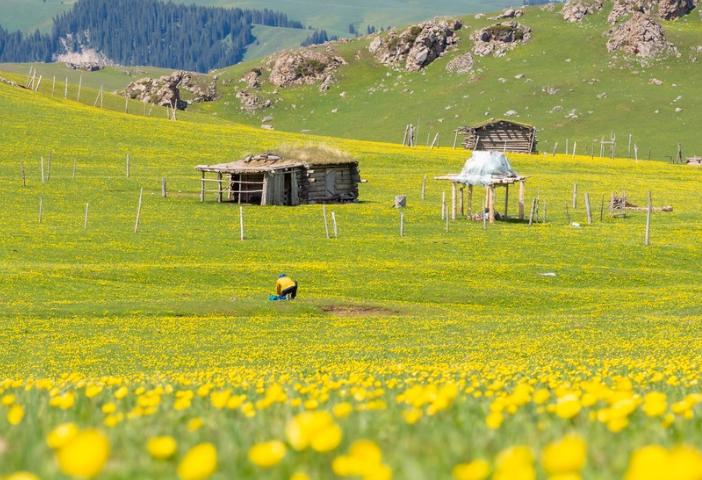
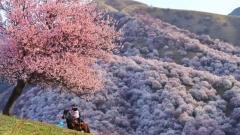
Spring in Ili, Xinjiang
Summer in Xinjiang: Cool Escapes, Be Ready for Sudden Mountain Showers
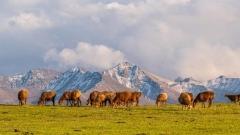
June to August is the peak tourist season in Xinjiang. At this time, the temperature in most parts of Xinjiang remains between 15°C and 30°C, which is cooler than the sweltering heat in inland areas. Meteorological data shows that the average temperature of Zhaosu Grassland and Nalati Grassland in Ili is only about 20°C, making them ideal summer resorts. You can wear short sleeves with long pants during the day, but you need to add a thin coat at night.
“Sudden rains in mountainous areas” is a frequently mentioned term in summer weather forecasts. When visiting scenic spots in mountainous areas such as the Tianshan Mountains and Altai Mountains, even if it is clear and cloudless when you set off, you may suddenly encounter short-term showers. Carrying a lightweight waterproof jacket is crucial. In addition, Xinjiang has extremely long daylight hours—some areas do not see the sunset until 10 pm. Sunscreen, sun hats and sunglasses are indispensable items, and these details are also specially reminded in meteorological notices.
The temperature in Turpan in southern Xinjiang is relatively high in summer, and meteorological records often show temperatures above 40°C. It is recommended to avoid going out during the noon period and choose to visit scenic spots such as Flaming Mountain and Grape Valley in the early morning or evening. As for Kanas Lake in northern Xinjiang, the lake water is azure blue in summer, surrounded by lush forests, and the weather is relatively humid. It is the golden period to experience the scenery of northern Xinjiang. Pay attention to the local weather before departure.
Autumn in Xinjiang: Golden Landscapes & Sunny Skies, Perfect for Exploration
From September to November, Xinjiang is dyed golden by nature. Populus euphratica forests, grasslands and Gobi are all covered with a strong autumn hue. Meteorological data shows that most parts of Xinjiang have sunny weather at this time, with little precipitation and fresh air. Whether you are photographing the light and shadow of Populus euphratica forests or overlooking the colorful forests of Kanas, you can capture beautiful pictures.
The temperature difference in Xinjiang further increases in autumn. Meteorological data shows that the maximum temperature during the day can reach 25°C, but it may drop below 0°C at night. The “layered dressing method” is most suitable—wear a thin sweater inside and a windproof and warm coat or down jacket outside, which is convenient for adjusting at any time according to temperature changes. Habahe County in northern Xinjiang and Luntai County in southern Xinjiang are popular spots for admiring Populus euphratica forests. The weather conditions at this time are excellent, suitable for long-term outdoor visits.
After late October, the first snow may fall in some high-altitude areas of northern Xinjiang. The meteorological department will update the snow situation in a timely manner. If you plan to travel to sections such as the Duku Highway and Yizhao Highway, you need to confirm the weather and road conditions in advance to avoid the impact of snow on your itinerary. Generally speaking, the weather in Xinjiang is stable in autumn, making it the best season to experience the customs of the Western Regions.
Winter in Xinjiang: A Snowy Fairyland, Cold Protection Is Your Best Companion
From December to February of the following year, Xinjiang is covered in ice and snow, like a fairy tale world. Meteorological data shows that the minimum temperature in most parts of northern Xinjiang can drop below -20°C, while southern Xinjiang is relatively mild, with a minimum temperature of about -10°C. No matter where you go, thick down jackets, antifreeze shoes, scarves and gloves are essential items to prevent cold damage.
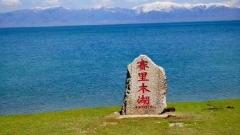
The weather in Xinjiang is dry in winter. Although the amount of snowfall is not large, some mountain roads are prone to icing. The meteorological department will regularly issue road icing warnings. Friends who travel by self-driving need to replace with snow tires and drive carefully. At this time, Kanas Lake freezes into a thick layer of ice, and Sayram Lake is also covered in silver. Although the cold wind is biting during the visit, the magnificent snow scenery is definitely worth seeing. Remember to pay attention to meteorological notices and do a good job in cold protection.
Indoor heating in Xinjiang is sufficient in winter, and the temperature difference between indoor and outdoor can reach more than 30°C. Pay attention to adding or removing clothes in time when entering or leaving the room to avoid catching a cold. In addition, the dry weather can easily cause dry skin, so moisturizer and lip balm are essential items to carry with you. For friends who love skiing, Jiangjun Mountain Ski Resort in Altay and Silk Road Ski Resort in Urumqi are good choices. Check the local weather before departure to plan a perfect skiing trip.
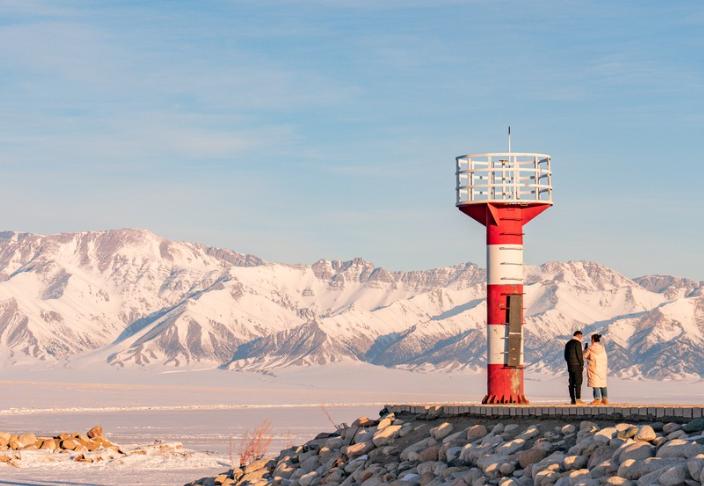
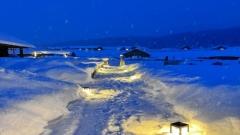
Winter Sunrise at Sayram Lake
Know about Xinjiang Weather Tips for a Smooth Journey
Xinjiang is vast, and the weather varies greatly in different regions at the same time. It is recommended to download local weather apps or follow the official platform of Xinjiang Meteorological Bureau to check the weather information of various places in real time. If you plan to travel across regions, such as from Urumqi to Kashgar, you need to check the weather conditions of both places respectively and prepare corresponding clothes and equipment in advance.
The weather in the mountainous areas of Xinjiang changes rapidly. Even if the weather forecast shows it is sunny, you need to carry windproof and waterproof clothes and rain gear before entering the mountains to prevent accidents. In addition, the ultraviolet rays in plateau areas are strong. No matter which season you visit, you should not take sun protection lightly. You need to prepare high-multiplier sunscreen and physical sun protection products.
For friends planning to experience long-distance self-driving, in addition to paying attention to the weather forecast, they also need to pay attention to wind warnings. Some Gobi areas in Xinjiang have strong winds in spring and winter, which may cause strong winds or severe sandstorms, affecting driving safety. When encountering bad weather, it is recommended to suspend the journey and set off after the weather improves—safety is always the top priority.
Xinjiang’s beautiful scenery is like a poem and a painting, and a proper itinerary plan is inseparable from detailed weather information. No matter which season you choose to visit, understanding the local climate characteristics in advance and making full preparations will allow you to explore this vast land to your heart’s content. From the glaciers of the Tianshan Mountains to the starry sky over the desert, from the pastoral songs on the grasslands to the charm of ancient cities, every aspect of Xinjiang is worth experiencing. Remember to take this weather guide with you to make your journey full of sunshine and joy.