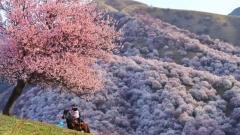

May in Xinjiang is a transition period from spring to summer. In Northern Xinjiang, snow has just melted, Tuergen Apricot Valley is covered with pink blossoms, Sayram Lake thaws to reveal turquoise water reflecting snow-capped mountains, and grasslands gradually turn green. Southern Xinjiang experiences mild, comfortable weather with warm but not hot days, while folk activities in Kashgar Old City are lively and visitor numbers are only about 20 percent of peak season, making photography and cultural experiences especially enjoyable. However, May weather can bring occasional dust storms in the south, residual snow in northern mountains affecting routes, and the Duku Highway usually opens only at month’s end. This guide covers climate differences, itinerary planning, weather precautions, and practical travel tips for May.
Climate Differences Between Northern and Southern Xinjiang: Attractions and Clothing Guide
In May, Xinjiang shows a clear contrast: Northern Xinjiang still carries spring chill, while Southern Xinjiang is already full of spring warmth. High-altitude areas still retain traces of winter. Travelers can prepare by region.
Northern Xinjiang (Ili, Altay, Sayram Lake)
Climate: Daytime temperatures range from 5 to 20°C, nighttime from 0 to 10°C, with possible freezing in mountainous areas. Short periods of sleet may occur in the mountains. Apricot blossoms bloom mainly from May 1 to May 10.
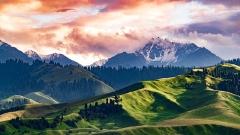
Attraction Highlights: Tuergen Apricot Valley, where pink apricot blossoms cover the hillsides against distant snow-capped mountains, creating a fairy-tale landscape; Sayram Lake, calm after thawing and reflecting the Tianshan peaks without summer crowds; Nalati Grassland, where early green grass contrasts with residual snow.
Clothing: Light down jacket, sweater, and waterproof hiking shoes. Wear quick-drying inner layers. Bring gloves for early morning photography to prevent frostbite.
Southern Xinjiang (Kashgar, Turpan, Hetian)
Climate: Daytime temperatures range from 10 to 30°C, nighttime from 10 to 15°C. The air is dry, with humidity around 20 to 30 percent. Dust storms may occur in early May, while weather becomes stable after mid-May.
Attraction Highlights: Kashgar Old City, with daytime temperatures around 25°C, ideal for visiting the East Bazaar and watching the city-opening ceremony, and enjoying Uyghur singing and dancing in the evening; Turpan, where Flaming Mountains are warm but not scorching, suitable for visiting the Karez system and Grape Valley; Hetian Grand Bazaar, which is dust-free after mid-May and ideal for shopping for handicrafts.
Clothing: Short sleeves, a thin cardigan, and long pants for dust protection. Carry N95 masks for dust storms and add a light jacket at night.
High-Altitude Areas (Pamir Plateau, Duku Highway)
Climate: Daytime temperatures range from 0 to 10°C, nighttime from -5 to 5°C. Residual snow is widespread, and light snow may occur at the end of May. Oxygen levels are low.
Attraction Highlights: Pamir Plateau, where Baisha Lake is half frozen and half thawed, creating unique ice-water scenery; Duku Highway, which opens in late May and allows travelers to see snow-covered mountain passes and green valleys in one journey.
Clothing: Thick down jacket, thermal underwear, and non-slip boots. Bring hand warmers and altitude sickness medication such as rhodiola, and avoid strenuous activity.
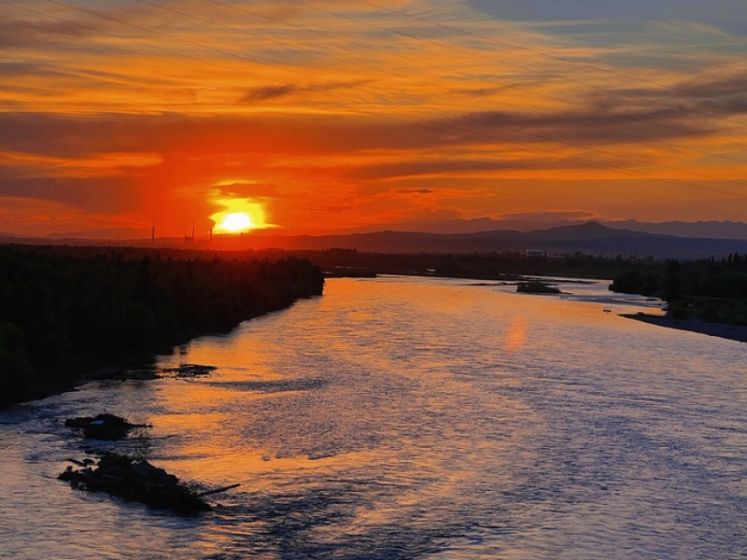
The sunset over the Yili River Bridge
May Weather Pitfall Avoidance: Dust Storm and Residual Snow Tips
Dust storms and residual snow are the main risks in Xinjiang in May. With proper preparation, they will not significantly affect your trip.
Dust Storm Response in Southern Xinjiang
Dust storms mainly occur in early May, usually one to two times in Hetian and Kashgar, lasting one to two days. When a dust storm warning is issued, prioritize indoor activities such as visiting Kashgar Museum or the Turpan Karez Museum. If outdoors, wear N95 masks and windproof goggles, and avoid open areas such as deserts and Gobi regions. Itineraries can be adjusted to indoor activities during dust storms and resumed outdoors after conditions improve.
Residual Snow in Northern Xinjiang Mountains
Some mountain roads from Altay to Kanas and from Ili to Zhaosu may be temporarily closed due to residual snow in May. Solo self-driving is not recommended. Choosing chartered cars or small group tours with drivers familiar with local conditions is safer, as they know detour routes and monitor road closure information. If short-term closures occur, urban attractions such as Urumqi International Bazaar or Ili River Bridge sunset views can be added to keep the itinerary full.
May Transportation Tips: Focus on the Duku Highway
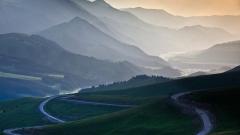
Duku Highway Opening Time: Usually opens around May 20 to 25, depending on snow conditions. The northern section, including Hashilgeng Daban, often has residual snow, requiring four-wheel-drive vehicles and snow chains. Opening times vary each year, so it is essential to monitor official announcements in advance to experience the unique scenery of crossing winter and spring in one day.
Self-driving and Chartered Car Notes:
Northern Xinjiang mountain roads, such as Altay to Hemu, may have morning frost and slippery surfaces. It is recommended to depart after 10 a.m.
In Southern Xinjiang, visibility during dust storms may drop to one to three kilometers. Reduce speed, turn on headlights, and keep safe distances.
At Urumqi Airport, sandstorms may occur in mid-May afternoons between 2 p.m. and 6 p.m., potentially causing flight delays. Morning flights before 10 a.m. are recommended, with one flexible buffer day reserved.
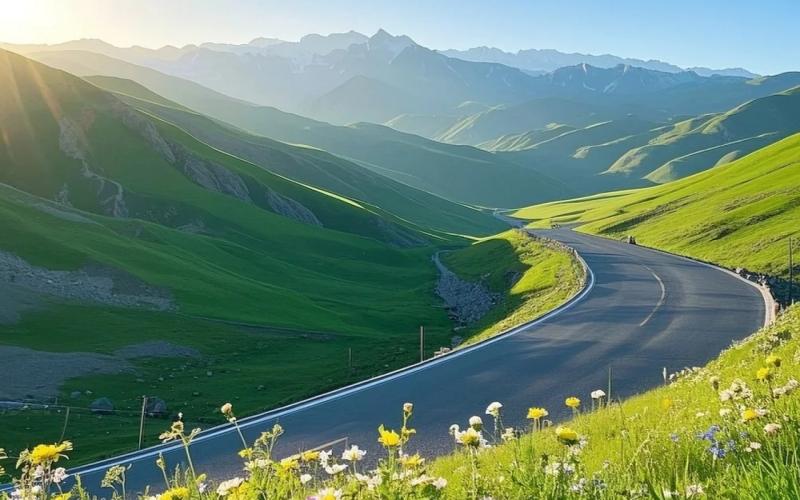
Duku Highway
Xinjiang Sunlight and Temperature Differences: Essential Clothing Principles for May
Xinjiang in May has large day-night temperature differences and strong ultraviolet radiation. Improper clothing may lead to colds or sunburn.
UV Protection: Although temperatures are moderate, UV intensity reaches level 4 to 6, and up to level 6 in high-altitude areas such as the Pamir Plateau and Sayram Lake. Use SPF50+ sunscreen, wear wide-brimmed hats and sunglasses, and protect the neck from prolonged exposure.
Layered Dressing Method:
Northern Xinjiang: Quick-drying inner layer, mid-layer sweater, and light down jacket. Remove the down jacket at noon and put it back on in the evening.
Southern Xinjiang: Short-sleeve inner layer, thin cardigan, and light windbreaker. Use the windbreaker during dust storms and add layers at night.
High-altitude areas: Thermal underwear, fleece mid-layer, and thick down jacket. Carry hand warmers for sudden temperature drops.
Recommended Classic May Itineraries
Northern Xinjiang Apricot Blossom Spring Route, 7 days:
Weather Advantage: Peak apricot blossom season in Tuergen, uncrowded Sayram Lake, and cool temperatures ideal for photography.
Route: Urumqi, Tuergen Apricot Valley, Sayram Lake, Ili River Valley, Nalati Grassland, Urumqi.
Southern Xinjiang Mild Cultural Route, 8 days:
Weather Advantage: Stable weather after mid-May, comfortable daytime temperatures, and cool nights suitable for cultural exploration.
Route: Urumqi, Turpan, Kashgar, Hetian, Urumqi.
Duku Highway Opening Route, 5 days, late May departure:
Weather Advantage: First opening period of the Duku Highway with fewer crowds and the chance to see both residual snow and green valleys.
Route: Urumqi, northern Duku Highway, Bayanbulak, southern Duku Highway, Kuqa, Urumqi.
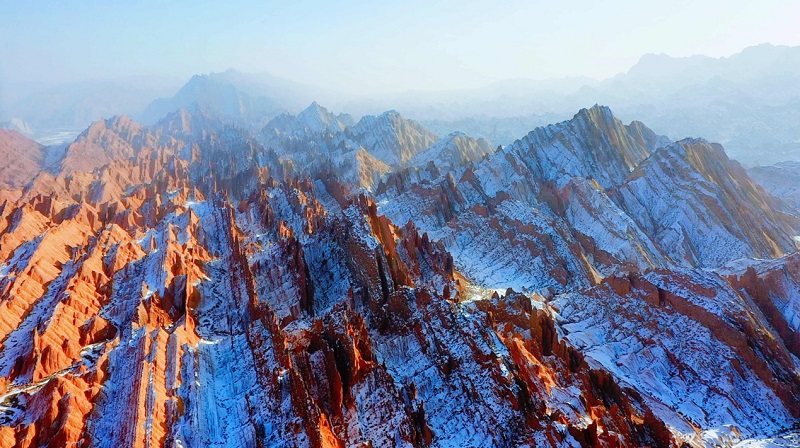
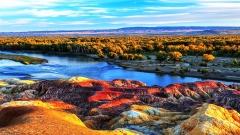
Hongshan Stone Forest
Frequently Asked Questions About Traveling to Xinjiang in May
Q1: Is it cold in Xinjiang in May? Do I need a down jacket?
A1: Yes for Northern Xinjiang. Night temperatures range from 0 to 10°C, and frost may occur in mountainous areas, making a light down jacket essential. Southern Xinjiang is warm during the day but still requires a light jacket at night. Thick down jackets are necessary in high-altitude areas.
Q2: When is the best time to see apricot blossoms in Tuergen Apricot Valley? What if I miss it?
A2: The best period is from May 1 to May 10. If missed, itineraries can be adjusted to Huocheng Wild Apricot Valley or to wild lily flowers in Nalati Grassland, which bloom slightly later.
Q3: Will I still encounter dust storms in Southern Xinjiang in mid-May?
A3: The probability is very low. Dust storms mainly occur in early May. After mid-May, weather is stable and suitable for outdoor activities. If sudden dust occurs, indoor visits such as handicraft workshops can be arranged.
Q4: Can I self-drive the Duku Highway in May? What should I prepare?
A4: Only at the end of May. A four-wheel-drive vehicle and snow chains are required, and opening information must be checked in advance. Solo self-driving is not recommended due to residual snow and falling rock risks.
Q5: Is altitude sickness severe on the Pamir Plateau in May?
A5: Slightly more noticeable than in summer due to lower temperatures and oxygen levels. It is recommended to take rhodiola three days before departure, avoid strenuous activity after arrival, and drink plenty of warm water.
Practical Advice on Travel Methods and Itinerary Planning in May
Traveling to Xinjiang in May requires careful consideration of climate differences, dust storms, residual snow, and road conditions.
Monitor weather and road updates before and during the trip, including apricot blossom progress, Duku Highway opening status, and dust or snow conditions.
Prepare basic supplies such as masks, sunscreen, warm clothing, and common medicines. Learn basic altitude sickness responses if visiting high-altitude areas.
Keep itineraries flexible to adjust for dust storms, temperature drops, or temporary road closures.
Prioritize safety and familiarity with local road conditions when choosing transportation, especially in mountainous areas.
Arrange sightseeing and photography during stable lighting periods to avoid cold, strong winds, or backlighting.
May in Xinjiang offers spring-exclusive beauty: apricot blossoms against snow-capped mountains, blue skies reflected in lakes, and warm ancient cities with fewer tourists. Whether you plan your journey using this guide or contact China Dragon Travel to customize a route, you can handle dust storms, residual snow, and temperature changes with ease and fully enjoy Xinjiang’s unique spring scenery.
![11 Day Tour[Winter Limited] Drunken Beauty Xinjiang Ice and Snow Kanas Fairy Tale New Vision](https://www.chinadragontravel.com/wp-content/uploads/2025/12/25cff76cef9e445-240x135.jpg)