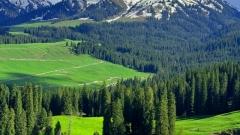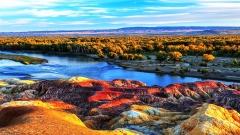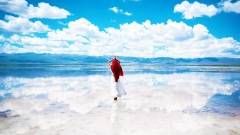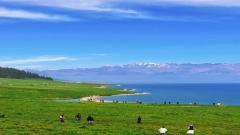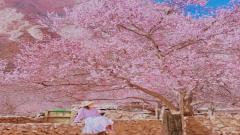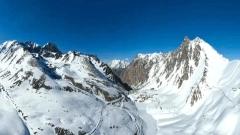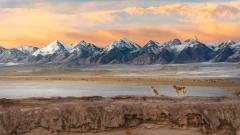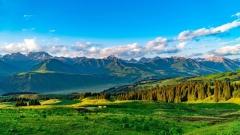

If Xinjiang’s four seasons are a series of magnificent paintings, each with its own distinct style, then September is undoubtedly the one with the most saturated hues and the gentlest brushstrokes. As the summer heat gradually recedes, the forests of Northern Xinjiang begin to soak in golden yellows, the scent of ripened fruit wafts from the oases of Southern Xinjiang, and a sense of vast, serene poetry spreads across this land. For travelers coming from afar, choosing to visit Xinjiang in September is not just about selecting a comfortable weather for travel; it is about choosing an immersive, in-depth experience of visual and sensory abundance.
September Climate Overview and Trends Across Xinjiang
Before planning your itinerary, understanding the overall tone and subtle rhythms of Xinjiang’s September climate is crucial. Moving past a summer of record-breaking heat and low rainfall, Xinjiang in September welcomes a significant shift in temperature and precipitation, entering a transitional autumn period characterized by increasing temperature differences, active weather patterns, and extremely distinct regional variations.
According to the forecasts from the Xinjiang Climate Center, September always presents an overall pattern of “Slightly cooler in Northern Xinjiang, warmer in Southern Xinjiang, with generally less precipitation overall.” This means that within the same trip, you might experience the near-freezing chill of a Northern Xinjiang morning alongside the spring-like warmth of a Southern Xinjiang afternoon. This dramatic contrast is precisely the charming impression of travel in Xinjiang during September.
It is important to note that September is not all calm weather. Meteorological departments predict five relatively pronounced cooling and precipitation weather processes throughout the month, occurring in the early part of the first ten-day period, the end of the first ten-day period, the early part of the middle ten-day period, the early part of the last ten-day period, and the later part of the last ten-day period. These processes are mostly categorized as “moderate” or “moderately weak,” bringing rain to Northern Xinjiang and mountainous areas, and potentially even giving rise to fairy-tale scenes of September snowfall. Simultaneously, attention should be paid to a high-temperature process mainly affecting Eastern Xinjiang areas like Turpan. Therefore, flexibility is the highest principle for planning a September itinerary in Xinjiang—both your suitcase and your schedule need to leave room for these changeable skies.
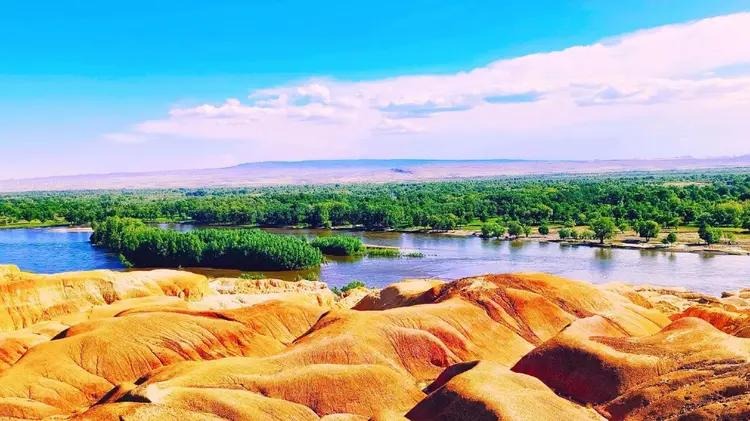
Tarim
Climate in Three Major Regions of Xinjiang in September
Xinjiang’s geographical units are clear, and its climate and landscapes delineate distinctly different characters accordingly. We will use the Tianshan Mountains as a natural brush to outline three unique September landscape paintings: Northern, Southern, and Eastern Xinjiang.
The Northern Xinjiang Portrait: A Golden Fairy Tale and Crisp Air
- Core Areas: Altay Prefecture (Kanas, Hemu), Tacheng Prefecture, Ili River Valley, Bortala Mongol Autonomous Prefecture (Sayram Lake), Changji, Urumqi and surrounding areas.
- Weather Characteristics: September is the prelude to the explosion of colors in northern Xinjiang. In areas like Kanas in Altay, autumn arrives early, making it a famous destination for admiring fall foliage. According to historical climate data, the average temperature in September ranges approximately from 7.5°C to 13.8°C, with extreme diurnal temperature variations—nighttime temperatures may approach freezing. The Ili River Valley and Bortala experience relatively mild autumn climates. Historical data indicates that the average autumn temperature in Bortala Mongolian Autonomous Prefecture is around 18.5°C in September, though mountainous areas like Sayram Lake remain cool in the mornings and evenings.
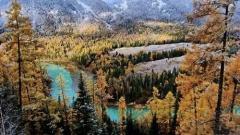
- Travel Rhythm & Highlights:Best Viewing Period: Late September to early October is the golden age of autumn colors in Northern Xinjiang. Birch forests and larch trees display layered colors, from emerald green and golden yellow to orange-red, reflecting in the deep blue waters of Kanas Lake, creating beauty that seems almost otherworldly.
- Core Experiences: Waking up in the morning mist of Hemu Village, watching the sun gild the edges of the Tuvan wooden cabins; embarking on a self-drive tour around Altay along the Ahe Highway or National Highway G331, taking in the picturesque scenery; feeling the depth and tranquility of “the last tear of the Atlantic” — Sayram Lake — in the autumn breeze.
Special Notes: The diurnal temperature variation can exceed 15 °C , making cold protection and warmth paramount. Mountain weather is changeable, requiring special vigilance against localized flash flood risks that may arise from precipitation in the early part of the first ten-day period. The famous northern section of the Dushanzi-Kuqa Highway (DuKu Highway) also typically begins closing due to weather from late September to early October; planning to use it requires checking the latest road conditions in advance.
The Southern Xinjiang Portrait: Ancient Lands, Warm Sun, and the Aroma of Harvest
- Core Areas: Kashgar Prefecture, Hotan Prefecture, Aksu Prefecture, southern Bayingolin Mongol Autonomous Prefecture.
- Weather Characteristics: In contrast to the coolness of northern Xinjiang, southern Xinjiang remains enveloped in warmth throughout September. According to historical data and travel information, daytime temperatures can reach 20–30°C, dropping to 10–15°C at night, with significant diurnal temperature variation. Areas like Turpan may still experience periods of high temperatures during the day. Precipitation is exceptionally scarce, with most plain regions receiving less than 10 millimeters of rainfall, while clear skies prevail.
- Travel Rhythm & Highlights:Best Viewing Period: For Southern Xinjiang’s iconic poplar forests, their stunning, uniformly golden state typically appears in mid-to-late October. September is more like an exciting preview, with the poplars beginning to be dotted with yellow spots, while the fruits in the oases reach their sweetest peak.
- Core Experiences: Feeling the timeless hustle and bustle in the maze-like alleys of Kashgar’s Old City; traveling to the edge of the Tarim Basin to witness the world’s oldest and most spectacular poplar forests just beginning to show their autumn colors; this is also the season of harvest, with many homestays offering autumn-limited experiences like grape picking and jam making, allowing you to delve into local life through your taste buds.
- Special Notes: Strong sunshine, dry conditions, and little rain make sun protection, hydration, and guarding against sand and dust daily necessities. Although the overall heat subsides, it can still feel quite warm at midday. Clothing is best to be breathable, sun-protective cotton or linen.
The Eastern Xinjiang Portrait: The Fading Heat of the Flaming Land and Oasis Sweetness
- Core Areas: Turpan City, Hami City.
- Weather Characteristics: In the plains of eastern Xinjiang, the average temperature in September is projected to be significantly higher than the historical average for the same period by 1.2℃ to 1.5℃. Based on historical records, the average temperature stands at 19.8℃, with an average minimum temperature of 13.2℃. However, compared to the intense heat of midsummer, the warmth at this time becomes gentle and pleasant, especially during the mornings and evenings. Rainfall is extremely scarce and almost negligible.
- Travel Rhythm & Highlights:Best Experience Period: The entire month of September is suitable for travel, especially after a high-temperature process in the first ten-day period, when temperatures become more comfortable.
- Core Experiences: Visiting the Grape Valley to observe the entire process of grape harvest and drying, even personally hanging picked grapes in the drying houses to make your own raisins; exploring the ruins of Jiaohe or Gaochang in the evening, as the remnants speak of Silk Road under the sunset; experiencing the unique reddish-brown hues of the Flaming Mountains in autumn.
Special Notes: Although no longer extremely hot, sunlight remains intense, making sun protection essential. Turpan’s dry heat is very suitable for visiting historical sites, but sufficient hydration must be ensured.
September in Xinjiang: A Practical Preparation Guide
Facing Xinjiang’s complex and variable September climate, a well-prepared suitcase is your greatest guarantee for comfort and smooth travel. Here is a practical list tailored for international tourists:
- Clothing and Gear: Smart Layering for Easy Adaptation
- Remember the golden rule: “The Onion Layering Method” is key to experiencing four seasons in a single day in Xinjiang.
- Base Moisture-Wicking Layer: Quick-drying underwear to keep your body surface dry.
- Mid Insulation Layer: Fleece jacket, lightweight down jacket, or wool sweater. This is vital for Northern Xinjiang mornings, post-rain periods, and evenings everywhere.
- Outer Protective Shell: A windproof, waterproof, and breathable outdoor jacket to cope with sudden wind, rain, and mountain chill.
- Lower Body & Accessories: Long pants that can be based on temperature (e.g., convertible zip-off pants). Additionally, a warm hat, gloves, and scarf are crucial for travelers planning to visit Northern Xinjiang’s mountainous areas. A high-quality pair of sunglasses is essential for protection against intense UV rays and potential wind-blown sand.
Health and Protection: Details Make the Experience
- Sun Protection First: Broad-spectrum SPF 50+ sunscreen, a wide-brimmed hat, a sun-protective face mask or headscarf. The intensity of autumn UV rays in Xinjiang should not be underestimated, especially in high-altitude areas and vast gobi.
- Combating Dryness: Moisturizing face cream, lip balm, eye drops (especially for contact lens wearers), and a portable moisturizing spray.
- Common Medications: Besides personal essential medications, it’s advisable to pack Gastrointestinal medicine, cold medicine, and medication for mild altitude sickness (if your itinerary includes the Pamir Plateau).
- Carry a thermal water bottle and develop a habit of drinking water regularly. Even in cool weather, Xinjiang’s dryness can easily lead to dehydration.
Itinerary Planning and Transportation
Transportation Choice: Self-driving or chartered vehicles remain the modes offering the highest freedom for exploring Xinjiang. Traveling off-peak in September generally means smoother road conditions compared to the summer peak. Be sure to choose a reliable vehicle and be mentally prepared for long-distance drives (often hundreds of kilometers at a stretch). You can also look into tourist shuttle buses launched in cities like Urumqi and Yining.
Schedule Flexibility: Try to schedule the most important outdoor sightseeing activities (like hiking in Kanas, circling Sayram Lake) for days with favorable weather forecasts. In anticipation of possible cooling and precipitation processes, prepare one or two backup plans for indoor or lower-altitude cultural experiences (e.g., visiting museums, experiencing handicraft workshops).
Accommodation Booking: September is still considered a peak tourist season, especially during the peak autumn color period in Northern Xinjiang. It is advisable to book accommodation in popular scenic spots like Hemu and Kanas well in advance, and pay attention to whether their heating facilities are adequate when booking.
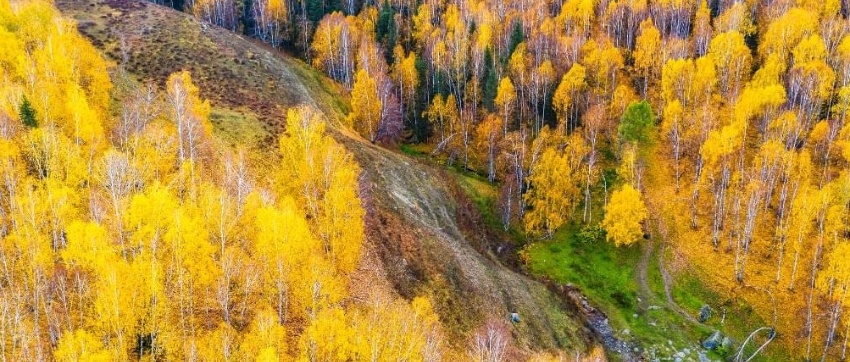
Kanas
Travel with the Experts – China Dragon Travel’s September Xinjiang Experience
Xinjiang’s vast beauty is best explored with true local expertise. With years of regional experience, China Dragon Travel understands every change of September’s climate and landscapes. From comfortable 4WD transport and carefully selected warm hotels to onboard oxygen, emergency supplies, and daily support, every detail is professionally arranged.
September Xinjiang is painted with golden poplar forests, blue lakes, snow-capped peaks, and fiery sunsets. With China Dragon Travel, you can travel with confidence, comfort, and complete peace of mind—focusing solely on the beauty before you.