
What Foreign Travelers Need to Know Before Visiting Xinjiang (China)
Xinjiang is vast, diverse, and stunning—but it’s also a region with stricter management than most tourist destinations. The good news? As long as you prepare a few key things in advance, traveling in Xinjiang as a foreign visitor is smooth, safe, and far easier than many people imagine.
1. Before You Go: Visa or Visa-Free Entry
Visa-free entry to China
As of 2025, China offers unilateral visa-free entry for holders of ordinary passports from many countries. Eligible travelers may enter China for tourism, business, visiting relatives, cultural exchange, or transit and stay for up to 30 days (depending on nationality).
Countries included (as of mid-2025) include:
France, Germany, Italy, Spain, Netherlands, Malaysia, Switzerland, Ireland, New Zealand, Australia, Japan, South Korea, Brazil, Argentina, Chile, Peru, Uruguay, and others.
Some countries (such as Singapore, Thailand, Kazakhstan, Qatar, Maldives, Armenia, etc.) have mutual visa-free agreements, often allowing stays of 30 days or up to 90 days within 180 days.
Visa-free policies can change. Always double-check with official Chinese government sources before booking flights.
If you are NOT visa-free
You’ll need a Chinese Tourist Visa (L Visa). Apply at your local Chinese embassy or visa center. The process is straightforward: application form, passport, photo, and basic travel information.

visa for china
2. Entering China: Arrival Card & Immigration Process
Arrival card
Foreign travelers must submit entry information upon arrival. Since late 2024, China allows online pre-filling of the arrival card via:
-
National Immigration Administration (NIA) official website
-
NIA 12367 App
-
WeChat or Alipay mini-programs
Filling it in advance saves time at immigration.
Important: The official entry card is free—avoid any website charging a fee.
Immigration channels
-
Chinese passport holders often use automated facial recognition gates.
-
Foreign passport holders usually go through manual immigration counters, which may take longer.
If you’re traveling with a Chinese partner or friend, staff may allow you to queue together or process you at the same counter—just follow on-site instructions. Overall, the process is orderly and efficient.
Keep your boarding pass
It’s a good idea to keep your boarding pass or a screenshot of your flight details. Occasionally, officers may verify entry information.
3. After Arrival: Hotel Registration
China requires foreigners’ accommodation registration.
-
Hotels: Almost all hotels will register you automatically at check-in—just show your passport.
-
Homestays / staying with friends: You (or your host) must register your stay at the local police station or foreigner service center, usually within 24 hours.
How to choose hotels that accept foreigners
-
On Chinese booking apps (Ctrip, Qunar, Gaode), filter for “Foreigner-friendly / Accepts foreign guests.”
-
Even then, call the hotel to confirm before paying—some listings are outdated.
-
Booking.com is usually 100% foreigner-friendly, though prices may be slightly higher.
4. Flights & High-Speed Trains: Using a Passport
High-speed rail & trains
-
Foreigners can buy train tickets using passports.
-
Some stations allow passport holders to use automated gates; others require manual inspection.
-
Arrive early, especially your first time—manual checks are normal.
Domestic flights
Even if you check in online:
-
Many airports require passport holders to visit the airline counter for document verification or to print boarding passes.
-
Facial recognition machines may not recognize foreign passports.
Tip: Arrive at least 2 hours early for domestic flights, longer at major hubs.
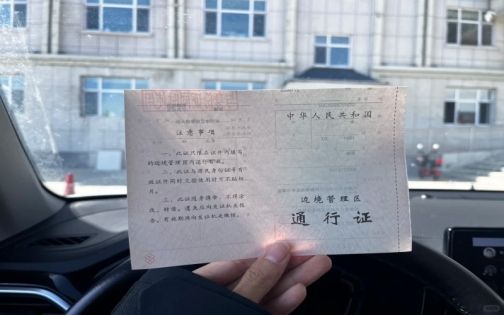
Border Pass
5. Traveling in Xinjiang: Where You Can and Can’t Go
Most places are fine
Foreign travelers can freely visit:
-
Urumqi, Turpan, Yining (Ili), Kashgar city, and most mainstream scenic spots
-
Popular attractions like bazaars, city parks, canyons, and lakes
Restricted or special-permit areas
Some border regions, ports, and sensitive road sections may require extra permits or may be temporarily restricted for foreign nationals. Areas often mentioned include:
-
Baihaba Village
-
Horgos Port
-
Khunjerab / Red Flag Lapu area (Tashkurgan direction)
-
Certain sections of the Duku Highway
Rules vary by location, season, and current policy.
Best advice:
Before finalizing your route, send your nationality + itinerary to:
-
A local travel agency
-
Your hotel
-
A licensed driver
They can confirm whether a border permit is needed and where to apply.
6. Getting Around: Best Transport Options
City travel
Within cities like Urumqi or Kashgar, taxis, ride-hailing apps, and public transport work well.
Long distances & scenic routes
Xinjiang is huge—distances are often hundreds of kilometers.
For first-time visitors:
-
Group tours or private car hire are strongly recommended
-
Drivers know checkpoints, road rules, and weather conditions
-
Saves time, stress, and unexpected detours
Can foreigners drive in Xinjiang?
Yes—but:
-
Foreign licenses are not valid in China
-
You must apply for a temporary Chinese driving permit, which requires paperwork and time
For short trips, hiring a licensed vehicle with a driver is usually much easier.

payment
7. Payments, Internet & Communication
Mobile payments (highly recommended)
China is mostly cashless. Set up Alipay or WeChat Pay before arrival:
-
Passport-based real-name verification
-
Bind an international credit/debit card
-
Test it before you fly
Cash still works, but many small businesses prefer mobile payment.
SIM cards & internet
-
You can buy a SIM card at airports or official stores using your passport
-
International roaming or eSIM also works
-
Download offline maps—signal may be weak in remote areas
Language tips
-
Download offline translation packs (English–Chinese)
-
Screenshot hotel names and destinations in Chinese—showing drivers the Chinese name is the fastest solution
8. Safety & Security: What to Expect
Xinjiang is very safe for travelers. Security presence is visible:
-
Frequent checkpoints and bag scans
-
Quick police response near tourist areas
What you should do:
-
Carry your passport (or a clear photo of it) at all times
-
Cooperate calmly at checks
-
Do not photograph police stations, checkpoints, or security facilities
9. Best Time to Visit Xinjiang
-
June–October is ideal
-
June–August: grasslands, flowers, lakes, summer scenery
-
September–October: golden autumn colors in places like Kanas
-
-
Temperature differences are large—bring a light down jacket even in summer
10. Packing Checklist for Foreign Travelers
Documents
-
Passport
-
Chinese visa (if required)
-
Border permit documents (if applicable)
Daily items
-
Sun protection (hat, sunglasses, sunscreen)
-
Warm layers (big day-night temperature changes)
-
Personal medication
Electronics
-
Power bank
-
Offline maps & translation apps