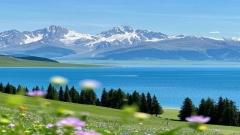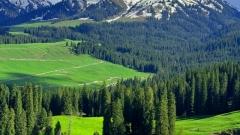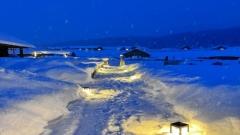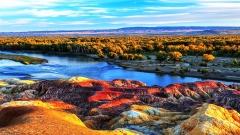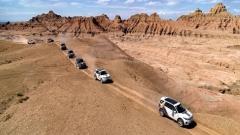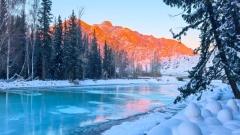

August in Xinjiang is the most passionate and vibrant season of the year. It spans from the scorching heat above 40°C in the Turpan Basin to the pleasant coolness near the Tianshan snow line; from the arid, extreme heat of the Taklamakan Desert to the mild, comfortable climate of the Altay Mountains. In August, Xinjiang offers both the lush greenery of the northern grasslands and the vast, majestic deserts of the south. However, the complex climatic variations also present new challenges for travelers. This article will provide an in-depth analysis of Xinjiang’s weather characteristics in August, offering practical travel advice to help you have a safe and unforgettable summer journey across this expansive land.
Analysis of Xinjiang’s August Climate
Xinjiang’s climate system exhibits great diversity due to its geographical layout. As an extension of the peak summer period, August showcases distinct regional climate characteristics across various areas.
- Average Temperature: Average temperatures range between 20-30°C, but the difference between extreme highs and lows can exceed 40°C.
- Precipitation: Precipitation follows a pattern of more in the north and less in the south, and more in mountainous areas than in basins. Some mountainous regions in northern Xinjiang can receive over 100 mm of monthly rainfall, while desert areas in the south may experience no effective precipitation throughout the entire month.
- Sunlight Duration: Sunshine lasts 14-16 hours per day, with generally strong ultraviolet radiation, especially at higher altitudes and in desert areas.
- Temperature Variation: For every 100-meter increase in altitude, the temperature drops by approximately 0.6°C. This means that at the same moment, the temperature difference between the Turpan Basin (elevation -154 meters) and the Tianshan Mountains (elevation 3,000-4,000 meters) can reach 25-30°C. Horizontally, due to higher latitudes and the influence of westerlies, northern Xinjiang experiences relatively mild temperatures, while southern Xinjiang, situated deep inland with a closed topography, is one of China’s hottest regions. Diurnal temperature variation is another significant feature; in desert areas, the day-night temperature difference can exceed 20°C, and in mountainous areas, it can reach around 15°C. Travelers need to pay special attention to these substantial temperature fluctuations.
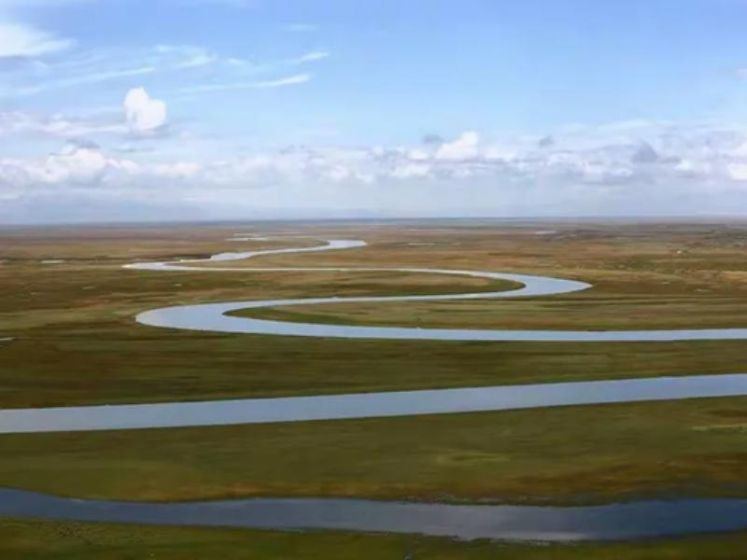
Ili River Valley in August
Overview of August Climate in Various Regions of Xinjiang
August Climate in Southern Xinjiang Region:
- Altay Region: Average August temperatures range from 15-25°C. Daytime maximum temperatures typically do not exceed 28°C, dropping to 10-15°C at night. In scenic areas like Kanas Lake and Hemu Village, daytime temperatures are around 20-25°C, potentially dropping to 8-12°C at night, so a light jacket is recommended. Monthly precipitation is approximately 50-80 mm.
- Ili River Valley: Average August temperatures range from 18-28°C, with comfortable daytime temperatures and slightly cool mornings and evenings. Precipitation is about 60-100 mm, with relatively more rainfall in the valley area. The Ili region enjoys long daylight hours and ample sunlight, with significant temperature differences between morning and evening.
- Tacheng: Average August temperatures range from 20-30°C. Areas like the Bakhtu Port and Barluk Mountains experience pleasant daytime temperatures and cool nights. Precipitation is about 40-70 mm, relatively dry. This region experiences strong winds, especially in border areas and open terrain, requiring attention to wind protection. Due to higher latitude, Tacheng enjoys long daylight hours in August with later sunsets, making it suitable for planning longer outdoor activities.
- Ürümqi: Average August temperatures range from 22-32°C, hot during the day and cool at night. Urban temperatures are usually 2-3°C higher than surrounding suburbs. Precipitation is about 30-60 mm, relatively dry. Temperatures at suburban attractions are 5-8°C lower than in the city center, making them popular summer retreats for residents. UV radiation remains strong, so sun protection is necessary for outdoor activities.
August Climate in Northern Xinjiang Region:
- Kashgar: Average August temperatures range from 25-35°C, with daytime highs reaching 38-40°C and dropping to 20-25°C at night. Humidity is relatively high, around 30-40%, and monthly precipitation is typically less than 10 mm. The surrounding Pamir Plateau is significantly cooler; Taxkorgan County town has an average August temperature of only 10-20°C, creating a sharp contrast with Kashgar.
- Hotan: Average August temperatures range from 26-36°C, making it one of the hottest regions in Xinjiang. Daytime highs frequently exceed 40°C. The air is extremely dry, with humidity usually below 20%, and there is almost no precipitation, with monthly totals less than 5 mm. In desert areas, sunlight is intense, and surface temperatures can reach 60-70°C, making midday outdoor activities inadvisable. Areas near the Yurungkash River, Karakash River, and other water bodies are relatively cooler and serve as summer retreats; the region also experiences frequent sand and dust weather.
- Korla: Average August temperatures range from 24-34°C, somewhat cooler compared to Hotan and Kashgar. Around Bosten Lake, the climate is moderated by the water body, making temperatures 3-5°C lower than in the city center, with relatively higher humidity. Precipitation is about 10-20 mm, with occasional showers. The Euphrates poplar forests along the Tarim River appear deep green in August, but daytime temperatures remain high, so visiting in the early morning or evening is recommended. The region experiences large diurnal temperature variations, which can exceed 15°C, requiring clothing adaptable to temperature changes.
Mountainous and Outdoor Climate:
- Turpan: Average August temperatures range from 30-40°C, with a historical extreme high of 49.6°C. Surface temperatures can exceed 80°C. The air is extremely dry, with humidity often below 10%, and there is almost no precipitation, with monthly totals less than 5 mm. Under such extreme climatic conditions, travel requires avoiding outdoor activities during midday hours (12:00-17:00); constantly replenishing fluids, drinking no less than 500 ml of water per hour; wearing loose, breathable, light-colored clothing; and preparing heatstroke prevention medication.
- Pamir Plateau: Average elevation exceeds 4,000 meters. Average August temperatures range from 5-15°C, with daytime highs typically not exceeding 20°C, potentially dropping to 0-5°C at night. The Karakul Lake area (elevation 3,600 meters) is colder, requiring warm clothing such as down jackets. The air is thin, with oxygen content only 60-70% of that in plain areas, making altitude sickness likely. UV radiation is extremely strong, requiring sun protection even on cloudy days. Precipitation is low, but sudden snowstorms may occur, especially when crossing passes above 4,000 meters.
- Taklamakan Desert: Average August temperatures range from 30-40°C, with surface temperatures reaching over 70°C. The air is extremely dry, with humidity often below 10%. There is almost no precipitation, but sandstorm weather may occur, drastically reducing visibility. Oases on the desert edge are slightly cooler but still extremely hot environments. Venturing deep into the desert requires professional guides and adequate preparation; each vehicle must carry at least twice the normal amount of water and fuel. The best crossing times are early morning and evening, avoiding travel during the high-temperature midday period.
In August, Xinjiang as a whole is in the summer mode of a continental climate, but due to complex topography, actual climate experiences vary greatly. The average temperature across Xinjiang ranges from 20-30°C, but the difference between extreme highs and lows can exceed 40°C. Precipitation shows a pattern of more in the north and less in the south, and more in mountainous areas than in basins. Some mountainous regions in northern Xinjiang can receive over 100 mm of monthly rainfall, while desert areas in the south may experience no effective precipitation throughout the entire month. Sunshine lasts 14-16 hours per day, with generally strong ultraviolet radiation, especially at higher altitudes and in desert areas.
For every 100-meter increase in altitude, the temperature drops by approximately 0.6°C. This means that at the same moment, the temperature difference between the Turpan Basin (elevation -154 meters) and the Tianshan Mountains (elevation 3,000-4,000 meters) can reach 25-30°C. Horizontally, due to higher latitudes and the influence of westerlies, northern Xinjiang experiences relatively mild temperatures, while southern Xinjiang, situated deep inland with a closed topography, is one of China’s hottest regions. Diurnal temperature variation is another significant feature; in desert areas, the day-night temperature difference can exceed 20°C, and in mountainous areas, it can reach around 15°C. Travelers need to pay special attention to these substantial temperature fluctuations.
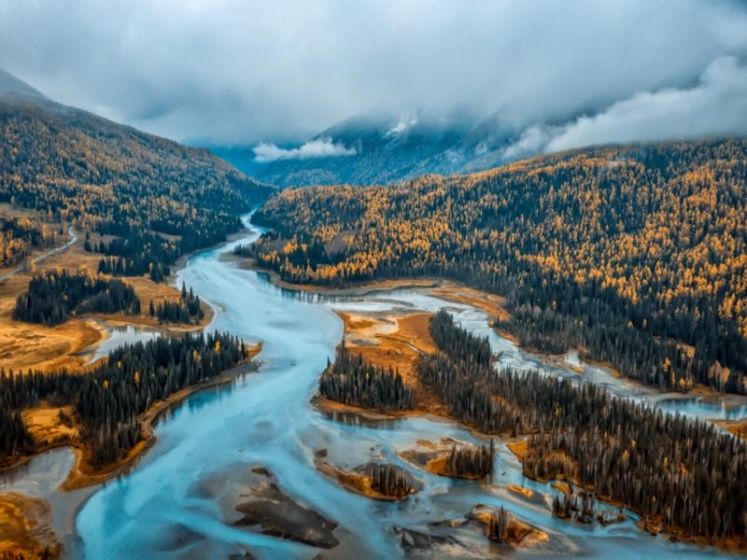
Xinjiang in August – the Best Time in Autumn
Q&A for August Travel in Xinjiang
Q1: What clothing should I prepare for Xinjiang in August?
It is recommended to prepare clothing that can adapt to various climates, such as quick drying and sweat wicking underwear, lightweight down jackets, and windproof and waterproof outerwear. It is recommended to choose fast drying materials, which can provide sun protection and cope with temperature changes. Shoes need to be breathable, slip resistant, and sandals should be prepared for use in hot areas.
Q2: Any suggestions for health management?
It is recommended to carry common medications: gastrointestinal medicine, cold medicine, anti-allergy medicine, eye drops, lip balm, moisturizer, etc., to address potential health issues like gastrointestinal discomfort, respiratory infections, dry skin, and dry eyes. In terms of diet, avoid overeating, consume plenty of fruits and vegetables, and enjoy local cuisine in moderation. Maintain a reasonable schedule, avoid excessive fatigue, and ensure adequate sleep.
Q3: How to cope with extreme weather?
The extreme weather that Xinjiang may encounter in August includes sandstorms, thunderstorms, and sudden temperature drops. When encountering a sandstorm, immediately seek shelter, wear a mask to cover your mouth and nose, and turn on fog lights to slow down. Avoid dangerous locations such as mountaintops and under trees during thunderstorms and evacuate as soon as possible. Add clothing in a timely manner when the temperature suddenly drops in mountainous areas to prevent overheating. Always keep an eye on the weather forecast.
Xinjiang in August is a symphony of extremes and diversity in climate. From the scorching heat of the Flaming Mountains to the coolness of Kanas, from the aridity of the Taklamakan to the humidity of the Ili River Valley, this land displays astonishing climatic diversity at the tail end of summer. By understanding these climatic characteristics and making thorough preparations, you will be able to safely and deeply experience Xinjiang’s most vibrant season on this vast and magical land. Whether pursuing ultimate natural landscapes or exploring rich ethnic cultures, Xinjiang in August will leave you with lifelong travel memories in its own unique way.