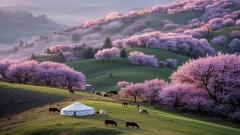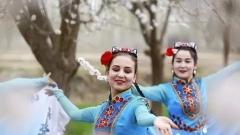

For those who hold a deep admiration for the alluring mystique of far-flung cultures, Xinjiang’s Uyghur legacy entices discovery at the foot of the grandiose Tianshan Mountains. A society teeming with knowledge and alive with fervent spirit is distinctly evident, ranging from the mud-brick bastions of Kashgar to the spellbinding Muqam music of Turpan. This guidebook presents a comprehensive exploration of the area’s cultural riches, coupled with crucial travel insights, to enhance a journey that promises profound contentment.
The Soul in Rhythm: A First Encounter with Uyghur Music and Dance
Uyghur culture in Xinjiang first strikes the heart through the ears and eyes. The “Twelve Muqam,” hailed as the “Pearl of Eastern Music,” is a classical musical suite integrating song, poetry, music, and dance. Its complex modes and improvisational performances are captivating. In teahouses in Kashgar or Yarkant, folk musicians often play the rawap, dutar, and ghijak. The flowing melodies seem to sketch the caravan shadows of the ancient Silk Road.
Dance is the eruption of emotion. Whether it’s the communal song and dance gathering “Meshrep” during festivals or the elegant “Sanam” in professional theaters, Uyghur dance always conveys joy through fast spins, rich wrist movements, and lively expressions. For visitors, participating in a local wedding celebration or watching a performance at a cultural center in a Uyghur community is the first step towards an immersive experience.
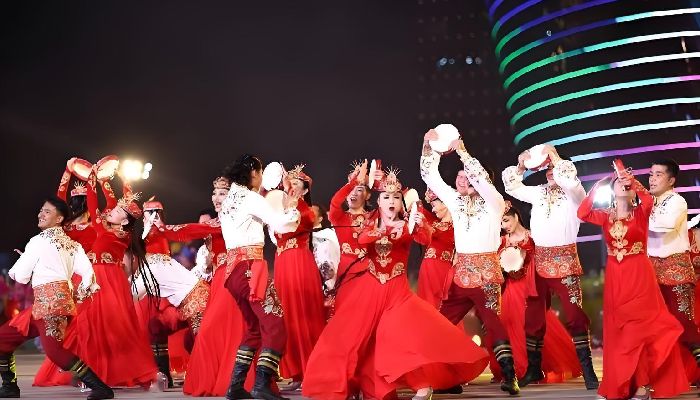
Traditional Uyghur Musical Performance
The Silk Road on the Tip of the Tongue: An Unmissable Uyghur Culinary Map
To understand a people, one must first taste their food. The culinary culture of Xinjiang’s Uyghur people is a crystallization of steppe and oasis life, with bold and direct flavors. Naan, the bread baked in special clay ovens (tandoor), is the absolute star on the dining table, its aroma wafting through streets and alleys.
The hearty “Dapanji” (Big Plate Chicken), the ceremonious whole roasted lamb, the chewy “Latiaozi” (hand-pulled noodles), and the savory, fragrant “Polo” (pilaf) are each a feast for the taste buds. Don’t miss the street-side “Samsa” (baked buns), sweet melons and fruits, and uniquely flavored yogurt. Kashgar’s Orda Shik Alley and the food section of Urumqi’s International Grand Bazaar are perfect starting points for exploring this culinary map. Here, food is not just sustenance but also a vessel for Uyghur hospitality and spirit of sharing.
Kashgar Old City: Stepping into a Living Folklore Scroll
If one place best concentrates the experience of Uyghur daily life and architectural aesthetics, it is undoubtedly the Kashgar Old City. This labyrinthine urban district, the only one in China featuring Islamic culture, has layered, staggered buildings of earthy yellow adobe, full of surprises in its winding alleys. Children chase each other at alley entrances, artisans hammer copperware in workshops, and elderly men chat sitting on clay beds.
Wandering through it, you can witness the ingenious design of traditional “Ayvang” houses and feel their coolness in summer. Time seems to flow slower here. Behind every colorful wooden door, there might be a family story passed down for generations. Spending half a day aimlessly strolling here, smiling at locals, is far more vivid than visiting any static museum.
Festivals and Bazaars: Golden Moments to Immerse in Uyghur Life
When planning your trip, if you can coincide with traditional Uyghur festivals, the experience will be greatly deepened. Eid al-Adha (Corban Festival) and Eid al-Fitr (Rozah Festival) are the two most important religious holidays. Families prepare sumptuous food, people dress in their best to visit each other, and the streets are filled with festive joy. This is when you can witness the most traditional etiquette and the most sincere smiles.
Furthermore, the weekly Sunday Kashgan Livestock Bazaar showcases another facet of Xinjiang’s Uyghur people as traders. This, the largest livestock market in Asia, is dusty, bustling, and filled with ancient trading wisdom and strong local flavor. It’s not a “tourist attraction” but a living economic and social space, an excellent window to observe authentic local life.
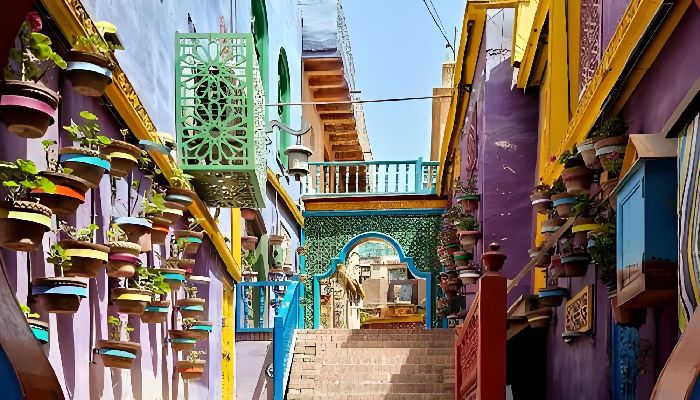
Alley in Kashgar Old City
Planning Your Cultural Exploration: Classic Route Suggestions
To systematically experience Uyghur culture in Xinjiang, reasonable route planning is crucial. Depending on your time, you can choose from the following classic cultural route combinations we have outlined.
Route One:Southern Xinjiang Cultural Core Loop (Approx. 8-10 Days)
This route focuses deeply on the heartland of Uyghur culture. Using Kashgar as the base, spend 2-3 days exploring the Old City, the Abakh Khoja Tomb (Fragrant Concubine Tomb), the Id Kah Mosque, and visit the Sunday Livestock Bazaar. Then head east to Yarkant to explore the Yarkant Khan Mausoleum and experience a more rustic atmosphere. Proceed via Yingjisha (famous for small knives) to Hotan, experiencing the Hotan Bazaar and traditional paper-making from mulberry bark. Finally, cross the Taklamakan Desert Highway, feel the contrast between oasis and desert, and end the journey in Korla.
Route Two:Northern Xinjiang Nature & Eastern Xinjiang Culture Mixed Route (Approx. 7-9 Days)
This route suits travelers wishing to appreciate both the landscapes of Northern Xinjiang and the historical culture of Turpan in Eastern Xinjiang. Start from Urumqi, visiting the Xinjiang International Grand Bazaar. Then head north to admire the grandeur of the Ili grasslands. On the return, focus on Turpan, an important cradle of Uyghur culture. Visit the Jiaohe Ruins, the Karez wells, and listen to Muqam performances in Grape Valley. Finally, return to Urumqi.
Practical Xinjiang Travel Tips and Cultural Respect
While immersing yourself in Uyghur culture, some practical advice can make your journey smoother. Regarding climate, Xinjiang has significant day-night temperature differences and strong sunlight, so prepare sun protection and layered clothing. For transportation, distances between cities are vast. Allow ample travel time or choose reliable local services to arrange long-distance transfers.
Most importantly is cultural respect. Dress modestly and maintain quiet when entering mosques. Always ask for permission before photographing people, especially women and the elderly. Friendly bargaining is acceptable in bazaars, but maintain good manners. Learning a simple Uyghur greeting like “Yaxshimusiz?” (How are you?) can instantly bridge the distance with locals.
Planning such an in-depth cultural journey involves aligning with local festival times, ensuring smooth transportation connections, and gaining a deep understanding of cultural sites. Seeking assistance from partners with extensive local operational experience often allows you to focus more on the experience itself rather than logistical details. For example, the team at Yulong Travel has long been deeply involved in Xinjiang. They can tailor itineraries based on your interests, focusing on unique experiences like visiting intangible cultural heritage sites or interacting with traditional artisan workshops, ensuring your Uyghur cultural journey in Xinjiang is both profound and worry-free.
Connecting with Heart: Making Your Uyghur Cultural Journey a Lasting Memory
Stepping onto the expansive terrain of Xinjiang, attentively soaking in the enchanting melodies of Muqam, tenderly tracing the annals of time etched in the brick facades of Kashgar’s ancient city, and indelibly savouring the distinctive flavours of its gastronomy—such moments undeniably constitute the most profound conversation with the rich and vibrant culture of Xinjiang’s Uyghur community. This voyage transcends mere photographic documentation of light and shade; it represents an immersive quest and a genuine reverence for an alternative mode of existence. This encounter is bound to linger as an inimitably luminous episode in your recollections.