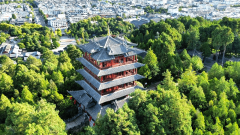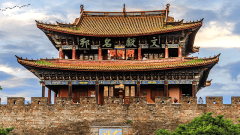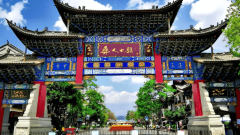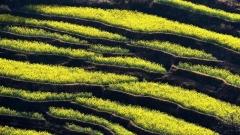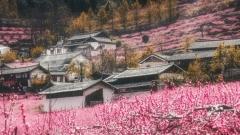

Kunming, Dali, Lijiang, and Shangri-La in Yunnan paint a vivid picture of breathtaking landscapes. The province’s varied altitudes, ranging from the lowlands of Hekou at 76 meters to the towering heights of Kawagarbo at 6,740 meters, play a crucial role in travel planning. Awareness of these elevations is essential for ensuring a safe and pleasant journey. This article delves into the distribution of altitudes across Yunnan, offers acclimatization advice, and suggests travel itineraries.
Altitude of Popular Travel Destinations in Yunnan
Most tourist routes in Yunnan are concentrated in the northwest, with altitudes gradually rising from the southeast to the northwest. Knowing the specific altitude figures for each location will help you reasonably schedule your stay and pace your acclimatization.
- Kunming: The Best Starting Point for Acclimatization (Approx. 1,890 meters)
As the provincial capital and transportation hub, Kunming’s average altitude is about 1,890 meters. Most visitors do not experience noticeable altitude sickness here. Known as the “Spring City” for its pleasant climate, it is perfectly suited as a buffer and acclimatization stop before heading to higher areas. It is recommended to spend 1-2 days here to allow your body to begin adapting to the highland environment.
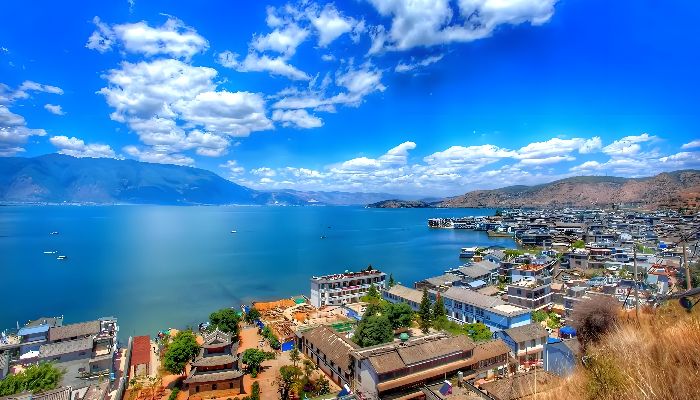
- Dali: Mild Altitudes Amidst Romantic Scenery (Approx. 1,970 meters)
Dali, at the foot of the Cangshan Mountains and by the shores of Erhai Lake, has an average altitude around 1,970 meters, similar to Kunming. Activities around Erhai Lake present almost no altitude-related stress. However, if you plan to hike the Cangshan Mountains (highest peak: 4,122 meters), pay attention to the rapid gain in altitude during the climb and proceed according to your ability.
- Lijiang: Where Ancient Town Meets Snow Mountain (Approx. 2,400 meters)
The altitude of the Lijiang Old Town area is about 2,400 meters. Here, some visitors might start to feel slight shortness of breath or fatigue more easily. This is a normal part of the acclimatization process. The key is to slow down and avoid strenuous activity. The famous Jade Dragon Snow Mountain poses a direct test of your body’s adaptability, with the Glacier Park reachable by tourists situated at approximately 4,506 meters.
- Shangri-La: The True Highland Journey (Approx. 3,300 meters)
Shangri-La, formerly known as Zhongdian, has an average altitude of 3,300 meters, placing it firmly within a typical high-altitude environment. The oxygen content here is noticeably lower than in plains areas. Attractions like Pudacuo National Park and the Songzanlin Monastery require walking and touring in these high-altitude conditions, making proper acclimatization and a slow-paced itinerary absolutely essential.
- Feilai Temple and Meili Snow Mountain: Gazing Upon the Sacred Peaks (Approx. 3,400 meters+)
For many dedicated travelers, the dream is to witness the sunrise casting golden light on the Meili Snow Mountain from the Feilai Temple viewing platform (approx. 3,400 meters) in Deqin. The Baima Snow Mountain Pass along the way exceeds 4,200 meters. This route demands a higher level of altitude adaptation and is not recommended for those on their first trip to high altitudes.
Yunnan
Practical Strategies for Preventing and Coping with Altitude Sickness
While you don’t need to be overly anxious about altitude changes in Yunnan, it is essential to approach them scientifically. The occurrence of altitude sickness is closely related to individual physique, rate of ascent, and level of activity.
Ascend Gradually and Plan Your Itinerary Wisely
The most effective prevention method is gradual ascent. It is recommended to follow an itinerary that progresses in altitude: Kunming → Dali → Lijiang → Shangri-La. Allow your body 1-2 days to adapt at each location. Avoid flying directly from low-altitude areas to Shangri-La.
Guidelines for Initial Days Upon Arrival at High Altitude
- Slow Down: Deliberately reduce your pace, whether walking, talking, or moving about.
- Stay Hydrated: Keep your body well-hydrated with water, but avoid alcohol and excessive caffeine.
- Eat Light: Choose easily digestible foods and avoid overeating, which can burden your body.
- Get Adequate Rest: Good rest is the best medicine for acclimatization. However, initially, you might experience shallow sleep or wake easily, which is normal.
Essential Preparations and Supplies
- Sun Protection and Warm Clothing: Highland areas have intense sunlight and significant temperature differences between day and night. Prepare high-SPF sunscreen, sunglasses, a hat, and warm outerwear.
- Common Medications: You may consider preparing medications such as Rhodiola Rosea (needs to be taken about a week in advance), Ibuprofen (for headache relief), and glucose supplements. The most effective medication is the prescription drug Acetazolamide, which should be used after consulting a doctor.
- Oxygen Supply: Portable oxygen canisters can be purchased locally for emergencies, but try not to rely on them unnecessarily, as allowing your body to adapt naturally is better.
Recognizing Warning Signs
Mild headaches and fatigue are within the normal range. However, if symptoms like severe headache, vomiting, confusion, or significant difficulty breathing occur, you must immediately descend to a lower altitude and seek medical attention. These could be signs of pulmonary or cerebral edema. Do not delay.
Yunnan Itineraries and Recommended Altitude Acclimatization Routes
Based on an understanding of Yunnan’s altitudes, planning a scientifically sound route can greatly enhance your travel experience. Below are two classic route suggestions. You can choose based on your available time and acclimatization ability.
Route One: Classic Northwest Yunnan Altitude Acclimatization Tour (8-10 Days)
This route perfectly follows the “gradual ascent” principle.
- Days 1-2: Acclimatize in Kunming. Visit Green Lake and Dianchi Lake, soaking in the atmosphere of the Spring City.
- Days 3-4: Leisurely exploration in Dali. Cycle around Erhai Lake, wander the ancient town, and further acclimatize at the foot of the Cangshan Mountains.
- Days 5-7: In-depth exploration of Lijiang. Spend a day acclimatizing in the old town, then choose another day to visit Jade Dragon Snow Mountain (be sure to assess your physical condition).
- Days 8-10: Discover the secrets of Shangri-La. Travel by car from Lijiang, visit Songzanlin Monastery and the Dukezong Ancient Town. If you’re feeling well, you can venture to Pudacuo National Park.
Route Two: In-Depth Yunnan Highland Adventure (12-14 Days)
Building on Route One, this option adds destinations that require better physical fitness and acclimatization.
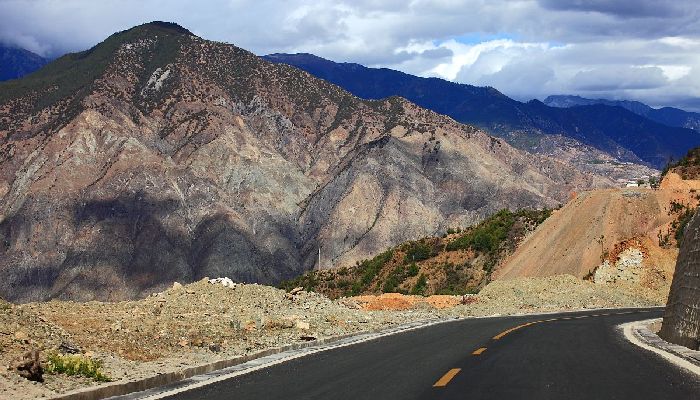
- After completing the Lijiang segment, head north to delve into the Nujiang Grand Canyon or go trekking in Yubeng Village. These areas feature complex roads and dramatic altitude changes. It is advisable to seek support from experienced local guides or travel agencies (such as Yulong Travel Agency). They can adjust the itinerary based on real-time weather, road conditions, and the physical condition of the group members, ensuring safety.
Scenery along a road in Northwest Yunnan
Final Thoughtful Tips for Your Yunnan Altitude Journey
The allure of Yunnan is rooted in its rich geographical and cultural variety, with altitude acting as the axis that weaves this splendid tapestry. Altitude is not a hindrance to journeying, but rather an additional layer to comprehend this region. Through prior knowledge, thorough preparation, and adherence to one’s physical rhythm, each traveler can gracefully navigate altitude fluctuations, turning them into unforgettable travel adventures. Whether it’s ambling along the cobblestone streets of Lijiang’s old town or being awestruck by the golden hues on Meili Snow Mountain, a keen awareness of Yunnan’s elevations will be your most steadfast companion. For those seeking a customized itinerary that takes into account the pace of acclimatizing to high altitudes, enlisting the help of a professional travel planning team can considerable reduce the time spent on research, ensuring that your journey through Yunnan’s highlands is anchored in safety and comfort right from the outset.