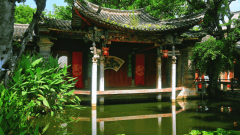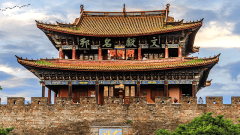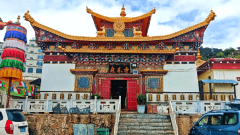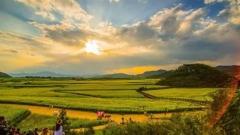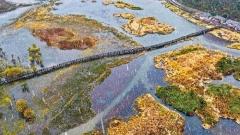

Yunnan, a mystical land situated in southwestern China, has become a highly sought-after destination for both domestic and international travelers. It is renowned for its distinctive natural landscapes, rich ethnic cultures, and pleasant climate. This guide provides a detailed itinerary for an 8-day classic panoramic tour covering four core destinations: Kunming, Dali, Lijiang, and Shangri-La. This well-structured route enables visitors to experience the diverse attractions of Yunnan within a limited timeframe. The itinerary skillfully balances appreciation of natural scenery with immersive cultural encounters, showcasing the essence of Yunnan’s tourism offerings. It progresses from the spring-like climate of Kunming and the majestic landscapes of Dali’s Cangshan Mountains and Erhai Lake, through the ancient Naxi cultural heritage of Lijiang, to the distinctive Tibetan atmosphere of Shangri-La. The total travel distance is approximately 1,200 kilometers.
Detailed Itinerary for the Classic Yunnan Route
Day 1: Arrival in Kunming – First Impressions of the Spring City
Upon arrival at Kunming Changshui International Airport, accommodation near Green Lake Park or the Jinma Biji Archway is recommended for convenient access to urban attractions. The afternoon can be spent visiting Green Lake Park (free admission), famous for its congregation of red-billed gulls during winter months. In the evening, proceed to the Jinma Biji Archway (free admission) to appreciate the historical cityscape and sample local specialties such as Cross-Bridge Rice Noodles and Steamed Pot Chicken.
Day 2: Kunming Highlights – The Stone Forest Geological Wonder
Depart in the morning for the Stone Forest Scenic Area, located 80 kilometers from the city center (entrance fee: 130 RMB; optional sightseeing bus: 25 RMB), allocating approximately 4 hours for exploration. Return to the urban area in the afternoon to visit Yunnan Ethnic Village (entrance fee: 90 RMB), which offers insights into the cultural traditions of 25 minority ethnic groups. In the evening, take the high-speed train to Dali (journey time approximately 2 hours) and check into accommodation near Dali Ancient Town.
Day 3: Experiencing Dali – Cangshan Mountains & Erhai Lake
Begin the day exploring Dali Ancient Town (free admission), visiting landmarks including Wuhua Tower and Foreigner Street. Subsequently, take the Gantong Cable Car for a tour of the Cangshan Mountains (combined entrance and cable car ticket: 260 RMB). The afternoon is dedicated to a circuit of Erhai Lake (transport options include electric sightseeing vehicles or jeep tours, costing approximately 200-400 RMB per person), with stops at notable sites like Xizhou Ancient Town and Shuanglang Ancient Town. In the evening, attend the large-scale live-performance spectacle “Impressions of Dali” (standard ticket: 280 RMB).
Day 4: Transition from Dali to Lijiang – A Cultural Journey
Travel by coach from Dali to Lijiang in the morning (journey time approximately 2.5 hours). In the afternoon, visit Lijiang Ancient Town (Old Town Maintenance Fee: 50 RMB), exploring Mu’s Mansion (entrance fee: 60 RMB) and Sifang Street to gain an understanding of Naxi culture. In the evening, proceed to the Lion Hill Observatory for a panoramic night view of the ancient town.
Day 5: Day Trip to Jade Dragon Snow Mountain
Dedicate the day to exploring the Jade Dragon Snow Mountain Scenic Area (mountain entry fee: 100 RMB; large cable car to Glacier Park: 180 RMB – advance reservation is essential). Visit attractions such as Blue Moon Valley and Spruce Meadow, and attend the “Impression Lijiang” outdoor performance (standard ticket: 280 RMB). Visitors should be mindful of potential altitude sickness; carrying portable oxygen canisters is advisable.
Day 6: Journey from Lijiang to Shangri-La – Ascending to the Plateau
Travel by coach to Shangri-La in the morning (journey time approximately 4 hours), enjoying scenic views en route, including the First Bend of the Yangtze River and Tiger Leaping Gorge (entrance fee: 45 RMB). Upon arrival in the afternoon, visit Dukezong Ancient Town (free admission) to see the world’s largest manually operated prayer wheel. Check into accommodation in Shangri-La’s urban area, allowing time for acclimatization to the altitude (3,300 meters).
Day 7: In-Depth Exploration of Shangri-La
Visit Pudacuo National Park in the morning (entrance fee: 138 RMB, includes mandatory sightseeing bus), with opportunities for walking around Shudu Lake and Bitahai Lake. In the afternoon, tour Songzanlin Monastery (entrance fee: 115 RMB), often referred to as the “Little Potala Palace,” to appreciate Tibetan Buddhist architecture and culture. The evening can feature a visit to a local Tibetan family (approximately 150 RMB per person, typically including dinner and a cultural performance).
Day 8: Departure or Extended Travel Options
Depart from Shangri-La Diqing Airport, or consider extending the itinerary based on available time. Potential extensions include visits to Meili Snow Mountain or Yubeng Village, or returning to Kunming for onward travel connections.

Shangri-La
Cost Breakdown and Budget Planning for the Classic Route
Major anticipated expenses for this itinerary include:
- Total Attraction Fees: Approximately 1,200 – 1,500 RMB per person (covering entrance fees, cable cars, performances, etc.)
- Transportation Costs: Inter-city travel (high-speed rail, coaches) approximately 800 RMB/person; local transportation (taxis, private car hire) approximately 500 RMB/person
- Accommodation: Mid-range standard hotels approximately 400-600 RMB/night, totaling 2,800-4,200 RMB for 7 nights
- Dining: Daily estimate 100-150 RMB, totaling 800-1,200 RMB for 8 days
- Miscellaneous Expenses: Travel insurance, souvenirs, contingency funds, etc., approximately 500 RMB
- Total Budget Reference: Budget-conscious travel: approximately 5,000-6,000 RMB/person; Comfort-level travel: approximately 8,000-10,000 RMB/person; Premium-level travel: 12,000 RMB and above/person. Allocating a 10-20% contingency fund is recommended.
Document Preparation and Entry Requirements
- Visitors from Hong Kong & Macau: Must possess a valid Home Visit Permit for Hong Kong and Macau Residents. No additional permits are required to visit the majority of tourist areas in Yunnan covered by this route.
- Visitors from Taiwan: Must possess a valid Mainland Travel Permit for Taiwan Residents. Similarly, no special permits are required for the areas included in this itinerary.
International Visitors:
- Must hold a valid passport with an appropriate Chinese visa (typically a Tourist “L” Visa).
- Essential Requirement: Travel to Tibetan ethnic areas such as Shangri-La requires an “Aliens’ Travel Permit,” which must be applied for in advance through a registered travel agency.
- While certain border regions may necessitate additional permits, the areas on this itinerary are generally accessible.
- It is advisable to initiate relevant application procedures at least 30 days prior to travel. Engaging a licensed travel agency to arrange the itinerary can significantly simplify this process.
Highlights of Key Scenic Areas on the Classic Route
Kunming Attraction Cluster:
The Stone Forest Scenic Area is a UNESCO World Natural Heritage site, celebrated for its extraordinary karst topography and widely regarded as a premier global geological wonder.
Yunnan Ethnic Village functions as an introductory platform to the diverse cultures of Yunnan’s ethnic minorities, featuring daily presentations of traditional song, dance, and festival customs from various groups.
Dali Attraction Cluster:
Dali Ancient Town, nestled against the Cangshan Mountains and facing Erhai Lake, served as the historic capital of the Nanzhao and Dali kingdoms.
The Cangshan Mountains, with their nineteen peaks and eighteen streams, constitute a dramatic natural panorama. Erhai Lake, a vast alpine lake, offers a scenic 120-kilometer perimeter drive passing through villages and towns each possessing unique characteristics.
The Three Pagodas of Chongsheng Temple stand as iconic symbols of Dali, with a history extending over a millennium.
Lijiang Attraction Cluster:
Lijiang Ancient Town is a UNESCO World Cultural Heritage site, exceptionally well-preserved in its traditional Naxi architectural style and historic water-course network.
Jade Dragon Snow Mountain represents the southernmost major snow-capped massif in the Northern Hemisphere, featuring thirteen peaks with the highest, Shanzidou, reaching 5,596 meters.
Shuhe Ancient Town offers a more subdued and tranquil atmosphere compared to the larger Dayan Old Town, retaining a stronger sense of traditional Naxi daily life.
Shangri-La Attraction Cluster:
Pudacuo National Park, established as China’s first national park, protects a pristine high-altitude wetland ecosystem.
Songzanlin Monastery is the largest Tibetan Buddhist monastery in Yunnan, notable for its imposing and grand architectural presence.
Dukezong Ancient Town, reconstructed following a fire in 2014, continues to preserve its distinctive Tibetan architectural character and cultural environment.

Jade Dragon Snow Mountain
Analysis of Core Advantages of the Classic Yunnan Route
Advantage 1: Exceptional Landscape Diversity
This itinerary efficiently showcases the most representative landscapes of Yunnan within an 8-day framework. It progresses from the karst formations of Kunming and the lake scenery of Dali to the mountainous terrain of Lijiang and the plateau grasslands of Shangri-La. This condensed journey provides exposure to nearly all of Yunnan’s primary natural landscape categories, delivering a highly varied visual experience.
Advantage 2: Multi-Layered Cultural Immersion
The route passes through regions inhabited by several ethnic groups, including the Han, Bai, Naxi, and Tibetans. Travelers have the opportunity to engage with diverse cultural expressions, such as the Bai people’s Three-Course Tea ceremony in Dali, the ancient Naxi music in Lijiang, and Tibetan performing arts in Shangri-La. This offers a profound insight into Yunnan’s status as a veritable “museum of ethnic cultures.”
Advantage 3: Scientifically Structured Travel Pace
The itinerary is carefully designed following the principle of gradual altitude acclimatization, ascending progressively from Kunming (1,800 meters) to Shangri-La (3,300 meters). This approach aids physiological adaptation and helps minimize the risk of altitude sickness. Time allocation at each destination is calibrated to avoid undue haste while maintaining engagement and interest.
Advantage 4: Well-Established Tourism Infrastructure
This route connects some of Yunnan’s most developed tourist regions. Consequently, transportation networks, accommodation options, dining facilities, and related services are comprehensive and of reliable standard. This makes the itinerary particularly suitable for first-time visitors to Yunnan or travelers with time constraints.
Advantage 5: Year-Round Suitability
Yunnan’s climate is temperate. Except for colder conditions at high altitudes during winter, this route is generally suitable for travel throughout the year. Each season presents distinct attractions: floral displays in spring, a cool retreat in summer, autumn foliage, and winter snowscapes, ensuring appeal across all seasons.
Practical Tips and Important Considerations for the Classic Route
Altitude Sickness Prevention:
- Refrain from strenuous physical activity within the first 24 hours upon reaching high altitude.
- Maintain hydration, adopt a pattern of frequent small meals, and avoid alcohol consumption.
- Consider consulting a physician regarding preventive medications such as Rhodiola Rosea or acetazolamide.
- Should symptoms like headache or nausea develop, cease activity to rest and seek medical assistance if symptoms persist or worsen.
Clothing and Gear Recommendations:
- Temperatures can vary significantly within a single day; carrying warm layers even in summer is essential.
- Employ a layered clothing system: a moisture-wicking base layer, an insulating mid-layer, and a protective outer layer against wind and rain.
- Essential items: High-SPF sunscreen (SPF50+), sunglasses, a wide-brimmed hat, and lip balm.
Optimal Conditions for Photography:
- Due to intense sunlight, the hours around dawn and dusk are recommended for photography to avoid harsh contrast.
- The periods shortly after sunrise and before sunset provide particularly favorable lighting conditions.
- Noteworthy photographic subjects include the night view of Lijiang Ancient Town, sunrise over Erhai Lake, and the morning atmosphere at Songzanlin Monastery.
Culinary Hygiene and Local Specialties:
- Exercise caution regarding food hygiene; it is prudent to avoid uncooked or cold dishes.
- Recommended local specialties to sample: Cross-Bridge Rice Noodles, Wild Mushroom Hotpot, Lijiang Baba (a type of pastry), and Tibetan Butter Tea.
- When purchasing local products or souvenirs, patronize established retailers and retain purchase receipts.
Practical Transportation Information:
- Inter-city travel within Yunnan is efficiently served by high-speed rail and expressway networks; advance booking is strongly advised.
- For transportation within scenic areas, options include hiring a private vehicle with a driver or joining organized local day tours.
- While self-driving is possible, note that mountain roads can be demanding; this option is not recommended for drivers unfamiliar with such conditions.
The 8-day Panoramic Tour Takes You on a Journey Through Yunnan
This 8-day classic panoramic tour offers a comprehensive and well-structured introduction to Yunnan, making it an excellent choice for first-time visitors. The journey provides a logical progression from the temperate climate of Kunming, through the culturally rich landscapes of Dali and Lijiang, culminating in the high-altitude ambiance of Shangri-La. The carefully planned altitude ascent, diverse scenery, and exposure to multiple cultures collectively present the multifaceted appeal of “Colorful Yunnan.” The itinerary is reasonably priced and thoughtfully paced, incorporating both natural wonders and significant cultural sites.
The optimal periods for visiting Yunnan are spring (March to May) and autumn (September to November), when climatic conditions are most favorable. Nevertheless, the route offers rewarding experiences throughout the year.
Ultimately, a journey through Yunnan transcends mere sightseeing; it offers an opportunity for personal reflection and enrichment. Visitors are encouraged to travel thoughtfully, seeking to understand the context of the places they visit, respecting the local environment and cultural norms, and allowing the experience to contribute to broader personal understanding.
We extend our best wishes to every traveler embarking on an exploration of Yunnan’s captivating landscapes and cultures. May you discover inspiration and return with lasting memories. Yunnan awaits future journeys of discovery.