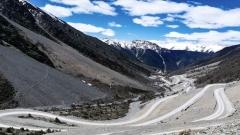

Yunnan, located in southwest China, is famously known as the “Land of Colorful Clouds.” Its complex terrain and dramatic elevation changes, ranging from low-lying river valleys to snow-capped highlands, create an unparalleled diversity in Yunnan’s four seasons weather. For travelers planning a trip to Yunnan, understanding the “four seasons weather of Yunnan” is not only crucial for itinerary planning but also key to ensuring a high-quality travel experience.
We will explore spring, summer, autumn, and winter, providing a detailed analysis of Yunnan’s seasonal climate characteristics, suitable cities and attractions, recommended clothing, and travel tips, helping you experience Yunnan at its most beautiful time.
Spring in Yunnan – Blooming Highlands, Awakening Colors (March–May)
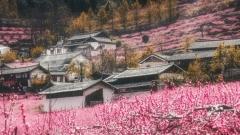
Spring in Yunnan is like a highland painting slowly coming to life. The winter chill fades, temperatures rise comfortably, and the air is crisp and clear. Snow still lingers on the mountains, while valleys and lakesides are covered with fresh green foliage and blooming flowers, creating a natural landscape rich in layers.
In spring, Kunming reveals its “Spring City” charm, with parks and streets dotted with flowers under the blue sky; Dali’s Erhai Lake is gently caressed by spring winds, with mist floating over the Cangshan Mountains; Lijiang Old Town is serene under the soft sunlight; and Luoping’s vast rapeseed flower fields stretch to the horizon, forming one of Yunnan’s most iconic spring scenes.
Yunnan’s spring weather is dry, comfortable, and features significant day-night temperature differences, making it ideal for photography, city strolls, and combined nature sightseeing.
- Daytime temperature: 18–25°C
- Nighttime temperature: 8–15°C
Climate characteristics:
Warm and sunny during the day, while mornings and evenings are cool. In higher-altitude areas such as Lijiang and Shangri-La, nighttime temperatures may drop to around 5°C.
Clothing tips:
Long sleeves with a light jacket; extra layers needed in the early morning and evening.
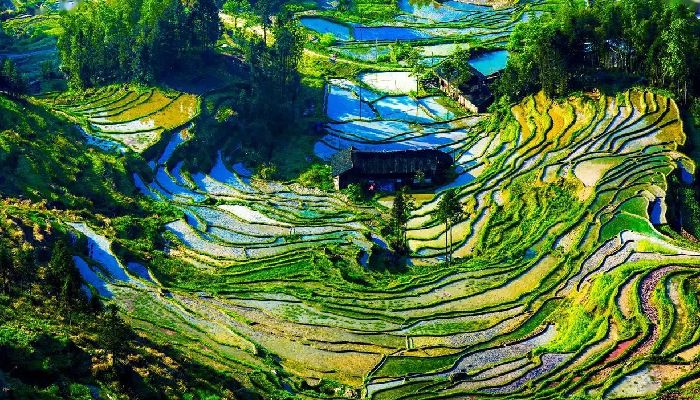
Yunnan Spring Terraced Fields
Summer in Yunnan – Lush Rain and Life (June–August)
Summer marks the rainy season in Yunnan, bringing the lushest greenery of the year. Afternoon showers help cool the highlands, keeping the climate pleasantly fresh. Forests, meadows, and valleys thrive under the rain’s nourishment.
In summer, Shangri-La’s highland meadows turn deep green, dotted with yaks; Puzhehei’s water towns see lotus blossoms, with reflections of clouds on the lakes; Xishuangbanna’s rainforests are humid and vibrant, with waterfalls flowing abundantly; Tengchong’s volcanic landscapes and hot springs appear mystical in the light mist.
Although it is the rainy season, summer rainfall is mostly brief and does not significantly affect travel plans. This season is ideal for cooling escapes and experiencing Yunnan’s natural ecology.
- Daytime temperature: 22–28°C
- Nighttime temperature: 15–20°C
Climate characteristics:
Afternoon showers are common and help cool the air. Even in midsummer, daytime temperatures in Kunming and Dali rarely exceed 30°C.
High-altitude note:
In Shangri-La, daytime temperatures are typically 18–22°C, while nighttime temperatures may fall below 10°C.
Clothing tips:
Short sleeves with a waterproof jacket; bring a light jacket for the evening.

Lijiang in Yunnan
Autumn in Yunnan – The Sky is High, Colors Are Pure (September–November)
Autumn is considered the best season to travel in Yunnan. With the rainy season over, the air becomes crystal clear, the skies are deep blue, and mountain contours are sharply defined. The rich light and shadow make it a golden period for photography and deep exploration.
In autumn, Lijiang presents a perfect balance between the snow-capped mountains and the old town; Meili Snow Mountain is at its prime for observing the sun-kissed peaks; Yuanyang Terraces mirror the sky with mist and terraced fields interwoven into a dreamlike scene; ancient towns like Jianshui and Shaxi exude calm and tranquility under the autumn sunlight.
With stable weather and moderate temperatures, autumn is the best time for extended outdoor activities and multi-destination itineraries across Yunnan.
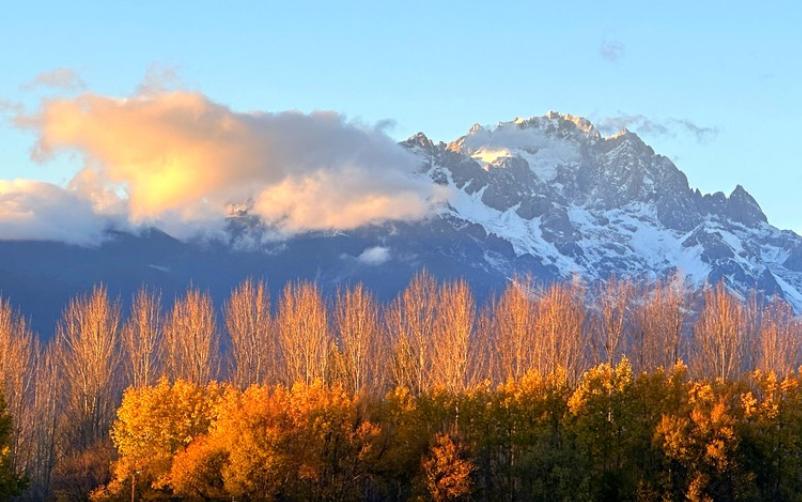
Winter in Yunnan – Sunny Highlands, Quiet and Gentle Landscapes (December–February)
Winter in Yunnan is far from the harsh cold seen in northern China. Most areas enjoy abundant sunshine, dry air, warm daytime temperatures, and slightly chilly nights.
In winter, Kunming welcomes flocks of red-billed gulls at Dianchi Lake, adding life to the city; Yuanyang Terraces enter the water-filling period, reflecting the sky in layered fields; Tengchong’s hot springs are at their most enjoyable; Lijiang and Shangri-La may experience snow, highlighting the solemn and pure Tibetan culture.
Yunnan’s winter weather is stable and clear, making it suitable for slow-paced travel, cultural experiences, and photography.
- Daytime temperature: 12–20°C
- Nighttime temperature: 0–8°C
Climate characteristics:
Sunny and relatively warm during the day, with chilly nights. Frost and snowfall may occur in high-altitude regions.
Regional differences:
- Kunming: Day 15–20°C | Night 5–8°C
- Lijiang: Day 10–15°C | Night 0–5°C
- Shangri-La: Day 5–10°C | Night -10–0°C
Clothing tips:
Down jackets or thick coats are essential; proper cold-weather gear is required in high-altitude areas.
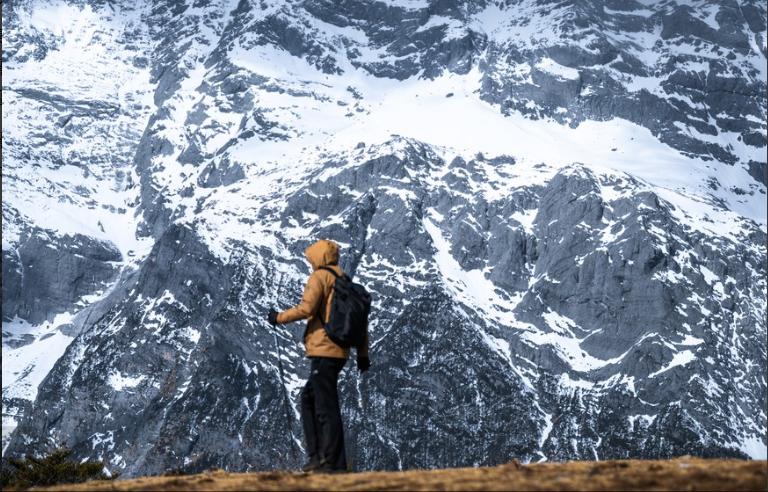
Major Attractions – Yunnan’s Seasonal Beauty
- Kunming – The Gentle Highland City Across All Seasons
Kunming’s four seasons are balanced, with minimal extreme weather. In spring, flowers brighten the city; summer remains cool with afternoon clouds; autumn skies are clear, and winter brings flocks of gulls to Dianchi Lake, adding life to the urban scenery.
Tips: High UV year-round; suitable as the starting point to adapt to highland climate. - Dali – Seasonal Variations Between Lake and Mountains
Dali’s beauty comes from the conversation between Cangshan Mountains and Erhai Lake. Spring brings calm lake waters reflecting snow-capped mountains; summer clouds deepen the water color; autumn sees gentle winds and clear waters; winter is quieter with snow lines descending.
Tips: Summer water activities need caution; winter mornings and evenings are chilly. - Lijiang Old Town – Time Slowly Flows with the Seasons
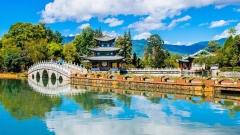
Lijiang presents a gentle rhythm year-round. Spring is dry and bright, summer brings rain and vivid colors, autumn provides clear skies with snow peaks, and winter mornings are cold but the town remains calm.
Tips: Watch out for slippery roads in the rainy season; book accommodation in advance during peak periods. - Jade Dragon Snow Mountain – Seasonal Expressions
Spring reveals clear snow lines; summer has mist and hidden peaks; autumn offers maximum visibility; winter is closest to a “winter wonderland.”
Tips: Always prepare warm clothing; avoid overly tight schedules due to high altitude. - Shangri-La – The Ultimate Highland Seasonal Showcase
Spring melts snow and revives meadows; summer turns grasslands vibrant; autumn brings golden tones and clear skies; winter blankets the land in snow, accentuating Tibetan solemnity.
Tips: High altitude requires adaptation time; winter roads may be icy – guided tours recommended. - Yuanyang Terraces – Four Worlds in Four Seasons
Spring brings planting with mirrored water; summer is deep green with mist; autumn is golden with ripe rice; winter water mirrors the sky.
Tips: Best photography at sunrise and sunset; bring warm clothing in winter. - Xishuangbanna – Seasonal Rhythms of Tropical Rainforest
Spring is stable and suitable for first-time visitors; summer is lush with full waterfalls; autumn is comfortable with lower humidity; winter is warm and ideal for avoiding cold elsewhere.
Tips: Bring mosquito repellent; rain gear is essential in the wet season.
Suggested 8-Day Yunnan Itinerary: Kunming – Dali – Lijiang – Shangri-La
- Day 1: Arrive in Kunming. Begin your journey at the Golden Temple on Mingfeng Mountain, a famous Taoist complex cast entirely in bronze. Later, stroll through Bibo Park, known as “Kunming’s Jade.” Nearby, enjoy Yunnan cuisine at the historic Jade Pavilion Restaurant, a Ming-dynasty landmark.
- Day 2: Visit Zhuanxin Farmers’ Market, the largest market in Kunming and Yunnan, where locals shop daily for fresh produce, meat, seafood, and fruits. Then travel to the Stone Forest, a stunning example of China’s karst landscape.
- Day 3: Explore Dali’s Bai ethnic villages and ancient city. Walk along stone-paved streets, admire traditional residences, and visit the Three Pagodas. Later, enjoy cycling along the Erhai Ecological Corridor near Longkan Pier.
- Day 4: Visit Xizhou Bai Courtyard, experience traditional tie-dye craftsmanship, then travel to Lijiang and explore Lijiang Old Town, especially beautiful at night under glowing red lanterns.
- Day 5: Visit Baisha Ancient Town, once the Naxi capital. Experience Naxi family life and admire well-preserved murals blending Naxi, Han, and Tibetan styles.
- Day 6: Travel to Shangri-La, visiting the First Bend of the Yangtze River, Shigu Town, and Tiger Leaping Gorge.
- Day 7: Explore Songzanlin Monastery, the largest Tibetan Buddhist monastery in Yunnan, often called the “Little Potala Palace.” Continue to Pudacuo National Park, home to forests, grasslands, lakes, and wildlife.
- Day 8: Depart from Shangri-La.
Visit Yunnan in the Season That Suits You
Yunnan’s dramatic elevation changes create distinct seasonal scenery across the province — from tropical rainforests to snow-capped highlands. Knowing the weather patterns and regional differences helps you plan a smoother, more rewarding trip. For personalized itineraries, timing advice, or expert local support, contact China Dragon Travel and let us help you discover Yunnan at its best.