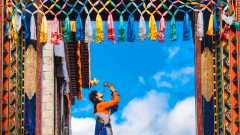

When people think of Yunnan, destinations like Dali and Lijiang often come to mind. However, for travelers seeking a more authentic and immersive experience, the true charm of Yunnan lies in its lesser-known regions—Nujiang, Shaxi Ancient Town, and the border cities of Ruili and Mangshi. These destinations remain largely untouched by mass tourism, preserving raw natural landscapes, ancient cultural heritage, and vibrant ethnic traditions.
Yunnan Specialty Region – Nujiang: Pristine Natural Landscapes
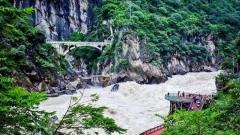
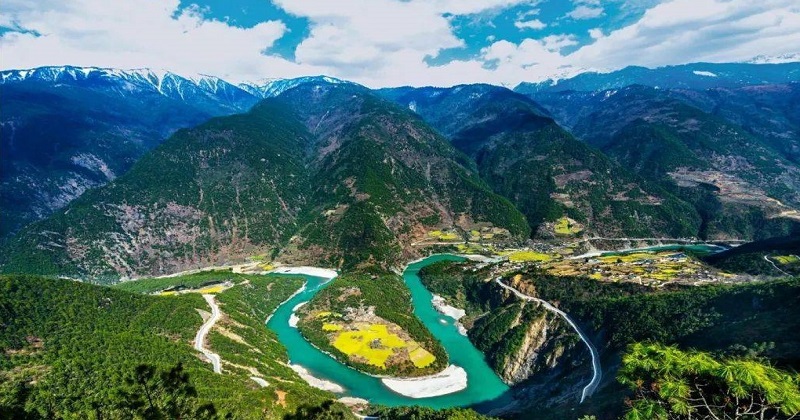
Tucked away in the deep folds of the Hengduan Mountains in northwest Yunnan, the Nujiang River basin is one of China’s few remaining largely uncommercialized, pristine natural landscapes. The Nujiang Grand Canyon ranks alongside the United States’ Grand Canyon and the Yarlung Tsangpo Grand Canyon as one of the world’s longest and most enigmatic alpine canyons. Here, you won’t find overdeveloped tourist facilities or crowded viewing platforms—only raw, unfiltered beauty: snow-capped mountains, dramatic gorges, rushing rivers, ancient forests, and the intact indigenous cultures of multiple ethnic minorities. It is the perfect destination for nature lovers and seasoned travelers seeking an off-the-beaten-path adventure.
The First Bend of the Nujiang River & Bingzhongluo
As the Nujiang River flows near Bingzhongluo, it is forced into a dramatic, near-perfect semicircular bend by towering cliff faces, creating one of China’s most breathtaking river landscapes. Emerald green waters wrap around lush, terraced fields and traditional villages, and when morning mist drifts across the valley, the scene feels like a fairy tale come to life. Bingzhongluo is revered locally as “a land where humans and deities coexist”, home to the Lisu, Nu, and Tibetan ethnic groups, among others. What makes this place truly unique is its harmonious coexistence of Catholicism, Protestantism, Tibetan Buddhism, and indigenous animist faiths. At the foot of the Biluo Snow Mountains sits Laomudeng Church, a simple, rustic building that blends seamlessly into the dramatic mountain backdrop. Weekly worship services here offer a rare glimpse into the pure, unshakable faith of the local communities.
Dulongjiang Secret Realm
This remote valley is the ancestral homeland of the Derung ethnic minority, and one of China’s best-preserved primitive ecological zones. The crystal-clear Dulong River winds between the Gaoligong and Dandanglika Mountains, flanked by endless stretches of virgin forest and snow-capped glaciers, with the crisp, fresh air filled with the scent of wild grass and damp earth. The valley is also famous for preserving the unique cultural tradition of facial tattooing among Derung women, a practice that dates back centuries. Visiting the primitive villages here, you can experience the simple, authentic life of the border communities, making it one of the most rare and unspoiled travel destinations in China.
In-Depth Canyon Experiences
Self-driving along the Nujiang Grand Canyon is the most iconic way to experience this landscape, with around every bend offering a new spectacular view: cascading waterfalls, hidden ancient villages tucked into the mountainsides, and the endless dramatic canyon scenery. For those who prefer to explore on foot, there are gentle hiking routes in the Gaoligong Mountains, where you can trek through virgin forests and soak in natural hot springs, feeling the raw power of nature up close. No trip to Nujiang is complete without trying the local specialty dishes, including lacquer oil chicken, hand-caught rice, and fire-roasted wrapped fish, each bite offering a taste of the region’s authentic local culture and terroir.
Essential Travel Tips
The best time to visit is from October to May each year; it is strongly advised to avoid the rainy season from June to September, when landslides are common and can disrupt travel plans. Road conditions in the canyon area can be challenging, so self-drivers should choose a vehicle with high ground clearance. When visiting ethnic minority villages, always respect local customs and traditions, and ask for explicit permission before photographing the facial tattooed Derung women.
Nujiang River
Yunnan Specialty Region – Shaxi Ancient Town: A Serene Ensemble of Ancient Architecture
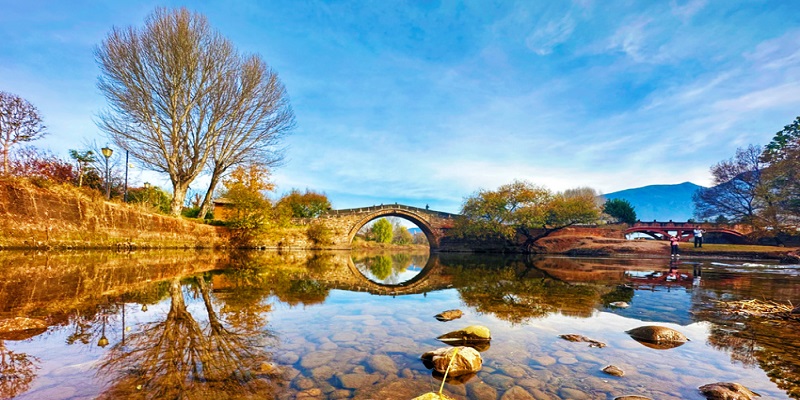
Nestled between Dali and Lijiang in Jianchuan County, Shaxi Ancient Town is the only surviving ancient market town on the historic Tea Horse Road, and one of China’s few ancient towns that has escaped the ravages of over-commercialization. Unlike the bustling, tourist-filled streets of Dali and Lijiang, time seems to have stood still in Shaxi for hundreds of years. The town boasts a perfectly preserved complex of Bai ethnic architecture from the Ming and Qing dynasties, with bluestone lanes, an ancient opera stage, centuries-old temples, and traditional courtyard homes blending together to create an atmosphere of timeless, gentle historical charm. It is the perfect destination for travelers seeking peace, quiet, and a deep appreciation for ancient architectural beauty.
Sideng Street Core Ancient Architecture Complex
Sideng Street is the heart and soul of Shaxi Ancient Town, listed on the World Monuments Watch, and the core carrier of Tea Horse Road culture. At the center of the Square Street stands the ancient opera stage, the town’s most iconic landmark. With its upturned eaves and exquisite wood carvings, the stage has been perfectly preserved for hundreds of years, and still hosts traditional Bai ethnic opera performances during festivals. Opposite the stage sits Xingjiao Temple, the largest and best-preserved Ming dynasty temple of the Azhali Buddhist sect of the Bai ethnic group in China. The intricate wood carvings and murals inside the temple halls are masterpieces of ancient craftsmanship, brimming with the weight of history.
Centuries-Old Bai Ethnic Courtyard Homes
Shaxi Ancient Town is home to a large number of perfectly preserved Bai ethnic courtyard homes from the Ming and Qing dynasties, the most representative of which is the Ouyang Courtyard. Once the residence of a wealthy Tea Horse Road merchant in the late Qing and early Republican era, the courtyard retains the classic Bai ethnic architectural layout of “three houses and one decorative screen wall”. The intricate carvings, paintings, and detailed window and door designs have remained vivid and intact for over a century, and stepping inside feels like stepping back into the bustling heyday of the Tea Horse Road. Many of these ancient courtyards have now been converted into boutique guesthouses, allowing visitors to stay in a centuries-old building and immerse themselves in the slow pace of life in Shaxi.
Tea Horse Road Cultural Experiences
As a key post on the ancient Tea Horse Road, Shaxi is surrounded by well-preserved sections of the historic trail. Visitors can ride horses along the same routes that caravans once traveled, passing through rice fields, streams, and mountain forests to retrace a fragment of the ancient trade route. Not far from the town lies the Shizhong Mountain Grottoes, known as the “Dunhuang of Southwest China”, which house exquisite stone carvings from the Nanzhao and Dali kingdoms, offering an unparalleled window into the ancient history and culture of Yunnan. For a more laid-back experience, wander the local morning market to buy fresh produce and handcrafted goods, then sit in a café on Square Street and soak up the sun, enjoying the ultimate healing slow travel experience.
Essential Tips
The best time to visit is spring and autumn, when the weather is mild and pleasant, and tourist numbers are low. Motor vehicles are prohibited inside the ancient town, so visitors must park their cars in the parking lots outside the town gates. When exploring, please do not disturb the daily lives of local residents, and take care to protect the ancient architectural structures.
Shaxi Ancient Town
Yunnan Specialty Regions – Ruili and Mangshi: Exotic Borderland Charm
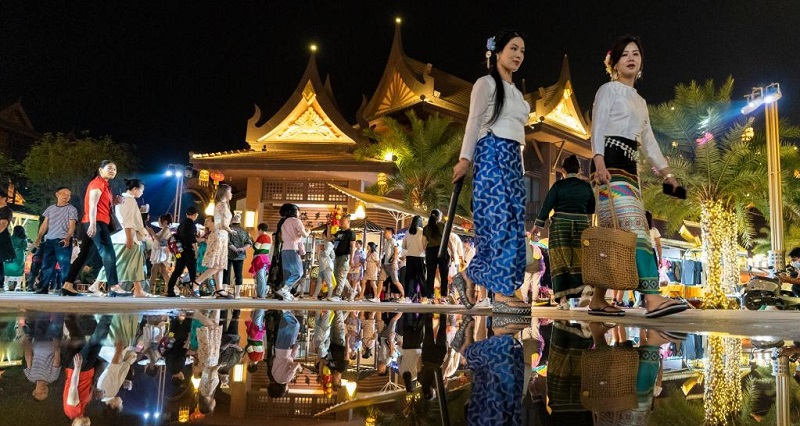
Located in Dehong Dai and Jingpo Autonomous Prefecture in western Yunnan, bordering Myanmar, Ruili and Mangshi are key port cities on China’s southwestern border. Far from the formality of inland Chinese cities, these destinations are brimming with vibrant Theravada Buddhist architecture, lush tropical vegetation, and the living culture of local ethnic minorities. Here, the cultures, cuisines, and lifestyles of China and Myanmar blend seamlessly together, offering visitors the chance to experience rich Southeast Asian exoticism without leaving China. It is an unmissable destination for anyone fascinated by border culture and diverse ethnic traditions.
Mangshi: The Dawn City with Southeast Asian Flair
Mangshi, the capital of Dehong Prefecture, is also known as the “Dawn City”, and is the perfect first stop to experience border culture. In the city center, the Menghuan Golden Pagoda is the largest hollow Buddhist pagoda in Asia. This gleaming golden Theravada Buddhist structure sits atop Leiyarang Mountain, overlooking the entire city of Mangshi, and is particularly spectacular at sunset, when the golden pagoda glows against the colorful evening sky. Next door, the Menghuan Silver Pagoda is a stunning contrast, with its pure white exterior and elegant, minimalist lines. When lit up at night, it feels like a fairy tale realm fallen to earth, making it the perfect place to experience Theravada Buddhist culture and capture stunning exotic photos. Another must-see wonder in the city is the Tree-Wrapped Pagoda, where over 200 years, the roots of a banyan tree have grown completely around and merged with the Buddhist pagoda, creating a unique scene of tree and pagoda coexisting in harmony, a sacred site for local people to pray for blessings.
Ruili: A Village Spanning Two Nations
Ruili is the most important port city on the China-Myanmar border, and its most iconic attraction is the “One Village, Two Countries” site. This village is split in two by the China-Myanmar border: the part inside China is called Yinjing, and the part in Myanmar is called Mangxiu. Villagers on both sides speak the same language, share the same customs, and have intermarried and traded with each other for generations. Here, you can see unique sights like “one well for two countries”, “one swing for two countries”, and “one house spanning two countries”. Walking through the village, you can experience the living, breathing reality of cross-border life, taste authentic Myanmar snacks, and buy unique Southeast Asian handicrafts. In addition, the Wanding Bridge and Ruili Port Gate are must-visit sites. Wanding Bridge bears witness to the extraordinary history of the Burma Road during World War II, while the Ruili Port Gate offers a glimpse into the bustling energy of cross-border trade, with duty-free shops nearby where you can buy specialty goods from Myanmar and Thailand.
Border Cuisine & Cultural Experiences
The cuisine of Dehong is the soul of its border culture, blending the flavors of the Dai and Jingpo ethnic groups with Burmese culinary traditions, featuring bold, sour, spicy, and fresh flavors bursting with tropical vibrancy. Must-try dishes include Dai-style hand-caught rice, Jingpo ethnic leaf-wrapped feast, sa pie (a spicy bitter herb noodle dish), pa luoda (a creamy coconut dessert), Myanmar-style crispy pancakes, and lemon-pounded chicken feet, each bite offering a unique taste of the border region. The most lively times to visit are during the annual Water Splashing Festival in April and the Munao Zongge Festival in the first lunar month, where you can immerse yourself in the warmth and vitality of the local ethnic minorities and create unforgettable travel memories.
Essential Border Travel Tips
You must carry your ID card with you at all times when traveling in border areas, as ID checks are required in many locations. Strictly abide by border management regulations, and never cross the national border line without permission. The best time to visit is from October to April each year. The local climate is hot and tropical, so be sure to take adequate sun protection and insect repellent when traveling.
Yunnan Mangshi
Discover the Real Yunnan Through Its Hidden Destinations
Traveling through Yunnan’s hidden gems offers a completely different perspective from the typical tourist routes. Whether you are exploring the untouched wilderness of Nujiang, wandering through the quiet streets of Shaxi, or experiencing the unique cultural blend in Ruili and Mangshi, each journey reveals a deeper connection to the region. These destinations invite you to slow down, explore beyond the surface, and truly experience the soul of Yunnan. For travelers looking for a seamless and personalized journey, China Dragon Travel can help design tailor-made itineraries to bring these extraordinary places to life.