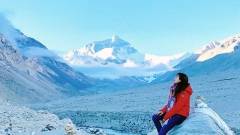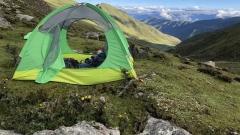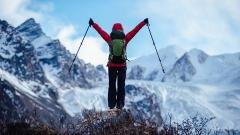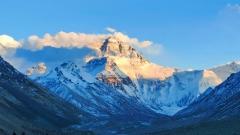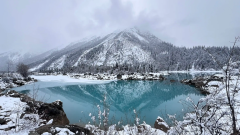

How do you travel overland from Yunnan to Tibet, and which route is best for your journey? This is one of the most frequently searched questions among road trip enthusiasts and adventure travelers. Stretching from the Yunnan–Guizhou Plateau to the Tibetan Plateau, this epic journey showcases a dramatic transformation in landscapes and cultures. As of 2026, two primary routes connect Yunnan and Tibet: the classic and well-developed Yunnan–Tibet Highway, and the convenient New Yunnan–Tibet Corridor. Each offers unique scenery and travel experiences, catering to different levels of comfort and exploration.
Comparison of the Two Tibet Overland Routes
While both routes start in Yunnan and end in Lhasa, they differ significantly in length, road conditions, scenery, and target travelers. Understanding these differences will help you choose the perfect route for your 2026 adventure.
Classic Yunnan-Tibet Route (G214 to G318)
This route spans approximately 1,700 to 2,300 kilometers, with a recommended travel duration of 9 to 12 days. Boasting fully paved asphalt roads throughout, it’s perfectly accessible for regular sedans—no 4×4 required. The elevation increases gradually, making it the top choice for first-time Tibet travelers, as it significantly reduces the risk of altitude sickness. You’ll find abundant amenities along the way: comfortable accommodations ranging from budget guesthouses to luxury resorts, diverse dining options featuring local and international cuisine, and well-developed tourist facilities. The landscape blends snow-capped mountains, rolling grasslands, crystal-clear lakes, and lush forests, with rich cultural highlights in popular destinations like Dali, Lijiang, and Shangri-La. This route is not only a feast for the eyes but also a cultural corridor that has witnessed thousands of years of history along the ancient Tea Horse Road, where caravans once carried tea and silk between Yunnan and Tibet.
New Yunnan-Tibet Corridor (Bingchacha Route)
Covering 1,100 to 2,055 kilometers, this route takes 7 to 10 days to explore thoroughly. Its core section—from Bingzhongluo to Chayu (270 kilometers)—was fully paved with asphalt in 2026, making it easily navigable even for regular cars. Approximately 259 kilometers shorter than the classic route, it features more dramatic elevation changes but a lower overall average altitude, allowing travelers to acclimatize faster. With far fewer tourists than the classic route, it preserves untouched wilderness and hidden gems that feel like they’ve been frozen in time. This route is ideal for adventure seekers craving off-the-beaten-path experiences, a taste of rugged overlanding, and the chance to connect with nature in its purest form. You’ll drive through remote valleys, past ancient villages, and over high mountain passes with stunning panoramic views that you won’t find on the more crowded classic route.
Classic Yunnan-Tibet Route: An Epic Journey of Culture and Nature
The classic Yunnan-Tibet route is the most popular overland route to Tibet, and for good reason. It takes you from the romantic landscapes of Yunnan to the sacred city of Lhasa, passing through some of the most beautiful and culturally significant destinations in southwest China.
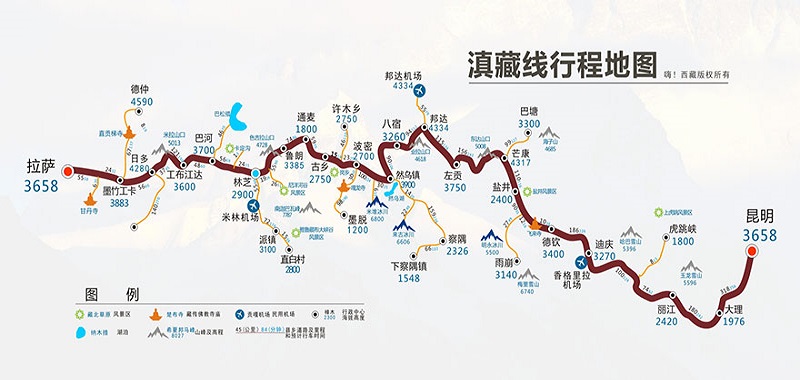
Classic Yunnan-Tibet Route
Yunnan Section: From Romantic Landscapes to Snow-Capped Sanctuaries
The Yunnan section of the route is a gradual introduction to the high altitude, with stunning scenery and rich cultural experiences at every turn.
Kunming to Dali
Start your journey in Kunming, Yunnan’s capital and a perfect pre-trip supply hub where you can stock up on all essentials, from snacks and water to warm clothing and medications. From there, head to Dali, where the ancient city’s grey-tiled roofs and white walls contrast beautifully with the shimmering waters of Erhai Lake. Wander through the cobblestone streets of Dali Old Town, sample the traditional Bai people’s Three-Course Tea—a symbolic ceremony representing bitterness, sweetness, and aftertaste—or rent a bicycle to cycle around Erhai Lake. Immerse yourself in Dali’s famous “wind, flowers, snow, and moon” romantic atmosphere, which has inspired poets and artists for centuries.
Dali to Lijiang
Next, drive to Lijiang, a UNESCO World Heritage Site built on a hillside with winding canals, stone bridges, and traditional wooden houses. At night, the lively bar street comes alive with music and laughter, offering a mix of local and international entertainment. Just north of the city stands Jade Dragon Snow Mountain, a sacred peak revered by the Naxi people. Don’t miss Tiger Leaping Gorge, one of the world’s deepest canyons, where the roaring Yangtze River rushes through narrow rock walls—an awe-inspiring display of nature’s power that will leave you breathless.
Lijiang to Shangri-La
The drive to Shangri-La takes you past the stunning First Bend of the Yangtze River at Benzilan, where the river forms a perfect omega shape against the mountain backdrop. Known as “the Pure Land on Earth,” Shangri-La is a magical place that feels like it’s straight out of a fairy tale. Visit the ancient Dukezong Old Town, which houses the world’s largest prayer wheel—you can join locals in turning it to accumulate good fortune. Don’t miss Songzanlin Monastery, often called the “Little Potala Palace,” a magnificent Tibetan Buddhist complex that’s home to hundreds of monks and offers a fascinating insight into Tibetan religious life.
Shangri-La to Deqin
Cross the Baima Snow Mountain Pass (4,292 meters above sea level) to catch your first glimpse of the majestic Meili Snow Mountains. Feilai Temple is the best spot to witness the iconic “Golden Sunrise” over Kawagarbo Peak—when the first rays of sunlight paint the snow-capped summit in brilliant gold, it’s a breathtaking, once-in-a-lifetime sight that will stay with you forever. Many travelers wake up before dawn to wait for this magical moment, and the sense of awe and wonder when the sun hits the peak is indescribable.
Tibet Section: From Eastern Tibet’s Gateway to the Holy City of Lhasa
Once you cross into Tibet, the landscape becomes more rugged and dramatic, with towering snow-capped mountains, vast grasslands, and sacred lakes.
Deqin to Markam
Cross into Tibet and your first stop is Yanjing, famous for its 1,000-year-old ancient salt pans. The striking red salt terraces cascade down the banks of the Lancang River, a remarkable testament to the harmony between humans and nature. Local families have been making salt here using traditional methods for generations, and you can watch them at work and even buy some of the hand-harvested salt as a souvenir. After crossing the Hongla Mountain Pass (4,448 meters), you’ll reach Markam, the intersection of the Yunnan-Tibet and Sichuan-Tibet routes and a crucial supply stop where you can refuel, stock up on supplies, and rest.
Markam to Ranwu
This challenging stretch takes you over three high passes: Lawu Mountain, Jueba Mountain, and Dongda Mountain (5,130 meters)—the highest point on the southern Sichuan-Tibet route. You’ll also navigate the famous Nujiang 72 Turns, a series of hairpin bends that test even experienced drivers. The reward for this challenging drive is Ranwu Lake, one of the most beautiful lakes on the route, with crystal-clear waters that mirror the surrounding snow-capped mountains and lush forests. The lake changes color throughout the day, from deep blue in the morning to emerald green in the afternoon, making it a photographer’s paradise.
Ranwu to Nyingchi
Continue to Bomi, known as the “Hometown of Glaciers,” where you can visit the stunning Laigu and Midui Glaciers—two of the most accessible and beautiful glaciers in Tibet. Walk on the ancient ice, listen to the sound of creaking glaciers, and marvel at the stunning blue ice formations. Next, drive through the lush Lulang Forest, a natural oxygen bar with fresh, pine-scented air that will refresh your body and soul. At the Sejila Mountain Pass, keep your eyes peeled for Namcha Barwa, the “Shy Goddess Mountain”—if you’re lucky, you’ll catch a glimpse of its rarely seen full summit, which is often hidden by clouds.
Nyingchi to Lhasa
The final leg of the journey takes you along the free, well-paved Linzhi-Lhasa Expressway, a smooth and comfortable drive that offers stunning views of the Tibetan countryside. Stop at Basongcuo Lake along the way, where the emerald-green waters are as clear as jade and surrounded by snow-capped mountains. Cross the Mila Mountain Pass (5,013 meters)—the last high pass before Lhasa—and you’ll soon arrive in the holy city, with the iconic Potala Palace waiting to welcome you. The first sight of the Potala Palace rising above the city is a moment that every traveler cherishes.
New Yunnan-Tibet Corridor: A Wild Adventure Through Hidden Wilderness
The new Yunnan-Tibet Corridor, also known as the Bingchacha route, was once considered the most dangerous road to Tibet. Today, with full pavement completed in 2026, it has become one of the most exciting and scenic overland routes in the world, offering access to some of the most remote and beautiful places in southwest China.
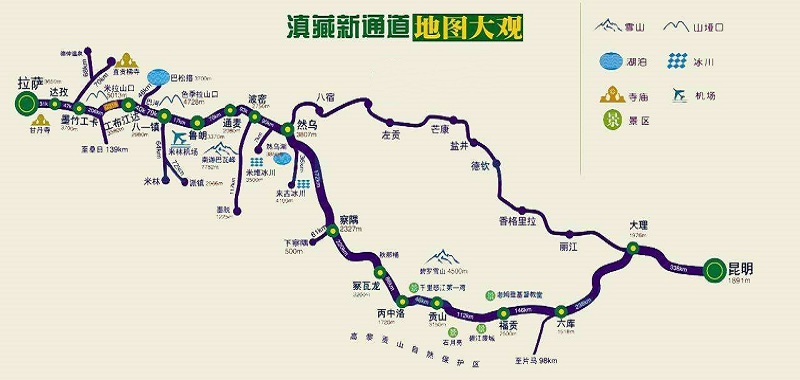
New Yunnan-Tibet Corridor
Nujiang Gorge Section: Dali to Bingzhongluo
Drive north along the scenic Nujiang Beautiful Highway, a road that hugs the banks of the Nujiang River and offers stunning views of the deep gorge and surrounding mountains. Along the way, you’ll pass through unique destinations like Stone Moon, a natural rock arch in the mountain; Laomudeng Church, a beautiful Christian church built in the 19th century; and Zhiziluo—the “Lost City of Memory,” an abandoned town that was once the capital of the Nujiang Lisu Autonomous Prefecture. Your destination is Bingzhongluo, known as “the Land Where Humans and Gods Coexist.” Here, the Nujiang River forms the dramatic First Bend of the Nujiang, a giant horseshoe shape, while the towering cliffs of Shimen Pass face each other in imposing grandeur. Don’t miss Wuli Village, an ancient Tea Horse Road settlement with wooden houses clinging to the hillside, often shrouded in mist at dawn like a fairyland.
Core Bingchacha Section: Through Untamed Wilderness
The Bingchacha Route
The core section of the Bingchacha route is where you’ll experience the true wildness of the Hengduan Mountains, with dramatic landscapes and few other travelers.
Bingzhongluo to Chawalong
Once the most dangerous stretch of the Bingchacha route, this section is now fully paved and safe to travel. You’ll cross the Yunnan-Tibet border marker, officially entering Tibet. The famous Great Sand Flow, once a deadly hazard where falling rocks and sand could bury vehicles, is now protected by a rockfall shelter tunnel, allowing you to safely admire this impressive geological wonder. Chawalong is an important supply stop at just 2,200 meters above sea level, with a warm climate perfect for resting and acclimatizing. You’ll find basic accommodations, restaurants, and shops here, making it a great place to spend the night before continuing your journey.
Chawalong to Chayu
This scenic drive takes you over three high passes: Xiongzhula (4,636 meters), Changla (4,498 meters), and Yixiula (4,706 meters). The landscape transforms dramatically along the way, from dry, hot river valleys with cacti and other desert plants to lush primeval forests with towering trees and then to rolling alpine meadows covered in wildflowers. Stop at Muro Village, a picturesque alpine pasture where grazing cows and sheep dot the hillsides and smoke curls from chimneys, creating a warm, idyllic atmosphere. Chayu, known as “the Jiangnan of Tibet,” has a mild, humid climate and abundant produce—far from the harsh plateau image many people have. You’ll find lush green valleys, rice fields, and even banana trees here, making it a unique and surprising destination.
Connecting to G318: Chayu to Ranwu
Cross the Demula Mountain Pass (4,900 meters) for breathtaking panoramic views of rolling sea of clouds below. On a clear day, you can see for miles across the mountains, and the sight of the clouds flowing like waves between the peaks is unforgettable. Visit Renlongba Glacier, one of the best-preserved glaciers in the region, with stunning blue ice and intricate surface patterns that have been formed over thousands of years. Don’t miss the sunset at Ranwu Lake, where the snow-capped mountains are reflected in the calm waters, creating a dreamlike scene. From Ranwu, the route merges with the classic Yunnan-Tibet route, continuing through Bomi and Nyingchi to Lhasa.
Practical Travel Tips for Xinjiang to Tibet
Proper preparation ensures a safe and enjoyable Yunnan-Tibet overland trip. Below are key travel tips.
Best Time to Travel
- April-May: Ideal for Nyingchi peach blossoms, mild weather and fewer tourists.
- September-October: Clear skies for viewing snow-capped peaks and beautiful autumn scenery.
- Avoid July-August (rainy season, landslides) and November-March (winter, snow-clogged passes).
Vehicles and Equipment
- Vehicles: Sedans for classic route; SUV/4×4 recommended for new corridor. Inspect vehicle and carry essential tools.
- Documents: ID card required; Border Pass for border areas; Tibet Entry Permit (foreigners) with licensed tour.
- Clothing: Prepare warm, waterproof clothes and high-SPF sun protection for extreme temperature differences.
- Medications: Take Rhodiola rosea 1 week in advance; bring common medicines. Oxygen is available locally.
Altitude Sickness Prevention and Management
- Stay calm, avoid strenuous exercise and rest adequately to acclimatize.
- Drink plenty of water, eat light and frequent meals; avoid heavy food and alcohol.
- Mild symptoms subside in 1-2 days; seek medical help immediately for severe symptoms.
Other Important Precautions
- Respect local ethnic customs and religious beliefs to ensure a pleasant journey.
- Refuel in every town to avoid running out of fuel in remote areas.
- Bring portable WiFi/satellite phone for emergency due to weak signal in remote sections.
- Protect the ecosystem: do not feed wild animals or litter.
How to Choose the Best Route from Yunnan to Tibet?
An overland journey from Yunnan to Tibet is a transformative experience for both body and soul. Driving along these legendary roads, you’ll enjoy ever-changing plateau landscapes, fresh air, friendly locals, delicious food, and lifelong memories. If you dream of visiting this sacred land but worry about complex road conditions, language barriers or itinerary planning, choose China Dragon Travel. With professional local drivers and rich experience in Tibet trips, they offer customized itineraries tailored to your preferences, budget and travel style, handling all details from accommodations to permits. This lets you relax and fully enjoy the unforgettable high-altitude adventure, whether you seek a cultural, nature or spiritual journey.