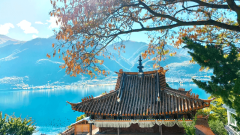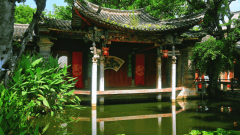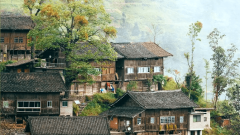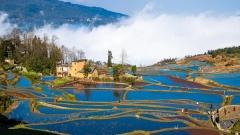

Nestled in southwest China’s mountains, Yunnan – also known as the “South of the Clouds” – is a land where tourist attractions shine like scattered pearls, weaving a stunning tapestry of nature and culture. Long a magnet for global travelers, it offers snow-capped mountain grandeur, lush tropical rainforests, serene ancient towns, and vibrant ethnic customs. For foreign visitors, Yunnan’s sites are more than landscapes; they are a cross-cultural dialogue. From Lijiang’s bluestone lanes to Dali’s glistening Erhai Lake, and from Shangri-La’s sacred snow peaks to Xishuangbanna’s Dai bamboo houses, every spot holds a unique story awaiting exploration.
Core Map of Yunnan Tourist Attractions: A Dual Gift of Nature and Humanity
Yunnan features diverse geography, resulting in vastly different styles of tourist attractions. Whether you are an adventurer who loves nature or a culture enthusiast who adores humanistic landscapes, you can find your ideal destination here. The following sorts out three core regions to help you quickly locate your target.
1. Northwestern Yunnan: An Epic of Snow Mountains, Ancient Towns and Plateaus
Northwestern Yunnan is the essence of Yunnan tourist attractions, where Lijiang, Dali and Shangri-La converge. Snow mountains, lakes, ancient towns and grasslands interweave here. From the romantic scenery of “wind, flowers, snow and moon” to the sacred tranquility, it is the first choice for foreign travelers.
2. Southwestern Yunnan: Customs of Rainforests, Dai People and Borders
Xishuangbanna in southwestern Yunnan is a tropical representative among Yunnan tourist attractions. It enjoys warm weather all year round, with lush rainforests. The Dai customs blend with border characteristics, and the Water-Splashing Festival in April is particularly lively.
3. Southeastern Yunnan: Earth Art of Karst Landforms and Terraced Fields
Southeastern Yunnan is renowned for its unique landforms and humanistic landscapes. Yuanyang Terraced Fields are a masterpiece of earth art created by the Hani people. Jianshui Ancient Town preserves the charm of the Ming and Qing dynasties, and the karst landscapes of Puzhehei are comparable to those of Guilin. It is a treasure for photographers and culture explorers.
In-Depth Analysis of Yunnan Tourist Attractions: A Complete Guide to Must-Visit Destinations
There are numerous Yunnan tourist attractions. The following selects the core spots most loved by foreign travelers, providing detailed information from visiting methods to cultural tips to help you visit efficiently.
1. Lijiang Ancient Town: A Living Millennium Tea-Horse Town
As a world cultural heritage site, Lijiang Ancient Town is a humanistic benchmark among Yunnan tourist attractions. This wall-less town centers on Sifang Street, with winding bluestone roads, gurgling streams running through the town, and scattered Naxi-style dwellings, presenting a poetic scene of “running water in front of every house and willow trees by every door”.
The most pleasant way to visit Lijiang Ancient Town is to wander aimlessly. The town is quiet and peaceful in the early morning, with sunlight spilling on the bluestone roads and elderly Naxi people doing laundry by the stream, full of life. In the afternoon, you can sit in a café by the window, order a cup of Pu’er tea and enjoy the street view quietly, savoring the slow pace of life. At night, the town becomes vibrant, with the songs from the bar street echoing and the lights by the stream shining, combining modern vitality with ancient charm.

A must-visit spot is the Mu Mansion, the residence of the Lijiang chieftain in the Ming Dynasty. Known as the “Little Forbidden City”, it integrates Naxi, Han and Tibetan architectural styles, with magnificent momentum. Climbing to the top offers a panoramic view of the entire town. About an hour’s drive from the ancient town, Jade Dragon Snow Mountain forms a stunning contrast with the humanistic style of the ancient town and is a landmark natural landscape among Yunnan tourist attractions.
Best Time to Visit: Spring and autumn (March-May, September-November), with mild climate and less rainfall. Cultural Tips: When visiting a Naxi family, respect local customs – take off your shoes when entering the house and accept food from the host with both hands.
2. Dali Erhai Lake: A Plateau Pearl of “Wind, Flowers, Snow and Moon”
Erhai Lake, part of the famous “wind, flowers, snow and moon” scenery, is a romantic highlight among Yunnan tourist attractions. This plateau lake is shaped like an ear, surrounded by Cangshan Mountain. Whether you ride around the lake or sit quietly by the lakeside, you can feel its inclusive beauty.
The 130-kilometer round-lake route is full of highlights: taste Xizhou Baba (a local pastry) and visit Bai-style dwellings in Xizhou Town; stay in a lakeside inn in Shuanglang Town to enjoy the lake view; watch migratory birds in Wase Town; and take magnificent photos of the lake scenery on the East Lake Road in the East Coast New Area. You can choose to drive, rent a car or ride a bike.

Erhai Lake
Taking a cruise on Erhai Lake allows you to visit scenic spots such as Nanzhao Style Island. The Bai ethnic group’s “Three-Course Tea” performance on board is not to be missed. Cangshan Mountain on the west bank of Erhai Lake is also an important part of Yunnan tourist attractions. Taking a cable car to the top offers a panoramic view of the lake and mountains, with streams, waterfalls and rhododendron flowers adding to the beauty.
Best Time to Visit: Spring (March-April), when the rapeseed flowers around Erhai Lake are in full bloom, creating a beautiful scene with the lake. Cultural Tips: The Bai people are warm and hospitable. You can praise the local scenery and culture when communicating with them, and giving small gifts will enhance mutual friendship.
3. Shangri-La: The Sun and Moon in the Heart, a Sacred Pure Land
Shangri-La, meaning “the sun and moon in the heart” in Tibetan, is a sacred pure land among Yunnan tourist attractions. At an average altitude of 3,300 meters, snow mountains, grasslands and temples form a pure picture, making it an ideal place to experience Tibetan customs.
Pudacuo National Park is the core attraction. The forests around Shudu Lake and Bitahai Lake are dense, with clear lake water reflecting snow mountains and cattle and horses. Walking along the boardwalk feels like entering a fairyland. In summer, wild flowers bloom, and in autumn, the forests turn colorful with golden and red hues.
Songzanlin Monastery, known as the “Little Potala Palace”, has solemn red walls and golden roofs. The murals and Thangkas inside are exquisite. It is recommended to hire a guide to explain its cultural connotations.
Napa Sea is a lake in summer and a grassland in winter, and it is a habitat for black-necked cranes. You can ride a horse here to enjoy the scenery of snow mountains and grasslands. The reconstructed Dukezong Ancient Town features bright prayer wheels at night, showing distinctive Tibetan style.
Best Time to Visit: Summer (June-August), when the grasslands are green and wild flowers are in full bloom; autumn (September-October), with clear sky and transparent scenery.
Notes: Shangri-La has a high altitude. Travelers may experience altitude sickness when first arriving. It is recommended to move slowly, drink plenty of warm water and avoid strenuous exercise.
4. Xishuangbanna: Dai Customs in Tropical Rainforests
Xishuangbanna is a tropical business card among Yunnan tourist attractions. With a year-round temperature above 20℃, it has lush rainforests, and the Dai bamboo houses blend with Southeast Asian styles, creating a warm atmosphere.
A must-visit is the Xishuangbanna Tropical Botanical Garden of the Chinese Academy of Sciences. The shocking rainforest wonders such as buttress roots and strangulation phenomenon, the tropical vitality of the palm garden and the exotic flower garden make it a popular spot for popular science and sightseeing.
Manting Park, once the imperial garden of the Dai king, has pleasant lakes and mountains. A bonfire party is held every night, where you can dance with local Dai people. The nearby Main Buddha Temple is the Buddhist center of Xishuangbanna, with magnificent buildings and a strong religious atmosphere.
Gaozhuang Xishuangjing is marked by the Golden Pagoda. The Starlight Night Market here is one of the largest night markets in Asia, filled with Dai-style barbecues and handcrafted souvenirs. It is the core area to experience Xishuangbanna’s night life.
Best Time to Visit: Winter (November-April), with cool climate and less rainfall, suitable for outdoor activities. Cultural Tips: When entering Dai villages, respect local religious beliefs and living customs. Do not enter the Dai people’s bedrooms casually and ask for permission before taking photos.
5. Yuanyang Terraced Fields: Earth Sculptures by the Hani People
As a world cultural heritage site, Yuanyang Terraced Fields are a model of the integration of humanity and nature among Yunnan tourist attractions. These terraced fields, developed by the Hani people over a thousand years, are as magnificent as earth sculptures, demonstrating the miracle of agricultural civilization.
The three must-see landscapes of the terraced fields are the sunrise at Duoyishu, the sunset at Badagong and the “eagle” shape at Laohuzui (Tiger Mouth). The changing light and shadow create an extremely beautiful scene.
Staying in Duoyishu Village provides convenient access to the scenic spots. In the early morning, you can hike through the terraced fields to experience the farming life. The irrigation period from November to March is the best time for photography, when the terraced fields are as smooth as mirrors.
Jianshui Ancient Town, about a two-hour drive away, features exquisite wood carvings in Zhu Family Garden, the majestic Shuanglong Bridge and the unique Jianshui purple pottery. It can be visited together with the terraced fields.
Best Time to Visit: November-March (irrigation period). Cultural Tips: The Hani people are warm and hospitable. You can taste local specialties such as the long street banquet in the village. When participating, observe local etiquette and respect the elderly.
Yunnan Tourist Attractions Itinerary Planning: Customized Routes Based on Travel Time
Yunnan tourist attractions are scattered. The following recommends classic routes based on travel time, taking into account both nature and humanity to help you plan efficiently.
1. 5-7 Day Classic Route: Essence of Northwestern Yunnan
Route: Kunming – Dali – Lijiang – Shangri-La – Kunming
Day 1: Arrive in Kunming, visit Cuihu Lake and Yunnan Military Academy, and taste Cross-Bridge Rice Noodles.
Day 2: Take the high-speed rail to Dali (2 hours), visit Dali Ancient Town and climb Wuhua Building, stay in the ancient town for the night.
Day 3: Take a one-day trip around Erhai Lake, pass through towns such as Xizhou and Shuanglang, and enjoy the sunset.
Day 4: Take the high-speed rail to Lijiang (1.5 hours), visit Lijiang Ancient Town and Mu Mansion, stay in the ancient town for the night.
Day 5: Visit Jade Dragon Snow Mountain and Blue Moon Valley, enjoy the Naxi bonfire party at night.
Day 6: Take a bus to Shangri-La (3.5 hours), visit Songzanlin Monastery, stay in the urban area for the night.
Day 7: Visit Pudacuo National Park, return to Kunming or fly directly to your next destination.
2. 7-10 Day In-Depth Route: Northwestern + Southwestern Yunnan Combination
Route: Kunming – Dali – Lijiang – Xishuangbanna – Kunming
Days 1-5: Follow the classic route to complete the trip in Dali and Lijiang.
Day 6: Fly from Lijiang to Xishuangbanna (1.5 hours), stay in Gaozhuang, and visit the Starlight Night Market.
Day 7: Visit the Tropical Botanical Garden, watch the Manting Park bonfire party at night.
Day 8: Watch elephants in Wild Elephant Valley, visit Manting Park and Main Buddha Temple in the afternoon.
Day 9: Experience Dai handicraft making, taste barbecues, and fly to Kunming (1.5 hours).
Day 10: Visit Dianchi Lake and Yunnan Provincial Museum, buy local specialties and depart.
3. 10-12 Day Panoramic Route: Comprehensive Coverage of Northwestern + Southeastern Yunnan
Route: Kunming – Jianshui – Yuanyang Terraced Fields – Xishuangbanna – Dali – Lijiang – Kunming
Day 1: Arrive in Kunming, visit urban scenic spots to adapt to the climate.
Day 2: Take the high-speed rail to Jianshui (2 hours), visit Jianshui Ancient Town and Zhu Family Garden, stay for the night.
Day 3: Take a bus to Yuanyang (2 hours), visit Badagong Terraced Fields and enjoy the sunset, stay in Duoyishu Village.
Day 4: Watch the sunrise at Duoyishu Terraced Fields, hike through the terraced fields, and visit Laohuzui in the afternoon.
Day 5: Take a bus to Xishuangbanna (6 hours), visit the night market and taste local food at night.
Days 6-7: Visit core scenic spots in Xishuangbanna in depth and experience Dai culture.
Day 8: Fly from Xishuangbanna to Dali (2 hours), visit Dali Ancient Town and stay for the night.
Day 9: Take a one-day trip around Erhai Lake.
Day 10: Take the high-speed rail from Dali to Lijiang (1.5 hours), visit Lijiang Ancient Town and Mu Mansion.
Day 11: Visit Jade Dragon Snow Mountain and Blue Moon Valley, enjoy the bonfire party at night.
Day 12: Return to Kunming from Lijiang, buy local specialties and depart.
Practical Tips for Yunnan Tourist Attractions: Safe and Smooth Travel
The following practical tips will help make your trip to Yunnan tourist attractions safe and smooth.
1. Transportation Guide
Prioritize Kunming for air transfers. High-speed rail is the main means of transportation within the province, providing convenient access from Kunming to Dali and Lijiang. For remote attractions such as Shangri-La and Yuanyang, it is recommended to take regular buses or chartered cars. Shared bikes in Lijiang and Dali are suitable for short trips.
2. Accommodation Recommendations
Choose characteristic homestays in Lijiang and Dali Ancient Towns; stay in village homestays in Shangri-La and Yuanyang; and select high-end hotels in Kunming and Xishuangbanna. Be sure to book 1-2 months in advance during peak seasons (holidays and summer vacation).
3. Climate and Clothing Guide
Northwestern Yunnan has a large temperature difference between day and night. Prepare jackets in summer and down jackets in winter. Xishuangbanna is warm all year round, bring rain gear in summer and long-sleeved clothes in winter. Yuanyang has a mild climate in spring and autumn and is cold in winter. Hats, sunglasses and sunscreen are essential items regardless of the season.
4. Food and Health Tips
Choose regular restaurants to taste local food. You can ask for less spicy food when trying Yunnan cuisine for the first time. Avoid excessive drinking in high-altitude areas such as Shangri-La. Prepare Rhodiola rosea to prevent altitude sickness. Do not engage in strenuous exercise and drink plenty of warm water when first arriving. Mosquito repellent is necessary in Xishuangbanna.
5. Cultural Etiquette and Safety Notes
Respect ethnic customs: Take off your hat and keep quiet when entering temples, do not touch religious items, and ask for permission before taking photos; use polite language when communicating with ethnic minorities and do not ask about sensitive topics; do not enter private houses without permission or step on prayer flags, and obtain consent before taking photos of local people. Keep your valuables safe and dial 110 in case of emergency.
An Unforgettable Encounter in the “South of the Clouds”
The charm of Yunnan tourist attractions lies in the diverse and inclusive nature and humanity. From Lijiang Ancient Town to Dali Erhai Lake, from Shangri-La Snow Mountains to Xishuangbanna Rainforests, every place offers a unique experience, fully demonstrating the charm of the “South of the Clouds”.
For foreign travelers, Yunnan is a window to understand China’s ethnic minority culture and natural landscapes. Communicate with people of all ethnic groups and get close to the unique scenery. Even though the attractions are scattered and the climate is complex, you can enjoy your trip to the fullest with adequate preparations.