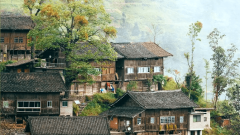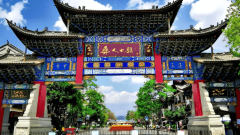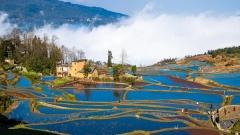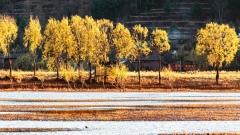

Yunnan Province, located in the southwestern frontier of China, boasts rich and diverse natural landscapes and ethnic cultures. The significant altitude variations across this land create the unique phenomenon of “experiencing four seasons on one mountain, with different weather every ten miles.” Yunnan not only features stunning natural scenery but also hosts the largest number of ethnic groups in China, with 25 indigenous minority peoples creating a vibrant cultural heritage here. Yunnan generally enjoys a subtropical plateau monsoon climate, but due to complex topography, the climate shows distinct vertical variations. It can be divided into five major tourism regions: central, northwest, southwest, southeast, and northeast Yunnan, each with unique tourism resources. If you plan to visit Yunnan in 2026, this article will provide an excellent guide for you.
Recommended Classic Yunnan Travel Routes
Northwest Yunnan Classic Loop (8-10 days)
This route covers Yunnan’s most classic travel destinations. Recommended itinerary:
Arrive in Kunming on day one and consider staying one day to acclimatize to the altitude. You can visit Dianchi Haigeng Park and explore Yunnan Ethnic Village. On day two, take the high-speed train to Dali and allocate two days in the ancient city. On the first day, stroll along the ancient city’s bluestone paths, visit historical buildings like Wuhua Tower and Wenxian Tower, and enjoy the sunset over Cangshan Mountain and Erhai Lake from the ancient city walls in the evening. On the second day, rent an electric bike to cycle around Erhai Lake, stopping at Xizhou Ancient Town to experience Bai tie-dye techniques and visit the Yan Family Compound.
On day four, proceed to Lijiang and allocate three days. On the first day, explore Lijiang Ancient City, visit Mu Mansion and Square Street, and enjoy Naxi ancient music in the evening. On the second day, visit Jade Dragon Snow Mountain, taking the cable car to the 4,506-meter viewing platform, then tour Blue Moon Valley after descending. On the third day, you can choose to visit Shuhe Ancient Town or Baisha Ancient Town.
On day seven, travel to Shangri-La, stopping at Tiger Leaping Gorge along the way. Stay in Dukezong Ancient Town upon arrival to experience Tibetan-style accommodation. On day eight, visit Pudacuo National Park and tour Songzanlin Monastery in the afternoon.

Lijiang Ancient City
Southwest Yunnan Tropical Experience (7-9 days)
This route features tropical rainforests and Dai culture.
Arrive in Jinghong, Xishuangbanna on day one. Visit Manting Park and the Chief Buddhist Temple. On day two, go to the Xishuangbanna Tropical Botanical Garden of the Chinese Academy of Sciences, which houses tens of thousands of tropical plant species. On day three, visit Wild Elephant Valley, the only place in China where you can safely observe Asian wild elephants.
On day four, travel to Mengla County to visit the Wangtianshu Scenic Area and experience the canopy walkway. On day five, immerse yourself in the Dai Ethnic Garden, learning to prepare traditional Dai cuisine and participating in Dai weaving and pottery-making techniques. On day six, you can choose to visit the Daluo Port and explore villages along the China-Myanmar border.
In-Depth Yunnan Cultural Experiences
Dali Bai Culture Experience
As the capital of the Bai Autonomous Prefecture, Dali preserves Bai culture exceptionally well. We recommend allocating one full day for deep immersion:
Visit Zhoucheng Village in the morning, the birthplace of Bai tie-dye. Learn tie-dye techniques from local artisans and create your own tie-dye fabric. Enjoy an authentic Three-Course Tea ceremony in a Bai residence at noon, understanding the production process and cultural significance of each course. Tour traditional Bai residences in the afternoon to learn about the “three rooms and one screen wall” architectural style. Visit Xizhou Ancient Town in the evening to see the Yan Family Compound and enjoy Bai folk song performances at night.
Lijiang Naxi Culture Exploration
As the main settlement of the Naxi people, Lijiang features unique Dongba culture. We recommend two days:
Visit the Dongba Culture Museum on the first day to learn about the development of Dongba script. Practice writing Dongba characters under instructor guidance. Tour the traditional Naxi papermaking workshop in the afternoon to experience Dongba paper production. Enjoy a Naxi ancient music performance in the evening.
On the second day, venture to Yuhu Village at the foot of Jade Dragon Snow Mountain. Take a guided hike to explore pastures and lakes beneath the snow-capped mountains. Enjoy authentic Naxi foods in a local home at noon, then learn to make Lijiang baba, a traditional Naxi pastry, in the afternoon.

Must-Visit Yuhu Village
Specialty Food Experiences
Yunnan cuisine is renowned for its unique ingredients and cooking methods. The most famous dish is Cross-the-Bridge Rice Noodles, best experienced at Kunming’s time-honored restaurants. Observe how servers pour boiling broth into ingredient bowls, instantly cooking the ingredients. Follow the “meat first, vegetables second” eating sequence. The broth, simmered for hours with old chicken, duck, and pork bones, offers exceptional flavor.
Another must-try is wild mushroom hot pot. During the rainy season (June-October), Yunnan’s wild mushrooms come into season. Visit specialized wild mushroom restaurants to sample varieties including matsutake, termitomyces, and boletus. Specially prepared dipping sauces further enhance the mushrooms’ natural flavors.
Ethnic Minority Specialty Foods
In Dali, experience the Bai Three-Course Tea ceremony – not just a meal but a cultural ritual where each course represents life’s philosophies: “bitter, sweet, and aftertaste.”
In Xishuangbanna, Dai cuisine offers unforgettable experiences. Try Dai-style baked packages, where ingredients are wrapped in banana leaves for baking, locking in original flavors. Pineapple rice, made by steaming glutinous rice and pineapple flesh in pineapple shells, is another Dai specialty.
Yunnan Practical Travel Tips
Yunnan’s transportation network continues to improve. For long-distance travel within the province, we recommend flights or high-speed trains; for shorter excursions, choose tourist shuttle buses or chartered vehicles.
Kunming Changshui Airport serves as the main aviation hub, with flights to major tourist cities throughout the province. The high-speed rail network now connects Kunming, Dali, Lijiang, and other key tourist destinations.
For inter-attraction transportation, we recommend booking official tourist shuttle buses. These depart from major cities’ tourism distribution centers and go directly to main scenic spots. If chartering vehicles, always book through licensed travel agencies.
Yunnan Travel Accommodation Selection
Yunnan offers diverse accommodation options, from international chain hotels to characteristic guesthouses. In tourist cities like Kunming, Dali, and Lijiang, consider staying in characteristic inns within ancient towns, typically converted from traditional residences and full of local character.
For higher quality requirements, choose star-rated hotels outside ancient towns. In high-altitude areas like Shangri-La, select accommodations with oxygen supply facilities. In Xishuangbanna, resorts with swimming pools come highly recommended.
Note that during peak seasons (Spring Festival, National Day, summer vacation), accommodation prices rise significantly with limited availability, so early booking is essential.
High-Altitude Travel Health Protection
Some Yunnan areas have high altitudes, such as Lijiang (2,400 meters) and Shangri-La (3,300 meters), requiring health preparations.
We recommend avoiding showers and strenuous exercise on the first day after arriving at high altitudes. Prepare altitude sickness medications like rhodiola (start taking one week in advance) and portable oxygen canisters.
High-altitude areas feature strong UV radiation – adequate sun protection is crucial. The dry climate requires constant hydration. Maintain light diets and avoid greasy foods.
If planning high-altitude trekking, we recommend hiring local guides. Arrange itineraries reasonably according to personal physical conditions without overexertion.
Yunnan Seasonal Travel Guide
Spring (March-May) offers mild weather and blooming flowers, ideal for flower viewing and ethnic festivals. Summer (June-August) brings more rainfall but cool temperatures, perfect for summer escapes. Autumn (September-November) features clear skies and crisp air, optimal for photography and mountain climbing. Winter (December-February) provides sunny days, ideal for escaping cold weather and enjoying hot springs.
Best Travel Times by Region:
- Central Yunnan (Kunming, Yuxi): Year-round
- Northwest Yunnan (Dali, Lijiang, Shangri-La): April-October
- Southwest Yunnan (Xishuangbanna): November-April
- Southeast Yunnan (Honghe, Wenshan): March-April, September-October
- Northeast Yunnan (Zhaotong): May-October
Yunnan is a travel destination worth repeated exploration. If you plan to visit Yunnan in 2026, feel free to contact China Dragon Travel at any time. We will help you make adequate preparations and reasonable plans, ensuring you harvest unforgettable travel memories in this colorful land.