
Yunnan, touched by the Tropic of Cancer, offers a unique “three – seasons – in – a – day” experience, from frosty Shangri – La mornings to sunny Dali afternoons and cool Lijiang evenings. For international travelers, knowing how to dress is key. This all – season, region – specific guide will help you handle Yunnan’s diverse climates effortlessly.
Decoding Yunnan’s Weather: Why Dressing Must Be Tailored to the Locality?
Before planning a dressing scheme for Yunnan’s weather, it is crucial to understand the climatic logic of this land. The Hengduan Mountains run through Yunnan from north to south, with elevations jumping from river valleys of several hundred meters to plateaus of several thousand meters. Coupled with the Tropic of Cancer passing through, it has created a climatic wonder of “three climatic zones in one province” – snowy peaks of the cold temperate zone in the north, basins of the subtropical zone in the middle, and rainforests of the tropical zone in the south. The most direct impact of this vertical climate is the huge regional temperature difference and day-night temperature difference.
In November in Yunnan, the highest temperature in Jinghong, Xishuangbanna (the warmest area), can reach 25℃, while the lowest temperature in Shangri-La (the coldest area) is only minus 7℃, with a north-south temperature difference of more than 32℃. Even in the same region, the day-night temperature difference often reaches 10-15℃. For example, Kunming has a comfortable daytime temperature of 18℃, which may drop sharply to 5℃ at night. For international travelers, never bring only thin clothes just because of Kunming’s reputation as the “Spring City”, nor wrap up too tightly just because of the plateau. Learning to adjust your outfits according to the altitude and season of your destination is the core principle of dressing for Yunnan’s weather.
In addition, Yunnan’s climate has two hidden challenges to consider for dressing: first, the ultra-strong ultraviolet (UV) rays throughout the year. The air in plateau areas is thin, and solar radiation is intense – you can still get sunburned even on cloudy days. Second, the rainy season in western and northwestern Yunnan, where the mountain weather is unpredictable and a shower may come at any time. Therefore, dressing for Yunnan’s weather not only needs to cope with temperature changes but also take into account practical needs such as sun protection and rainproofing.

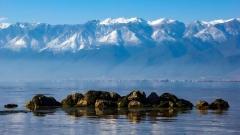
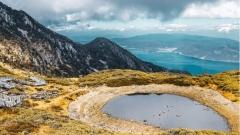
Yunnan’s Scenic Beauty
A Complete Guide to Yunnan Seasonal Outfits
Yunnan’s climate characteristics vary drastically in different seasons, and the dressing logic adjusts accordingly. Whether you choose to enjoy flowers in spring, escape the heat in summer, explore autumn scenery in fall, or avoid the cold in winter, you can find precise dressing suggestions here.
Spring (March-May): Alternating Warmth and Coolness, Layered Dressing is King
Spring in Yunnan is a sea of flowers, with rapeseed flowers in Luoping and camellias in Dali blooming one after another, but the temperature features alternating warmth and coolness. In central Yunnan (Kunming, Chuxiong), the average daytime temperature is 15-25℃, with abundant sunshine but still cool in the morning and evening; in northwestern Yunnan (Lijiang, Shangri-La), the temperature is slightly lower, 12-20℃ during the day and may drop below 5℃ at night; in southern Yunnan (Xishuangbanna, Pu’er), it has entered a warm and hot mode, with the maximum daytime temperature reaching 28℃.
For dressing in Yunnan’s spring weather, the core is onion-layered dressing. The base layer is recommended to be breathable cotton or quick-drying long-sleeve T-shirts, which can not only cope with the temperature rise at noon but also prevent dye stains with dark-colored styles when experiencing batik and other handcraft activities in Zhoucheng, Dali. The middle layer can be a thin knitted cardigan or fleece jacket, preferably wool material, lightweight and easy to carry, useful in the morning and evening in central and northwestern Yunnan. The outer layer needs a flexible windproof jacket, such as a denim jacket or thin trench coat, which can also provide some protection against showers.
Regional detailed suggestions: For travelers to Lijiang and Shangri-La in northwestern Yunnan, if planning to visit Jade Dragon Snow Mountain or Pudacuo National Park, an additional thick down jacket or three-in-one jacket is a must – the temperature at the mountain top may drop below 0℃. In Xishuangbanna, southern Yunnan, you can mainly wear short sleeves and thin long pants, paired with a lightweight sun protection jacket, and remember to bring mosquito repellent to deal with mosquitoes in tropical areas. For shoes, comfortable sneakers or casual leather shoes are recommended for strolling in ancient towns or admiring flowers in the mountains; if participating in terrace hiking, non-slip hiking shoes are a must.
Summer (June-August): Cool and Rainy, Balancing Sun Protection and Rainproofing
While the inland areas are sweltering in summer, Yunnan becomes an ideal summer resort, with the province’s average temperature staying between 18-28℃. However, this is also Yunnan’s rainy season, with frequent rainfall in western Yunnan (Nujiang, Baoshan) and central Yunnan. Most rains are showers, but the mountain weather is unpredictable, often with the phenomenon of “different weather within ten miles”. It should be noted that even in the rainy season, the UV intensity in Yunnan is still formidable, and the radiation from sunlight penetrating the clouds during the day is easier to be ignored.
For dressing in Yunnan’s summer weather, the key is to balance functionality and comfort. The basic daytime outfit is mainly short sleeves and thin long pants, recommended to be made of cotton and linen or quick-drying fabrics, which are breathable, sweat-absorbent and not stuffy. A sun protection jacket is an essential item – it is recommended to choose professional sun protection materials with UPF50+, which can not only block UV rays but also temporarily keep out rain in case of sudden showers. Travelers to rainy areas in western Yunnan need to prepare a waterproof and windproof jacket, paired with non-slip sneakers or rain shoe covers to avoid slipping and falling on rainy days.
The temperature at night will drop by 5-8℃ compared with the daytime, especially in northwestern Yunnan and mountainous areas, so a thin coat is a must. Travelers currently in Dali shared their experience: wearing short sleeves is just right for cycling around Erhai Lake in the morning, but you have to put on a coat when eating by the lake in the evening, otherwise you are prone to catching a cold. In addition, when participating in activities such as the Dai Water-Splashing Festival in summer, it is recommended to bring a spare set of clothes made of quick-drying materials to avoid discomfort from wearing wet clothes for a long time.
Autumn (September-November): Extreme Temperature Differences, Flexibility is Paramount in Dressing
Autumn is the peak tourist season in Yunnan, with clear and dry weather. The terraced fields covered in red leaves and golden rice fields form a stunning picture, but this is also the season with the largest temperature difference throughout the year. The meadows of Shangri-La may be covered with thin frost in the early morning, but the shore of Erhai Lake in Dali is hot enough to make people sweat at noon, and cool winds blow in Lijiang Ancient Town in the evening. Experiencing spring, summer, autumn and winter in one day is not an exaggeration.
To cope with dressing in Yunnan’s autumn weather, flexible adjustment is the key. A universal dressing formula is recommended: base layer (quick-drying long-sleeve T-shirt) + middle layer (thin sweater/fleece jacket) + outer layer (windproof jacket). When the temperature rises at noon, you can take off the outer and middle layers and only wear the base layer; when the coolness hits in the morning and evening, add layers one by one. In Shangri-La and Lijiang in northwestern Yunnan, the nighttime temperature may drop below 9℃, so a windproof and waterproof jacket and a thin down jacket are essential. Some travelers shared: wearing a shirt is just right for taking photos in the terraced fields at noon, but you have to put on a down jacket to attend the bonfire party in the evening – it’s safe to keep a coat in your bag at all times.
Xishuangbanna and Pu’er in southern Yunnan still retain the warmth of summer, with the maximum daytime temperature reaching 31℃. Dressing is mainly breathable and quick-drying short sleeves, paired with lightweight long pants to prevent mosquito bites, and a sun protection jacket should be carried with you. Travelers to rainy areas in western Yunnan (Nujiang, Dehong) need to pay special attention to rainproofing – bring a folding umbrella even if the forecast is sunny. Local guides suggest: mountain weather changes suddenly, and getting wet easily leads to colds, so don’t forget to bring a waterproof backpack and quick-drying towel.
Winter (December-February): Two Seasons in One Province, a Contrast Between Warm Winter and Severe Cold
Winter in Yunnan presents the most extreme climatic contrast, a typical example of “two seasons in one province”. Northwestern Yunnan (Shangri-La, Lijiang) enters a severe cold mode, with the lowest temperature in Shangri-La reaching minus 7℃ and the land covered in snow when snowflakes fall; while southern Yunnan (Xishuangbanna, Mangshi) is still bathed in warm sunshine, with the maximum temperature reaching 25℃, making it the perfect choice for international travelers to escape the cold winter. This huge temperature difference means that dressing for Yunnan’s winter weather must be accurately positioned to the destination.
The key to dressing in the cold areas of northwestern Yunnan is all-round warmth. Wear thermal underwear or thick wool sweaters for the inner layer, a fleece jacket for the middle layer, and a thick down jacket or a jacket with a fleece liner for the outer layer to resist the biting cold wind. For accessories, a scarf, woolen hat and gloves are indispensable, and don’t neglect foot warmth – waterproof and non-slip snow boots or thick-soled hiking shoes allow you to walk safely on frosty roads. If planning to visit Jade Dragon Snow Mountain or Meili Snow Mountain, you can also prepare heating pads and stick them inside your clothes to resist the severe cold.
Central Yunnan (Kunming, Dali) has a relatively mild winter climate, with an average daytime temperature of 10-15℃ and may drop to around 0℃ at night. Dressing is mainly a thick sweater paired with a down jacket or thick coat. There is no heating indoors, so it is recommended to choose styles that are easy to put on and take off. Southern Yunnan’s warm areas are completely like summer – wearing short sleeves and short skirts in Xishuangbanna during the day is no problem, and adding a thin coat is enough when the temperature drops to around 20℃ at night. It is worth mentioning that Yunnan’s weather is dry in winter, and static electricity is easy to generate when wearing wool and down clothes. You can carry a small bottle of skin toner to spray on clothes to reduce discomfort.
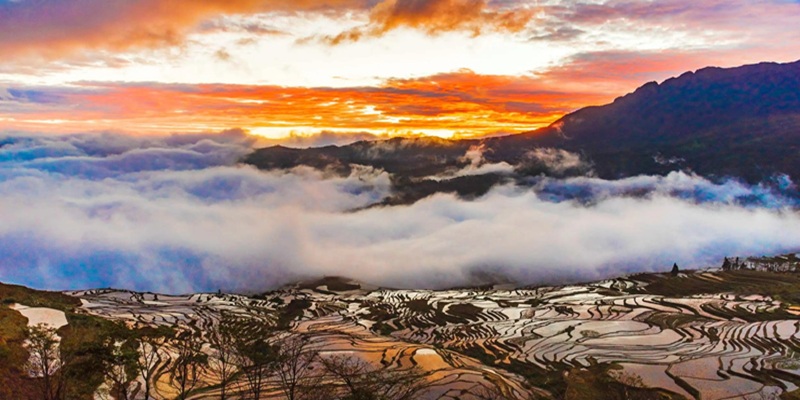
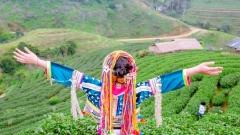
Yunnan’s Terraced Fields
Customized Regional Outfits: Detailed Dressing Rules for Popular Destinations
International travelers visiting Yunnan often plan cross-regional trips, traveling from Kunming to Dali, then to Lijiang or Xishuangbanna. For these popular destinations, we have sorted out more detailed dressing suggestions for Yunnan’s weather to help you plan your luggage accurately.
Kunming: Spring City Dressing, Flexible and Casual
Kunming is known as the “Spring City” with an annual average temperature of about 15℃. The climate is pleasant but with a large day-night temperature difference. No matter which season you visit, onion-layered dressing can handle it with ease. In spring, wear thin long sleeves with jeans during the day and add a trench coat in the morning and evening; in summer, pair short sleeves with thin long pants and carry a sun protection jacket and umbrella; in autumn, wear a thin sweater with a trench coat and add a thick coat after November; in winter, wear a thick sweater with a down jacket and remember to wear a scarf at night.
Kunming has strong UV rays throughout the year – even on cloudy days, it is recommended to apply sunscreen with SPF50+, wear a wide-brimmed hat or sunglasses. When feeding black-headed gulls at Dianchi Lake, the wind is strong, so you can carry a lightweight scarf to keep warm and block wind and sand.
Dali: Romance of Wind, Flowers, Snow and Moon, Balancing Aesthetics and Practicality
Dali’s climate is similar to Kunming’s, but it is closer to Erhai Lake with higher air humidity and strong winds in spring. Dressing in Dali not only needs to cope with the climate but also can integrate into the romantic beauty of wind, flowers, snow and moon. In spring, when experiencing batik, wear a dark long-sleeve cotton shirt with a blue cloth apron, which is both practical and has local characteristics; in summer, when cycling around Erhai Lake, wear short sleeves with a sun protection jacket – light-colored clothes are more photogenic for taking photos; in autumn, drape a batik scarf, which can protect against the sun and keep warm, and also become a highlight in photos; in winter, wear a thick sweater with a down jacket, and remember to wear non-slip hiking shoes when seeing snow scenery on Cangshan Mountain.
Dali’s nights are much cooler than the days – even in summer, it is recommended to bring a thin coat. If planning to watch the sunrise by Erhai Lake, the temperature is low in the early morning, so you can prepare a lightweight down jacket that is easy to carry.
Lijiang: Ancient Town and Snow Mountain, Outfits for Both Scenarios
Lijiang’s climate is greatly affected by terrain, with a temperature difference of more than 10℃ between the ancient town and the snow mountain. When traveling in Lijiang Ancient Town, wear a long-sleeve shirt with a long skirt in spring and a thin sweater with casual pants in autumn – comfortable and in line with the literary atmosphere of the ancient town; if going to Jade Dragon Snow Mountain, a thick down jacket or three-in-one jacket is a must regardless of the season. The temperature at the mountain top is low and the wind is strong, so a hat and gloves are indispensable.
Lijiang is cold and dry in winter, and static electricity is easy to generate when wearing wool clothes. It is recommended to bring body lotion and lip balm. The stone roads in the ancient town are uneven, so wearing comfortable flat shoes or sneakers is more suitable to avoid affecting the travel experience with high heels.
Xishuangbanna: Tropical Style, Focus on Freshness and Protection
Xishuangbanna has a tropical monsoon climate, warm and humid all year round – even in winter, it is as hot as summer. Dressing here is mainly fresh and protective – short sleeves, shorts and short skirts are common, but it is recommended to bring thin long pants to prevent mosquito bites. For outdoor activities, a sun protection jacket, wide-brimmed hat and sunglasses are essential to avoid skin discomfort from prolonged sun exposure.
When participating in the Dai Water-Splashing Festival, it is recommended to wear quick-drying clothes and bring a spare set. When exploring the tropical rainforest, wear long-sleeve quick-drying clothes and long pants, paired with non-slip hiking shoes to prevent scratches from branches and bites from snakes and insects.
Exclusive for International Travelers: Practical Tools and Tips for Dressing in Yunnan’s Weather
In addition to planning outfits by season and region, international travelers also need to master some practical tools and tips to make dressing for Yunnan’s weather more worry-free.
Recommended Weather Query Tools
Before departure, you can check the real-time weather and temperature forecast of your destination through the China Meteorological Administration website (with an English version) to plan your clothes in advance. During the trip, it is recommended to download the Caiyun Weather APP, which can provide hourly forecasts accurate to the county-level region, allowing you to grasp rainfall and temperature drop information in a timely manner. If traveling to mountain scenic spots, you can consult local guides or homestay owners, who have a more accurate understanding of the mountain microclimate.
Luggage Packing Tips
Given the need for flexible adjustment of dressing for Yunnan’s weather, it is recommended to adopt the method of multi-functional items + layered packing. Choose light-colored, versatile base layer clothes for easy combination and matching; thin down jackets and fleece jackets can be compressed for packing to save luggage space; select lightweight sun protection jackets and folding umbrellas to put in your backpack at any time. In addition, you can bring several sealed bags to store wet or dirty clothes and keep your luggage tidy.
Small Tricks to Cope with Special Climates
Faced with Yunnan’s strong UV rays, in addition to physical sun protection, you can carry sun protection masks and ice sleeves to protect your skin comprehensively; in dry weather, body lotion, lip balm and portable moisturizing spray are essential; in the cold winter of northwestern Yunnan, heating pads can not only keep you warm but also be stuck on the back of cameras or mobile phones to prevent equipment from shutting down due to low temperatures.
Yunnan’s climate is changeable, but that is precisely part of its unique charm. From the snow-capped plateaus in northern Yunnan to the tropical rainforests in southern Yunnan, from the thin frost in the early morning to the sunshine at noon, every kind of weather corresponds to a unique scenery, and suitable dressing is the premise to appreciate these sceneries. Master the core of dressing for Yunnan’s weather – layered dressing to cope with temperature differences, and adjust equipment according to local conditions. Whether you chase flowers in spring, escape the heat in summer, explore autumn in fall, or avoid the cold in winter, you can experience Yunnan’s diverse charm comfortably and freely.
Remember, there is no absolute standard answer for dressing in Yunnan’s weather – flexible adjustment is the key. If you want to make your trip more worry-free, you can choose China Dragon Travel, which specializes in Yunnan tourism. They can not only give accurate dressing suggestions based on your travel time and destination combined with the local real-time climate but also customize flexible itineraries with rich local resources – whether it is warm arrangements at the foot of snow-capped mountains in northwestern Yunnan or protection reminders in rainforests in southern Yunnan, they can let you travel without worries. Take this guide, prepare suitable clothes, let go of your concerns, and embrace Yunnan’s sunshine, snow-capped mountains, rainforests and ancient towns with the professional companionship of China Dragon Travel – when you walk on this land of “South of the Colorful Clouds” in comfortable clothes, you can truly feel its tenderness and grandeur.