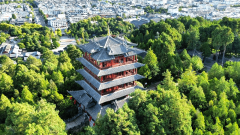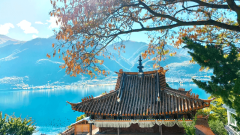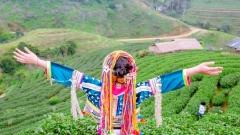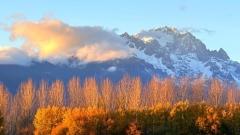

Yunnan, the “Colorful Yunnan”, boasts diverse ethnic cultures, stunning landscapes and a unique three – dimensional climate. Before traveling, overseas tourists should understand its seasonal weather. Spring has large day – night temperature differences; summer has afternoon showers; autumn is great for photography; winter has distinct north – south climates. Master these to enjoy a comfortable trip.
Yunnan in Spring (March-May): A Feast of Flowers, Guard Against Temperature Differences
Weather Features
Spring is one of the most pleasant seasons in Yunnan, with an average temperature ranging from 15 to 25 degrees Celsius. It has little precipitation, dry weather, and abundant sunshine. However, due to Yunnan’s dramatic terrain elevation differences, the temperature gap between Central Yunnan, such as Kunming and Qujing, and Northwest Yunnan, near Lijiang and Shangri-La, is quite significant. The temperature difference between morning/evening and noon can reach about 8 degrees Celsius – it can be a bit cold in the early morning and night, while warm and comfortable at noon. UV rays gradually intensify during this time, especially in plateau areas, so be sure to take sun protection measures in advance.
Must-Experience Scenic Spots and Activities
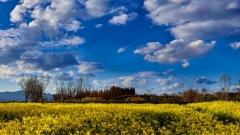
- Luoping Rapeseed Flowers: In March, 800,000 mu of rapeseed flowers bloom in Luoping, with golden flower seas covering terraced fields and wilderness, and karst hills scattered among them, looking like a natural oil painting spread out. In the early morning, morning mist drifts over the flower sea, making it the best time for taking photos. It is recommended to wear light-colored clothes to match the golden flower sea for better photo effects.
- Dali Spring Cherry Blossoms: When the winter cherry blossoms in Wuliang Mountain fade in April, the spring cherry blossoms at Dali University bloom one after another. Pink petals fall on the ancient city walls, creating a romantic atmosphere everywhere. You can rent an electric scooter to ride around Erhai Lake, stopping to admire the lake and mountain scenery and cherry blossom blooms whenever you see your favorite views along the way.
- Shangri-La Rhododendrons: In May, in Pudacuo National Park, alpine rhododendrons bloom in profusion on the slopes above 3,000 meters above sea level. Pink and purple flower seas cover the mountains, and yaks wander leisurely among the flowers, like a fairy-tale world. However, the temperature in Shangri-La is still a bit low at this time, so remember to bring a light coat.
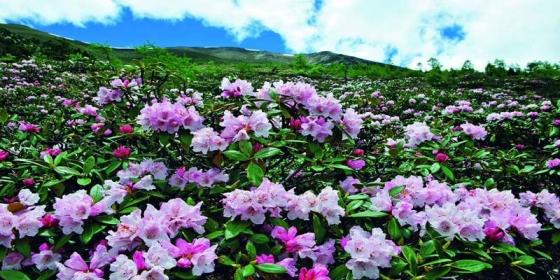
Shangri-La Rhododendrons
Dressing and Preparation
During the day, wear light long-sleeved shirts, T-shirts with jeans or casual pants. Since the temperature drops in the morning and evening, add a light coat such as a windbreaker, denim jacket or cardigan sweater. Comfortable sneakers or casual leather shoes are recommended for walking around scenic spots without tiring your feet. Sunscreen (SPF50+ is recommended), sunglasses and sun hats are a must, and don’t forget moisturizing skin care products as the air is dry.
Yunnan in Summer (June-August): Cool Escape from Heat, Showers Along the Way
Weather Features
Summer is Yunnan’s rainy season, with an average temperature between 20 and 30 degrees Celsius. The overall climate is cool and comfortable, making it a famous summer resort in China. Rain mostly falls in the afternoon and is usually showers that last about half an hour to an hour. After the rain, the sky is particularly clear, and sometimes a rainbow can be seen hanging over the mountain tops. Northwest Yunnan, such as Shangri-La and Deqin, has an average temperature of only about 20 degrees Celsius due to high altitude, making it even cooler; southern Yunnan, including Xishuangbanna and Pu’er, is a bit stuffy with more frequent rainfall. It should be noted that mountain road conditions may be poor on rainy days, with landslides likely, so it’s best to check the latest road conditions before departure.
Must-Experience Scenic Spots and Activities
- Summer Escape in Shangri-La: When the rest of the country swelters in heat, the coolness of Shangri-La is a blessing. On rainy days, the golden roof of Songzanlin Monastery is wet by rain, looking more solemn and sacred; Napa Lake Grassland is lush with water and grass at this time, and riding a horse on the grassland allows you to fully experience the vastness and coolness of the plateau.
- Yubeng Hiking: Yubeng is covered in green in the rainy season, and the water volume of the Divine Waterfall reaches its peak of the year. The water rushes down from the cliff with a spectacular momentum. With a local guide leading the way, you can also experience the joy of picking wild mushrooms in the primeval forest and personally feel the gifts of nature.
- Water Activities at Fuxian Lake: Compared to the crowded Erhai Lake, Fuxian Lake is quieter and more serene. Rent a sailboat to go out on the lake – the lake water is so clear after rain that you can see the stones at the bottom. In the evening, the setting sun sprinkles on the lake surface, making the sparkling water look like a field of broken gold.
Dressing and Preparation
During the day, wear cool clothes such as short sleeves, shorts and skirts, but bring a light coat for temperature differences if going to plateau areas. Rain gear is essential – a portable raincoat or foldable umbrella is recommended for convenience. In addition, there are many mosquitoes and insects in the rainy season, so remember to put mosquito repellent in your suitcase. Breathable sneakers or sandals are recommended for shoes, and non-slip hiking shoes are the best choice for mountain areas.
Yunnan in Autumn (September-November): A Feast of Colors, Stable Weather
Weather Features
Autumn is arguably the golden time to travel to Yunnan, with an average temperature ranging from 12 to 22 degrees Celsius. There is almost no rain, and the stable, cloudless weather is particularly suitable for outdoor activities and photography. The air is relatively dry at this time, and the temperature difference between morning/evening and noon is even larger. The early morning temperature in Northwest Yunnan may drop below 10 degrees Celsius, but it turns warm at noon. After November, light frost begins to fall in Northwest Yunnan, while southern Yunnan is still bathed in warm sunshine, presenting a unique picture of autumn in the north and summer in the south.
Must-Experience Scenic Spots and Activities
- Tengchong Ginkgo Village: From late October to November, more than 3,000 ancient ginkgo trees in Ginkgo Village gradually turn yellow. The stone roads are covered with golden fallen leaves, and walking inside is like breaking into a golden fairy-tale kingdom. Wearing Hanfu or light-colored clothes for photos yields excellent results; the setting sun sprinkles on the ginkgo leaves in the evening, dyeing them a warm red hue, which looks more charming.
- Wuliang Mountain Winter Cherry Blossoms: In mid-November, when most parts of the country are still waiting for spring, the winter cherry blossoms in Wuliang Mountain quietly bloom. Pink cherry blossoms dot the green tea ridges, creating a striking color contrast – a must-visit spot for photography enthusiasts.
- Cycling Around Lugu Lake: After the rainy season, the water of Lugu Lake becomes extremely blue and reaches its clearest of the year. Taking a pig trough boat on the lake allows you to clearly see fish jumping in the water; at this time, the Mosuo people also start harvesting rice, with the joy of harvest everywhere in the fields. Renting a car to cycle around the lake, with the autumn wind blowing on your face, is comfortable and relaxed.
Dressing and Preparation
Layering is recommended for autumn dressing – wear long-sleeved shirts, knitwear with long pants during the day, and add a windbreaker or jacket in the morning and evening. If traveling to Northwest Yunnan in November, be sure to bring a thick sweater or light down jacket to withstand the low temperature. For skin care, pay more attention to moisturizing and keep body lotion and lip balm handy. Photography enthusiasts are advised to bring a telephoto lens to capture the details of ginkgoes, cherry blossoms, lake and mountain scenery.
Yunnan in Winter (December-February): Extreme Cold and Warmth, Diverse Experiences
Weather Features
Yunnan’s winter climate varies greatly, described aptly as “half snow and half warm sunshine”. Northwest Yunnan, including Lijiang, Shangri-La and Deqin, has a relatively low temperature, with an average daytime temperature of 8 to 15 degrees Celsius and nighttime temperatures dropping below zero. Snow often falls from December to January, with thick snow accumulating on the mountains; while southern Yunnan, such as Xishuangbanna, Mangshi and Pu’er, remains warm, with an average daytime temperature exceeding 20 degrees Celsius – short sleeves are acceptable, making it a great winter escape for northern travelers. Most parts of the province are sunny in winter with little rain, but the air is relatively dry.
Must-Experience Scenic Spots and Activities
- Winter Escape in Xishuangbanna: While the north is covered in heavy snow, Xishuangbanna is bathed in warm sunshine. Wear short sleeves to enjoy Dai-style barbecues at the Starlight Night Market in Gaozhuang, participate in bonfire parties at Manting Park, and sing and dance with local ethnic minorities to fully experience the tropical customs. The Xishuangbanna Tropical Botanical Garden of the Chinese Academy of Sciences is bustling with exotic flowers and rare plants in bloom, making it a great place to get close to nature.
- Sunlit Golden Peaks of Meili Snow Mountain: Winter is the best time to see the Sunlit Golden Peaks of Meili Snow Mountain, with a 70% chance of witnessing this wonder. At around 5 a.m., the golden sunlight slowly dyes the snow-capped mountain peaks red, eventually covering the entire mountain – a magnificent sight that is unforgettable once seen. It is recommended to book a homestay at the foot of the mountain in advance for easy viewing in the early morning.
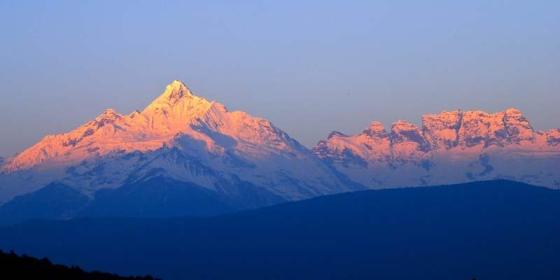
Sunlit Golden Peaks of Meili Snow Mountain
- Hot Spring Soaking at Dali Geothermal Country: When Cangshan Mountain is covered in snow, soaking in the hot springs at Dali Geothermal Country is a unique experience of “ice and fire”. The hot spring water here is of high quality, surrounded by tropical plants, and enjoying the snow mountain scenery while in the warm spring water is a special delight.
Dressing and Preparation
Pack your luggage according to your destination when traveling to Yunnan in winter: for southern Yunnan, bring short sleeves, long-sleeved shirts and light pants, plus a light coat for morning and evening temperature differences; for Northwest Yunnan, bring warm clothing such as thick sweaters, down jackets, scarves, hats and gloves, and choose non-slip snow boots or thick-soled leather shoes for footwear. In addition, the air is extremely dry in winter, so be sure to bring moisturizing skin care products and throat lozenges. If traveling to snow mountain areas, it is advisable to prepare oxygen tanks to prevent altitude sickness.
Summary of Four-Season Travel and Itinerary Planning Suggestions
The ever-changing four-season weather in Yunnan gives the land unique beauty each season – spring is for flower viewing, summer for cool escapes, autumn for photography, and winter for both winter escapes and snow appreciation. No matter when you visit, you will have a unique experience. For overseas travelers with a limited budget, May and September offer the best value for money, with affordable airfare and hotel prices and pleasant weather; photography lovers should visit from October to November to capture the gorgeous colors of ginkgoes and winter cherry blossoms; families with children are suitable for traveling to Xishuangbanna in January and February to spend parent-child time in the warm sunshine; and snow mountain enthusiasts should not miss Northwest Yunnan from December to January to fully experience the snow mountain feast.
Faced with Yunnan’s complex four-season weather and numerous scenic spots, planning an itinerary on your own can be a headache, so choosing a professional travel agency is important. China Dragon Travel has been operating in Yunnan’s tourism industry for many years, with a thorough understanding of the local four-season weather and scenic spot features. It can customize exclusive itineraries according to your vacation time, budget and preferences. Whether you want to chase flower seas in spring, explore rainforests in summer, capture colorful scenery in autumn, or switch between warm sunshine and snow mountains in winter, China Dragon Travel can provide comprehensive services – from airfare and hotel bookings, professional tour guide accompaniment, to adjusting itineraries according to weather changes and giving dressing suggestions. Let you enjoy the unique charm of Yunnan without worrying about the weather and itinerary. Choose China Dragon Travel, and let your Yunnan trip become an unforgettable memory accompanied by the four-season weather.