
Perched on a gentle hillock 10 kilometers north of the iconic Samye Monastery, on the northern bank of the vast Yarlung Tsangpo River in Shannan, southern Tibet, the Zhama Zhisang Palace Ruins have stood sentinel for over 1,200 years. Once the beloved royal palace of Tubo Dynasty King Tride Tsugtsen and Princess Jincheng of China’s Tang Dynasty, it is the sacred birthplace of the legendary Tubo emperor Trisong Detsen, bearing vivid witness to the golden age of the Tubo regime and the enduring cultural bonds between the Han and Tibetan peoples.
The Millennium History of Zhama Zhisang Palace Ruins
This historic site was first constructed in the early 8th century, during the peak of the Tubo Dynasty’s power and prosperity. Commissioned as a royal residence for King Tride Tsugtsen and his consort Princess Jincheng, the palace was forever etched into Tibetan history as the birthplace of Trisong Detsen, one of the most celebrated and influential emperors in Tubo history. Trisong Detsen not only expanded the Tubo Dynasty’s territory to its greatest extent, but also solidified the establishment of Tibetan Buddhism across the Tibetan Plateau, leaving an indelible mark on the region’s culture, religion and society that endures to this day.
According to the seminal Tibetan historical text The Record of the Tibetan Kings and Ministers, the palace fell into ruin following the death of Tride Tsugtsen. After the king’s passing, the young Trisong Detsen was held captive by anti-Buddhist court ministers, who implemented harsh laws banning the practice of Buddhism across the kingdom. During this period of religious persecution, the royal palace was ransacked and largely destroyed. In the centuries that followed, local Tibetan Buddhist devotees built a small temple on the intact foundations of the original palace, to honor the legacies of the two great Tubo kings and preserve the sacred history of the site.
Though modest in size, the temple has retained the distinctive architectural style of the Tubo Dynasty, with ancient wall carvings and structural details that have withstood over a millennium of wind and rain. More than just a religious site, it serves as a living window into the golden age of the Tubo Dynasty, offering visitors a rare chance to connect with the deep history of Han-Tibetan cultural exchange that shaped the region.
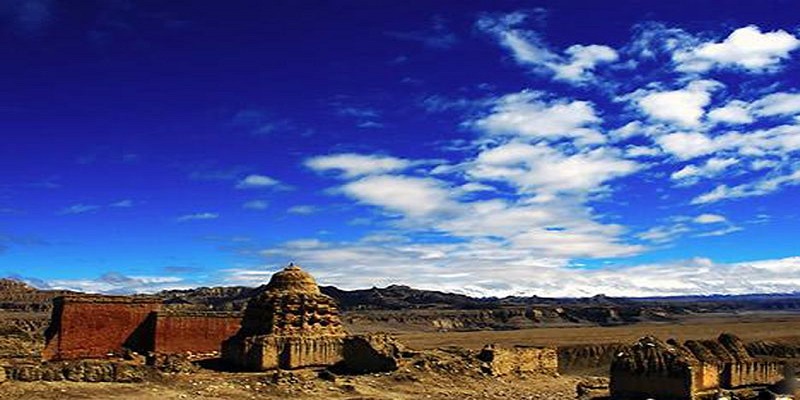
Zhama Zhisang Palace Ruins
Key Highlights and Sacred Legends of the Ruins
While the grandeur of the original royal palace has faded over the centuries, the Zhama Zhisang Palace Ruins remain home to a wealth of culturally and historically significant sites, paired with timeless sacred legends that have been passed down through generations of local Tibetans. For every visitor, these highlights offer a unique blend of historical insight and the profound spiritual romance that defines Tibetan culture.
Royal Statues and Ancient Architectural Remains
Inside the small temple built on the palace’s original foundations, visitors will find perfectly preserved statues of the two great Tubo kings: Tride Tsugtsen and Trisong Detsen. Crafted in the classic, solemn style of traditional Tibetan sculptural art, these statues are invaluable artifacts that bring the history of the Tubo royal court to life. The statue of Tride Tsugtsen bears a calm, gentle expression, a fitting tribute to the king who, alongside Princess Jincheng, fostered unprecedented friendly and cultural exchanges between the Tang Dynasty and the Tubo regime. In contrast, the statue of Trisong Detsen exudes a majestic, authoritative air, capturing the spirit of the visionary emperor who led the Tubo Dynasty to its greatest heights of power and cultural flourishing.
Beyond the temple’s sacred statues, the site also preserves extensive remains of the original Tubo Dynasty rammed-earth building foundations and wall structures. Even in their partially ruined state, the surviving layout offers a clear glimpse into the scale and architectural regulations of the original royal palace. These structural remains are incredibly rare surviving examples of 8th-century Tubo palace architecture, providing invaluable physical evidence for academic research into the dynasty’s advanced construction techniques and distinctive architectural aesthetic, standing as a silent testament to the skill of Tubo craftsmen over 1,200 years ago.
The Millennium Sacred Sandalwood Roots
The most famous and revered sacred relic at the Zhama Zhisang Palace Ruins are two ancient, weathered sandalwood tree roots, enshrined within the temple and venerated by local devotees for centuries. According to local legend, when Trisong Detsen was born at the palace, a drop of blood from his umbilical cord fell to the ground, and two sandalwood trees—one with red wood, one with white—sprouted from that very spot. Local Tibetans have long believed that these two trees are the physical embodiment of the spirits of Tride Tsugtsen and Princess Jincheng, carrying their blessings and sacred spiritual power.
While the original trees have long since returned to the earth, their preserved roots remain carefully enshrined in the temple, having survived over a millennium of history. More than just a sacred relic, these roots are a powerful, living symbol of the deep cultural and familial bonds between the Han and Tibetan peoples, with their interwoven red and white grain seen as a metaphor for the inseparable connection between the two ethnic groups. For visitors, the roots offer a tangible link to the timeless legend of Trisong Detsen’s birth, and a chance to feel the profound depth of Han-Tibetan cultural exchange that defines the site.
The Legend of the Millennium Bronze Bell
What many visitors do not know is that the Zhama Zhisang Palace Ruins share an intimate historical connection with a precious cultural relic housed in the nearby Samye Monastery: a massive, ancient bronze bell. Cast when the original palace was first completed, the bell was forged by Buddhist monks from China’s Tang Dynasty interior, making it a rare and invaluable example of the fusion of Han and Tibetan metalworking craftsmanship. The bell’s body is inscribed with intricate decorative patterns and ancient text, showcasing the advanced metallurgical technology of the time, while also documenting the friendly exchanges between the Han and Tibetan peoples during the 8th century.
When the palace was destroyed during the anti-Buddhist persecution, the sacred bronze bell was carefully salvaged and moved to the main gate of the Utse Hall at Samye Monastery, where it still hangs to this day. For visitors, the bell serves as a powerful historical bridge between the ruins and Samye Monastery. After exploring the ruins, a visit to see the bell offers a unique chance to feel the cross-temporal connection between the two iconic sites, and deepen your understanding of the long, rich history of Han-Tibetan cultural exchange.
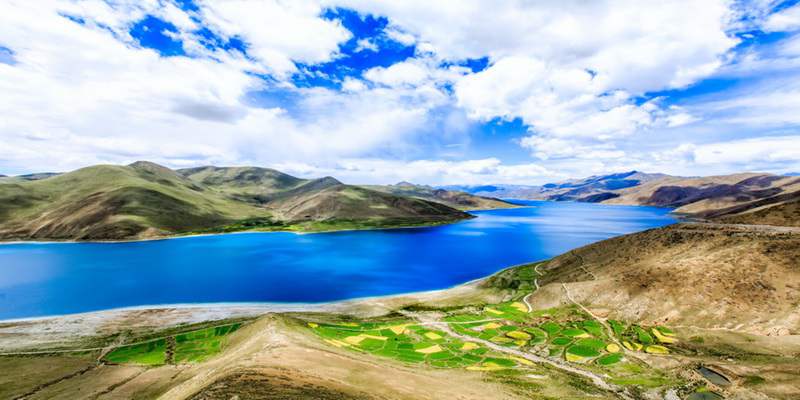
Shannan
Practical Travel Guide for Visiting Zhama Zhisang Palace Ruins
To ensure a smooth, safe and fulfilling visit to the Zhama Zhisang Palace Ruins, advance planning and preparation are essential. This comprehensive guide covers everything you need to know about transportation, visiting information, and essential travel tips to help you make the most of your journey to this millennium-old historic site.
Complete Transportation Guide
The Zhama Zhisang Palace Ruins are located in Sangpu Township, Chanang County, Shannan City, Tibet, approximately 10 kilometers north of Samye Monastery. Visitors can choose from a range of transportation options depending on their starting point and travel preferences.
- If departing from downtown Lhasa, the total journey is approximately 150 kilometers. For self-driving visitors, take the Yaye Expressway to the Chanang County exit, then follow the road towards Samye Monastery. From Samye Monastery, take the road north through the valley for 10 kilometers to reach the ruins, with a total driving time of around 2.5 hours and stunning views of the Yarlung Tsangpo River along the way.
- If departing from Tsetang Town in Shannan City, the total journey is approximately 50 kilometers. Self-driving visitors can take the road along the northern bank of the Yarlung Tsangpo River to Samye Monastery first, then continue to the ruins, with a total driving time of around 1 hour. This shorter route is ideal for visitors with limited time, offering a more relaxed travel schedule.
For visitors without their own vehicle, chartering a car from Lhasa or Tsetang Town is a highly flexible option, allowing you to stop and enjoy the scenery along the way, and adjust your itinerary at your own pace. Alternatively, you can take public transport to Samye Monastery first, then arrange a short local transfer to the ruins. There are many local drivers around Samye Monastery offering affordable transfer services, making this a convenient and budget-friendly option.
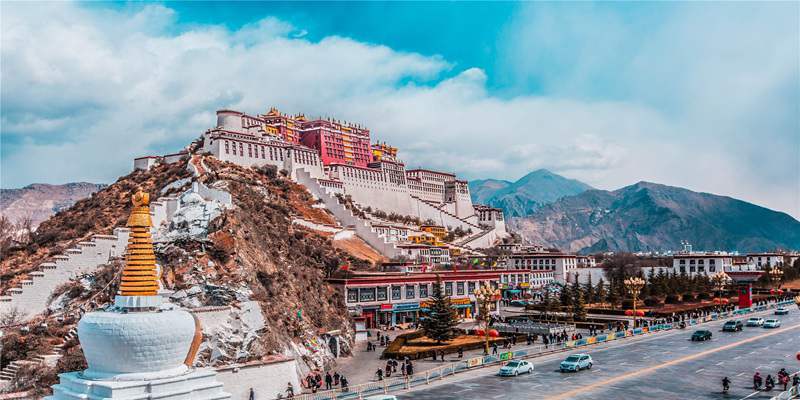
Lhasa
Basic Visiting Information
The Zhama Zhisang Palace Ruins are open to visitors 24 hours a day, with no admission fee charged for entry. This open access policy allows travelers from all over the world to visit this sacred historic site and experience the unique charm of ancient Tubo culture without barrier.
In terms of visiting duration, the site itself is relatively compact, and we recommend setting aside 1 to 2 hours for your visit. This will give you ample time to fully explore the temple’s sacred relics, learn about the site’s rich historical background, and take in the stunning natural scenery of the surrounding plateau landscape. We encourage visitors to slow down, soak in the profound historical atmosphere, and capture memorable photos of this unique Tibetan historic site.
The best time to visit is from May to October each year. During this period, Tibet enjoys mild weather, minimal rainfall, and excellent road conditions, making travel safe and comfortable. The surrounding hills are also covered in lush green vegetation during these months, offering breathtaking natural scenery that perfectly complements the historic ruins. In the summer and early autumn, the site takes on a special vitality, allowing visitors to experience both the rich cultural history and the stunning natural beauty of the Tibetan Plateau.
Important Travel Tips
Altitude Sickness Prevention & High-Altitude Safety
The Zhama Zhisang Palace Ruins sit at an altitude of approximately 3,600 meters above sea level, a high-altitude environment. Visitors should take precautions to prevent altitude sickness before arrival, avoid strenuous physical activity upon arrival, and carry an oxygen canister and anti-altitude sickness medication to ensure your safety and comfort. If you experience symptoms such as dizziness or shortness of breath, remain calm, rest immediately, drink plenty of water, and seek assistance from site staff if needed.
Respect for Local Religious Customs & Etiquette
This site is a deeply sacred place for local Tibetan Buddhist devotees. Visitors must respect local religious customs and beliefs at all times: loud talking and disruptive behavior are prohibited inside the temple, you must obtain permission from the on-site management before taking photos of statues or sacred relics, and you must not touch or handle any of the enshrined sacred items. Respecting local culture is not only essential to protecting this sacred site, but also ensures a smooth and respectful travel experience for all.
Pre-Trip Preparation & Essential Supplies
The ruins are located on a remote hillock, with no commercial facilities or shops nearby. Visitors should bring plenty of drinking water and snacks with them for their visit. You should also come prepared with sun and wind protection: the ultraviolet radiation on the Tibetan Plateau is extremely strong, even in summer, so be sure to bring a sun-protective jacket, high-SPF sunscreen, sunglasses, and a hat. The plateau weather is also highly changeable, with large temperature differences between day and night, so we recommend packing a warm jacket to prepare for sudden weather changes.
Preservation of Cultural Relics & Ecological Environment
All visitors have a responsibility to protect the site’s ecological environment and precious historical relics. Do not carve or draw on the ancient walls, do not litter, and help us preserve this invaluable piece of Tibetan history for future generations to explore and appreciate.
Recommended Combined Itineraries to Explore Shannan‘s Cultural Heritage
The area surrounding the Zhama Zhisang Palace Ruins is home to a wealth of top-tier cultural and tourism attractions, spanning Tubo Dynasty history, Tibetan Buddhism, and traditional Tibetan culture. Visiting the ruins alone will not give you the full picture of Shannan’s profound cultural heritage, so we recommend planning a combined itinerary with the ruins at its core, tailored to your travel pace and interests, to add depth and richness to your Tibetan journey.
Relaxed Itinerary: Trace the Origins of Tubo Culture
For travelers who prefer a relaxed, leisurely itinerary, we recommend a curated one-day route focused on tracing the origins of Tubo culture. This route takes you to Samye Monastery, the Zhama Zhisang Palace Ruins, and the Chimpu Hermitage in sequence, allowing you to experience the core cultural and historical heritage of Shannan in a single, manageable day.
In-Depth Immersive Itinerary: Full Experience of Shannan’s Cultural Charm
For visitors seeking a deeper, more immersive experience of Tibetan culture, we recommend expanding your itinerary to include additional iconic sites. Alongside the core attractions, add Namseling Manor and Mindrolling Monastery to your route, where you can explore ancient Tibetan architecture, stunning traditional murals, and the intangible cultural heritage of traditional Tibetan incense making. This extended itinerary allows you to fully immerse yourself in the unique charm of Shannan, known as the birthplace of Tibetan culture.
Core Logic of Itinerary Design
Both itinerary options center the Zhama Zhisang Palace Ruins as the core of your journey, linking together scattered historical sites to create a cohesive narrative of Tubo history and Han-Tibetan cultural exchange. This not only avoids the monotony of visiting single sites in isolation, but also allows you to gain a far deeper understanding of the profound historical and cultural significance of this unique region.
Hassle-Free Travel with Professional Services
For first-time visitors to the Tibetan Plateau, or those unfamiliar with planning high-altitude travel routes and transportation connections, organizing a trip independently can come with a range of challenges and inconveniences. If you want a stress-free, immersive journey to explore the Zhama Zhisang Palace Ruins and the surrounding cultural treasures of Shannan, you can choose the specialized travel services provided by China Dragon Travel.
With a professional local team with extensive knowledge of high-altitude travel and the unique characteristics of each attraction, China Dragon Travel can create a fully customized itinerary tailored to your available travel time, personal interests and travel needs. The team will handle every detail of your trip, from transportation arrangements to itinerary connections, allowing you to leave the logistics behind and focus entirely on immersing yourself in this once-in-a-lifetime journey tracing the thousand-year history of the Tubo Dynasty, for a comfortable, unforgettable travel experience in Tibet.