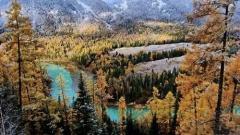

Xinjiang Is Not a Destination You “Finish”
Most travelers underestimate Xinjiang before they arrive.
They look at a map, see a province in western China, and assume it can be explored the way they’ve explored other places: a few highlights, some photos, then move on. That assumption usually disappears on the first day.
Xinjiang is not defined by how many attractions you visit.
It is defined by distance, scale, and contrast.
A four-hour drive here doesn’t mean repetition — it means transformation. Grasslands turn into glaciers. Alpine lakes give way to deserts. Languages, food, architecture, and rhythms of life shift quietly between regions.
To truly understand Xinjiang, you don’t need to see everything. But you do need to see the right places. The following twelve destinations form the backbone of any meaningful journey across Xinjiang. Together, they create a complete picture of its landscapes, cultures, and history. Miss one, and something essential is missing.
1. Sayram Lake – The Bluest Place in Xinjiang
📍 Ili, Huocheng County
🏷️ National 5A Scenic Area
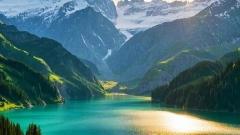
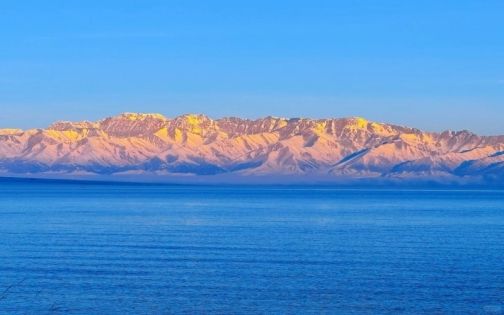
Sayram Lake is often called “the last tear of the Atlantic.” While poetic, the description is surprisingly accurate. On a clear day, the water displays multiple layers of blue — from pale turquoise near the shore to deep sapphire farther out — so vivid they almost feel unreal.
Unlike many lakes that look best from a single viewpoint, Sayram Lake rewards movement. Every curve of the shoreline offers a slightly different color, a new reflection of surrounding snow-capped peaks.
How to explore properly
-
Drive or hire a car and complete the full 90-kilometer loop
-
Enter from the south gate and exit from the east for the best lighting
-
June is ideal: alpine wildflowers bloom while snow still crowns the mountains
-
Staying overnight near the lake allows you to experience sunset, sunrise, and one of the clearest night skies in Xinjiang
Practical tips
-
Wind is strong year-round — even in summer, a jacket is essential
-
Don’t rush; stopping only once misses most of the experience
2. Kanas Lake – A Landscape That Unfolds Slowly
📍 Altay, Burqin County
🏷️ National 5A Scenic Area
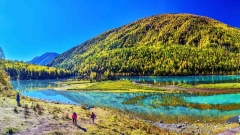
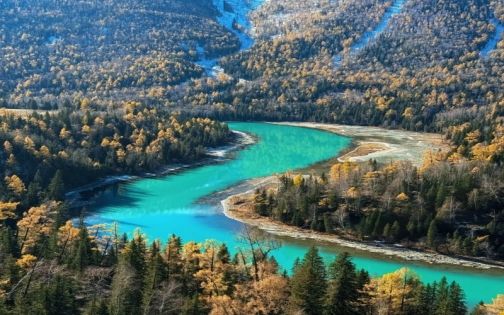
Kanas is not about instant impact. It reveals itself gradually. Dense birch forests, winding rivers, alpine meadows, and a deep glacial lake layer together into one of the most complete natural environments in China.
This is a place that rewards patience. Spend more time here, and the landscape changes with light, weather, and time of day.
Best seasons
-
Mid to late September: autumn colors peak, with golden birch forests and crisp air
-
July and August: lush greenery, but also the busiest months
Essential experiences
-
Hike or shuttle to the Fish Viewing Pavilion for a full view of the lake
-
Visit Fairy Bay, Moon Bay, and Wolong Bay early in the morning for mist and reflections
-
Stay in Jiadengyu or inside the park to avoid early-morning queues
Things to know
-
Temperature drops sharply at night, even in summer
-
Enter the park early; crowds increase significantly after 10 a.m.
3. Heavenly Lake of Tianshan – Alpine Serenity Near the City
📍 Fukang, Changji Prefecture
🏷️ National 5A Scenic Area
Because Heavenly Lake is close to Urumqi, many travelers underestimate it. That’s a mistake.
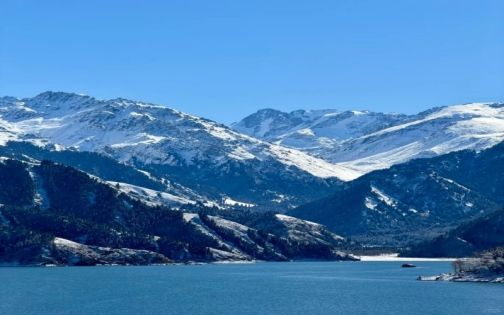
On a clear day, Bogda Peak rises dramatically behind the lake, its snowfields reflected in calm alpine waters. The result is a classic high-mountain landscape that feels far removed from the nearby city.
Recommended activities
-
Walk the lakeside trail for changing perspectives
-
Take a short boat ride to appreciate the scale of the basin
-
Fit travelers can take the cable car to Mayashan for panoramic views
Time needed
-
Half a day is sufficient if weather cooperates

4. Nalati Grassland – A Grassland You Can Walk Into
📍 Xinyuan County, Ili
🏷️ National 5A Scenic Area
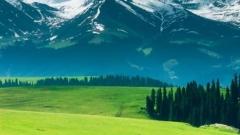
Nalati is not a flat expanse of grass. It is a rolling valley grassland, shaped by rivers and framed by mountains. This topography gives the landscape depth and movement, making it feel alive rather than static.
Key areas
-
Sky Grassland (the main highlight)
-
River Valley Grassland for slower exploration
Best time to visit
-
June to July: wildflowers cover the hills
-
August: deeper green tones, fewer tourists
Experiences
-
Short horseback rides are suitable even for beginners
-
Weather changes quickly — sun, rain, and wind can arrive within hours
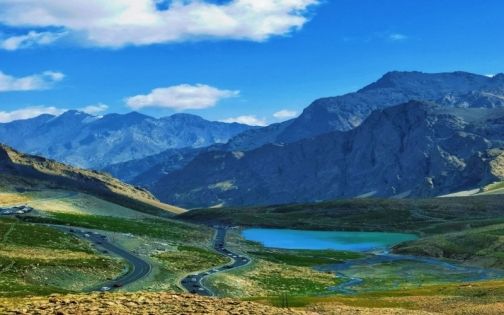
5. Duku Highway – One Road, Four Seasons
📍 Dushanzi to Kuqa
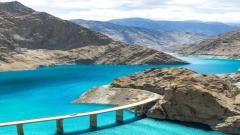
The Duku Highway is not a single attraction; it is a journey in itself. In just over 500 kilometers, it compresses the essence of Xinjiang into one drive.
Snow-covered passes, alpine meadows, forests, and red sandstone canyons appear one after another, sometimes within the same day.
Best direction
-
North to south: Dushanzi → Kuqa
This progression allows landscapes to unfold naturally, from grasslands to desert edges.
Travel notes
-
Usually open from June to early October, depending on snow conditions
-
Avoid night driving; weather and road conditions change quickly
-
Check road status daily before departure
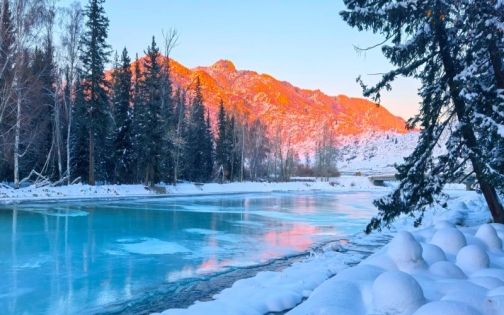
6. Keketuohai – A Geological Treasure in Disguise
📍 Fuyun County, Altay
🏷️ National 5A Scenic Area
Despite its misleading name (“Cocoa Sea”), Keketuohai is a dramatic combination of granite peaks, river gorges, alpine meadows, and geological history. It is also far less crowded than Kanas.
Highlights
-
No. 3 Mine, important in China’s industrial history
-
Irtysh River Grand Canyon
-
Unique rock formations such as Shenzhong Mountain
Who it’s for
-
Travelers who enjoy walking, geology, and quieter landscapes
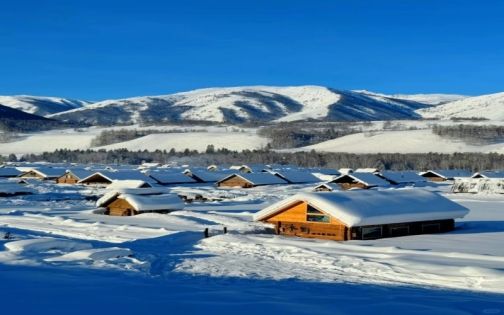
7. Hemu Village – Where Mornings Matter More Than Evenings
📍 Burqin County, Altay
Hemu is often described as a fairytale village, but that description only applies at specific moments — primarily early morning.
How to experience it properly
-
Stay overnight in the village
-
Wake before sunrise and hike to Haden Viewing Platform
-
Watch smoke rise from wooden houses as light spreads across the valley
Important notes
-
Nights are cold, especially in autumn
-
Evenings are quiet; this is a place for rest, not nightlife
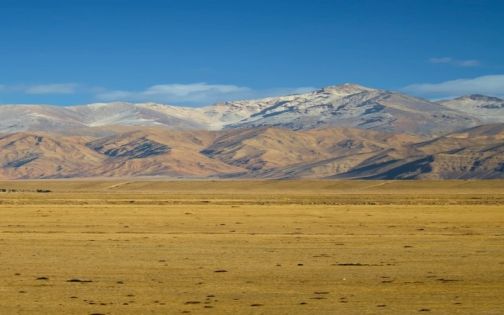
8. Pamir Plateau – Xinjiang at Its Highest
📍 Tashkurgan, Kashgar Prefecture
🏷️ National 5A Scenic Area
The Pamir Plateau is not about a single landmark. It is about vastness. Snow peaks, high-altitude lakes, and open valleys stretch endlessly, creating a sense of scale unmatched elsewhere in Xinjiang.
Classic route
-
Kashgar → Bulunkou → Muztagh Ata → Karakul Lake → Tashkurgan
Cultural experience
-
Visit Tajik villages with stone houses and whitewashed walls
-
Observe daily life shaped by altitude and climate
Health tips
-
Take altitude seriously: rest, hydrate, and avoid strenuous activity on day one
-
Slow travel enhances both safety and enjoyment
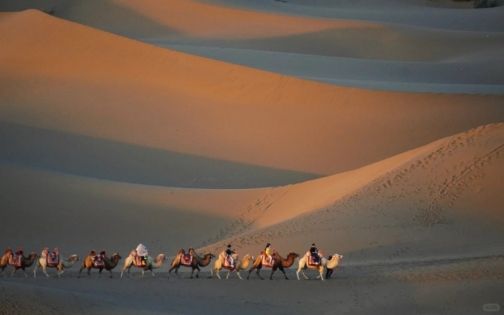
9. Turpan – Civilization Born from Extremes
📍 Turpan
Turpan is one of the hottest places in China, yet it supported thriving civilizations for centuries. Understanding how people adapted here offers insight into Xinjiang’s deeper history.
Must-see sites
-
Grape Valley (best in summer)
-
Flaming Mountains
-
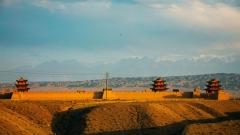
Jiaohe Ancient City
Travel advice
-
Plan outdoor visits early morning or late afternoon
-
Midday heat is best spent indoors
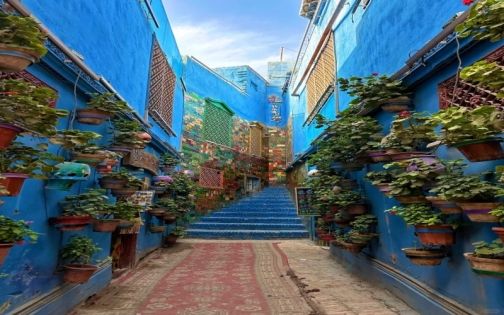
10. Kashgar Old City – A City That Still Breathes
📍 Kashgar
🏷️ National 5A Scenic Area
Kashgar Old City is not a reconstructed attraction. It is a living neighborhood where daily life continues among mud-brick houses and narrow alleys.
Recommended pace
-
Morning: opening ceremony and quiet streets
-
Midday: explore alleys and local eateries
-
Evening: photograph rooftops glowing in warm light
Respect
-
This is a residential area; photography should be mindful and discreet
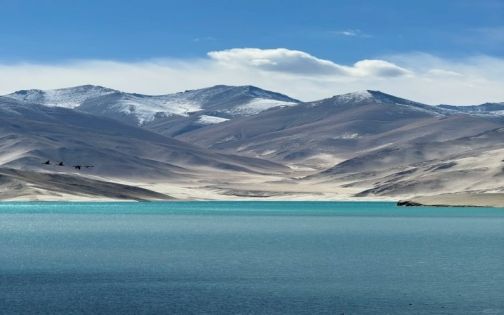
11. White Sand Lake – A Blue Surprise in the Gobi
📍 Habahe County, Altay
🏷️ National 5A Scenic Area
White Sand Lake surprises visitors with its stark contrast: pale sand dunes rising beside calm blue water, framed by open sky.
Best time
-
Afternoon for optimal lighting and reflections
-
Visit when skies are clear for maximum color contrast
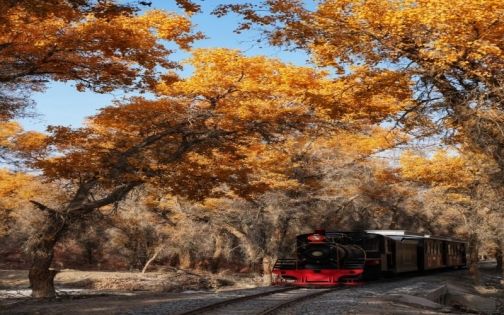
12. Tarim Poplar Forest – Gold for One Week Only
📍 Luntai County, Bayingolin
The Tarim Poplar Forest is spectacular — but only briefly. In late October, poplar trees turn brilliant gold before winter arrives.
Key advice
-
Timing is everything; the peak lasts about one week
-
Morning light offers the richest colors