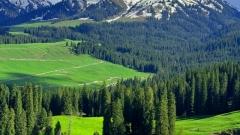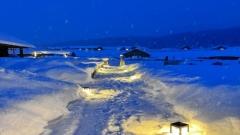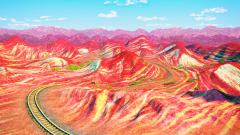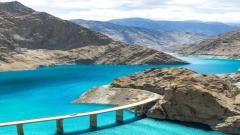

Northern Xinjiang, with its magnificent snow-capped mountains and grasslands, stunning lakes and forests, and diverse ethnic cultures, has become a desirable tourist destination for overseas visitors. Unlike most tourist areas in inland China, Northern Xinjiang boasts a vast territory, significant altitude fluctuations, and is home to ethnic minorities such as the Kazakh, Uyghur, and Mongolian. Every link, from document processing to daily interactions, from environmental adaptation to safety protection, requires advance planning. Understanding the travel notes for Northern Xinjiang not only prevents travel disruptions but also allows you to deeply experience the local charm. This article comprehensively sorts out the essential pre-trip and travel points tailored to the needs of overseas tourists, helping you travel Northern Xinjiang with peace of mind.
Document and Visa Preparation for Northern Xinjiang Travel
For overseas tourists, valid legal documents are the primary prerequisite for entering Northern Xinjiang, and this is also the link in Northern Xinjiang travel notes that most easily affects the trip. First, ensure that the passport is valid for more than 6 months after the end of the trip, and apply for a Chinese tourist visa in advance; if planning to stay longer than the visa permits, apply for an extension at the local entry-exit administration after entering the country to avoid illegal overstay.
If flying directly to Urumqi from overseas and then transferring to various parts of Northern Xinjiang, complete customs and border inspection procedures upon entry, and keep the entry stamp, boarding pass and other documents properly, as they may be required for hotel check-in or entry into some scenic spots later. In addition, some scenic spots in Northern Xinjiang (such as around Baihaba and Takashiken Port) are located in border areas and require a border defense permit for entry: overseas tourists can entrust a local regular travel agency to apply on their behalf, or go to the Urumqi Household Registration Hall with the original passport and visa to apply. The permit can usually be collected 1-3 working days after submitting the materials, and it is recommended to prepare one week in advance to avoid delays due to temporary application.

Photo of Urumqi City Area
Northern Xinjiang Travel Climate and Clothing Matching
Northern Xinjiang has a continental climate, with a temperature difference of 10-15℃ between day and night, and significant seasonal climate variations. This is the content in Northern Xinjiang travel notes directly related to travel comfort. In spring (April-May), the temperature in Northern Xinjiang rises to 5-15℃, but there is still residual snow in mountainous areas, so it is necessary to bring windproof jackets, light down jackets and waterproof shoes to cope with sudden temperature drops or rain and snow; in summer (June-August), the daytime temperature can reach 25-30℃, so short sleeves and long pants are suitable, but the temperature drops below 10℃ at night, and there are frequent showers in mountainous areas, so a windproof and waterproof jacket and a foldable rain gear are needed.
Autumn (September-October) is the golden tourist season in Northern Xinjiang. The leaves in Kanas and Hemu turn golden, but the temperature drops rapidly, with morning and evening temperatures often below 5℃, so thick down jackets, scarves and warm shoes are required; in winter (November-March of the next year), Northern Xinjiang is extremely cold, with temperatures mostly ranging from -15℃ to -30℃, so it is necessary to prepare windproof and snowproof down jackets, fleece-lined snow boots, antifreeze gloves and warm hats to avoid frostbite. In addition, Northern Xinjiang has strong sunlight, so sunscreen (SPF50+), sunglasses and sun hats are indispensable regardless of the season. In high-altitude areas (such as the Heavenly Lake of Tianshan), sunscreen lip balm is also needed to prevent skin and lips from being burned by ultraviolet rays.
Northern Xinjiang Travel Transportation Notes
Scenic spots in Northern Xinjiang are far apart (e.g., Urumqi to Kanas is about 800 kilometers), so transportation arrangement is the core of Northern Xinjiang travel notes. Overseas tourists traveling to Northern Xinjiang usually first fly to Urumqi Diwopu International Airport, then transfer to domestic flights, trains or cars to their destinations: Urumqi has direct flights to Kanas (Burqin Airport), Yili (Narat Airport) and Altay. Tickets are tight during the peak season (June-October), so it is recommended to book 1-2 months in advance to avoid being left without tickets temporarily.
If choosing land travel, the expressways (such as Beijing-Xinjiang Expressway, Kuitun-Altay Expressway) and national highways (G217, G218) in Northern Xinjiang are in good condition, but some remote scenic spots (such as Hemu, Qiongkushtai) only have mountain roads with many bends and no street lights on some sections. It is not recommended for overseas tourists to drive by themselves (they need to be familiar with the right-hand drive and left-hand traffic rules and local road conditions). It is more recommended to choose chartered car services from regular travel agencies (with local drivers) or group tours. Drivers are familiar with the road conditions and can assist in handling emergencies (such as vehicle breakdowns, route adjustments). In addition, mobile phone signals (China Mobile, China Unicom) are poorly covered in some mountainous areas and villages in Northern Xinjiang. Before traveling, download offline maps (such as Amap, Baidu Maps) and agree on the daily gathering time and place with travel partners to prevent getting lost.
Northern Xinjiang Travel Cultural Etiquette and Local Customs
Northern Xinjiang is a multi-ethnic settlement area. Respecting local cultural etiquette is an important part of Northern Xinjiang travel notes that reflects tourists’ literacy and also makes the trip smoother. When communicating with ethnic minority compatriots, use polite expressions such as “Hello” and “Thank you”, and avoid inappropriate addresses; before entering a mosque (such as the Urumqi Yanghang Mosque), take off your shoes and dress neatly (shorts, skirts and sleeveless tops are not allowed). Loud talking is prohibited in the mosque, and permission from the staff is required for taking photos.
The Kazakh people take pride in equestrianism. If invited to participate in activities such as the Nadam Fair, follow the host’s arrangements and do not touch the horse’s head or disturb the horse herd at will; ethnic groups such as the Uyghur and Kazakh avoid pork. When entering local restaurants, do not ask “if there are pork dishes” or eat takeaway pork products in the restaurant. Before taking photos of local residents (especially the elderly and children), be sure to ask for their consent first. If they shake their heads and refuse, do not take photos forcibly to avoid cultural misunderstandings.
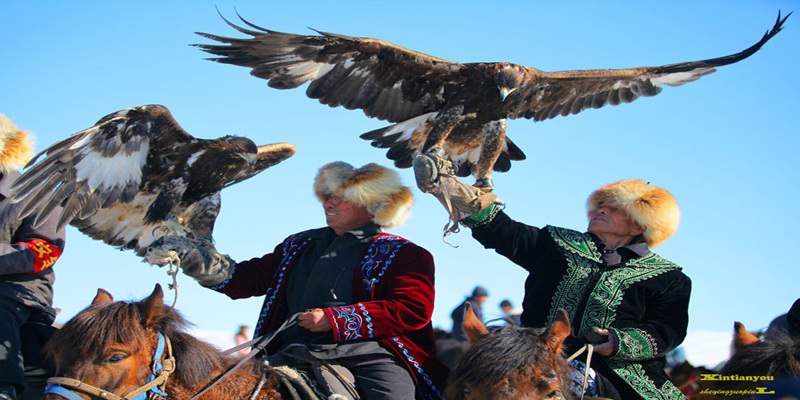
Kazakh people
Northern Xinjiang Food and Health Protection
The diet in Northern Xinjiang mainly consists of beef and mutton, pasta and dairy products (such as pilaf, baked buns, milk dregs). When tasting local specialties, overseas tourists need to pay attention to the food and health points in Northern Xinjiang travel notes. First, the water hardness in some areas of Northern Xinjiang is high (such as Altay area), and drinking tap water or mountain spring water directly may cause gastrointestinal discomfort. It is recommended to drink bottled water throughout the trip and choose well-known brands from regular supermarkets when purchasing.
When tasting roasted meat, pilaf and other foods, choose restaurants with good hygiene and a large number of customers, and avoid eating undercooked food; if you have a food allergy history (such as allergy to mutton or dairy products), inform the store in advance with a translation app or confirm the ingredients when ordering. Most areas in Northern Xinjiang are at an altitude of 1000-2000 meters (such as Kanas Lake at an altitude of 1374 meters), so severe altitude sickness is unlikely, but avoid strenuous exercise (such as climbing stairs quickly, running for a long time) when first arriving. You can prepare glucose oral liquid and vitamin tablets in advance to relieve fatigue; if the trip includes long outdoor activities, carry commonly used medicines (cold medicine, diarrhea medicine, band-aids). Medical resources are limited in remote villages in Northern Xinjiang. If you experience discomfort such as fever and abdominal pain, go to the nearest urban hospital (such as Burqin County People’s Hospital, Yining City Hospital) for medical treatment in a timely manner.
Northern Xinjiang Safety in Scenic Spots
Most scenic spots in Northern Xinjiang are natural landscapes with complex terrain and climate, so safe travel is the top priority in Northern Xinjiang travel notes. In water scenic spots (such as Sayram Lake, Kanas Lake), the rocks on the shore are slippery and the lake water temperature is low (only about 10℃ even in summer). Entering the water for swimming is prohibited. When taking photos, keep a safe distance from the shore to avoid falling; in mountain scenic spots (such as Koktokay, Heavenly Lake of Tianshan), falling rocks and landslides are prone to occur during the rainy season (June-July). Walk along the designated trails and do not enter “undeveloped areas” (usually fenced or marked with warning signs) without permission. Take shelter at the scenic spot’s rain shelters in time in case of heavy rain.
When going skiing (such as Altay General Mountain Ski Resort) or snow viewing (such as Hemu Snow Town) in Northern Xinjiang in winter, choose regular ski resorts and wear ski suits and protective gear (helmets, knee pads). Beginners should experience skiing under the guidance of coaches and not go to high-difficulty ski runs alone; when playing on the grassland in summer, pay attention to mosquito prevention (especially in the evening), wear long-sleeved clothes and pants or spray mosquito repellent to avoid being bitten by ticks in the grass. In addition, some scenic spots in Northern Xinjiang (such as Bayanbulak Grassland) are ecological protection areas. Comply with the scenic spot regulations, do not arbitrarily break flowers and plants, litter, or feed wild animals (such as swans and marmots), and jointly protect the natural environment of Northern Xinjiang.
The charm of Northern Xinjiang lies in the grandeur of snow-capped mountains, the vastness of grasslands, the clarity of lakes and the enthusiasm of ethnic groups. Mastering the travel notes for Northern Xinjiang is the premise of traveling this land. From document preparation to cultural respect, from climate adaptation to safety protection, careful planning of every detail can reduce troubles and add beauty to overseas tourists’ trips to Northern Xinjiang. If you plan to visit Northern Xinjiang in 2026, you may wish to sort out your luggage and itinerary in advance according to these notes. If you have questions about transportation and scenic spot routes, you can consult China Dragon Travel for a tailor-made plan. I believe that with good preparation, you will surely leave unforgettable travel memories in Northern Xinjiang.