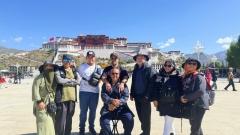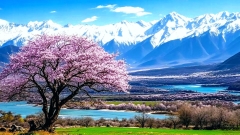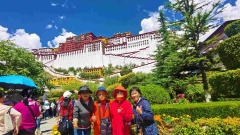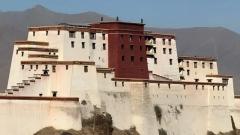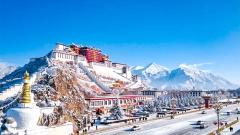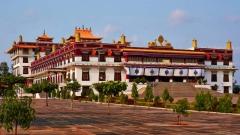

The 2026 Tibetan New Year falls between late February and early March 2026 on the Gregorian calendar. Though the Qinghai-Tibet Plateau still chills, it’s wrapped in festive warmth. Devotees twirl prayer wheels along the Potala Palace’s circumambulation path; Barkhor Street’s shops brim with colorful prayer flags and New Year decorations, as butter tea’s aroma mingles with highland barley wine’s sweetness. The Year of the Wooden Snake-themed celebration offers a prime chance to dive into Tibetan culture—witness grand traditions, step into local courtyards, and share this millennium-old, blessing-rich festival with locals.
Tibetan New Year Festival Delicacies: Blessings on the Tip of the Tongue
Tibetan New Year foods are not just culinary delights but carriers of locals’ New Year wishes, each worth savoring.
Gutu is the centerpiece of the New Year’s Eve family feast. This porridge, made with nine ingredients like ginseng fruit, milk dregs, peas, and green wheat grains, symbolizes a bumper harvest. Uniquely, it hides “dumpling blind boxes” with items like wool, charcoal, or chili—wool signifies a gentle temperament, while chili hints at taming one’s temper. This interactive custom helps visitors quickly blend in.
Kasey, a must-have New Year snack, captivates with its crispy, sweet taste. Fried from flour and butter, it comes in shapes like round “bulu” and petal-like “meido,” some painted bright colors—both food and decoration. Pair it with fragrant butter tea: made by repeatedly beating boiling tea with salted butter, it balances tea’s freshness and butter’s richness, warding off cold and easing altitude discomfort for visitors.
When visiting relatives, locals offer homemade highland barley wine. Fermented for three days from highland barley, it’s sweet, smooth, and low-alcohol, brimming with friendship. Follow the “three sips then finish” etiquette: take three small sips first, then drain the cup—this shows respect and fosters acceptance.
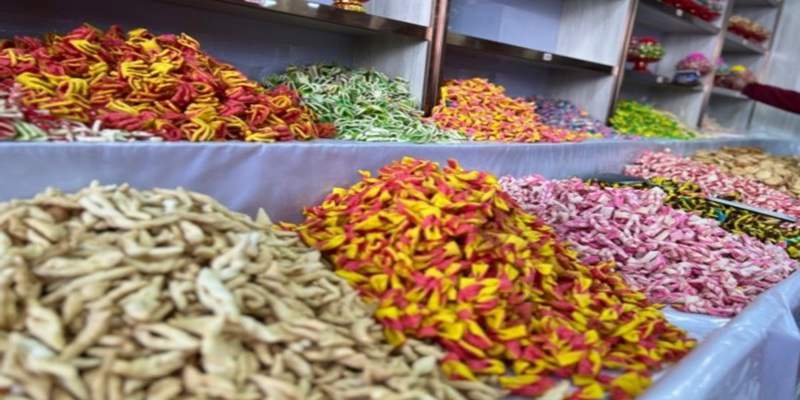
Kasey
Tibetan New Year Blessing Rituals: The Spiritual Core
New Year rituals are steeped in blessings. Visitors should observe etiquette while experiencing their cultural charm.
The qiema box is the ultimate symbol of New Year blessings, gracing nearly every family’s altar. This carved wooden bucket, divided by a plank, holds butter tsampa on one side and pyramid-shaped roasted wheat grains on the other, adorned with dyed silk tassels (“Lhasa Meido”) and exquisite butter flowers. Hosts present it to guests, who take it with both hands, sprinkle a little tsampa or wheat into the air, taste some, and reply “Tashi Delek” (auspicious wishes)—a ritual sharing joy and harvest.
“Dega” offerings on the altar, fried from flour (some mimicking animal organs), evolved from ancient Bon religious sacrifices, replacing live offerings with dough—a sign of cultural progress. The altar’s center often features “longguo” (a sheep’s head, usually ceramic or plaster) symbolizing New Year luck and lush highland barley seedlings representing harvest hopes.
The “first water seizing” ritual on New Year’s Day is full of life. Locals believe the first bucket of water is pure and auspicious, fetching it before dawn for washing, tea-making, and offerings. Visitors can join with local guides’ advice, avoiding disturbances. Temples like Jokhang and Sera Monasteries hold religious ceremonies—visitors must remain quiet, remove hats and sunglasses, and refrain from casual photography to show respect.
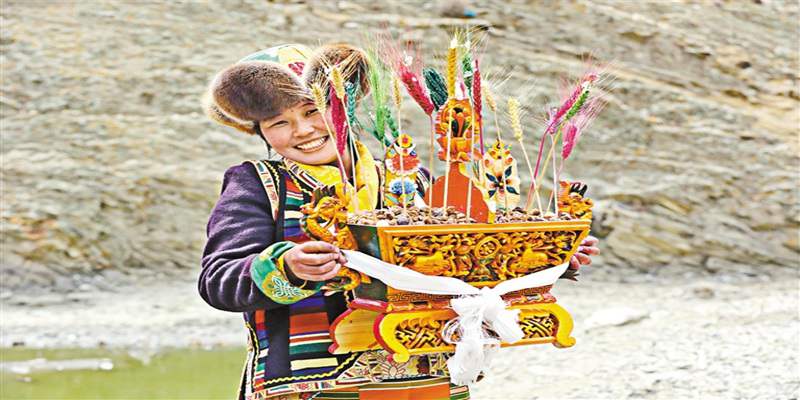
The Qiema Box
Tibetan New Year Featured Activities: Join the Festive Celebration
Diverse activities across Tibet let visitors fully embrace the joy.
Lhasa hosts the most events. From Feb 27 to Mar 2, Norbulingka and Tibet Museum offer cultural experiences: Tibetan calligraphy, Tibetan paper rubbing, and printing eight auspicious symbols. Enjoy traditional performances like zhega storytelling and yak dance, then join guozhuang dances hand-in-hand with locals. On Mar 2 (3rd day of the New Year), Lhasa North Suburb Racecourse features thrilling equestrian shows—horse racing, archery, and scarf-picking—amplifying the festive spirit.
Shannan and Nyingchi offer regional charm. Nedong District’s Zhaxi Qudeng Community holds ICH New Year events, letting visitors watch performances and experience local customs. Nyingchi’s Fujian Park hosts a family-friendly garden party on Feb 27. Ngari’s Gar County prepares fireworks, tug-of-war, and lantern riddles—at night, Xiangxiong Cultural Square’s guozhuang dance circles grow, welcoming everyone to join.
Tibet Yak Museum is a must-visit. From Feb 27 to Mar 4, it displays traditional New Year decorations. Taste kasey and air-dried beef, join Year of the Snake paper-cutting, DIY lantern-making, and drop New Year wishes into a blessing box. Visitors on New Year’s Day receive souvenirs.
Tibetan New Year Practical Travel Guide: Smooth Journey Preparation
- Documents & Itinerary: Foreigners and Taiwan compatriots need a Tibet Travel Permit via qualified travel agencies (no independent travel, must be accompanied by guides). Mainland visitors don’t need permits but should book accommodation and transport early—New Year is peak season. Those with unhealed colds are advised not to travel (altitude may worsen illness). A pre-trip physical is recommended.
- Altitude Sickness Prevention: Travel by train to acclimatize gradually. Avoid strenuous exercise, eat lightly, drink warm water, and rest well for the first 2-3 days. Prepare rhodiola in advance. Mild symptoms (headache, shortness of breath) usually ease in 1-2 days; seek medical help if severe. Pack warm clothes (down jacket, waterproof jacket, non-slip shoes) for large temperature differences and strong UV protection (sunscreen, sunglasses, hat).
- Dining & Shopping: Start with mild Tibetan food to avoid excessive greasy dishes. Buy specialties from reputable shops (e.g., Barkhor Street’s old brands) and ask for receipts. Greet others with “Tashi Delek,” respect religious beliefs and customs, and ask permission before taking photos.
The 2026 Tibetan New Year on the Qinghai-Tibet Plateau is a land of blessings and joy. A bowl of butter tea warms the heart, a guozhuang dance bridges distances, and a blessing ritual touches the soul—every moment is cherished.
For hassle-free planning, permit assistance, or altitude sickness advice, China Dragon Travel offers professional support. As a Tibet-focused agency, it crafts customized itineraries, helps with permits, and arranges experienced guides—letting you fully immerse in the unique Snowland New Year and create lifelong memories.